
 한국어
 English
 日本語
 中文(简体)
Dosage form image
Viewing nowTeva Mirtazapine Orally Disintegrating Tablets 30 mg
Mirtazapine 30mg
Orally disintegrating Tablet · Prescription medication
Han-Dok Teva Co., Ltd.
MFDS item code 201200587 · Approved 2012.01.26
This product's status changed to Expired on 2023.10.01. It may no longer be sold, so consult a doctor or pharmacist before taking it.
Treatment of major depression
This medication is used for major depression.
The therapeutic dose of this drug should be adjusted according to the patient's clinical condition, and the lowest effective dose should be administered whenever possible. The initial dose of mirtazapine is 15 mg daily, and the dose may need to be increased until an adequate clinical response is achieved. The usual effective daily dose is 15~45 mg of this drug. Clearance of this drug may be decreased in patients with moderate to severe renal impairment (creatinine clearance <40 mL/min); use caution when prescribing. Clearance of this drug may be decreased in patients with hepatic impairment; use caution when prescribing. In particular, this drug has not been studied in patients with severe hepatic impairment, so use caution when prescribing. The recommended dose is the same as for adults. When increasing the dose, careful monitoring is required to achieve a satisfactory and safe effect. Do not use this drug in children and adolescents under 18 years of age because its efficacy was not established in two short-term clinical trials and there are safety concerns (see sections 4. Adverse Reactions and 8. Pediatric and Adolescent Use in Precautions for Use). When discontinuing an MAO inhibitor used to treat a psychiatric disorder and starting treatment with this drug, allow an interval of at least 14 days. Conversely, when starting an MAO inhibitor to treat a psychiatric disorder, at least 14 days must have elapsed after discontinuing this drug. Patients receiving linezolid or intravenous methylene blue should not start treatment with this drug because of the increased risk of serotonin syndrome. For patients requiring more urgent treatment of a psychiatric condition, including hospitalization, consider other interventions. If linezolid or intravenous methylene blue must be urgently administered to a patient already receiving this drug, and no alternative to linezolid or intravenous methylene blue is available, and the benefits of treatment with linezolid or intravenous methylene blue are judged to outweigh the risk of serotonin syndrome for a particular patient, discontinue this drug immediately and administer linezolid or intravenous methylene blue. Monitor the patient for symptoms of serotonin syndrome for 2 weeks after administration of linezolid or intravenous methylene blue, or until 24 hours after the last dose, whichever occurs first. Treatment with this drug may be restarted 24 hours after the last dose of linezolid or intravenous methylene blue. The risk associated with nonintravenous administration of methylene blue (oral tablets or local injection) or intravenous administration of this drug at a dose of 1 mg/kg or less is unclear. Nevertheless, clinicians should be aware of the possibility of emergency symptoms of serotonin syndrome with such use. The half-life of this drug is 20∼40 hours, so once-daily administration is sufficient. If possible, take it at a consistent time in the evening before bedtime. The daily dose may also be divided into equal doses taken once each in the morning and evening. Do not change the dose at intervals of less than 1~2 weeks to allow sufficient time to evaluate the therapeutic response to the dose. At an appropriate dose, a therapeutic effect is seen within 2~4 weeks; if the effect is inadequate, the dose may be increased up to the maximum dose. If there is no effect after continuing treatment for another 2~4 weeks, discontinue treatment. Continue treatment for at least 4∼6 months until the patient's symptoms have completely resolved. Thereafter, gradual discontinuation is recommended to avoid withdrawal symptoms. Remove this drug and place it on the tongue. It dissolves rapidly on the tongue and can be swallowed without water. To prevent this drug from breaking, do not press the tablet through the package (Figure 1). Each package contains 6 tablets, separated by perforations. Bend the package along the perforations as shown in Figures 2 and 3 to separate one tablet. Hold the marked area on the back and carefully peel off the tablet backing in the direction of the arrow, as shown in Figures 4 and 5. Remove the tablet with dry hands and place it on the tongue (for Remeron SolTab tablets only).
Do not use this drug in children and adolescents under 18 years of age.
This medication is an antidepressant used in the treatment of psychiatric disorders such as major depression. While taking this medication, the risk of suicidal thoughts or behaviors may increase, particularly in young patients aged 18 to 24, who require careful monitoring and assessment by a physician. There is a rare risk of serious blood abnormalities known as agranulocytosis occurring during treatment, so if there are symptoms such as sore throat, fever, or signs of infection, you should consult a doctor immediately. Patients with liver or kidney function issues need to be cautious while taking this medication, and if signs of liver dysfunction occur, the medication should be discontinued. This medication contains a specific artificial sweetener, aspartame, and should not be taken by patients with hereditary conditions such as phenylketonuria. There is a risk of severe side effects when this medication is taken with other specific medications, especially MAO inhibitors, so you must inform your doctor of all medications you are currently taking. Common side effects may include drowsiness, dizziness, increased appetite, and weight gain, so caution should be exercised with activities requiring alertness, such as driving or operating machinery. Women who are pregnant or breastfeeding must consult a doctor before taking this medication, and it is not recommended for children and adolescents. In cases of overdose, symptoms such as loss of orientation, drowsiness, memory impairment, and tachycardia may occur, necessitating immediate medical attention. This medication must be kept out of reach of children and should not be transferred to other containers. Avoid alcohol consumption while on this medication, and it is safe to gradually reduce the dosage under a physician's guidance when discontinuing treatment. Patients and caregivers should closely monitor for suicidal tendencies or abnormal behavior changes and report any unusual symptoms to healthcare professionals immediately.
Not everyone experiences these, and they can vary from person to person.
This medication should be stored in a tightly closed container to prevent exposure to air or moisture. It is also important to store it at a cool temperature, below 30 degrees Celsius.
White round orally disintegrating tablets that dissolve in the mouth without water, imprinted with '93' on one side and '7304' on the other side.
30 tablets (6 tablets/PTP x 5)
Even with the same ingredient, strength, dosage form and how it is taken can differ.
Mirtazapine 30mg
Orally disintegrating Tablet · Prescription medication
Han-Dok Teva Co., Ltd.
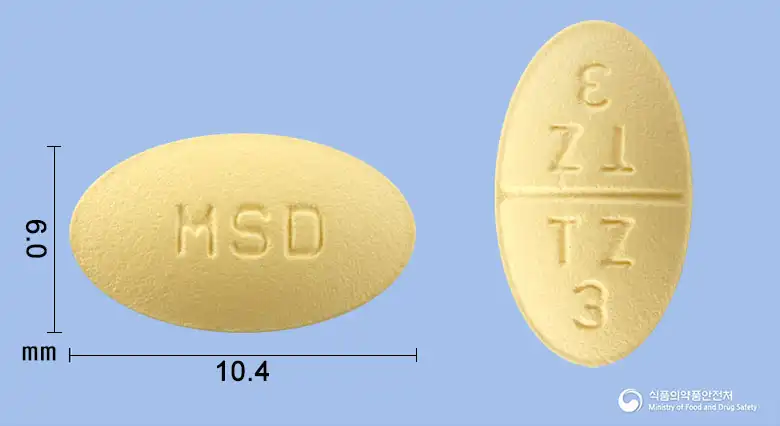
Mirtazapine 15mg
Tablet · Prescription medication
Korea Organon Co., Ltd.
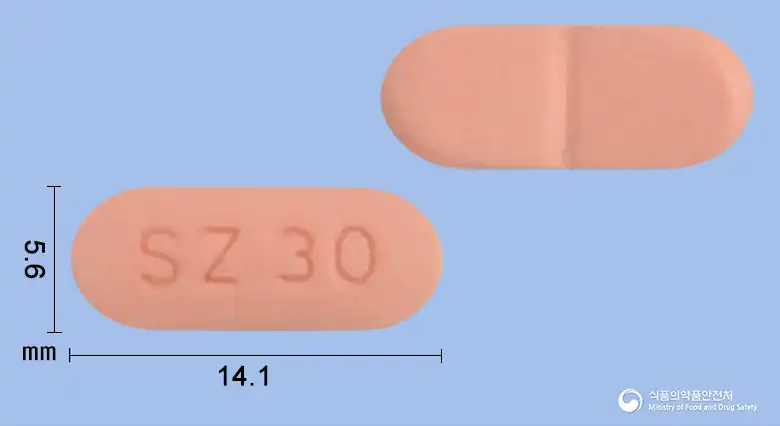
Mirtazapine 30mg
Tablet · Prescription medication
Samil Pharmaceutical Co., Ltd.
Mirtazapine
Prescription medication
Korea Novartis Co., Ltd.
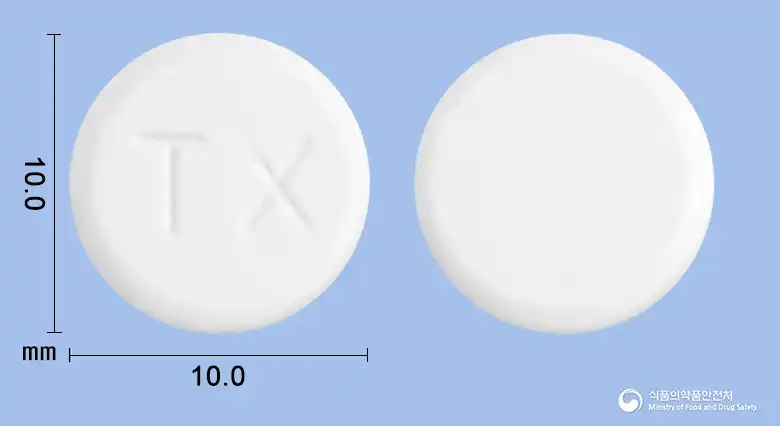
Mirtazapine 30mg
Orally disintegrating Tablet · Prescription medication
Samil Pharmaceutical Co., Ltd.
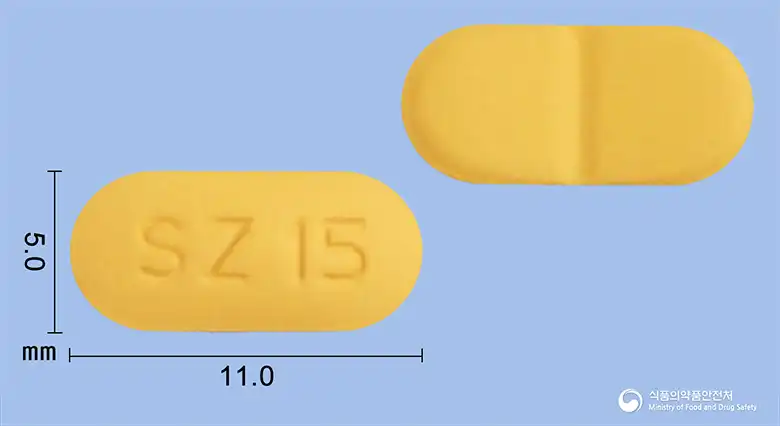
Mirtazapine 15mg
Tablet · Prescription medication
SamIl Pharmaceutical Co., Ltd.
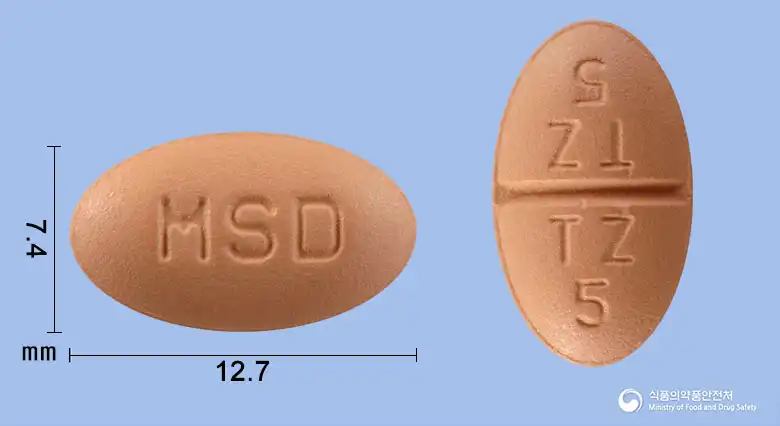
Mirtazapine 30mg
Tablet · Prescription medication
Korea Organon Co., Ltd.
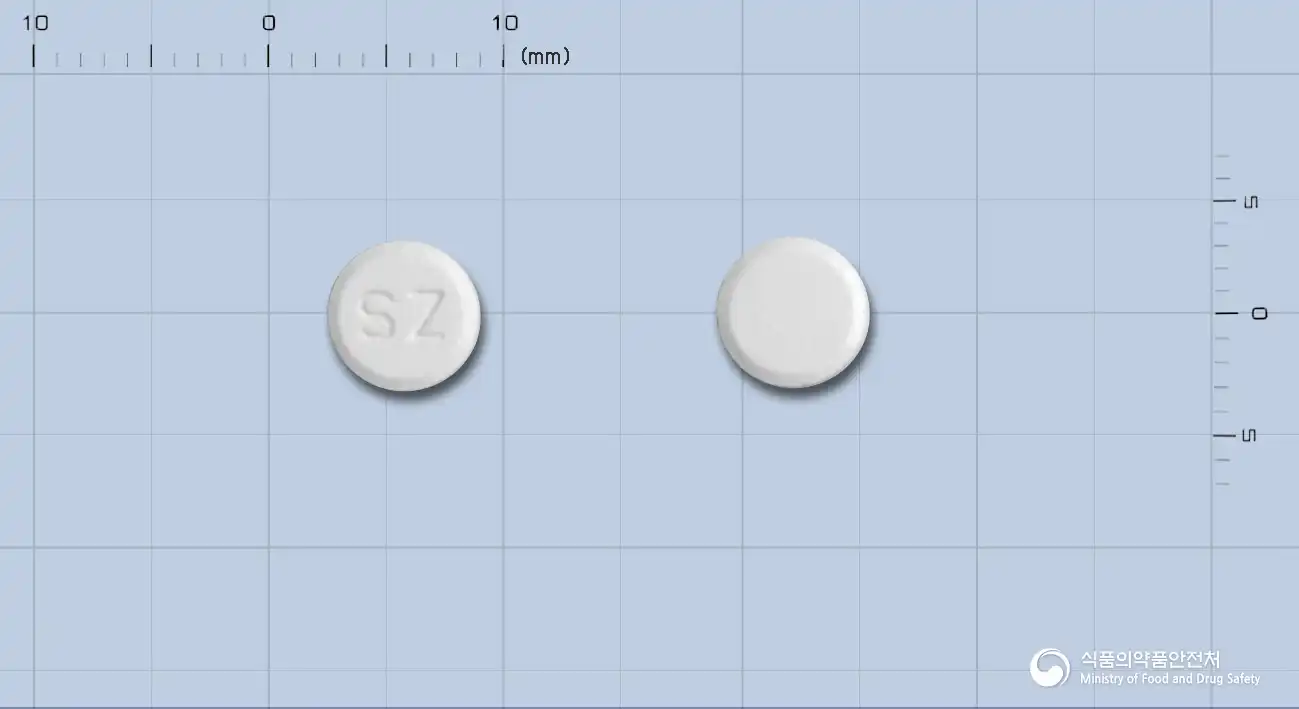
Mirtazapine 15mg
Orally disintegrating Tablet · Prescription medication
Samil Pharmaceutical Co., Ltd.
Even with the same ingredient, the dose and directions can differ by strength and dosage form. Talk to a doctor or pharmacist before switching from a medication you are already taking.
No questions yet.
For anything that needs medical judgment, consult a doctor or pharmacist.
This drug information is based on data provided by the Korea Ministry of Food and Drug Safety.
Consult a doctor or pharmacist for accurate dosage, administration, and usage instructions.