
 한국어
 English
 日本語
 中文(简体)
Summary
- Main use
- Treatment of absence seizures (petit mal seizures)
- Who takes it
- Adults · Children
- Adult dose
- Adults: The initial dose is 2 capsules (500 mg) daily. If the dose is increased, take up to 1000 mg daily in 2~3 divided doses. The dose should be individualized according to the patient's response. Increase the dose in small increments. For example, increase the daily dose by 250 mg every 4~7 days until control is achieved with minimal adverse effects. Subsequent doses may be adjusted based on the efficacy of this drug and measurement of plasma concentrations.
- Child dose
- Children: Take 1~2 capsules (250~500 mg) daily in 1~2 divided doses. The appropriate dose for most children is 20 mg/kg daily. This dose is based on the mean plasma concentration within the therapeutic range of 40~100 ㎍/mL.
Ingredients
- Manufacturer
- Youngpoong Pharmaceutical Co., Ltd.
Efficacy & effects
Treatment of absence seizures (petit mal seizures)
- Absence seizures
- petit mal seizures
View approved original textHide original text
This medication is used for absence seizures, specifically petit mal seizures.
How to take
Adult dose
Adults: The initial dose is 2 capsules (500 mg) daily. If the dose is increased, take up to 1000 mg daily in 2~3 divided doses. The dose should be individualized according to the patient's response. Increase the dose in small increments. For example, increase the daily dose by 250 mg every 4~7 days until control is achieved with minimal adverse effects. Subsequent doses may be adjusted based on the efficacy of this drug and measurement of plasma concentrations.
Child dose
Children: Take 1~2 capsules (250~500 mg) daily in 1~2 divided doses. The appropriate dose for most children is 20 mg/kg daily. This dose is based on the mean plasma concentration within the therapeutic range of 40~100 ㎍/mL.
Precautions
This drug, as an anticonvulsant, carries the risk of inducing suicidal thoughts, suicidal behavior, and mental changes such as depression in patients taking it, so monitoring for these symptoms is essential. Patients with allergic reactions to this drug, severe blood disorders, or porphyria should not take it. Patients with liver or kidney function issues, a history of drug allergies, or mental illness should use this drug with caution. During treatment, symptoms such as skin rash, fever, muscle pain, joint pain, blood abnormalities, drowsiness, dizziness, headache, hallucinations, loss of appetite, nausea, abdominal pain, and vaginal bleeding may occur, so consultation with healthcare professionals should be sought immediately if these symptoms appear. This medication may worsen seizures if used alone in patients with mixed seizure types, and it is important to regularly test liver and kidney functions as well as blood status during long-term use. Drowsiness and decreased concentration may occur during treatment, so it is advisable to avoid hazardous activities such as driving or operating machinery. Like other anticonvulsants, this drug may increase the risk of suicidal thoughts, so careful monitoring from the onset of therapy is necessary. There may be interactions with other medications, so consultation with healthcare professionals is essential, especially when taking alongside phenytoin, carbamazepine, sodium phenobarbital, or valproate. Pregnant women or those who may become pregnant should consult a doctor before taking this medication as it may affect the fetus, and nursing mothers are recommended to discontinue breastfeeding. Its safety and efficacy have not been established for children under 3 years, so it is advisable not to use it in this age group. Elderly patients may have reduced bodily functions, so they need to be monitored more closely when taking this medication. In case of overdose, serious symptoms such as vomiting, respiratory suppression, and coma may appear, requiring immediate emergency treatment, and gastric lavage or dialysis may be necessary if needed. This medication should be stored out of reach of children, and it is safest and better for quality to avoid transferring it to other containers.
Side effects
suicidal thoughts, suicidal behavior, depression, abnormal changes in mood and behavior, hypersensitivity symptoms, photosensitivity, scarlet fever-like rash, measles-like rash, toxic epidermal necrolysis-like rash, mucocutaneous syndrome, fever, rash of the mucous membranes, erythema, necrotizing conjunctivitis, Drug Reaction with Eosinophilia and Systemic Symptoms (DRESS) syndrome, symptoms of systemic lupus erythematosus, myalgia, arthritis, arthralgia, lymphadenopathy, chest pain, leukopenia, eosinophilia, granulocytopenia, aplastic anemia, pancytopenia, thrombocytopenia, drowsiness, dizziness, headache, fatigue, euphoria, delusions, ataxia, hallucinations, depression, nocturnal panic, anxiety, hyperactivity, aggression, decreased attention, decreased concentration, decreased reflexes, sleep disorders, hypersomnia, increased libido, irritability, paranoia, photophobia, loss of appetite, nausea, vomiting, abdominal pain, diarrhea, weight loss, gastric cramps, vaginal bleeding, hematuria, hiccups, tongue swelling, gingival hyperplasia, nausea, depression, respiratory depression, coma
Not everyone experiences these, and they can vary from person to person.
Storage
This medication may be sensitive to air and humidity, so it must be stored in a tightly closed container. It is recommended to maintain storage temperatures between 1°C and 30°C at room temperature. This will help to safely preserve the medication's efficacy over time.
Appearance and packaging
Appearance
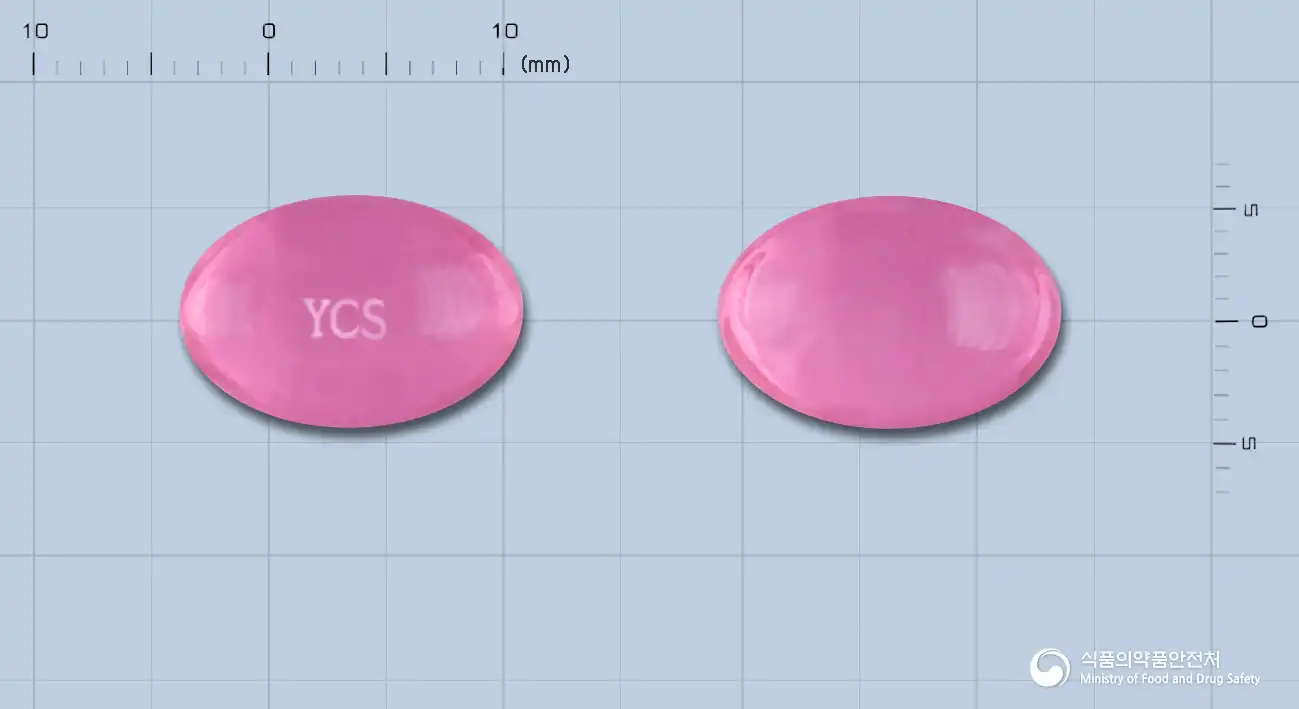
Pink oval soft capsule containing a transparent substance
Package unit
30 capsules/bottle, 100 capsules/bottle
Questions about this medicine
No questions yet.
For anything that needs medical judgment, consult a doctor or pharmacist.