
 한국어
 English
 日本語
 中文(简体)
Summary
- Main use
- Treatment of osteoporosis in postmenopausal women and men
- Who takes it
- Adults · Children
- Adult dose
- Take 1 tablet of this medicine (70 mg/2800 IU or 70 mg/5600 IU) once weekly in the morning with a sufficient amount of water, at least 30 minutes before consuming food, beverages, or other medicines (see “Precautions”). The appropriate dose for most patients with osteoporosis is 70 mg/5600 IU once weekly. The appropriate duration of treatment has not been established. The safety and efficacy of this medicine for the treatment of osteoporosis are based on 4 years of clinical data. The need for continued treatment should be reassessed regularly in all patients receiving bisphosphonates. Discontinuation should be considered after 3~5 years of treatment in patients at low risk of fracture. Patients who discontinue treatment should be regularly reassessed for fracture risk. Consuming food within 30 minutes after taking this medicine or at the same time may reduce the absorption of alendronate in the body and decrease its effectiveness. This medicine should be taken as soon as you get up in the morning and swallowed with a sufficient amount of water (170∼230 mL) to help the medicine reach the stomach quickly and reduce the possibility of esophageal irritation. Do not lie down for at least 30 minutes after taking this medicine and until after the first food intake. Do not take this medicine at bedtime or before getting up. Patients with inadequate dietary intake of calcium and vitamin D should take supplements. Patients at high risk of vitamin D deficiency (e.g., patients over 70 years of age, patients in nursing homes, and patients with chronic diseases) may need additional vitamin D supplementation. Patients with gastrointestinal malabsorption syndromes may require higher doses of vitamin D supplements, and measurement of 25-hydroxyvitamin D levels should be considered. The recommended daily intake of vitamin D is 400 IU to 800 IU. This medicine, taken once weekly, provides a weekly amount equivalent to 400 IU or 800 IU of vitamin D per day. If a patient taking 1 tablet of this medicine forgets to take it on the scheduled day, take 1 tablet the next morning, resume taking it on the originally scheduled day, and then continue taking it regularly once weekly. Do not take 2 tablets on the same day. Use in older adults (65 years and older): No dose adjustment is necessary. Use in patients with renal impairment: No dose adjustment is necessary in patients with mild to moderate renal impairment (creatinine clearance 35∼60 mL/min). However, use of this medicine is not recommended in patients with severe renal impairment (creatinine clearance less than 35 mL/min) because clinical experience is insufficient.
- Child dose
- Children and adolescents (under 18 years): The safety and efficacy in children and adolescents have not been established.
Ingredients
- Manufacturer
- Yuhan Corporation
Efficacy & effects
Treatment of osteoporosis in postmenopausal women and men
- Osteoporosis
View approved original textHide original text
Used for the treatment of osteoporosis in postmenopausal women and men.
How to take
Adult dose
Take 1 tablet of this medicine (70 mg/2800 IU or 70 mg/5600 IU) once weekly in the morning with a sufficient amount of water, at least 30 minutes before consuming food, beverages, or other medicines (see “Precautions”). The appropriate dose for most patients with osteoporosis is 70 mg/5600 IU once weekly. The appropriate duration of treatment has not been established. The safety and efficacy of this medicine for the treatment of osteoporosis are based on 4 years of clinical data. The need for continued treatment should be reassessed regularly in all patients receiving bisphosphonates. Discontinuation should be considered after 3~5 years of treatment in patients at low risk of fracture. Patients who discontinue treatment should be regularly reassessed for fracture risk. Consuming food within 30 minutes after taking this medicine or at the same time may reduce the absorption of alendronate in the body and decrease its effectiveness. This medicine should be taken as soon as you get up in the morning and swallowed with a sufficient amount of water (170∼230 mL) to help the medicine reach the stomach quickly and reduce the possibility of esophageal irritation. Do not lie down for at least 30 minutes after taking this medicine and until after the first food intake. Do not take this medicine at bedtime or before getting up. Patients with inadequate dietary intake of calcium and vitamin D should take supplements. Patients at high risk of vitamin D deficiency (e.g., patients over 70 years of age, patients in nursing homes, and patients with chronic diseases) may need additional vitamin D supplementation. Patients with gastrointestinal malabsorption syndromes may require higher doses of vitamin D supplements, and measurement of 25-hydroxyvitamin D levels should be considered. The recommended daily intake of vitamin D is 400 IU to 800 IU. This medicine, taken once weekly, provides a weekly amount equivalent to 400 IU or 800 IU of vitamin D per day. If a patient taking 1 tablet of this medicine forgets to take it on the scheduled day, take 1 tablet the next morning, resume taking it on the originally scheduled day, and then continue taking it regularly once weekly. Do not take 2 tablets on the same day. Use in older adults (65 years and older): No dose adjustment is necessary. Use in patients with renal impairment: No dose adjustment is necessary in patients with mild to moderate renal impairment (creatinine clearance 35∼60 mL/min). However, use of this medicine is not recommended in patients with severe renal impairment (creatinine clearance less than 35 mL/min) because clinical experience is insufficient.
Child dose
Children and adolescents (under 18 years): The safety and efficacy in children and adolescents have not been established.
Precautions
This medication can irritate the gastrointestinal mucosa, potentially resulting in issues such as esophagitis or esophageal ulcers. After taking, always take with a sufficient amount of water, and do not lie down for at least 30 minutes after taking. If difficulty swallowing or symptoms such as chest pain or heartburn occur, discontinue use immediately and consult a doctor. Patients with diseases that delay esophageal clearance or those who are unable to sit or stand for more than 30 minutes should not take this medication. Also, patients with an allergy to any component of this medication or those with hypocalcemia or certain genetic disorders should avoid use. While taking this medication, gastrointestinal disturbances, muscle pain, headache, dizziness, and other side effects may occur; if abnormal symptoms persist, inform your doctor. If calcium intake is low, it is recommended to take supplements, and patients at high risk of vitamin D deficiency may need additional supplements. This medication should be used with caution during pregnancy and should be used with care in breastfeeding women. Not for use in children. Not recommended for patients with severely impaired renal function. When taking other medications, be cautious of drug interactions, especially with calcium supplements or antacids, and maintain an appropriate interval between doses. In case of overdose, hypocalcemia or gastrointestinal disturbances may occur, so contact a medical institution immediately. This medication should be stored out of reach of children, and it is safer not to transfer it to other containers.
Side effects
esophagitis, esophageal ulcer, esophageal erosion, esophageal obstruction, esophageal perforation, bleeding, dysphagia, odynophagia, retrosternal pain, heartburn, abdominal pain, nausea, dyspepsia, constipation, diarrhea, flatulence, acid reflux, vomiting, abdominal distension, gastritis, musculoskeletal (bone, muscle, or joint) pain, muscle cramps, headache, dizziness, taste disturbance, rash, erythema, anastomotic ulcer, hives, angioedema, myalgia, malaise, weakness, fever, symptoms of hypocalcemia, peripheral edema, oropharyngeal ulcer, gastric ulcer, duodenal ulcer, localized jaw necrosis, joint edema, low-energy fractures of the femoral shaft and other bones, itching, hair loss, Stevens-Johnson syndrome, toxic epidermal necrolysis, uveitis, scleritis, episcleritis, cholesteatoma of the external auditory canal, nasopharyngitis
Not everyone experiences these, and they can vary from person to person.
Storage
This medication is sensitive to air and moisture, so it must be stored in a well-sealed container. Additionally, it is advisable to store it at room temperature between 1 degree and 30 degrees Celsius, kept in a dark place to avoid direct light.
Appearance and packaging
Appearance
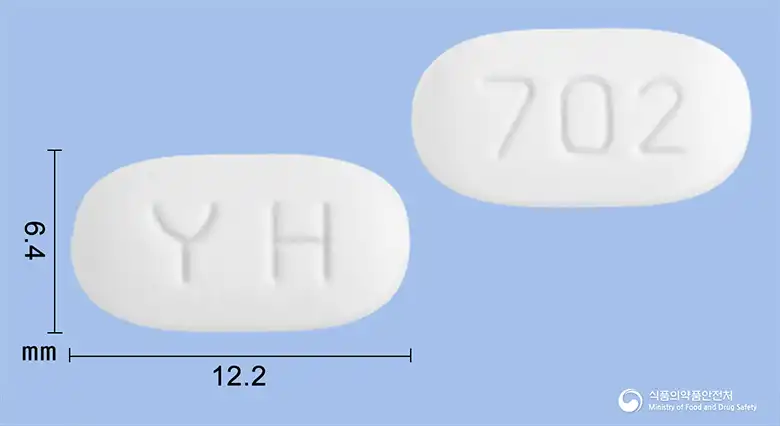
White to whitish oblong tablets
Package unit
4 tablets/PTP
Questions about this medicine
No questions yet.
For anything that needs medical judgment, consult a doctor or pharmacist.