
 한국어
 English
 日本語
 中文(简体)
Dosage form image
Viewing nowEsmonte 4 mg (Montelukast Sodium)
Montelukast Sodium 4.16mg
Prescription medication
Kolin Pharmaceutical Co., Ltd.
MFDS item code 201109282 · Approved 2011.10.31 · Insurance code 670303391
Prophylaxis and ongoing treatment of asthma, relief of symptoms of allergic rhinitis (seasonal and perennial)
This medication is used to prevent asthma and to treat asthma symptoms over a long period. It also helps relieve the symptoms of seasonal and perennial allergic rhinitis. Therefore, it is effective in improving discomfort caused by asthma and allergic rhinitis.
This medicine should be taken once daily. Patients with asthma should take it in the evening, while the dosing time for patients with allergic rhinitis should be determined according to the patient's condition. Patients with both asthma and allergic rhinitis should take 1 sachet once daily in the evening. This medicine, 4 mg granules, may be taken directly by mouth or mixed with a small amount (approximately 5 mL) of soft food, such as room-temperature or cooler infant food, breast milk, or porridge. Do not open the sachet until immediately before use. After opening, take the entire contents immediately (within 15 minutes), either mixed with infant food, breast milk, or food, or on its own. Do not leave this medicine mixed with infant food, breast milk, or food for an extended period; discard any remainder. This formulation is not intended to be mixed with beverages other than infant food or breast milk, but it is acceptable to drink a beverage immediately after taking it. This medicine may be taken with or without food.
Asthma — Children 2~5 years of age: Administer 4 mg orally once daily as montelukast. Asthma — Infants 12 months~under 2 years of age: Administer 4 mg orally once daily in the evening as this medicine. Asthma — Efficacy and safety for asthma have not been established in infants under 12 months of age. Allergic rhinitis — Children 2~5 years of age: Administer 4 mg orally once daily as montelukast. Seasonal allergic rhinitis — Efficacy and safety for seasonal allergic rhinitis have not been established in infants under 2 years of age. Perennial allergic rhinitis — Infants 6 months~under 2 years of age: Administer 4mg orally once daily as this medicine. Perennial allergic rhinitis — Efficacy and safety for perennial allergic rhinitis have not been established in infants under 6 months of age.
This medication is used for treating asthma and allergic rhinitis. During treatment with this medication, psychiatric symptoms may appear, such as anxiety, depression, hallucinations, and suicidal thoughts; if any of these symptoms occur, consult your doctor immediately. Patients with a known allergy to this medication or its components should not take it. Side effects such as fatigue, headache, indigestion, cough, and rash may occur after taking this medication; if abnormal symptoms persist, inform your doctor. This medication is not intended for use as an immediate treatment for acute asthma attacks, so always carry an emergency inhaler. Patients with hypersensitivity to aspirin or non-steroidal anti-inflammatory drugs should avoid using these medications while taking this drug. If you are pregnant or breastfeeding, you must consult a doctor before taking this medication, and it is advisable to avoid use if the necessity is not clear. When administering to children, safety and efficacy may vary based on age; therefore, follow your doctor's instructions. In case of overdose, there is no specific antidote, so appropriate treatment based on symptoms is important. This medication is sensitive to light, so do not open the package until right before taking it, and if opened, take it immediately. Store in a place out of reach of children and do not transfer to another container. While taking this medication, do not reduce or stop other asthma treatments without a doctor's direction, and consult your doctor immediately if asthma symptoms worsen.
Not everyone experiences these, and they can vary from person to person.
This medication is sensitive to moisture and light, so it should be stored in a dry, dark place. The optimal storage temperature is between 1 and 30 degrees Celsius, and it should be kept in a container that seals well to prevent air from entering.
White, homogeneous granules without foreign substances
28 sachets
Even with the same ingredient, strength, dosage form and how it is taken can differ.
Montelukast Sodium 4.16mg
Prescription medication
Kolin Pharmaceutical Co., Ltd.
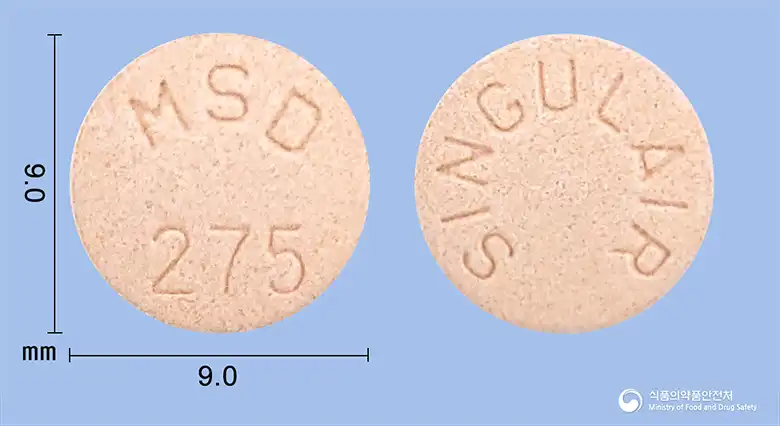
Montelukast Sodium 5.2mg
Chewable Tablet · Prescription medication
Korea Organon Co., Ltd.
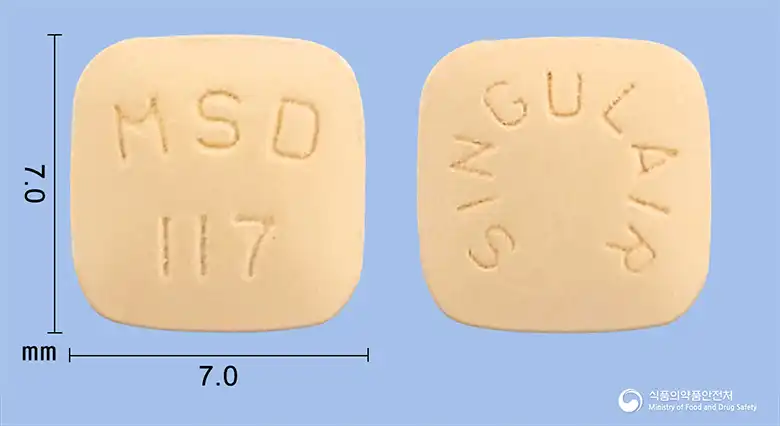
Montelukast Sodium 10.4mg
Tablet · Prescription medication
Korea Organon Co., Ltd.
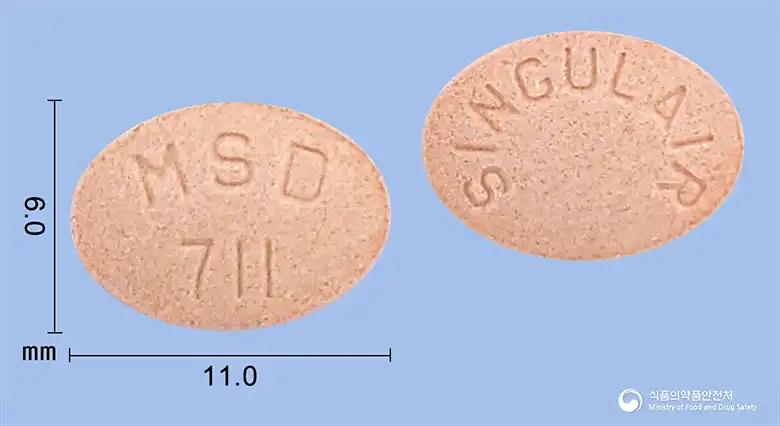
Montelukast Sodium 4.16mg
Chewable Tablet · Prescription medication
Korea Organon Co., Ltd.
Montelukast Sodium 4.16mg
Prescription medication
Korea Organon Co., Ltd.
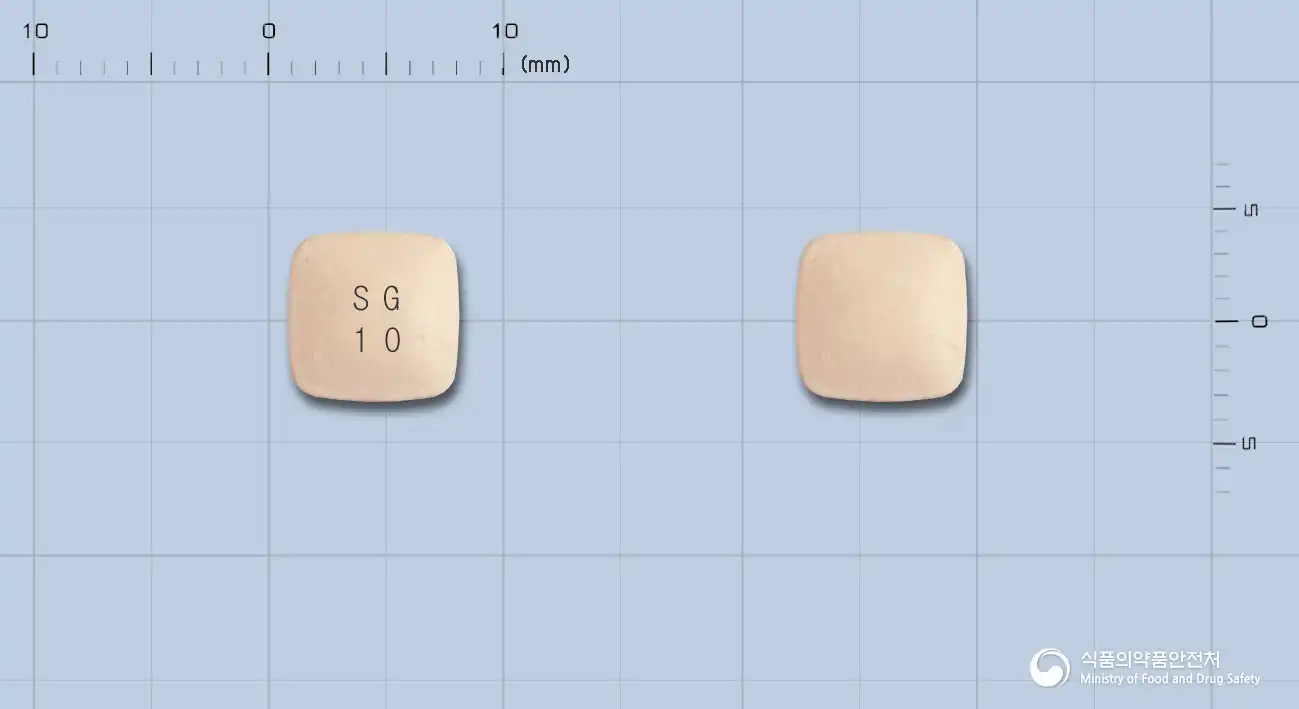
Montelukast Sodium 10.4mg
Tablet · Prescription medication
JW Pharmaceutical Co., Ltd.
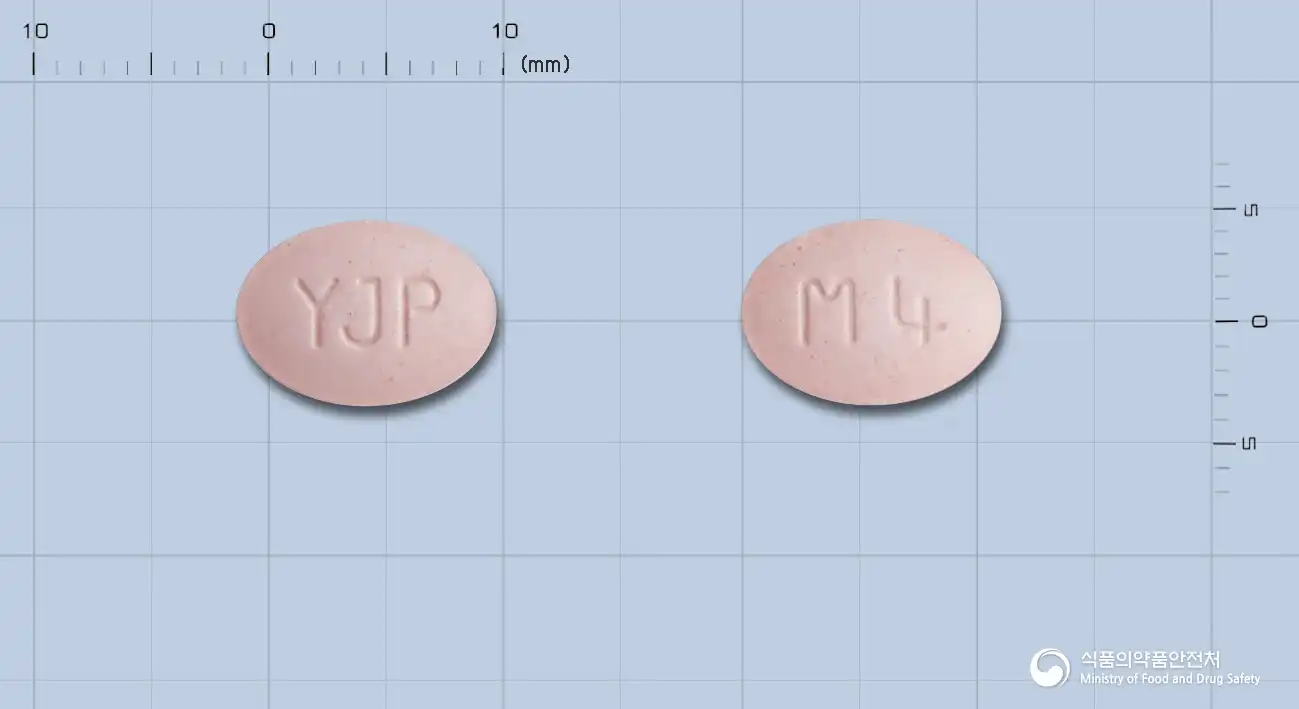
Montelukast Sodium 4.16mg
Chewable Tablet · Prescription medication
Youngjin Pharmaceutical Co., Ltd.
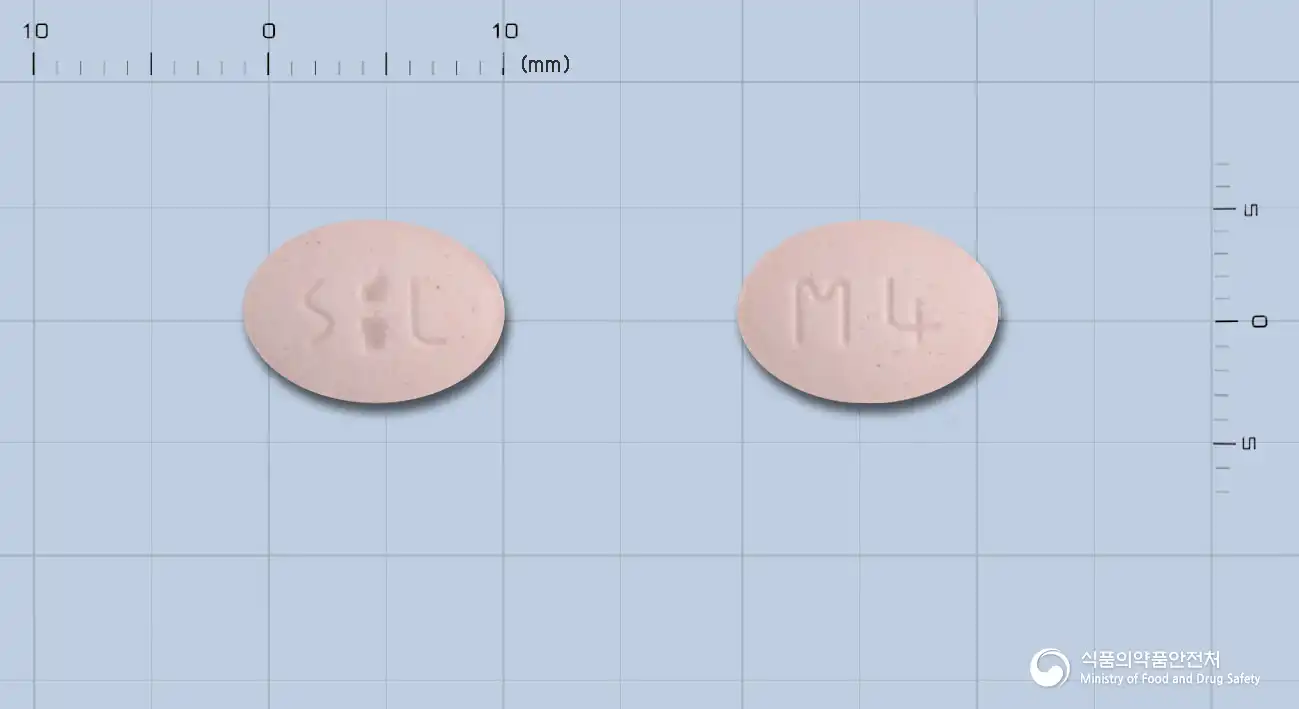
Montelukast Sodium 4.16mg
Chewable Tablet · Prescription medication
Samil Pharmaceutical Co., Ltd.
Even with the same ingredient, the dose and directions can differ by strength and dosage form. Talk to a doctor or pharmacist before switching from a medication you are already taking.
No questions yet.
For anything that needs medical judgment, consult a doctor or pharmacist.
This drug information is based on data provided by the Korea Ministry of Food and Drug Safety.
Consult a doctor or pharmacist for accurate dosage, administration, and usage instructions.