
 한국어
한국어 English
 日本語
日本語 中文(简体)
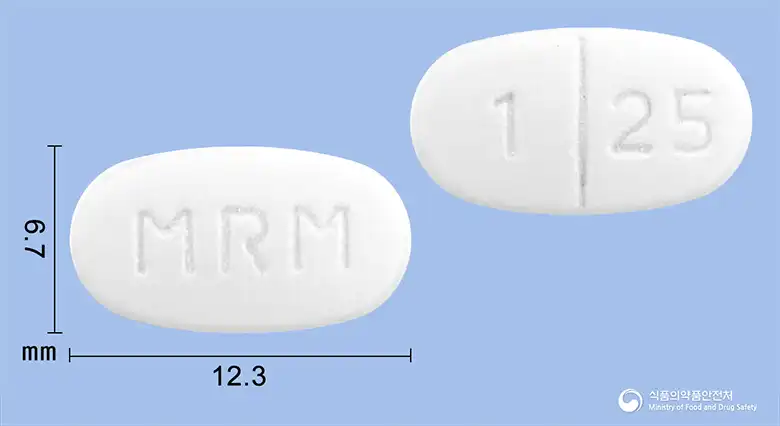 Viewing nowCombination
Miaril M Tablet 1/250mg
Glimepiride 1mg · Metformin Hydrochloride 250mg
Tablet · Prescription medication · Combination
Jinyang Pharmaceutical Co., Ltd.
MFDS item code 201107542 · Approved 2011.09.30 · Insurance code 650302800
Improvement of blood sugar control in type 2 diabetes
This medicine helps control blood sugar levels in patients with type 2 diabetes by aiding meal therapy and exercise therapy. It is particularly used for those suited for combination therapy with glimepiride and metformin. This medicine effectively lowers blood sugar levels, assisting in diabetes management. With consistent use, it greatly helps improve blood sugar control and maintain a healthy lifestyle.
This medicine is administered 1 to 2 times a day before meals or with meals. The dosage can be adjusted based on each patient's current therapy, efficacy, and tolerability, and appropriate blood sugar monitoring should be conducted for this purpose. Typically, treatment begins with a low dose, and the dose can be adjusted according to the patient's current medication and blood sugar levels. In clinical trials, the initial daily dose was glimepiride/metformin hydrochloride.
This medicine can cause severe lactic acidosis or hypoglycemia, so administration should be temporarily suspended if there is a rapid decline in kidney function or signs of dehydration. It should not be used in patients with a kidney function of less than 45 mL/min/1.73 m2, and caution is needed in situations where kidney function may change. Additionally, it should be used carefully in patients at risk of cardiovascular disease, considering the potential for increased cardiovascular mortality. This medicine is not administered to patients with insulin-dependent diabetes, acute metabolic acidosis, severe liver dysfunction, pregnant or breastfeeding women, and severe renal impairment. Caution is also needed in patients with excessive alcohol intake, severe infections, or malnutrition. During the initial stages of treatment, there is a high risk of hypoglycemia, so the patient's condition should be carefully monitored, and immediate action should be taken if hypoglycemic symptoms arise. It is important to regularly check blood sugar levels, kidney function, hematological tests, and vitamin B12 levels while taking this medicine. Moreover, there may be drug interactions, so consultation with a doctor or pharmacist is required if other medications are taken concurrently. In cases of pregnancy or breastfeeding, switching to insulin therapy is recommended instead of this medicine. When administering to children or the elderly, careful monitoring and dose adjustment are necessary. In case of overdose, hypoglycemic symptoms may appear, and immediate medical attention is needed; in severe cases, blood dialysis may be required. This medicine should be stored out of the reach of children, and it is advised not to transfer it to other containers.
Gastrointestinal symptoms (diarrhea, nausea, vomiting, abdominal bloating, loss of appetite, indigestion, constipation, abdominal pain), discomfort or metallic taste, visual impairment, taste disturbance, rash, itching, thrombocytopenia, leukopenia, hemolytic anemia, anemia, agranulocytosis, pancytopenia, decrease in vitamin B12 and peripheral neuropathy, increased liver enzymes, hepatitis, liver damage, allergic vasculitis, skin photosensitivity.
Not everyone experiences these, and they can vary from person to person.
This medicine should be stored in a tightly closed container to prevent air from entering, and it is better to keep it at room temperature between 1 and 30 degrees Celsius. Proper storage maintains the effectiveness of the medicine and prevents deterioration.
White rectangular film-coated tablet
30 tablets/bottle, 300 tablets/bottle
Even with the same ingredient, strength, dosage form and how it is taken can differ.
Viewing nowCombinationGlimepiride 1mg · Metformin Hydrochloride 250mg
Tablet · Prescription medication · Combination
Jinyang Pharmaceutical Co., Ltd.
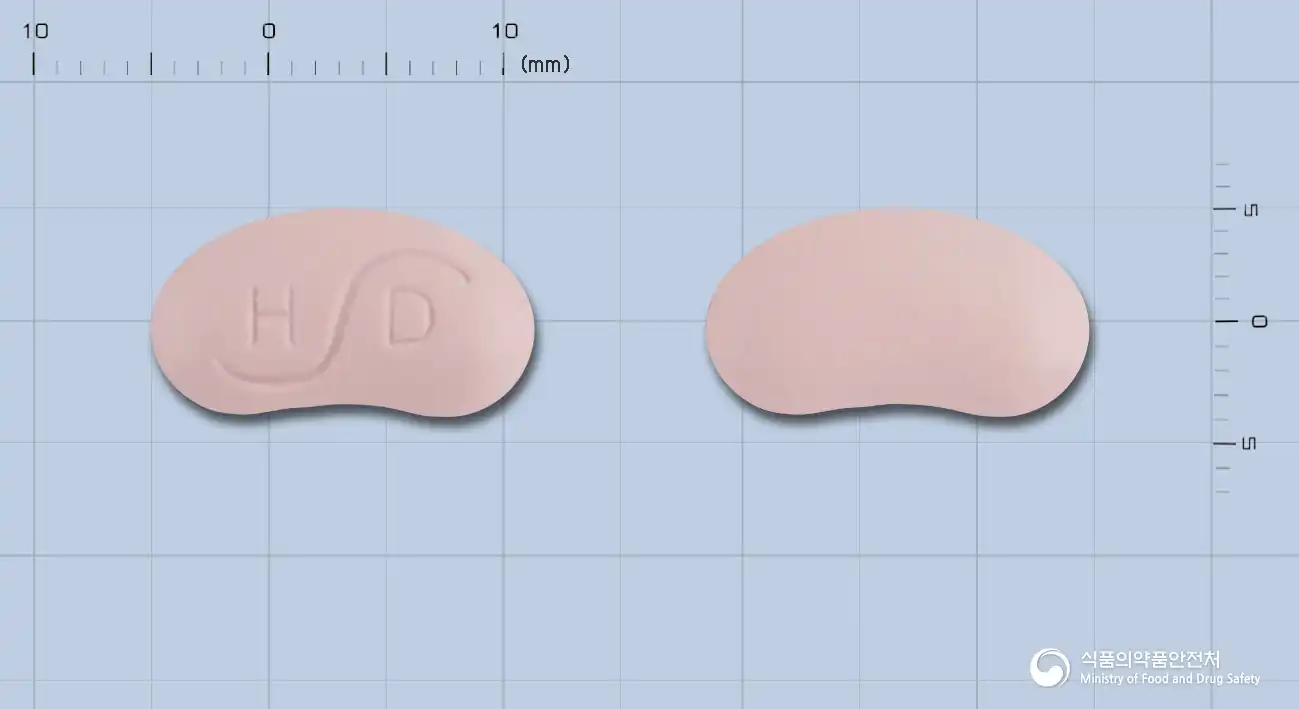 Combination
Metformin Hydrochloride 500mg · Glimepiride 1mg
Tablet · Prescription medication · Combination
Hanmi Pharmaceutical Co., Ltd.
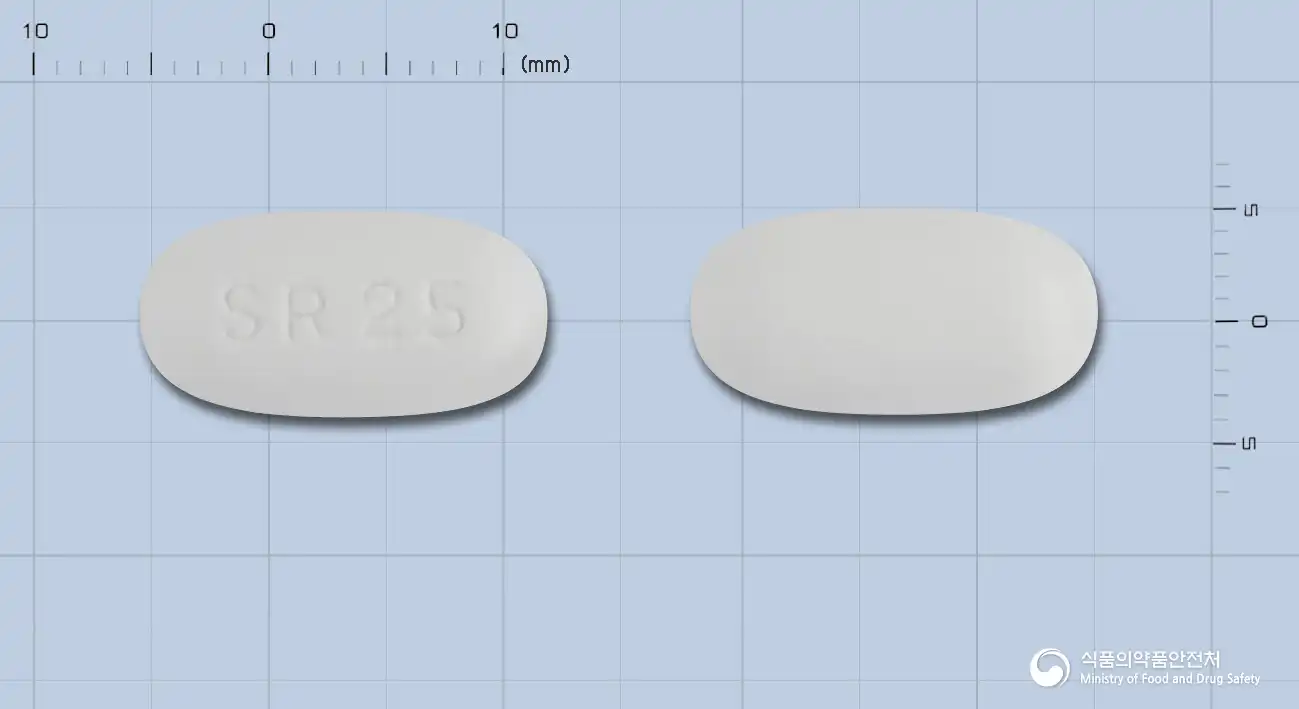 Combination
Metformin Hydrochloride 500mg · Glimepiride 2mg
Tablet · Prescription medication · Combination
Handok Co., Ltd.
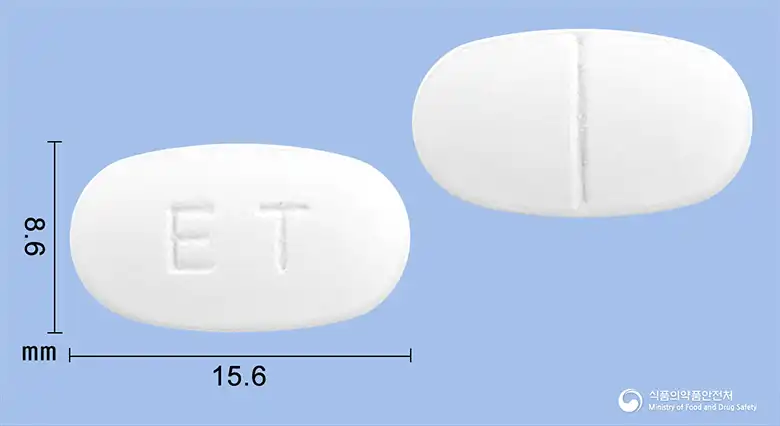 Combination
Metformin Hydrochloride 500mg · Glimepiride 2mg
Tablet · Prescription medication · Combination
Teragen Etex Co., Ltd.
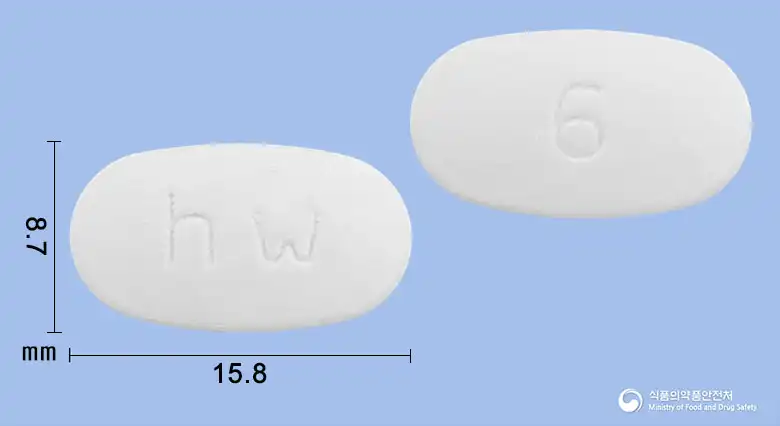 Combination
Glimepiride 2mg · Metformin Hydrochloride 500mg
Tablet · Prescription medication · Combination
Hawon Pharmaceutical Co., Ltd.
Metformin Hydrochloride 500mg · Glimepiride 2mg
Tablet · Prescription medication · Combination
TDS Pharm Co., Ltd.
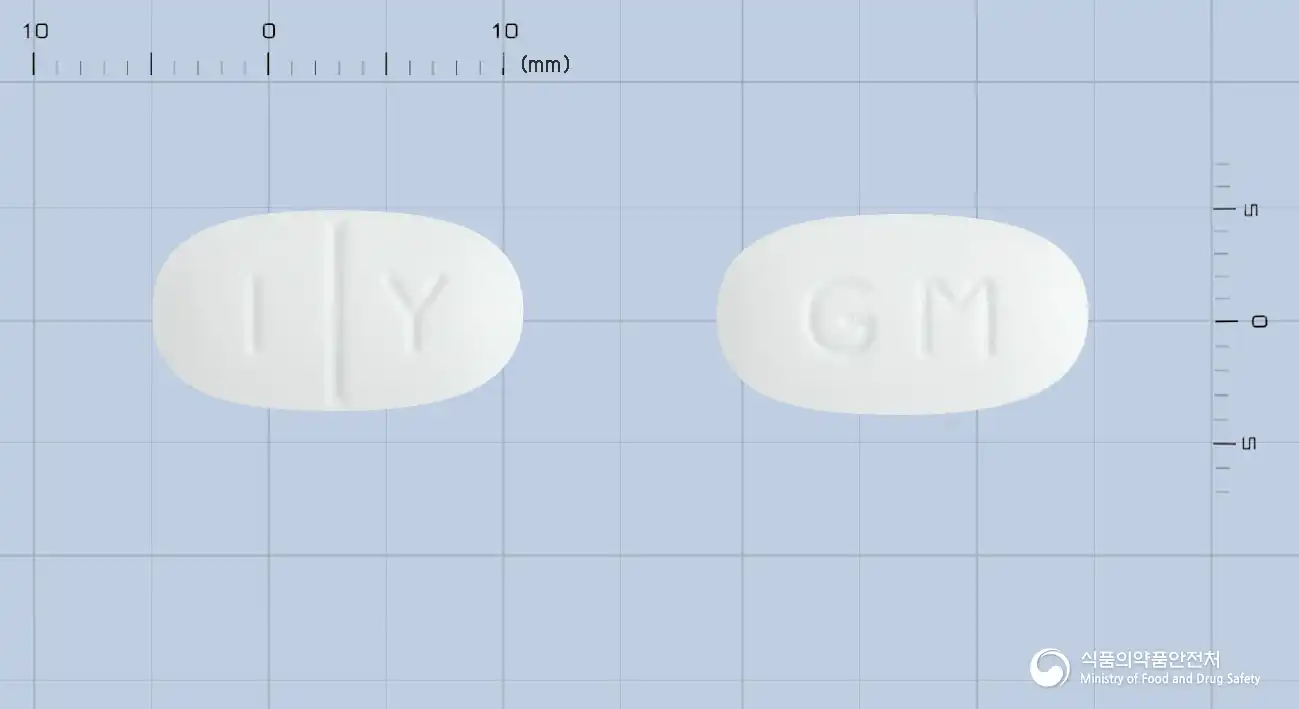 Combination
Glimepiride 2mg · Metformin Hydrochloride 500mg
Tablet · Prescription medication · Combination
Il Yang Pharmaceutical Co., Ltd.
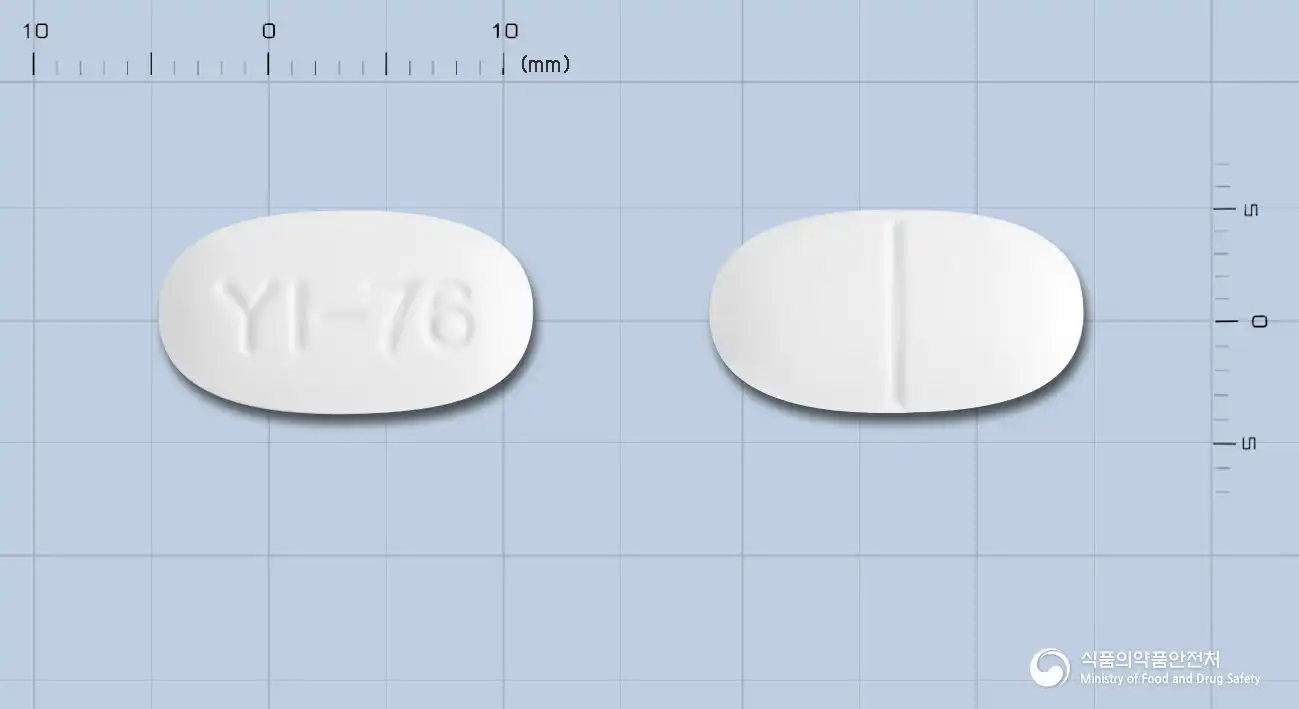 Combination
Glimepiride 2mg · Metformin Hydrochloride 500mg
Tablet · Prescription medication · Combination
Youngil Pharmaceutical Co., Ltd.
Even with the same ingredient, the dose and directions can differ by strength and dosage form. Talk to a doctor or pharmacist before switching from a medication you are already taking.
No questions yet.
For anything that needs medical judgment, consult a doctor or pharmacist.
This drug information is based on data provided by the Korea Ministry of Food and Drug Safety.
Consult a doctor or pharmacist for accurate dosage, administration, and usage instructions.