
 한국어
한국어 English
 日本語
日本語 中文(简体)
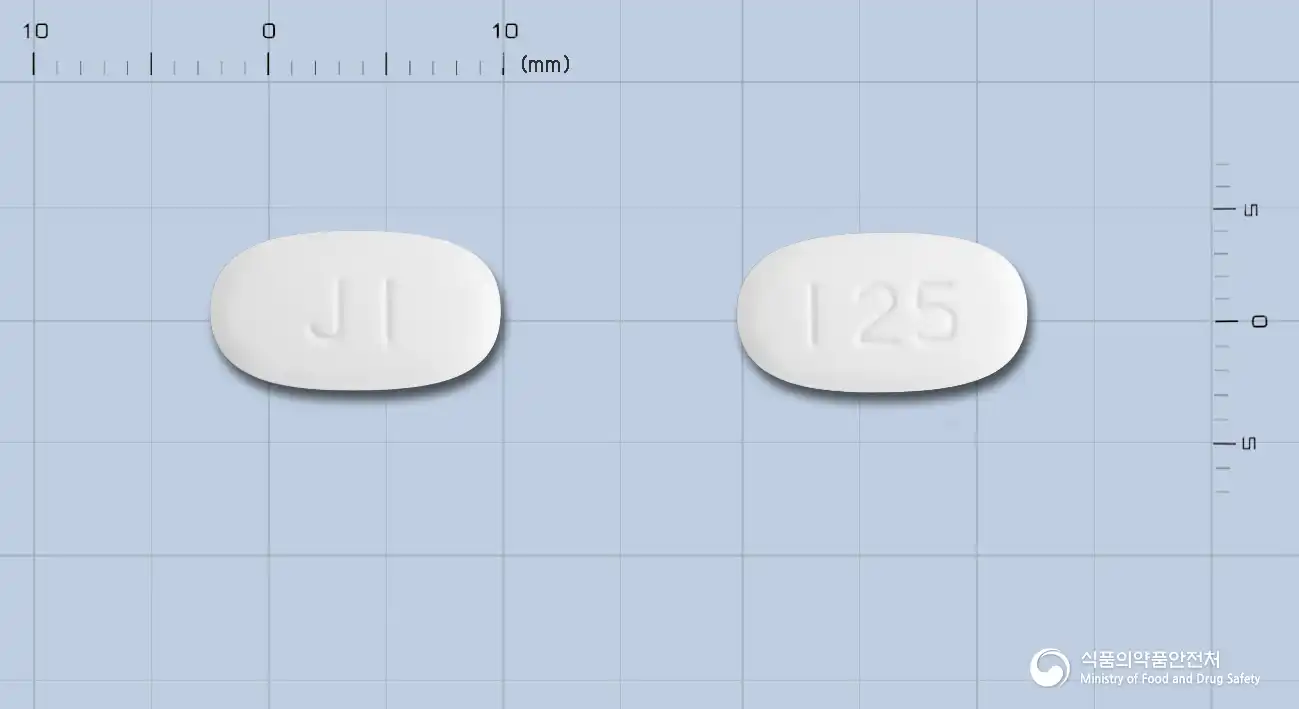 Viewing nowCombination
Metmaril Tablet 1/250 mg
Glimepiride 1mg · Metformin Hydrochloride 250mg
Tablet · Prescription medication · Combination
Jeil Pharmaceutical Co., Ltd.
MFDS item code 201107511 · Approved 2011.09.29 · Insurance code 645403580
Improvement in blood sugar control for type 2 diabetes
This medication is used to improve blood sugar control in patients with type 2 diabetes in conjunction with diet and exercise therapy. The active ingredients glimepiride and metformin work together to effectively lower blood sugar levels. Consistent use by the patient is expected to yield positive results in blood sugar management.
This medication is administered 1-2 times daily before or with meals. Typically, treatment is initiated at a low dosage, and the dose can be adjusted based on the patient's current medication regimen and blood glucose levels. In clinical trials, the initial daily dosage was glimepiride/metformin hydrochloride 2mg/500mg, and based on blood glucose monitoring results, the dosage can be gradually increased up to glimepiride/metformin hydrochloride 8mg/2000mg.
This medication may cause severe lactic acidosis or hypoglycemia; therefore, if renal function deteriorates rapidly, use should be discontinued and a physician consulted. Caution is especially needed when this medication is used in patients with dehydration symptoms or those taking medications that may affect renal function; if conditions worsen, medical attention should be sought immediately. In some patients with cardiovascular disease, the use of this medication may increase the risk of death, so thorough consultation with a physician is necessary before treatment. Insulin-dependent diabetes patients, those with acute metabolic acidosis, severe liver dysfunction, pregnant or nursing women should not take this medication. Elderly patients, those in a state of malnutrition, and patients with irregular eating habits are advised to closely monitor blood sugar changes when taking this medication due to the high risk of hypoglycemia. Gastrointestinal disturbances may occur at the start of treatment but are mostly transient, and symptoms may improve with ingestion during meals. This medication can decrease vitamin B12 levels, so regular blood tests to monitor vitamin levels are necessary with prolonged use. Due to multiple drug interactions, if other medications are being taken, it is essential to inform the physician or pharmacist, especially when used in conjunction with drugs affecting renal function. In pregnant or nursing individuals, insulin therapy is preferred over this medication, and women planning pregnancy should consult healthcare professionals in advance. The safety and efficacy of this medication in children and adolescents have not been sufficiently verified, so caution is required in their use. Overdose may lead to severe hypoglycemia or lactic acidosis; therefore, strict adherence to prescribed doses is mandatory and immediate medical attention should be sought in case of any unusual symptoms. During the use of this medication, regular meals, exercise, and periodic monitoring of blood sugar and renal function are important, and any sudden changes in health status should prompt immediate consultation with a physician. When driving or operating machinery, caution is necessary due to potential hypoglycemia or other side effects; if symptoms occur, immediate cessation of activity and appropriate measures should be taken. Keep out of reach of children, and do not transfer the medication to another container.
Hives, difficulty breathing, severe swelling (edema), hypotension, severe neurological symptoms due to hypoglycemia (headache, coma, seizure, loss of consciousness, paralysis, vision abnormalities, confusion), lactic acidosis, liver abnormalities (jaundice, liver dysfunction, hepatitis), cardiac arrest, increased cardiovascular mortality, thrombocytopenic purpura, pulmonary infarction, renal dysfunction, shock, heart failure, acute myocardial infarction, respiratory distress, severe allergic reactions (difficulty breathing, low blood pressure
Not everyone experiences these, and they can vary from person to person.
This medication should be stored in a tightly closed container to prevent air ingress and kept at room temperature between 1 degree Celsius and 30 degrees Celsius. Proper storage can help maintain the effectiveness of the medication for a longer period.
White oblong film-coated tablet
30 tablets (10 tablets/PTP*3)
Even with the same ingredient, strength, dosage form and how it is taken can differ.
Viewing nowCombinationGlimepiride 1mg · Metformin Hydrochloride 250mg
Tablet · Prescription medication · Combination
Jeil Pharmaceutical Co., Ltd.
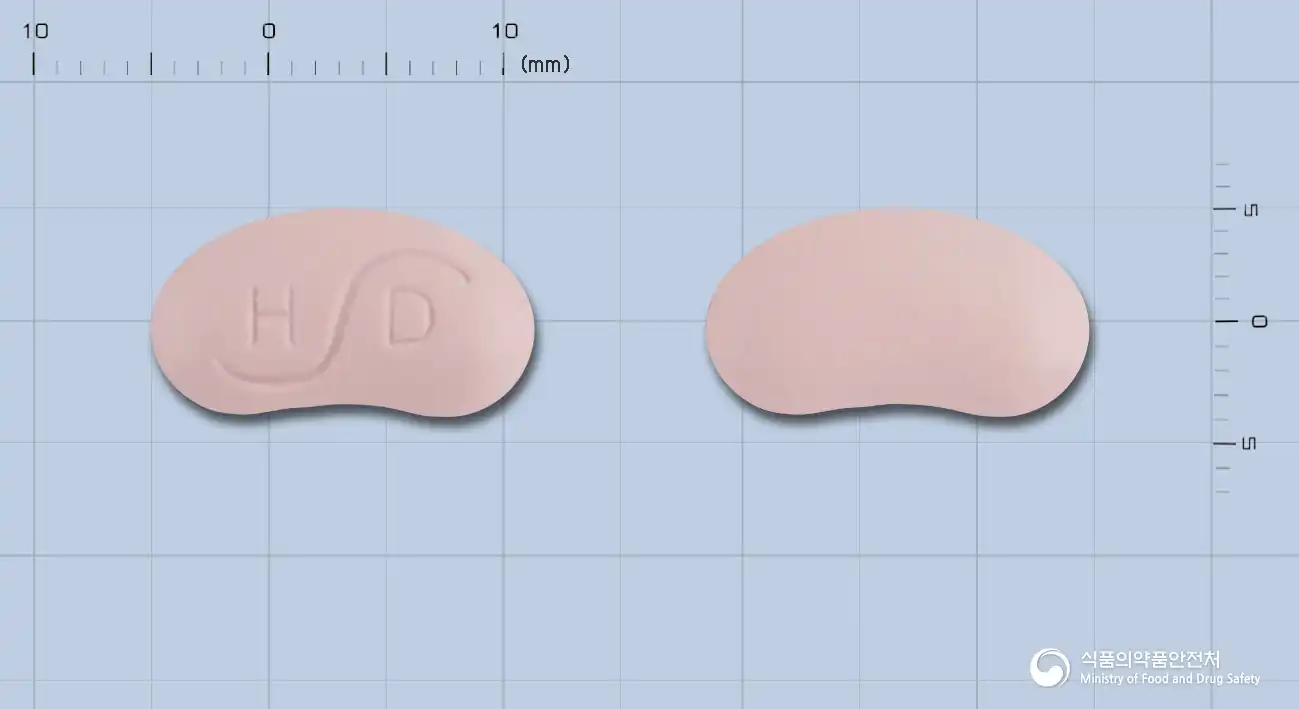 Combination
Metformin Hydrochloride 500mg · Glimepiride 1mg
Tablet · Prescription medication · Combination
Hanmi Pharmaceutical Co., Ltd.
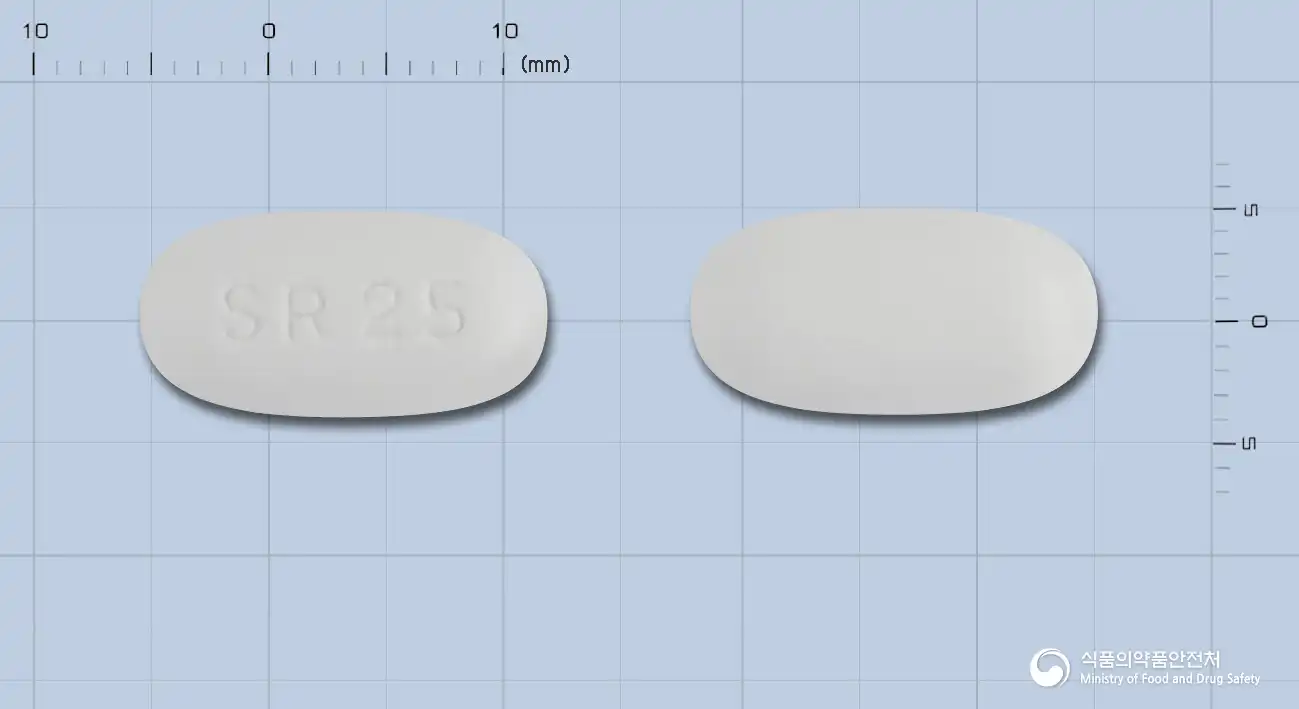 Combination
Metformin Hydrochloride 500mg · Glimepiride 2mg
Tablet · Prescription medication · Combination
Handok Co., Ltd.
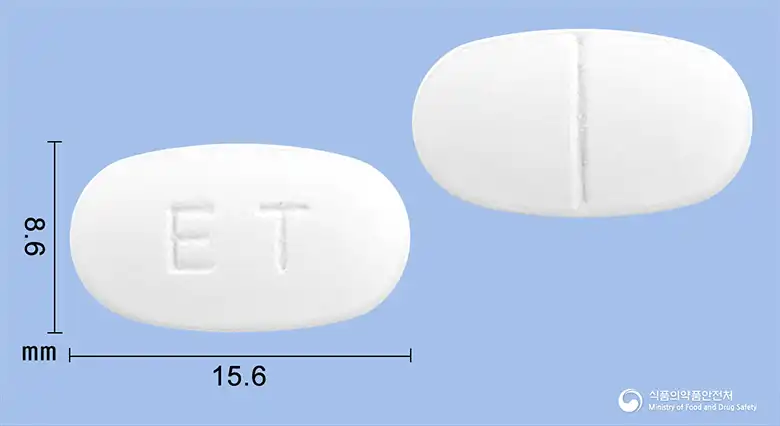 Combination
Metformin Hydrochloride 500mg · Glimepiride 2mg
Tablet · Prescription medication · Combination
Teragen Etex Co., Ltd.
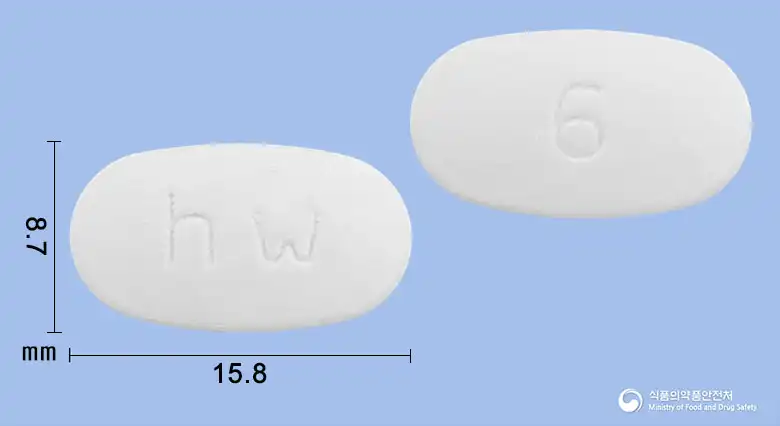 Combination
Glimepiride 2mg · Metformin Hydrochloride 500mg
Tablet · Prescription medication · Combination
Hawon Pharmaceutical Co., Ltd.
Metformin Hydrochloride 500mg · Glimepiride 2mg
Tablet · Prescription medication · Combination
TDS Pharm Co., Ltd.
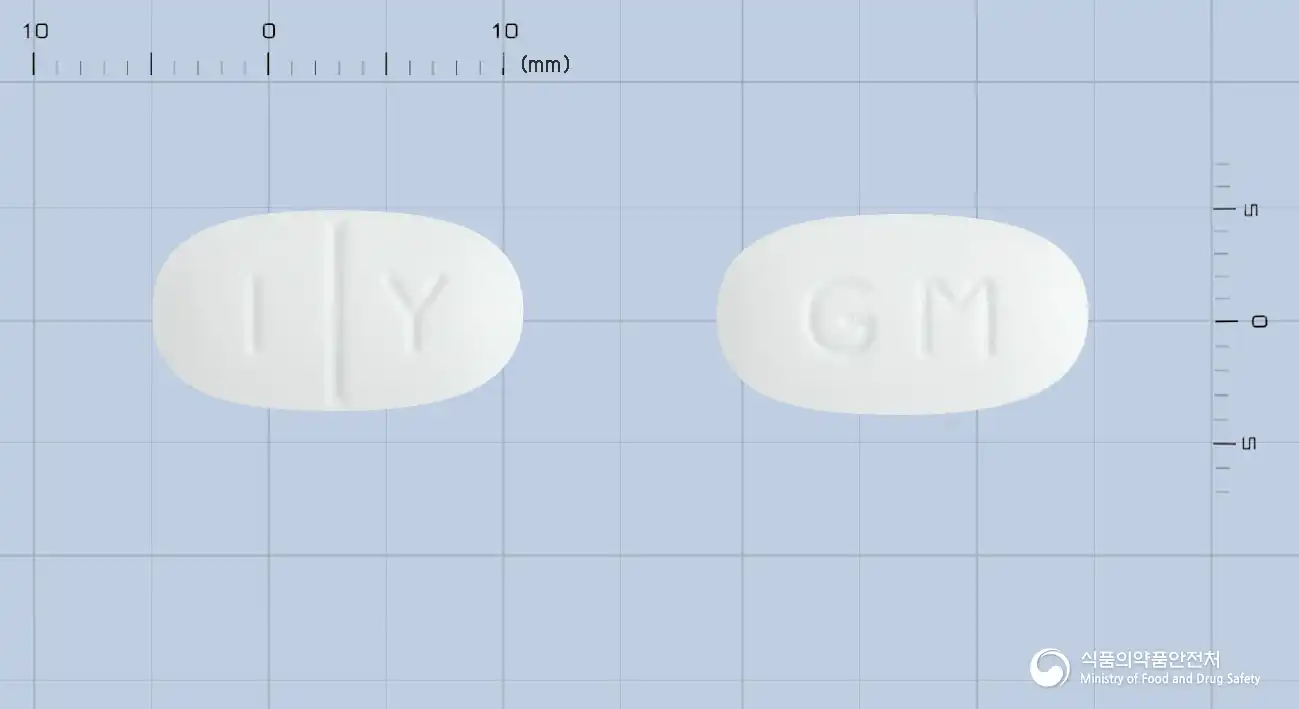 Combination
Glimepiride 2mg · Metformin Hydrochloride 500mg
Tablet · Prescription medication · Combination
Il Yang Pharmaceutical Co., Ltd.
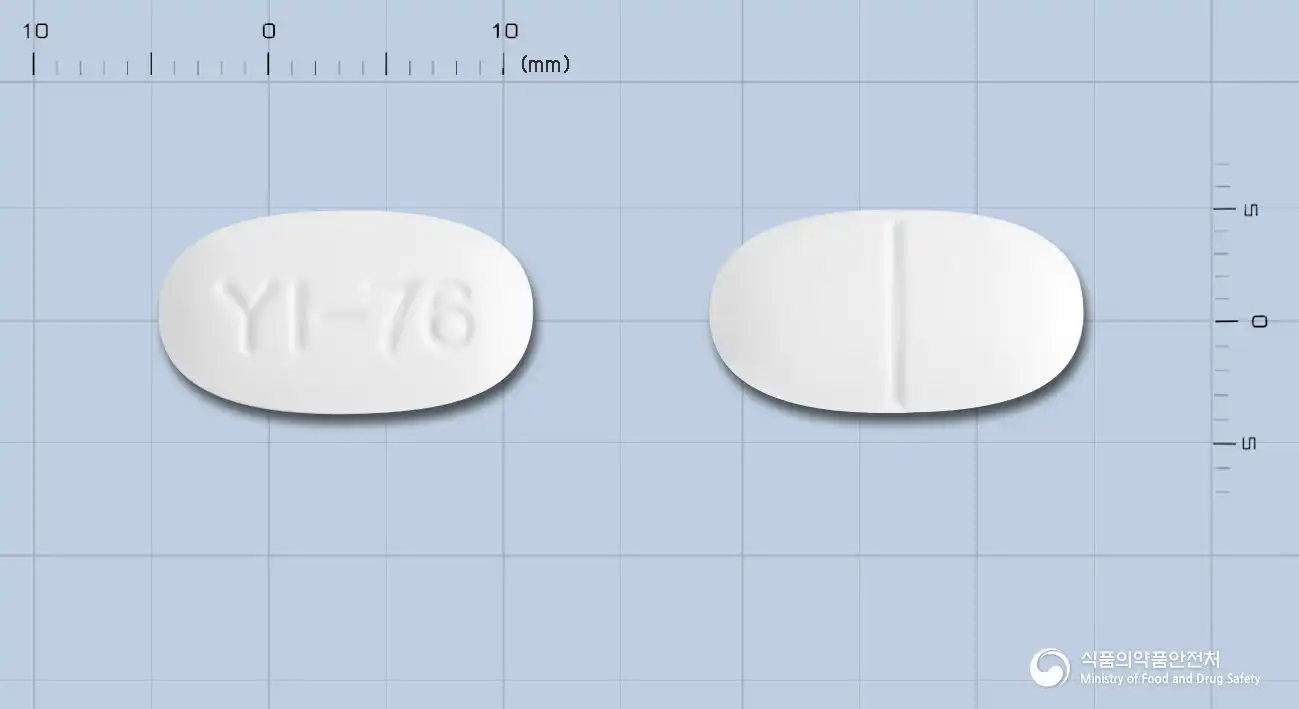 Combination
Glimepiride 2mg · Metformin Hydrochloride 500mg
Tablet · Prescription medication · Combination
Youngil Pharmaceutical Co., Ltd.
Even with the same ingredient, the dose and directions can differ by strength and dosage form. Talk to a doctor or pharmacist before switching from a medication you are already taking.
No questions yet.
For anything that needs medical judgment, consult a doctor or pharmacist.
This drug information is based on data provided by the Korea Ministry of Food and Drug Safety.
Consult a doctor or pharmacist for accurate dosage, administration, and usage instructions.