
 한국어
한국어 English
 日本語
日本語 中文(简体)
 Viewing nowCombination
Metmaril Tablet 2/500 mg
Glimepiride 2mg · Metformin Hydrochloride 500mg
Tablet · Prescription medication · Combination
Jeil Pharmaceutical Co., Ltd.
MFDS item code 201107510 · Approved 2011.09.29 · Insurance code 645403590
Improvement of blood sugar control in type 2 diabetes
This medication helps patients with type 2 diabetes achieve more effective blood sugar control in conjunction with diet and exercise. The combination of glymepiride and metformin helps manage blood sugar levels consistently. Therefore, this medication is used for the improvement of blood sugar control in type 2 diabetes.
This medication should be taken just before or with meals, 1 to 2 times daily. Treatment typically starts at a low dosage, with dosage adjustments made according to the patient's current medication and blood sugar levels. In clinical trials, the initial dosage was glymepiride/metformin hydrochloride 2 mg/500 mg per day, and adjustments were made gradually according to blood sugar monitoring results, administered up to glymepiride/metformin hydrochloride 8 mg/2000 mg.
This medication can cause severe lactic acidosis or hypoglycemia, requiring extreme caution. Particularly, if kidney function declines rapidly, the drug may accumulate in the body, increasing the risk of lactic acidosis. If there are signs of dehydration, severe diarrhea, vomiting, or fever, temporary discontinuation of the medication and consultation with a doctor is necessary. It is safest to avoid this medication in patients with certain low kidney functions, severe liver dysfunction, pregnant women, or breastfeeding women. Additionally, it should be avoided in cases of acute metabolic acidosis, serious infections, or pre- and post-operative conditions. Patients at high risk of hypoglycemia, such as those with poor nutritional status, irregular meals, elderly individuals, or those with severely decreased liver function require closer monitoring during dosing. Close monitoring for hypoglycemic symptoms is especially important during the initial stages of treatment. During the use of this medication, gastrointestinal disturbances (diarrhea, nausea, vomiting, etc.) are common but generally temporary. If symptoms are severe or persistent, consult a doctor. Rarely, allergic reactions, blood abnormalities, or vitamin B12 deficiency can occur, thus requiring regular testing and monitoring. This medication may interact with other drugs; therefore, if other medications are being taken, patients must inform their doctor. Caution is particularly needed when used in combination with drugs that can affect kidney function or blood sugar levels. Pregnant women or those planning to become pregnant are recommended to switch to insulin therapy instead of this medication. In breastfeeding cases, the drug may pass into breast milk, so administration should be avoided. Safety in children and adolescents has not been sufficiently established, hence it should be administered cautiously in pediatric patients. Elderly patients often experience decreased kidney function, thus necessitating dosage adjustments and regular kidney function tests. In cases of overdose, hypoglycemia or severe metabolic disturbances may occur, necessitating immediate medical intervention and possibly emergency treatment such as dialysis. Patients should maintain regular meals and exercise while consistently monitoring blood sugar and kidney function to achieve optimal blood sugar management. Additionally, in stressful situations such as acute illness or surgery, temporary conversion to insulin therapy may be considered. Caution is needed when driving or operating machinery as hypoglycemia or agility impairments may occur. Keep out of reach of children; avoid transferring to other containers.
Not everyone experiences these, and they can vary from person to person.
Store this medication in a tightly sealed container to prevent air or moisture ingress. Furthermore, avoid hot or excessively cold places, keeping it at room temperature between 1 degree and 30 degrees Celsius.
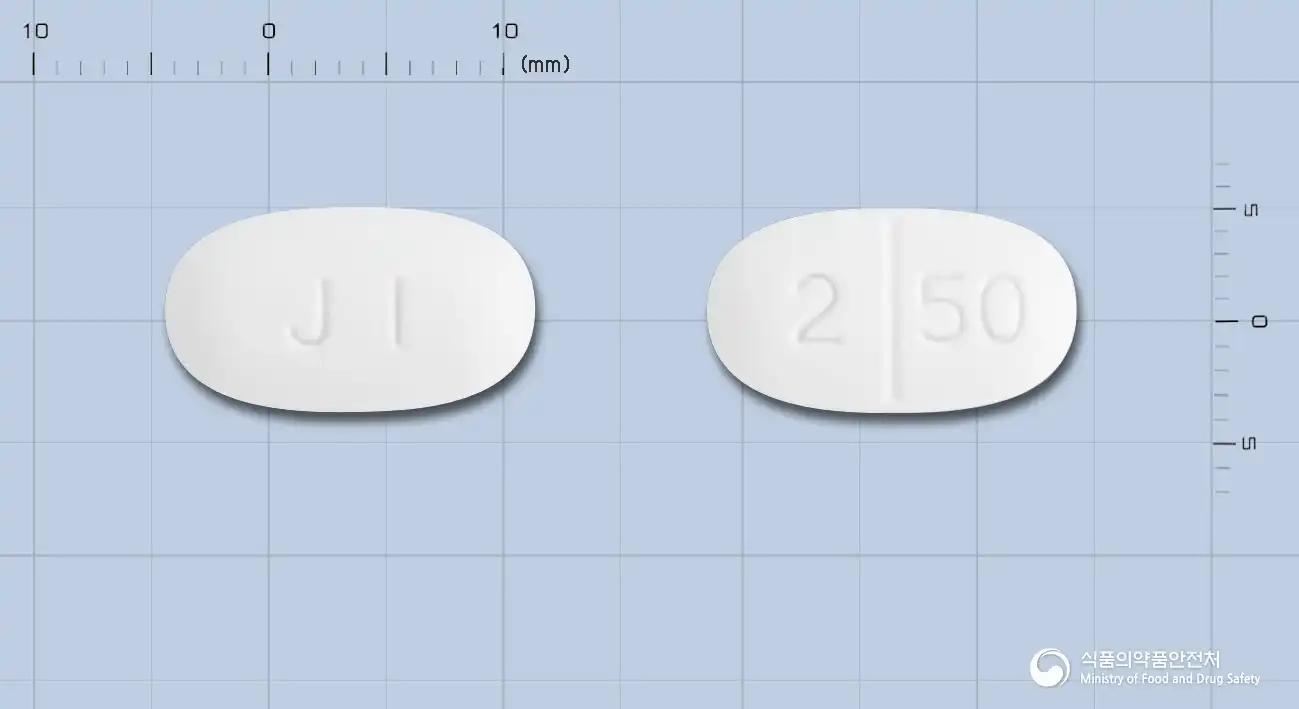
[Domestic] White oblong film-coated tablets [Export] White oblong film-coated tablets, imprinted with JI on one side and 2|50 on the other side.
30 tablets/box (10 tablets/PTP*3)
Even with the same ingredient, strength, dosage form and how it is taken can differ.
Viewing nowCombinationGlimepiride 2mg · Metformin Hydrochloride 500mg
Tablet · Prescription medication · Combination
Jeil Pharmaceutical Co., Ltd.
 Combination
Metformin Hydrochloride 500mg · Glimepiride 1mg
Tablet · Prescription medication · Combination
Hanmi Pharmaceutical Co., Ltd.
 Combination
Metformin Hydrochloride 500mg · Glimepiride 2mg
Tablet · Prescription medication · Combination
Handok Co., Ltd.
 Combination
Metformin Hydrochloride 500mg · Glimepiride 2mg
Tablet · Prescription medication · Combination
Teragen Etex Co., Ltd.
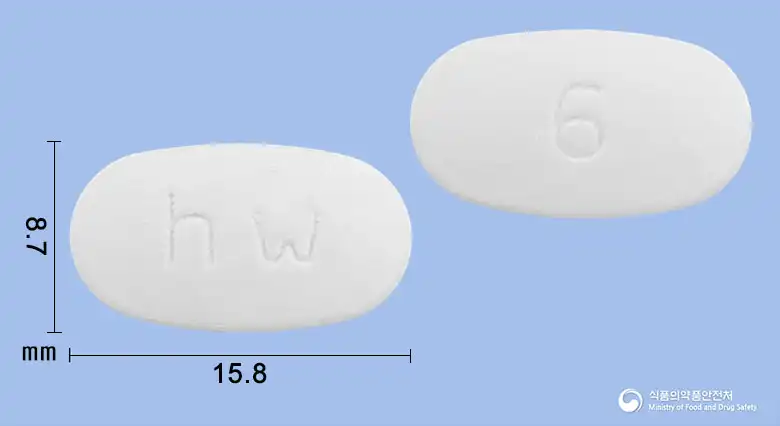 Combination
Glimepiride 2mg · Metformin Hydrochloride 500mg
Tablet · Prescription medication · Combination
Hawon Pharmaceutical Co., Ltd.
Metformin Hydrochloride 500mg · Glimepiride 2mg
Tablet · Prescription medication · Combination
TDS Pharm Co., Ltd.
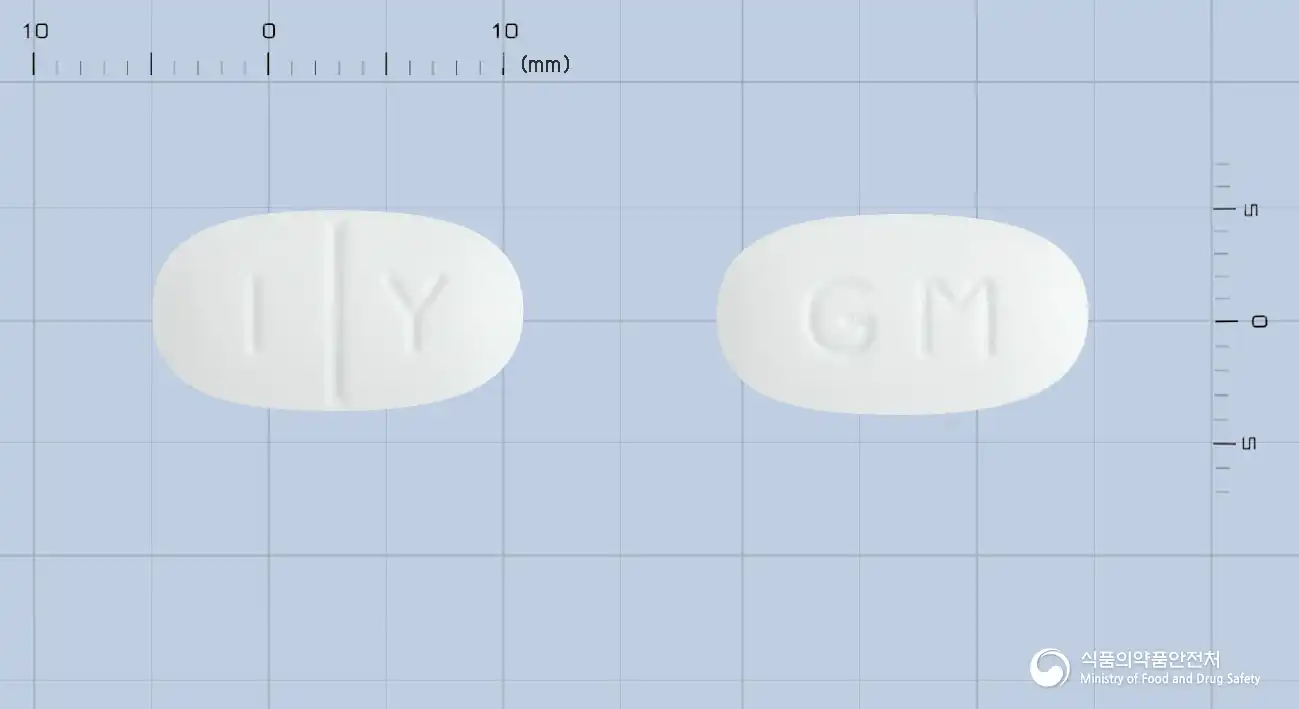 Combination
Glimepiride 2mg · Metformin Hydrochloride 500mg
Tablet · Prescription medication · Combination
Il Yang Pharmaceutical Co., Ltd.
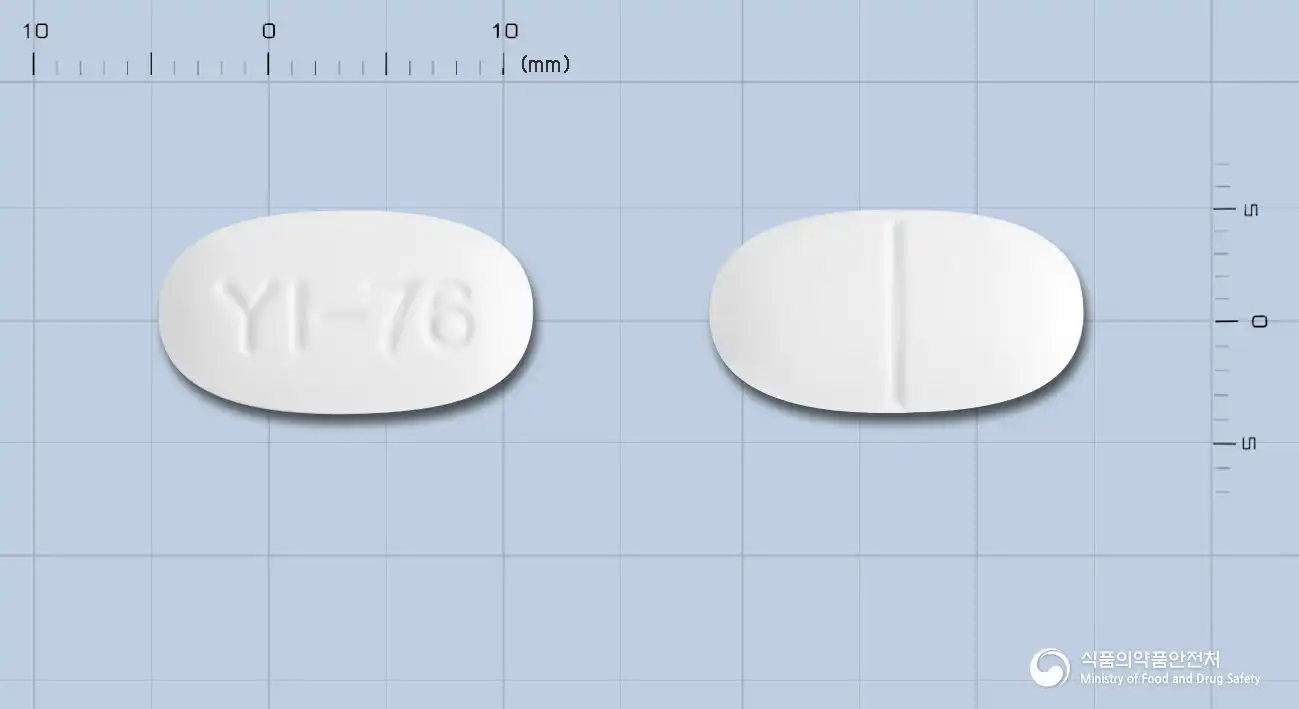 Combination
Glimepiride 2mg · Metformin Hydrochloride 500mg
Tablet · Prescription medication · Combination
Youngil Pharmaceutical Co., Ltd.
Even with the same ingredient, the dose and directions can differ by strength and dosage form. Talk to a doctor or pharmacist before switching from a medication you are already taking.
No questions yet.
For anything that needs medical judgment, consult a doctor or pharmacist.
This drug information is based on data provided by the Korea Ministry of Food and Drug Safety.
Consult a doctor or pharmacist for accurate dosage, administration, and usage instructions.