
 한국어
한국어 English
 日本語
日本語 中文(简体)
 Viewing nowCombination
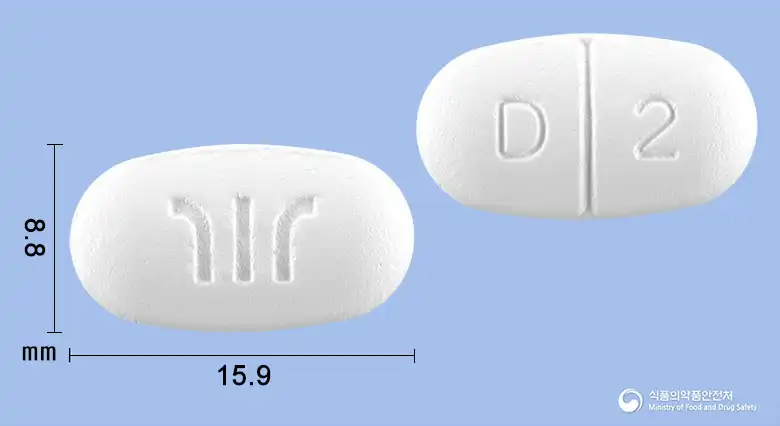
Diagril M Tablet 2/500 mg
Glimepiride 2mg · Metformin Hydrochloride 500mg
Tablet · Prescription medication · Combination
Bukwang Pharmaceutical Co., Ltd.
MFDS item code 201107508 · Notified 2011.09.29 · Insurance code 642203090
Improvement of blood sugar control in type 2 diabetes
This medication is used to assist in the control of blood sugar levels in patients with type 2 diabetes by combining glymeperide and metformin. It provides additional blood sugar management benefits for patients who are also implementing dietary and exercise regimens. This contributes to effectively reducing blood sugar levels and decreasing the risk of complications associated with diabetes. It improves patients' health conditions through safe and efficient blood sugar control.
This medication is administered 1 to 2 times a day before or with meals. The dosage may be adjusted based on the treatment regimen, effectiveness, and tolerance for each patient, and blood sugar monitoring is necessary. The initial dose is Glymeperide/Metformin Hydrochloride 2 mg/500 mg, which can be gradually increased to a maximum of 8 mg/2000 mg. The single-agent glymeperide generally does not provide additional effects when dosed over 4 mg per day.
This medication can cause severe lactic acidosis or hypoglycemia, so it should be discontinued and a doctor consulted if there is a sudden decline in kidney function or signs of dehydration. It is contraindicated for patients with reduced kidney function, and usage should be temporarily halted in situations where kidney function may change. Increased risk of cardiovascular diseases may occur, so cardiovascular status should be closely monitored during therapy with this medication. It should not be administered to specific patient groups such as those with insulin-dependent diabetes, acute metabolic acidosis, severe liver dysfunction, pregnant or breastfeeding women, or patients with severe renal impairment. Particular caution is required for elderly patients, malnourished individuals, those with irregular meals, those engaging in vigorous exercise, and alcohol consumers due to a higher risk of hypoglycemia; hypoglycemic symptoms should be closely monitored at the beginning of treatment. Digestion-related symptoms such as diarrhea, nausea, vomiting, and abdominal bloating may occur, and if these symptoms are severe, a doctor should be consulted. Any allergic reactions or skin rashes, and symptoms of blood abnormalities should be reported immediately to a healthcare professional. This medication may interact with other drugs; therefore, any concurrent medications should be disclosed to the doctor or pharmacist. Pregnant or breastfeeding individuals should avoid taking it, and should switch to insulin therapy if necessary. Safety has not been adequately confirmed in children and adolescents, so it should be administered to pediatric patients cautiously. Elderly individuals may carry an increased risk of side effects due to decreased kidney function, so dosage adjustment and kidney function testing are necessary. Regular monitoring of blood sugar levels, kidney function, blood tests, etc. should be conducted to detect and manage abnormalities early. In cases of overdose, severe hypoglycemia or lactic acidosis may occur, requiring immediate medical treatment; in emergency situations, measures to rapidly elevate blood sugar levels must be taken. Excessive alcohol consumption should be avoided while taking this medication, and stopping the medication temporarily is advisable in the event of acute illness or surgery. Care should be taken when driving or operating machinery due to the risk of accidents from hypoglycemia.
Urticaria, severe swelling (edema), difficulty breathing, hypotension, severe allergic reactions, liver abnormalities (jaundice, yellowing of the skin or eyes), lactic acidosis, severe skin reactions (severe rashes with fever, blisters, skin peeling, pain in the mouth/eyes), severe neurological symptoms (severe headache, seizures, confusion, visual disturbance, paralysis), severe hematological abnormalities (severe thrombocytopenia associated with thrombocytopenic purpura...
Gastrointestinal symptoms (diarrhea, nausea, vomiting, abdominal bloating, loss of appetite, indigestion, constipation, abdominal pain), temporary effects due to dosage reduction, visual impairment related to blood sugar changes, taste disturbance, decreased TSH levels in hypothyroidism, magnesium deficiency in case of diarrhea, encephalopathy, hair loss, weight gain, allergy-like reactions (erythema, itching, rash, etc.), hematological abnormalities (thrombocytopenia, leukopenia, hemolytic anemia, red...
Not everyone experiences these, and they can vary from person to person.
This medication should be stored in a tightly closed container to prevent air intrusion and should be kept at a temperature ranging from 1 to 30 degrees Celsius. Storing it this way helps maintain the effectiveness of the medication for a longer period.
White oblong film-coated tablets
30 tablets/bottle
Even with the same ingredient, strength, dosage form and how it is taken can differ.
Viewing nowCombinationGlimepiride 2mg · Metformin Hydrochloride 500mg
Tablet · Prescription medication · Combination
Bukwang Pharmaceutical Co., Ltd.
 Combination
Metformin Hydrochloride 500mg · Glimepiride 1mg
Tablet · Prescription medication · Combination
Hanmi Pharmaceutical Co., Ltd.
 Combination
Metformin Hydrochloride 500mg · Glimepiride 2mg
Tablet · Prescription medication · Combination
Handok Co., Ltd.
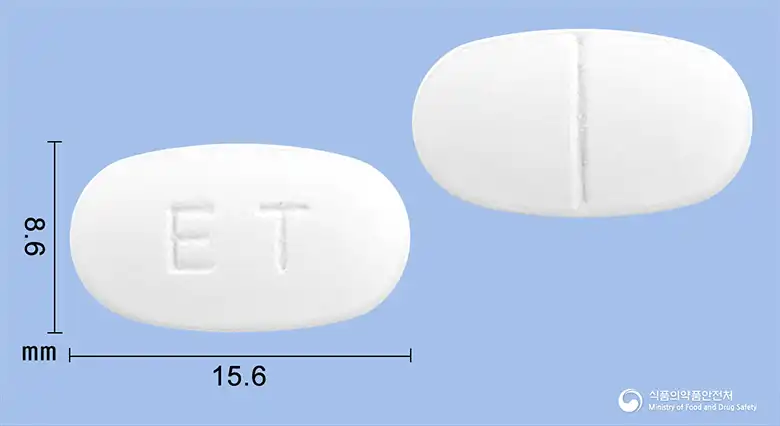 Combination
Metformin Hydrochloride 500mg · Glimepiride 2mg
Tablet · Prescription medication · Combination
Teragen Etex Co., Ltd.
 Combination
Glimepiride 2mg · Metformin Hydrochloride 500mg
Tablet · Prescription medication · Combination
Hawon Pharmaceutical Co., Ltd.
Metformin Hydrochloride 500mg · Glimepiride 2mg
Tablet · Prescription medication · Combination
TDS Pharm Co., Ltd.
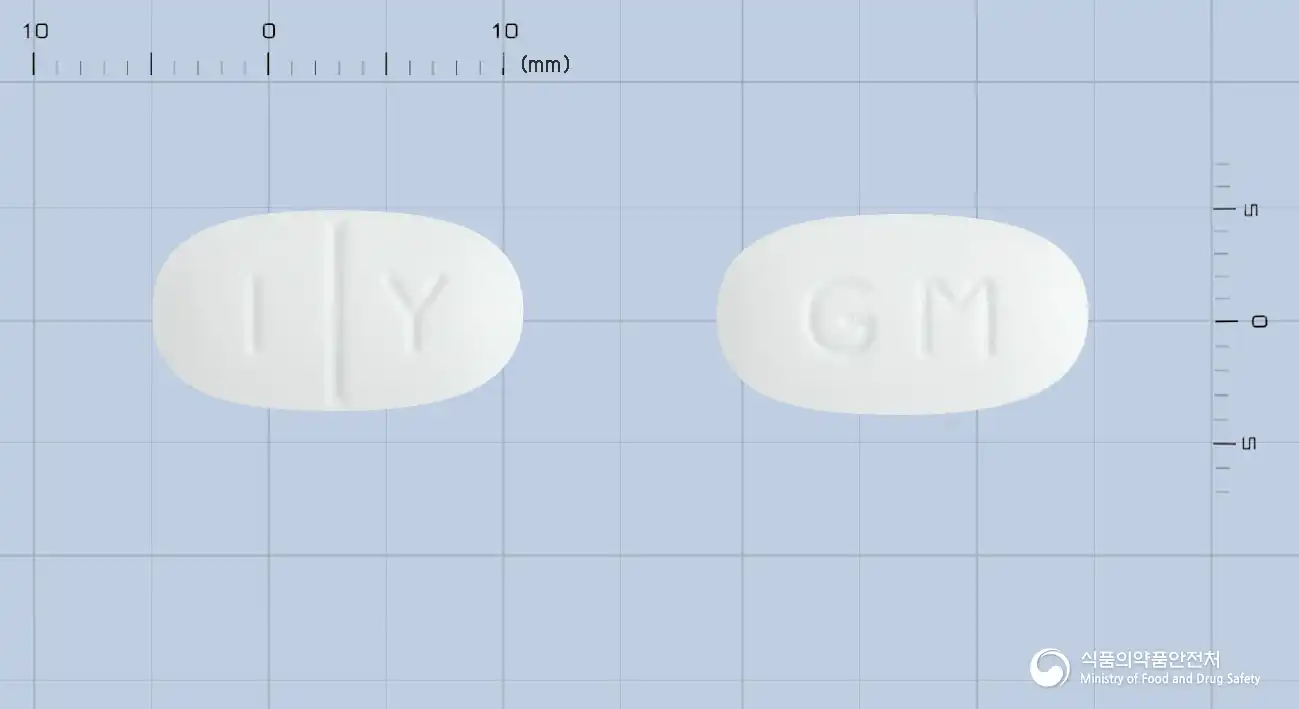 Combination
Glimepiride 2mg · Metformin Hydrochloride 500mg
Tablet · Prescription medication · Combination
Il Yang Pharmaceutical Co., Ltd.
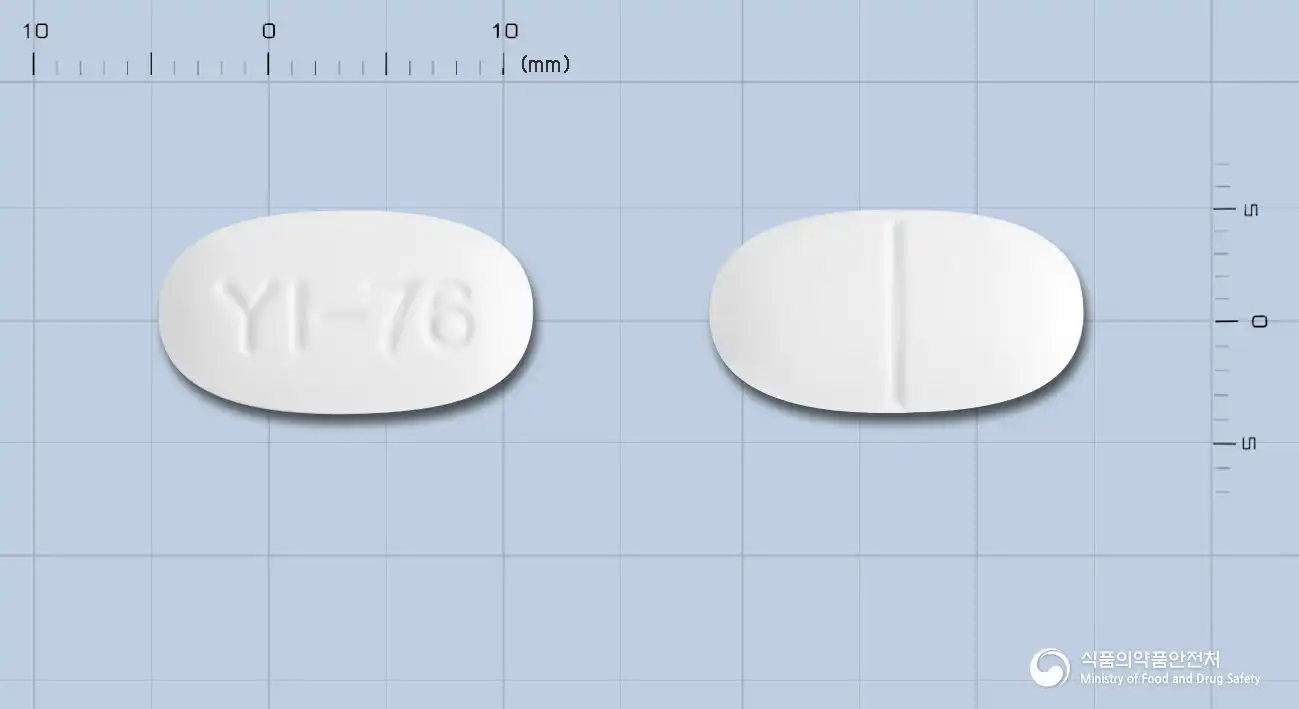 Combination
Glimepiride 2mg · Metformin Hydrochloride 500mg
Tablet · Prescription medication · Combination
Youngil Pharmaceutical Co., Ltd.
Even with the same ingredient, the dose and directions can differ by strength and dosage form. Talk to a doctor or pharmacist before switching from a medication you are already taking.
No questions yet.
For anything that needs medical judgment, consult a doctor or pharmacist.
This drug information is based on data provided by the Korea Ministry of Food and Drug Safety.
Consult a doctor or pharmacist for accurate dosage, administration, and usage instructions.