
 한국어
한국어 English
 日本語
日本語 中文(简体)
Dosage form image
Viewing nowCombinationNantacole Soft Capsule
Chlorpheniramine Maleate 2.5mg · Pseudoephedrine Hydrochloride 30mg +2 more
Soft capsule · OTC medication · Combination
RP Bio Co., Ltd.
MFDS item code 201107450 · Notified 2011.09.29
This product's status changed to Approval withdrawn on 2024.06.03. It may no longer be sold, so consult a doctor or pharmacist before taking it.
Relief of cold symptoms (runny nose, nasal congestion, etc.)
This medication helps relieve various symptoms of the common cold such as runny nose, nasal congestion, sneezing, sore throat, phlegm, chills, fever, headache, joint pain, and muscle pain. It effectively improves various uncomfortable symptoms caused by a cold, aiding in faster recovery. Therefore, it is used for the relief of common cold symptoms.
For individuals aged 15 and older: Take 1 capsule after meals, three times a day, 30 minutes after meals
This medication should be consulted with a doctor or pharmacist if taken by individuals who regularly consume more than three alcoholic drinks a day, as it may cause liver damage. The acetaminophen component included in this medication can rarely cause serious skin reactions, so if a rash or hypersensitivity reaction occurs after taking it, you should immediately stop taking the medication. The maximum daily dosage of acetaminophen is 4000 mg, and you should not exceed this dosage or take it in conjunction with other acetaminophen-containing products. If symptoms such as fever, redness, or small pustules appear while taking medications containing pseudoephedrine, you should immediately stop taking the medication and consult a specialist. Individuals with a history of hypersensitivity or asthma related to this medication, infants under 3 months of age, people taking certain antidepressants or antipsychotic medications, and individuals with uncontrolled hypertension should not take this medication. While using, it is advisable not to take it with cough medicines, other cold medications, antipyretic analgesics, sedatives, or antihistamines. Children suspected of having chickenpox or influenza, those with specific allergic constitutions, and individuals with liver, kidney, or heart diseases must consult a specialist before taking this medication. If symptoms such as rashes, itching, nausea, or dizziness occur during use, the medication should be stopped immediately and a doctor or pharmacist consulted, with immediate treatment required for severe cases. It is generally recommended not to use this medication in children under 2 years of age, and if absolutely necessary, a doctor should be consulted. When taking, adhere to the prescribed methods and dosages, do not use it for an extended period, avoid alcohol, and refrain from driving or operating machinery as drowsiness may occur. Store this medication out of reach of children, keep it in a tightly sealed container away from direct sunlight, and in a cool, dry place.
Hives, severe swelling (edema), chest tightness, breathing difficulties, cold sweat, pallor, severe rash with high fever, blistering, peeling of the skin, pain in oral/ocular mucosa, asthma, jaundice (yellowing of skin or eyes), extreme lethargy, acute generalized exanthematous pustulosis (AGEP), Stevens-Johnson syndrome (SJS), toxic epidermal necrolysis (TEN), liver dysfunction, interstitial pneumonia, asthma attacks, cough + fever
Not everyone experiences these, and they can vary from person to person.
This medication should be stored in a tightly sealed container to prevent air or moisture from entering and is safely stored at a temperature between 1 degree and 30 degrees Celsius. Storing it this way can help maintain the medication's effectiveness over time.
An orange, transparent, oblong soft capsule containing colorless to orange translucent contents
10 capsules (10 capsules/PTP*1)
Even with the same ingredient, strength, dosage form and how it is taken can differ.
Chlorpheniramine Maleate 2.5mg · Pseudoephedrine Hydrochloride 30mg +2 more
Soft capsule · OTC medication · Combination
RP Bio Co., Ltd.
Acetaminophen 325mg · Guaifenesin 80mg +2 more
Soft capsule · OTC medication · Combination
COSMAX Pharma Co., Ltd.
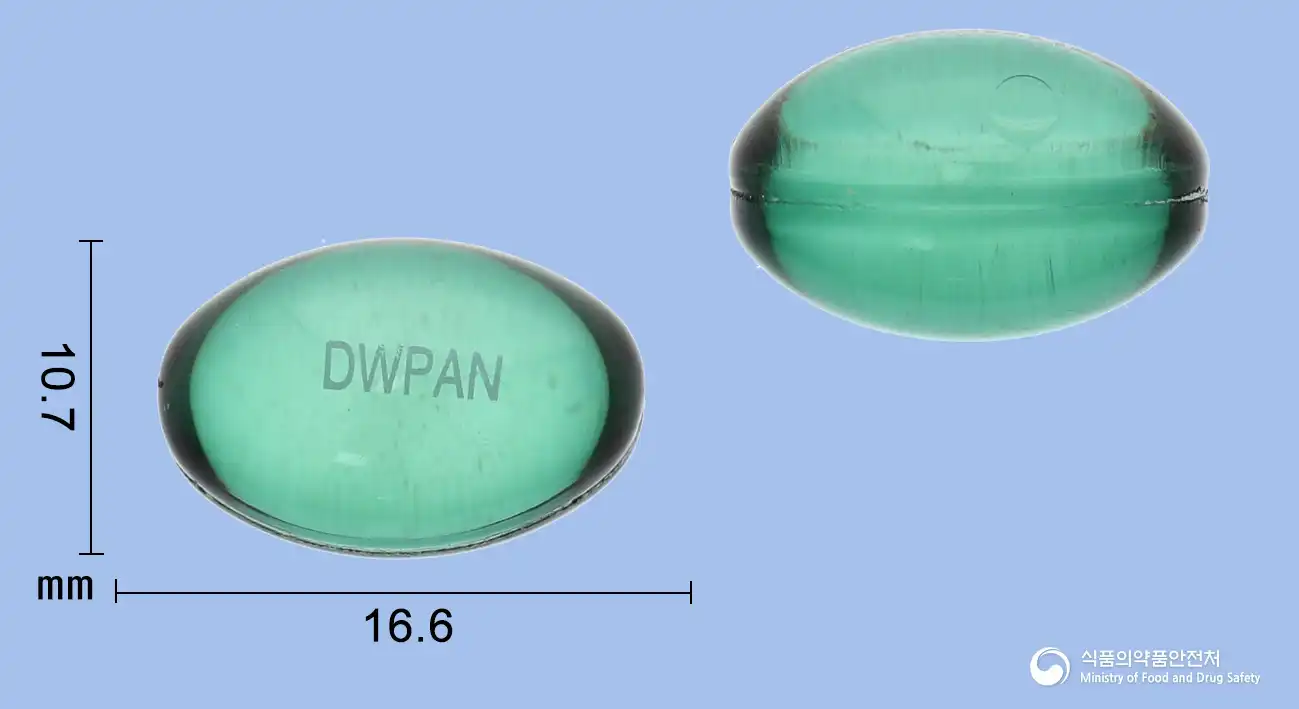 Combination
Acetaminophen 250mg · Pseudoephedrine Hydrochloride 15mg +2 more
Soft capsule · OTC medication · Combination
DaeWon Pharmaceutical Co., Ltd.
Acetaminophen 250mg · Pseudoephedrine Hydrochloride 15mg +2 more
Soft capsule · OTC medication · Combination
Seohung Co., Ltd.
Even with the same ingredient, the dose and directions can differ by strength and dosage form. Talk to a doctor or pharmacist before switching from a medication you are already taking.
No questions yet.
For anything that needs medical judgment, consult a doctor or pharmacist.
This drug information is based on data provided by the Korea Ministry of Food and Drug Safety.
Consult a doctor or pharmacist for accurate dosage, administration, and usage instructions.