
 한국어
한국어 English
 日本語
日本語 中文(简体)
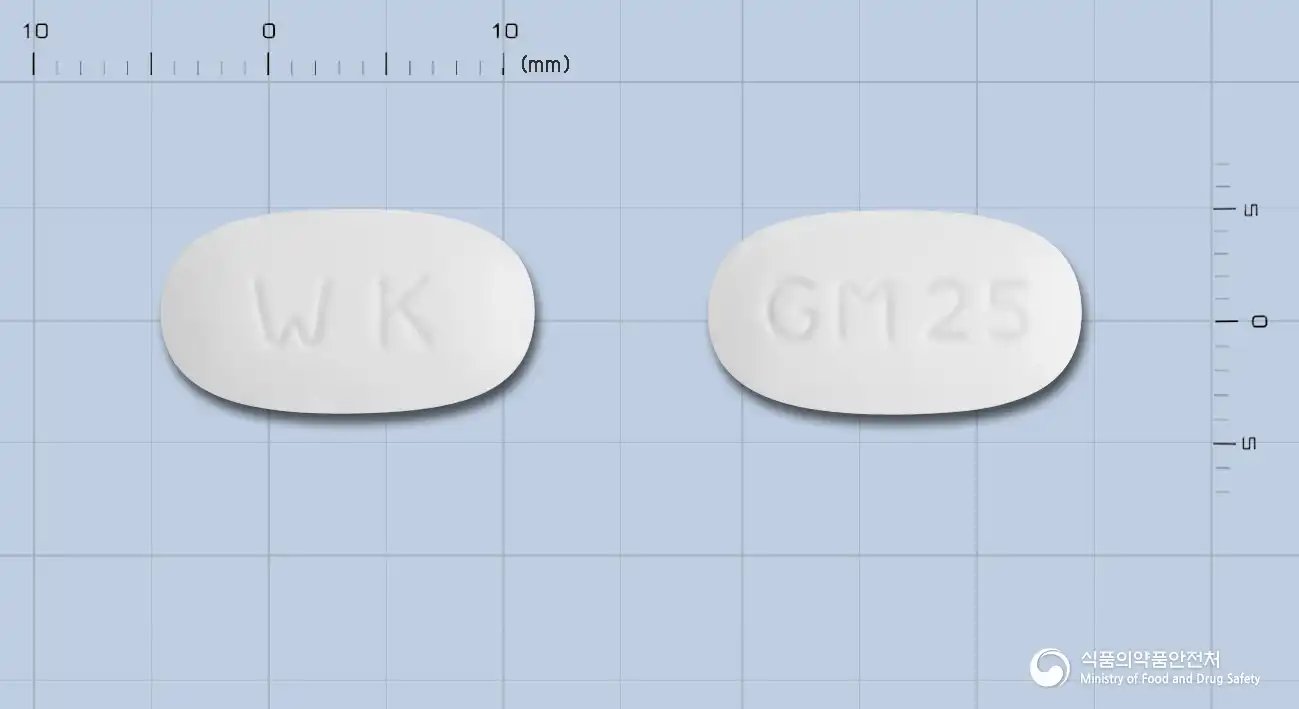 Viewing nowCombination
Gleam Tablet 2/500 mg
Glimepiride 2mg · Metformin Hydrochloride 500mg
Tablet · Prescription medication · Combination
Austin Pharmaceutical Co., Ltd.
MFDS item code 201107274 · Approved 2011.09.28 · Insurance code 654304510
Improvement of blood sugar control in type 2 diabetes
This medication is used to assist in blood sugar control for patients with type 2 diabetes. The components of glimipiride and metformin work together to enhance the effects of dietary therapy and exercise. Therefore, this medication helps effectively manage and improve blood sugar levels.
This medication is administered 1 to 2 times a day just before meals or with meals. Typically, treatment is initiated at a low dose, and the dose may be adjusted based on the patient's current medication and blood sugar levels. In clinical trials, the initial daily dosage was 2 mg/500 mg of glimipiride/metformin hydrochloride, and based on blood sugar monitoring results, the dosage may be gradually increased up to 8 mg/2000 mg. For single-agent glimipiride,
This medication can cause severe lactic acidosis and hypoglycemia, so it should be discontinued and a doctor consulted, especially in cases of acute kidney function decline. Caution is necessary when using this medication if there are signs of dehydration or if taking medications that may affect kidney function, and depending on the situation, the medication may need to be temporarily suspended. Patients at risk for cardiovascular diseases should be fully consulted with their healthcare providers about the potential increase in cardiovascular mortality associated with taking this medication. Patients with insulin-dependent diabetes, acute metabolic acidosis, severe liver or kidney dysfunction, and women who are pregnant or breastfeeding should not take this medication. Elderly patients, malnourished individuals, and those who consume excessive alcohol should be monitored carefully when taking this medication due to a higher risk of hypoglycemia. Gastrointestinal symptoms (such as diarrhea, nausea, and vomiting) may commonly occur at the start of treatment; however, these are mostly transient and can be alleviated by taking the medication with meals or adjusting the dosage. This medication may cause allergic reactions, hematological abnormalities, vitamin B12 deficiency, etc., so if any abnormal symptoms occur, it is essential to notify a healthcare professional immediately. Regular monitoring of kidney function, blood sugar, and hematological values should be conducted to monitor the effectiveness and side effects of the medication, particularly in the elderly, who should have kidney function tests done frequently. The medication may interact with other drugs, so it is vital to consult the healthcare provider before starting or stopping any new medications. If pregnant or breastfeeding, this medication should be avoided as it may harm the fetus or infant; insulin therapy should be considered instead if necessary. In case of overdose, severe hypoglycemia or lactic acidosis may occur, necessitating immediate medical attention for appropriate treatment. Caution is also needed when driving or operating machinery due to the potential risk of accidents from hypoglycemia or other side effects. This medication should be kept out of the reach of children, and transferring it to another container should be avoided to prevent degradation of quality or accidents.
Hives, swelling, severe allergic reactions, tightness in the chest, difficulty breathing, severe thrombocytopenia associated with thrombocytopenic purpura, cardiac arrest, lactic acidosis, hypoglycemia, liver abnormalities (jaundice), severe skin adverse reactions (severe rash, blisters, peeling skin, pain in mucous membranes of the mouth/eyes), serious neurological symptoms (confusion, paralysis), respiratory problems (shortness of breath or difficulty breathing, asthma attacks), severe swelling or urination issues
Not everyone experiences these, and they can vary from person to person.
This medication should be stored in a tightly sealed container to protect it from air and moisture, and the storage temperature should be maintained at room temperature between 1 to 30 degrees Celsius. Thus, it is essential to avoid direct sunlight and extreme temperatures, storing it in a cool place.
White rectangular film-coated tablet
30 tablets/box [10 tablets/PTP × 3]
Even with the same ingredient, strength, dosage form and how it is taken can differ.
Viewing nowCombinationGlimepiride 2mg · Metformin Hydrochloride 500mg
Tablet · Prescription medication · Combination
Austin Pharmaceutical Co., Ltd.
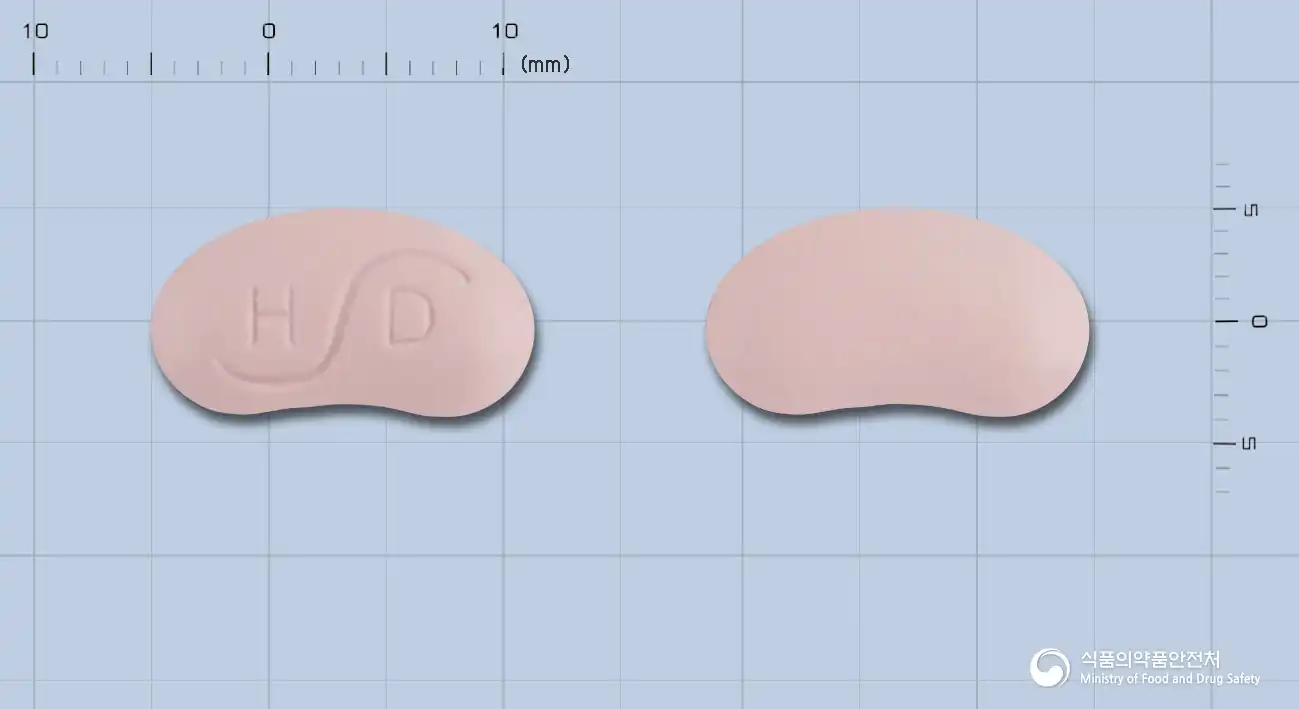 Combination
Metformin Hydrochloride 500mg · Glimepiride 1mg
Tablet · Prescription medication · Combination
Hanmi Pharmaceutical Co., Ltd.
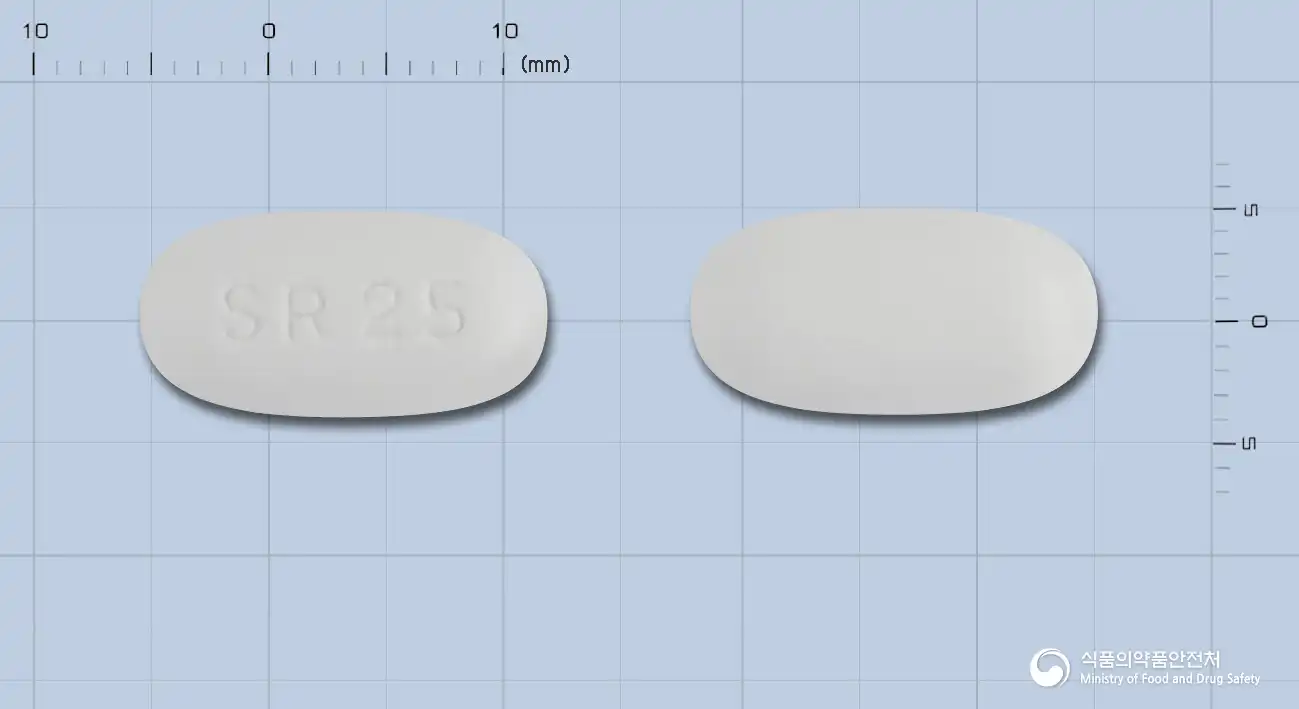 Combination
Metformin Hydrochloride 500mg · Glimepiride 2mg
Tablet · Prescription medication · Combination
Handok Co., Ltd.
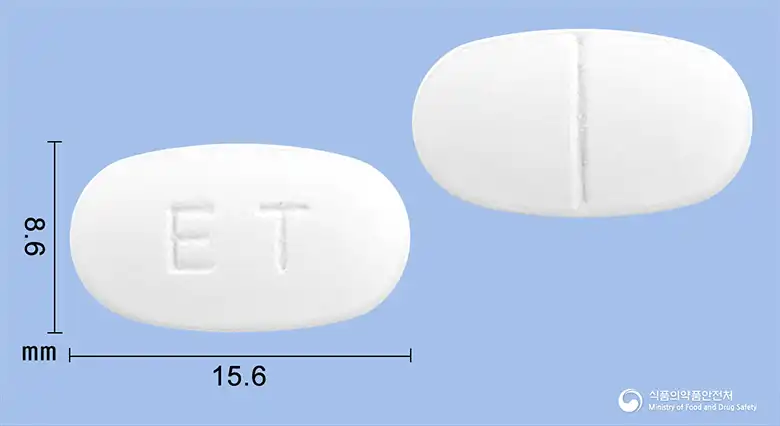 Combination
Metformin Hydrochloride 500mg · Glimepiride 2mg
Tablet · Prescription medication · Combination
Teragen Etex Co., Ltd.
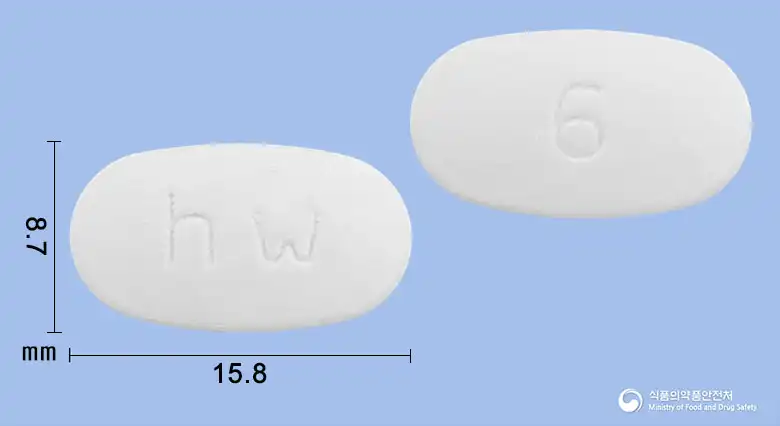 Combination
Glimepiride 2mg · Metformin Hydrochloride 500mg
Tablet · Prescription medication · Combination
Hawon Pharmaceutical Co., Ltd.
Metformin Hydrochloride 500mg · Glimepiride 2mg
Tablet · Prescription medication · Combination
TDS Pharm Co., Ltd.
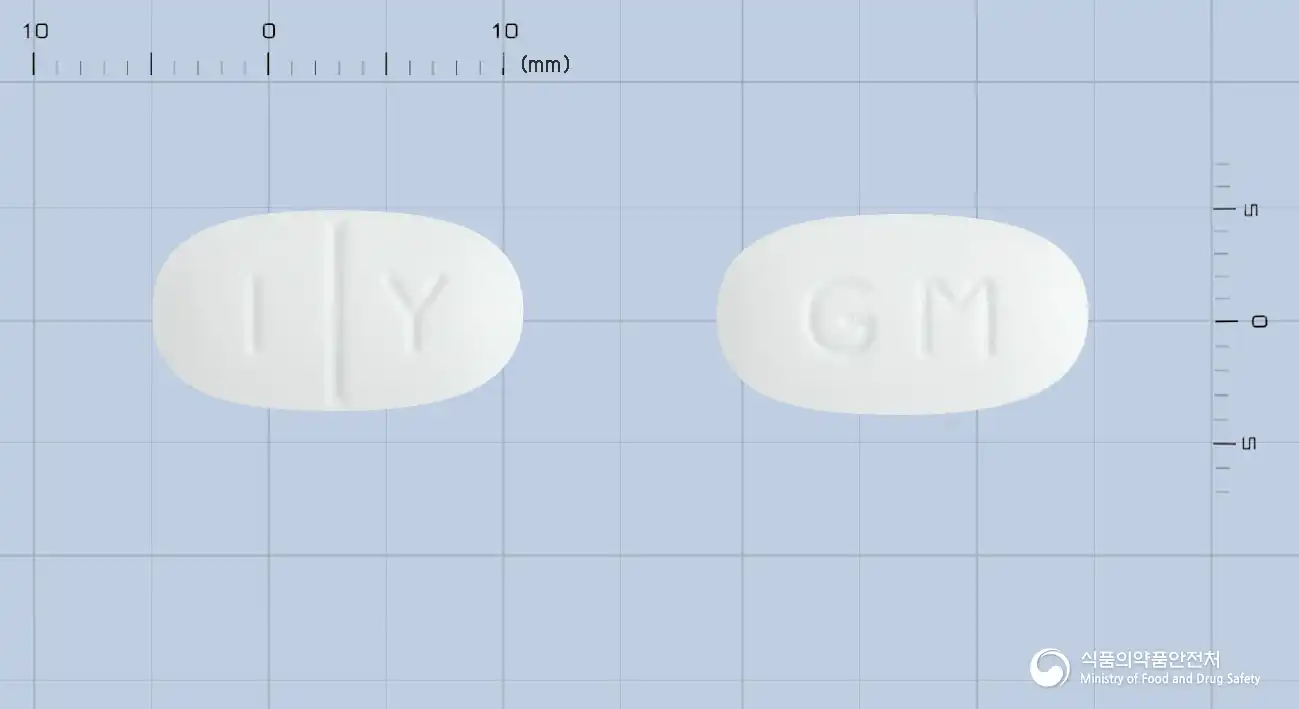 Combination
Glimepiride 2mg · Metformin Hydrochloride 500mg
Tablet · Prescription medication · Combination
Il Yang Pharmaceutical Co., Ltd.
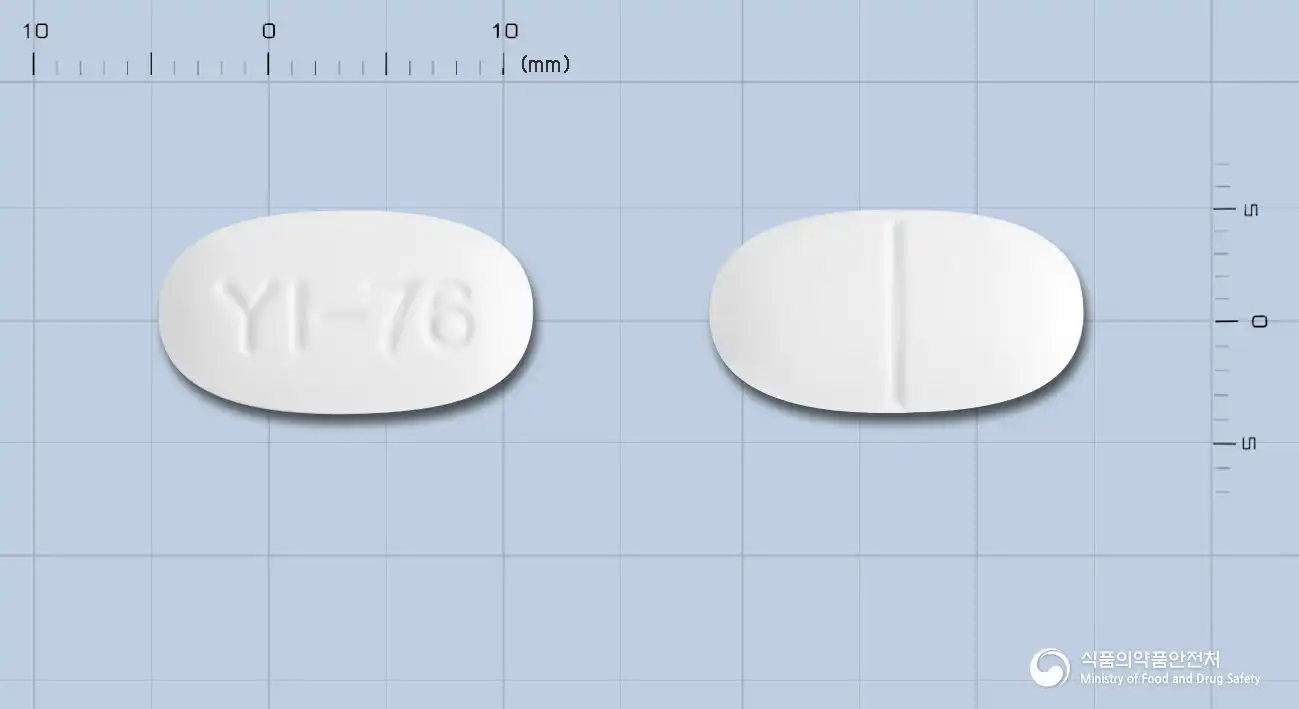 Combination
Glimepiride 2mg · Metformin Hydrochloride 500mg
Tablet · Prescription medication · Combination
Youngil Pharmaceutical Co., Ltd.
Even with the same ingredient, the dose and directions can differ by strength and dosage form. Talk to a doctor or pharmacist before switching from a medication you are already taking.
No questions yet.
For anything that needs medical judgment, consult a doctor or pharmacist.
This drug information is based on data provided by the Korea Ministry of Food and Drug Safety.
Consult a doctor or pharmacist for accurate dosage, administration, and usage instructions.