
 한국어
한국어 English
 日本語
日本語 中文(简体)
 Viewing nowCombination
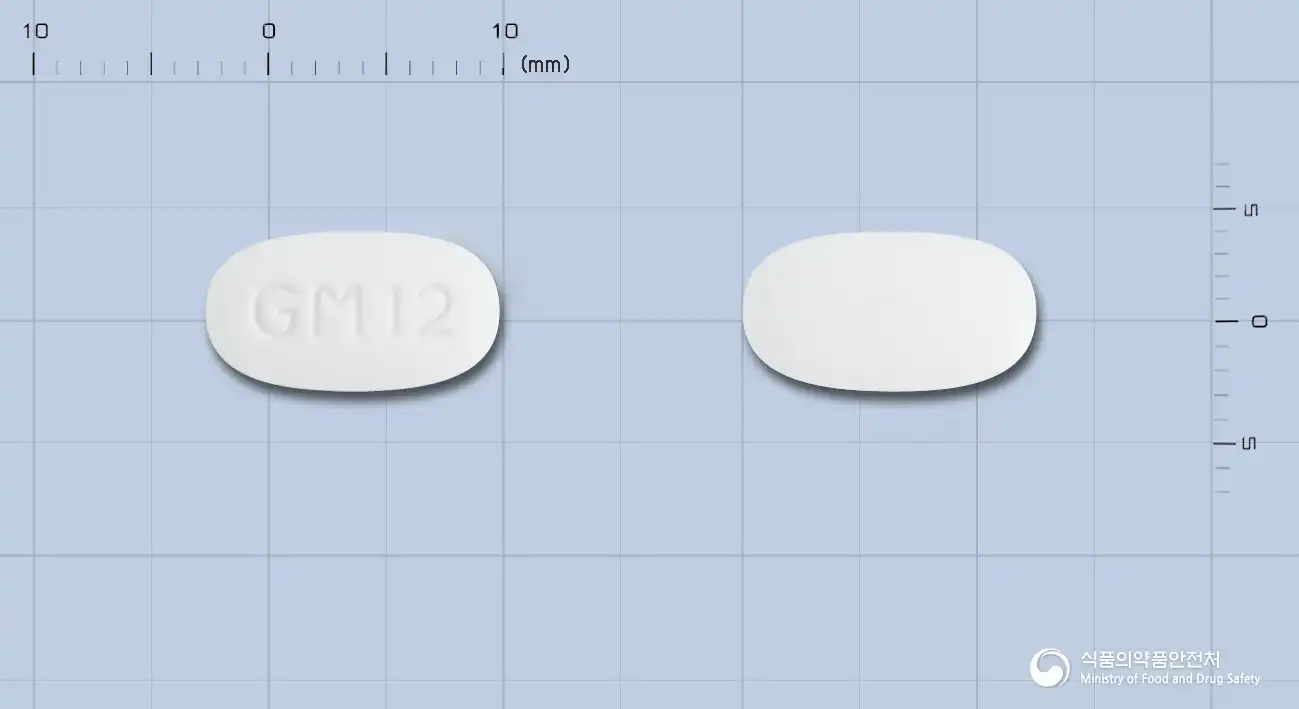
Gliformin Tablets 1/250mg
Glimepiride 1mg · Metformin Hydrochloride 250mg
Tablet · Prescription medication · Combination
Genewon Science Co., Ltd.
MFDS item code 201107224 · Approved 2011.09.27 · Insurance code 671703390
Improvement of blood sugar control in type 2 diabetes
This medication combines glymepiride and metformin to assist in controlling blood sugar levels in patients with type 2 diabetes. When administered alongside dietary and exercise plans, it helps effectively improve blood sugar levels. It serves as a beneficial adjunctive therapy for patient blood sugar management.
This medication is administered 1-2 times daily before or with meals. The dosage may be adjusted considering each patient's current treatment regimen, efficacy, and tolerance, with the need for blood sugar monitoring. Generally, treatment begins at a low dose, and adjustments are made based on blood sugar levels and medications in use. In clinical trials, initial dosing was glymepiride/metformin hydrochloride 2mg/500mg daily, followed by monitoring blood sugar levels.
This medication can cause severe lactic acidosis or hypoglycemia; therefore, it should be discontinued and medical advice sought, especially in cases of rapidly declining kidney function. It is advisable to temporarily halt this medication in the event of dehydration symptoms, severe diarrhea, vomiting, or fever, and to inform a doctor. Administration should not occur in patients with kidney function less than 45mL/min/1.73m², and caution is required in situations where kidney function may rapidly change. Patients at risk of cardiovascular disease may have increased mortality associated with the use of this medication; thus, the benefits and risks of treatment should be carefully considered. Insulin-dependent diabetes patients, those with acute metabolic acidosis, severe liver dysfunction, pregnant or breastfeeding women, and patients with severe renal impairment should not receive this medication. During treatment with this medication, there is a risk of hypoglycemia; therefore, elderly patients or those with poor nutritional status, as well as individuals engaging in intense exercise, should carefully monitor blood sugar changes. Gastrointestinal symptoms (diarrhea, nausea, vomiting, etc.) may occur, typically presenting during initial dosing but usually improve over time. If allergic reactions, skin rashes, or hematological abnormalities appear, consult a doctor immediately. This medication may reduce vitamin B12 levels, so regular checks of vitamin B12 status are important with long-term use. During treatment, regular meals, exercise, and consistent monitoring of blood sugar and kidney function are necessary, with consultation for adjustments in treatment methods if blood sugar control is unstable. This medication may have interactions with other drugs; thus, inform your doctor or pharmacist of any ongoing medications. Pregnant women or those planning to become pregnant should not use this medication and should opt for alternative treatments such as insulin therapy. In the event of overdose, serious side effects such as hypoglycemia or lactic acidosis may occur; immediate medical attention is warranted. Children and the elderly require special caution when administered this medication, and thorough monitoring of kidney function and blood sugar levels is essential. This medication should be stored out of reach of children, and it is safe not to transfer it to a different container.
Urticaria, severe swelling (edema), shortness of breath, chest tightness, severe allergic reactions, liver abnormalities (liver function damage, jaundice), severe neurological symptoms (headache, seizures, consciousness confusion, visual disturbances, paralysis), severe edema, thrombocytopenic purpura, lactic acidosis, hypoglycemia, cardiac arrest.
Gastrointestinal symptoms (diarrhea, nausea, vomiting, abdominal fullness, loss of appetite, indigestion, constipation, abdominal pain), taste disturbances, hematological abnormalities (thrombocytopenia, leukopenia, hemolytic anemia, erythrocytopenia, granulocytopenia, agranulocytosis, pancytopenia), peripheral neuropathy due to vitamin B12 deficiency, increased liver enzymes, hepatitis, allergic vasculitis, photosensitivity of the skin, decreased serum sodium, hypothyroidism, during diarrhea.
Not everyone experiences these, and they can vary from person to person.
This medication should be stored in a tightly sealed container to prevent air exposure and kept at room temperature between 1 to 30 degrees Celsius. Proper storage will help maintain the medication's effectiveness over time.
White oblong film-coated tablet
30 tablets/bottle, 100 tablets/bottle
Even with the same ingredient, strength, dosage form and how it is taken can differ.
Viewing nowCombinationGlimepiride 1mg · Metformin Hydrochloride 250mg
Tablet · Prescription medication · Combination
Genewon Science Co., Ltd.
 Combination
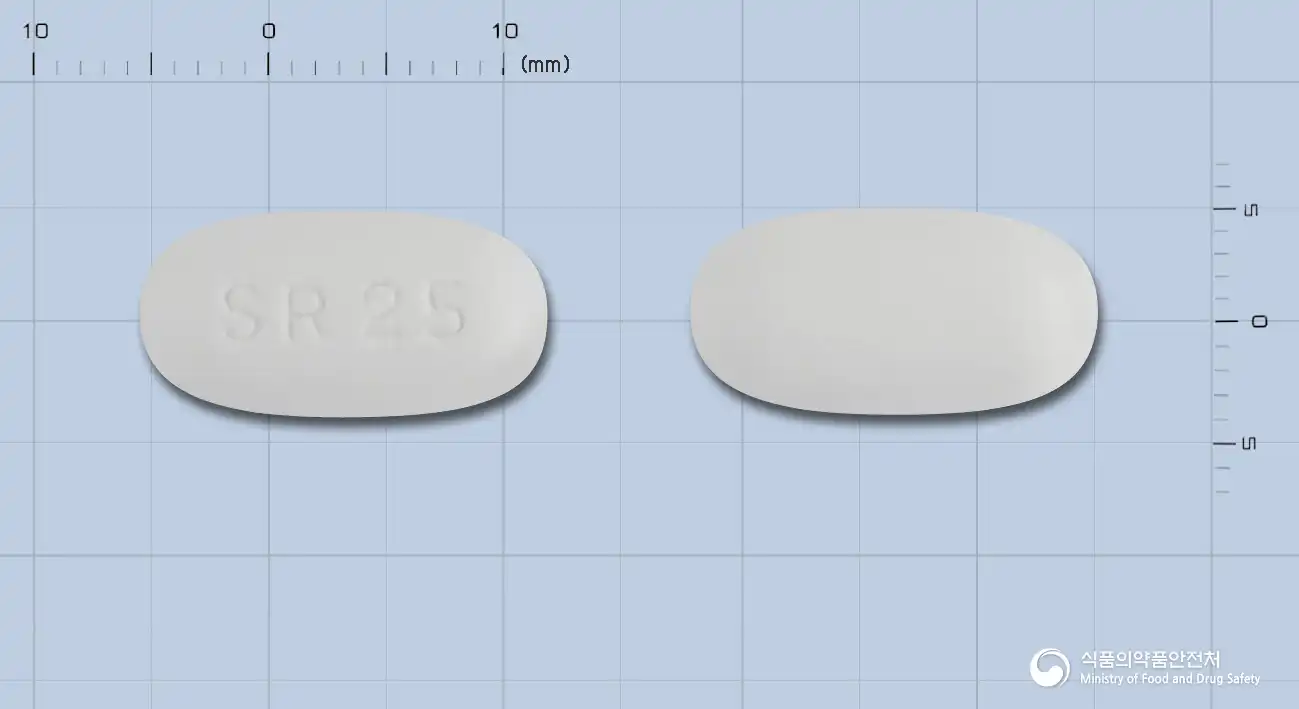
Metformin Hydrochloride 500mg · Glimepiride 1mg
Tablet · Prescription medication · Combination
Hanmi Pharmaceutical Co., Ltd.
 Combination
Metformin Hydrochloride 500mg · Glimepiride 2mg
Tablet · Prescription medication · Combination
Handok Co., Ltd.
 Combination
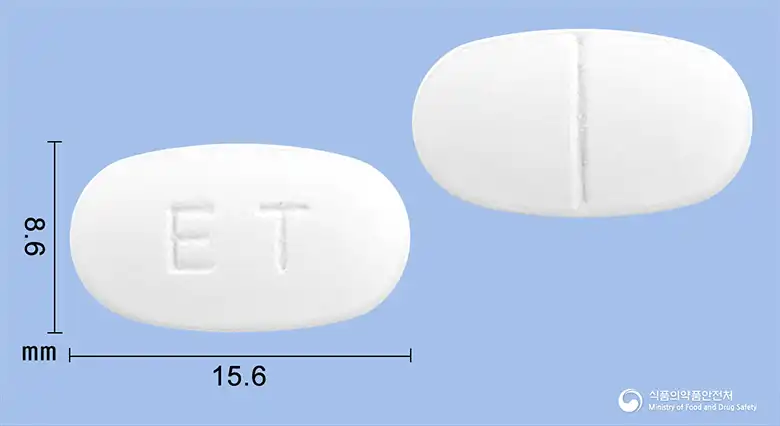
Metformin Hydrochloride 500mg · Glimepiride 2mg
Tablet · Prescription medication · Combination
Teragen Etex Co., Ltd.
 Combination
Glimepiride 2mg · Metformin Hydrochloride 500mg
Tablet · Prescription medication · Combination
Hawon Pharmaceutical Co., Ltd.
Metformin Hydrochloride 500mg · Glimepiride 2mg
Tablet · Prescription medication · Combination
TDS Pharm Co., Ltd.
 Combination
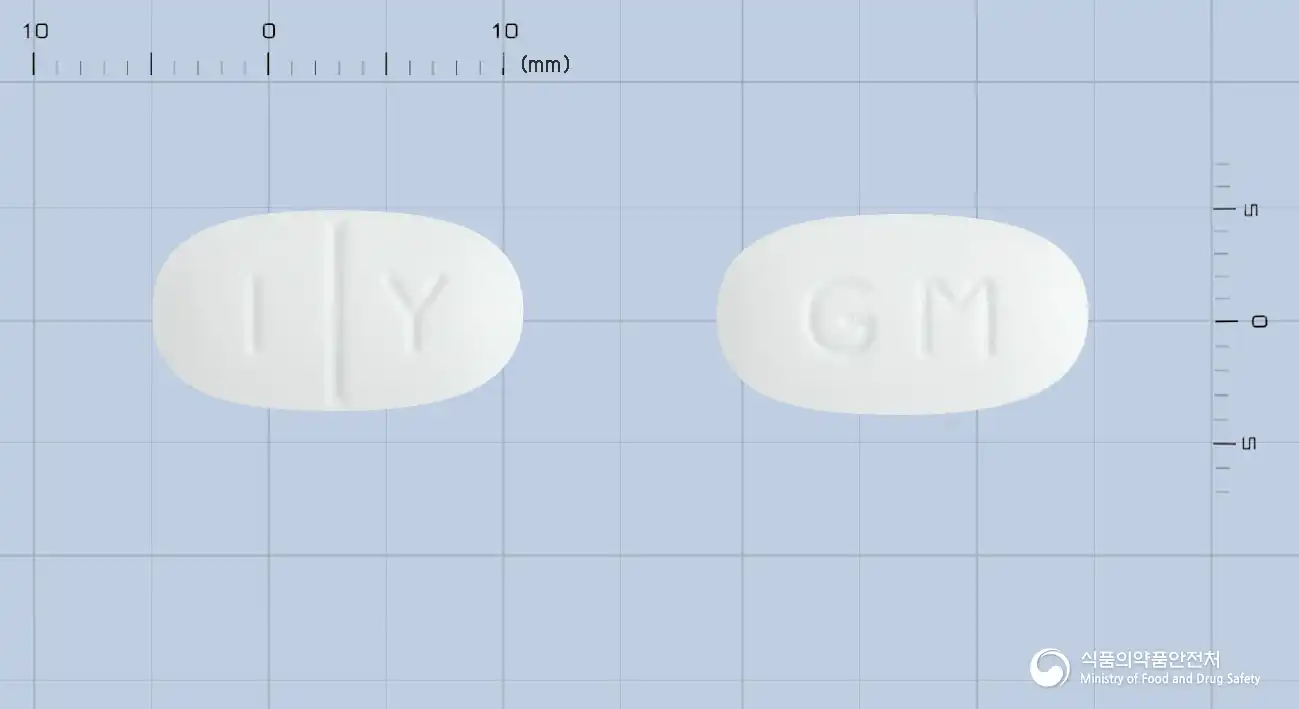
Glimepiride 2mg · Metformin Hydrochloride 500mg
Tablet · Prescription medication · Combination
Il Yang Pharmaceutical Co., Ltd.
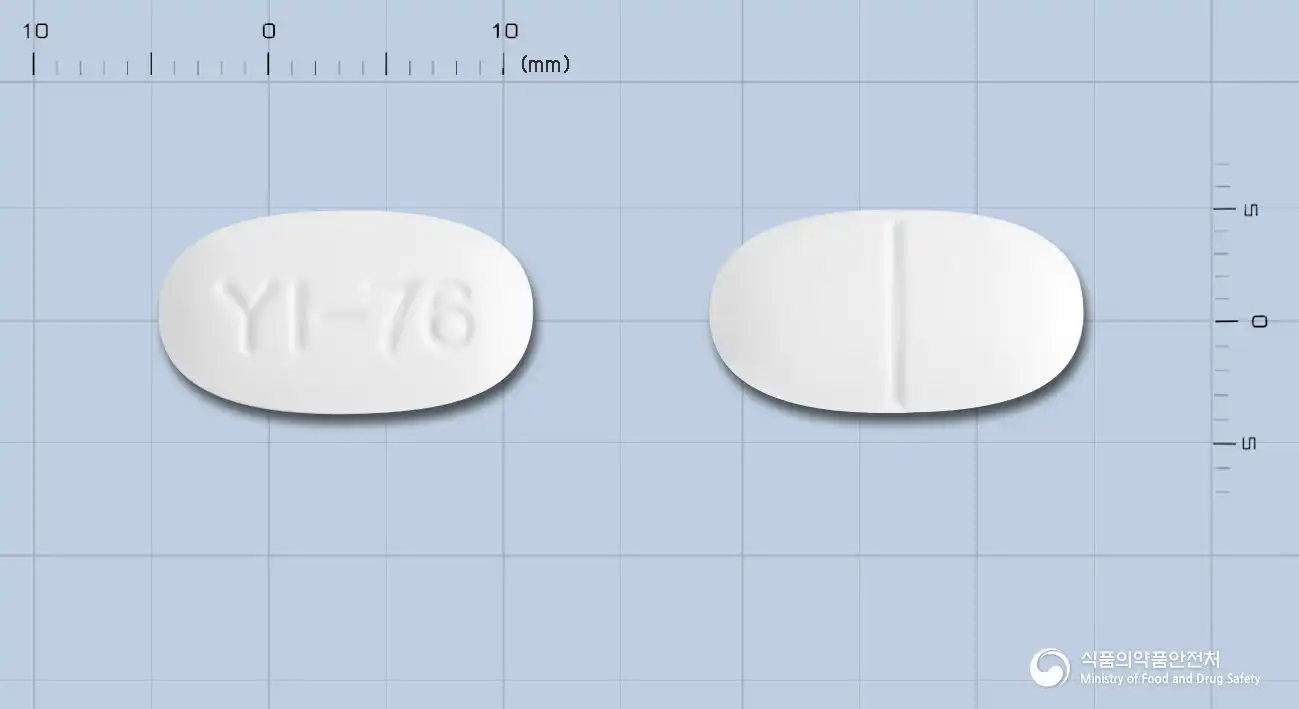 Combination
Glimepiride 2mg · Metformin Hydrochloride 500mg
Tablet · Prescription medication · Combination
Youngil Pharmaceutical Co., Ltd.
Even with the same ingredient, the dose and directions can differ by strength and dosage form. Talk to a doctor or pharmacist before switching from a medication you are already taking.
No questions yet.
For anything that needs medical judgment, consult a doctor or pharmacist.
This drug information is based on data provided by the Korea Ministry of Food and Drug Safety.
Consult a doctor or pharmacist for accurate dosage, administration, and usage instructions.