
 한국어
 English
 日本語
 中文(简体)
 Viewing nowCombination
Grimarin M Tablet 2/500 mg
Glimepiride 2mg · Metformin Hydrochloride 500mg
Tablet · Prescription medication · Combination
Hawon Pharmaceutical Co., Ltd.
MFDS item code 201106782 · Notified 2011.09.20 · Insurance code 651503310
Improves glycemic control in type 2 diabetes mellitus
This medication is suitable for aiding blood sugar control in patients with type 2 diabetes through the combined use of glimepiride and metformin. It is administered in conjunction with dietary and exercise therapy to effectively manage blood sugar levels. This helps stabilize blood sugar fluctuations and contribute to reducing the risk of complications. It is used for overall improvement of blood sugar control.
Administer this medicine 1 to 2 times daily immediately before or with meals. The dose may be adjusted based on each patient's current treatment regimen, efficacy, and tolerability; appropriate blood glucose monitoring should be performed for this purpose. Treatment is generally initiated at a low dose, and the dose may be adjusted considering the patient's current medications and blood glucose levels. In clinical trials, the initial daily dose of this medicine was glimepiride/metformin hydrochloride 2mg/500mg, and there was experience with gradually increasing the dose according to blood glucose monitoring results, up to glimepiride/metformin hydrochloride 8mg/2000mg. As a single agent, glimepiride generally provides little additional benefit at doses above 4mg per day, although some patients showed better metabolic control when the dose was increased to 6mg (or 8mg). When used as a substitute for combination therapy, administer based on the dosage and administration of the glimepiride and metformin hydrochloride currently being taken in combination. Even if a previous dose was missed, do not take more than one dose at the next scheduled administration.
This medication may cause severe lactic acidosis or hypoglycemia; thus, treatment must be discontinued if there is a rapid decline in renal function. If symptoms of dehydration, severe diarrhea, vomiting, or fever occur, it is advisable to temporarily stop taking this medication and consult a physician. Patients with compromised renal function or elderly patients should be particularly cautious and undergo regular kidney function tests. Patients at risk of cardiovascular diseases should consult their doctor since taking this medication may increase cardiovascular mortality. Patients with insulin-dependent diabetes, acute metabolic acidosis, or severe liver or kidney dysfunction should not take this medication. Pregnant or breastfeeding women should also avoid using this medication for safety. Elderly patients, malnourished individuals, irregular eaters, and alcohol consumers at high risk of hypoglycemia should be closely monitored for hypoglycemic symptoms while taking this medication. At the start of treatment, gastrointestinal side effects (such as diarrhea, nausea, vomiting, etc.) may occur, but these are mostly temporary and symptoms may improve when taken with meals. If allergic reactions or skin rashes occur, inform a physician immediately, and discontinue use in severe cases. This medication may decrease vitamin B12 levels, so regular monitoring of serum vitamin B12 levels is necessary during long-term use. Interactions may occur when used with other medications, so all medications being taken should be reported to a doctor or pharmacist for caution. In case of overdose, hypoglycemia or lactic acidosis may occur, so immediate medical attention is required for appropriate treatment. Caution is needed while driving or operating machinery, as hypoglycemia or dizziness may present. The safety of this medication in children has not been established; therefore, special caution is needed when administering to minors.
Lactic acidosis, hypoglycemia, diarrhea, nausea, vomiting, abdominal bloating, loss of appetite, indigestion, constipation, abdominal pain, metallic taste, visual impairment, taste disorders, erythema, pruritus, urticaria, rash, thrombocytopenia, leukopenia, hemolytic anemia, anemia, agranulocytosis, pancytopenia, vitamin B12 deficiency, peripheral neuropathy, megaloblastic anemia, elevation of liver enzymes, liver dysfunction, cholestasis, jaundice, hepatitis, allergic vasculitis, photosensitivity, serum sodium concentration reduction, decrease in thyroid-stimulating hormone levels, magnesium deficiency with diarrhea, encephalopathy, hair loss, weight gain, hypoglycemia, abdominal pain, abdominal bloating, vomiting, indigestion, dizziness, palpitations, diarrhea, nausea, leg edema, cardiac arrest, rectal carcinoma
Not everyone experiences these, and they can vary from person to person.
Store this medication in a tightly sealed container that is air-tight, preferably at room temperature between 1 and 30 degrees Celsius. Proper storage will maintain the medication's effectiveness and prevent deterioration.
White oblong film-coated tablet
30 tablets/bottle, 300 tablets/bottle
Even with the same ingredient, strength, dosage form and how it is taken can differ.
Viewing nowCombinationGlimepiride 2mg · Metformin Hydrochloride 500mg
Tablet · Prescription medication · Combination
Hawon Pharmaceutical Co., Ltd.
 Combination
Metformin Hydrochloride 500mg · Glimepiride 1mg
Tablet · Prescription medication · Combination
Hanmi Pharmaceutical Co., Ltd.
 Combination
Metformin Hydrochloride 500mg · Glimepiride 2mg
Tablet · Prescription medication · Combination
Handok Co., Ltd.
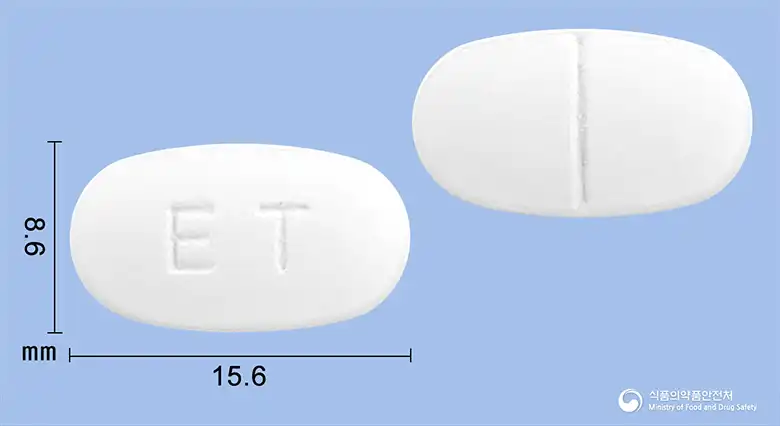 Combination
Metformin Hydrochloride 500mg · Glimepiride 2mg
Tablet · Prescription medication · Combination
Teragen Etex Co., Ltd.
Metformin Hydrochloride 500mg · Glimepiride 2mg
Tablet · Prescription medication · Combination
TDS Pharm Co., Ltd.
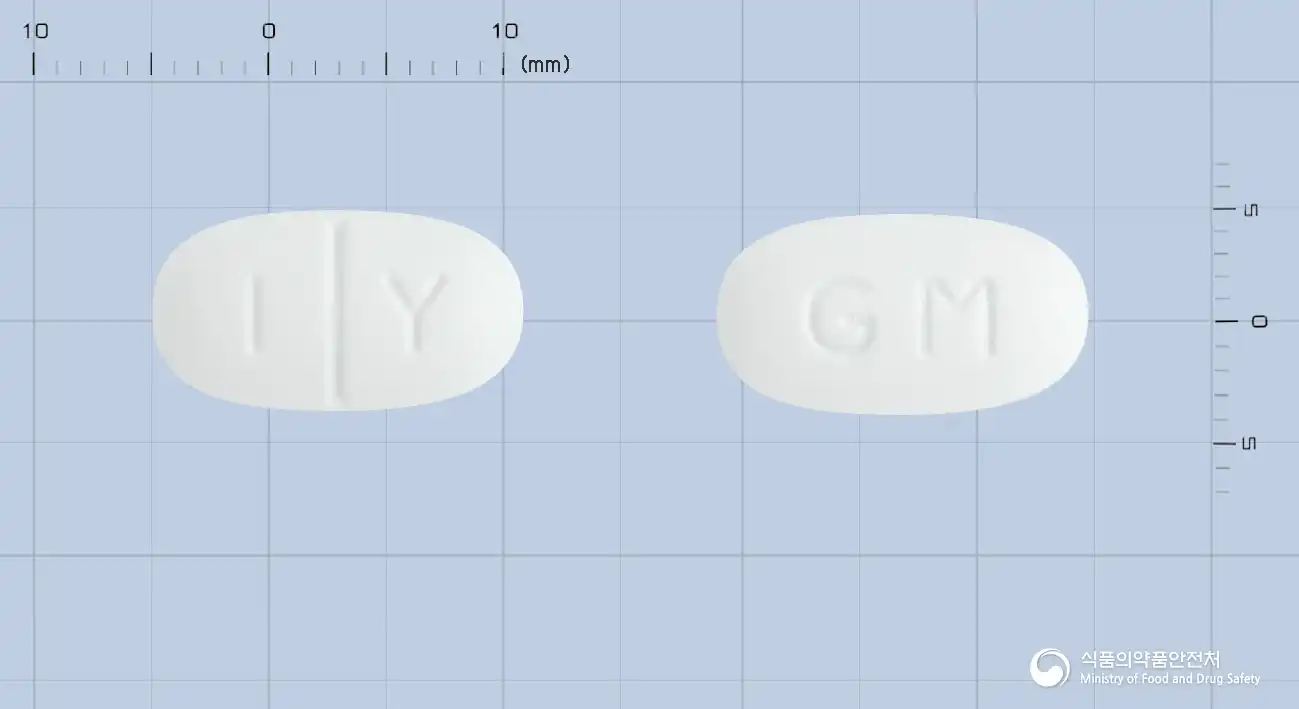 Combination
Glimepiride 2mg · Metformin Hydrochloride 500mg
Tablet · Prescription medication · Combination
Il Yang Pharmaceutical Co., Ltd.
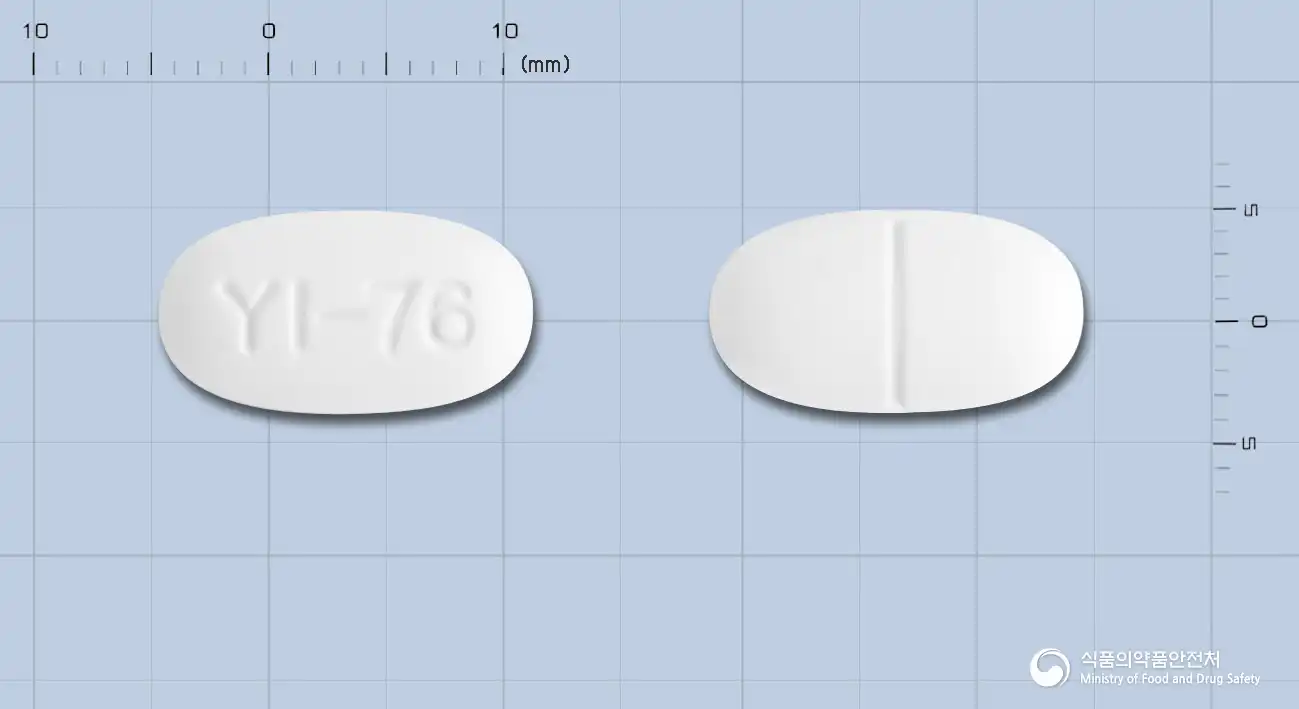 Combination
Glimepiride 2mg · Metformin Hydrochloride 500mg
Tablet · Prescription medication · Combination
Youngil Pharmaceutical Co., Ltd.
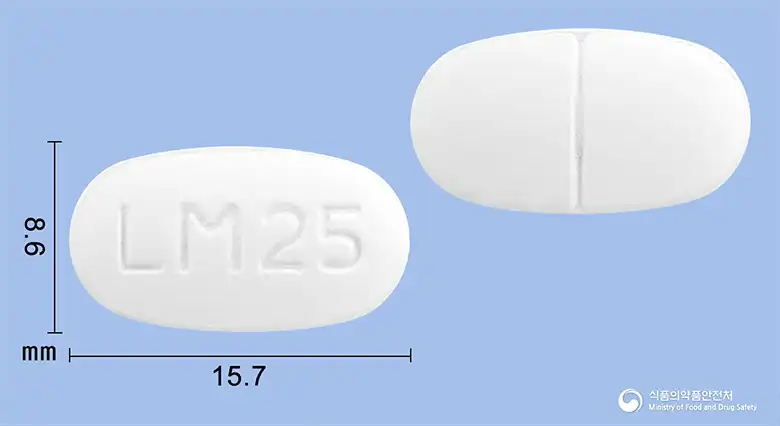 Combination
Glimepiride 2mg · Metformin Hydrochloride 500mg
Tablet · Prescription medication · Combination
Albozen Korea Co., Ltd.
Even with the same ingredient, the dose and directions can differ by strength and dosage form. Talk to a doctor or pharmacist before switching from a medication you are already taking.
No questions yet.
For anything that needs medical judgment, consult a doctor or pharmacist.
This drug information is based on data provided by the Korea Ministry of Food and Drug Safety.
Consult a doctor or pharmacist for accurate dosage, administration, and usage instructions.