
 한국어
한국어 English
 日本語
日本語 中文(简体)
Dosage form image
Viewing nowNeobon Injection 1 Microgram (Calcitriol)
Calcitriol 1μg
Injections · Prescription medication
Albozen Korea Co., Ltd.
MFDS item code 201105752 · Notified 2011.08.26 · Insurance code 652603021
Management of hypocalcemia and improvement of renal osteodystrophy.
This medication helps manage hypocalcemia in patients undergoing chronic kidney dialysis. It also significantly reduces elevated parathyroid hormone levels, improving renal osteodystrophy. Therefore, this drug is used to regulate states related to kidney disease and enhance bone health.
The initial recommended dosage of this drug is 0.5 μg (approximately 0.01 μg per kilogram of body weight) administered tri-weekly as calcitriol. It can be given as an IV bolus through a catheter upon completion of dialysis. If there is insufficient response regarding biochemical test values and clinical symptoms, the dose may be increased by 0.25-0.50 μg at 2-4 week intervals. Most dialysis patients respond well to a dose of 0.5-3.0 μg tri-weekly (0.01-0.05 μg per kilogram of body weight).
This drug is in an ampoule form, so care must be taken to carefully cut the glass container during use. If glass fragments mix with the solution, side effects may occur, so special caution is required especially when used by children or the elderly. This drug should not be used in patients with hypersensitivity to vitamin D or its derivatives, or those with hypercalcemia. Hypercalcemia refers to an abnormally high level of calcium in the blood. Women who are pregnant or breastfeeding should use this medication cautiously, as safety for the fetus or infant has not been established, and it should only be administered under a doctor's discretion when necessary. Rarely, allergic reactions may occur when using this medication, and overdose may lead to vitamin D toxicity. This toxicity can cause various symptoms such as nausea, vomiting, headache, drowsiness, hypertension, bone pain, and kidney problems. To enhance treatment efficacy, appropriate calcium intake is necessary, and taking calcium supplements or dietary adjustments is recommended. In case of overdose, calcium and phosphorus levels in the blood should be monitored periodically, and if hypercalcemia occurs, usage should be immediately discontinued. This medication should not be used in conjunction with other vitamin D preparations, and should not be taken alongside magnesium-containing antacids. Caution is advised when taken with heart disease medications. The safety and efficacy for children have not been sufficiently verified, and the elderly may have diminished physical function, so initially a lower dose should be started with careful monitoring of their condition. In cases of overdose, elevated calcium levels in the blood may lead to issues in multiple organs, so treatment should be immediately stopped and appropriate measures should be taken. This drug should be checked for discoloration or impurities before injection, and any remaining medication should be disposed of after use. The medicine should be stored in a container that protects it from light, and it is best to keep it at room temperature between 15 and 25 degrees Celsius. Proper storage helps to maintain the efficacy of the drug and prevent degradation.
Local redness and mild pain at the injection site, subsequent thirst, nausea, vomiting, dry mouth, constipation, metallic taste, loss of appetite, pancreatitis, abdominal cramps, headache, drowsiness, insomnia, numbness in hands, dizziness, worsened depression, agitation, anxiety, mental disorders, hypertension, arrhythmia, palpitations, prolonged QT interval, heart block, atrial fibrillation, bone pain, joint pain, runny nose, elevated AST, ALT, LDH, GGTP, and BUN.
Not everyone experiences these, and they can vary from person to person.
This medication should be stored in a sealed container that protects it from light and kept at room temperature between 15 and 25 degrees Celsius. This way of storage ensures that the drug's efficacy is well maintained and degradation is avoided.
A brown ampoule injection filled with a colorless to pale yellow transparent liquid.
1mL/ampoule x 10
Even with the same ingredient, strength, dosage form and how it is taken can differ.
Calcitriol 1μg
Injections · Prescription medication
Albozen Korea Co., Ltd.
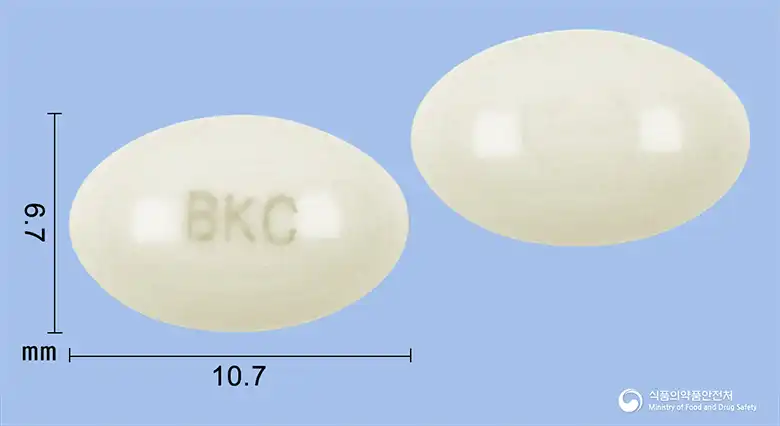
Calcitriol 0.25μg
Soft capsule · Prescription medication
Yuyu Pharmaceutical Co., Ltd.
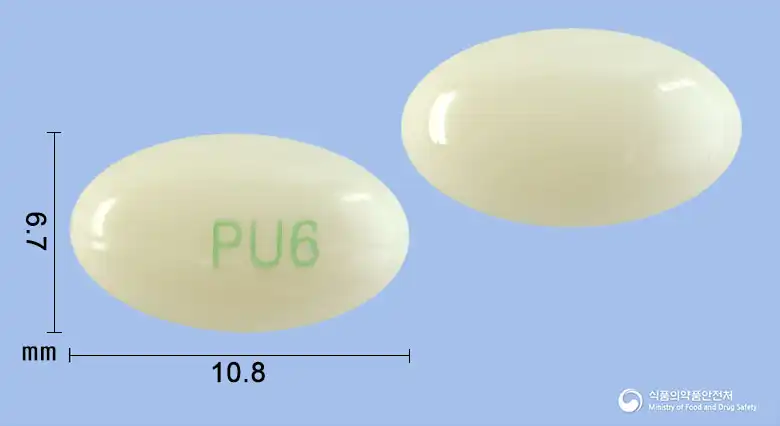
Calcitriol 0.25μg
Soft capsule · Prescription medication
Korea PMG Pharmaceutical Co., Ltd.
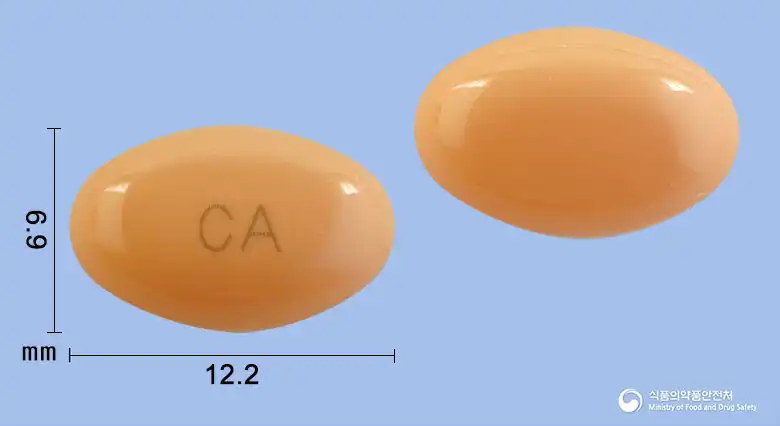
Calcitriol 0.25μg
Soft capsule · Prescription medication
Hanmi Pharmaceutical Co., Ltd.
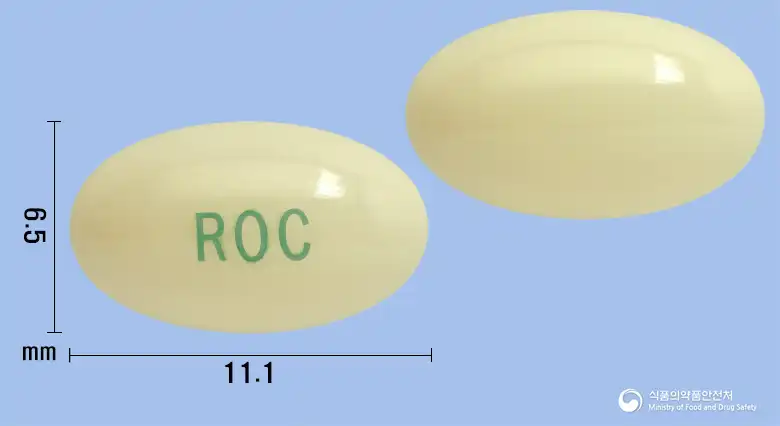
Calcitriol 0.25μg
Soft capsule · Prescription medication
Shinpoong Pharmaceutical Co., Ltd.
Calcitriol 0.25μg
Soft capsule · Prescription medication
GP Therapeutics Korea Co., Ltd.
Even with the same ingredient, the dose and directions can differ by strength and dosage form. Talk to a doctor or pharmacist before switching from a medication you are already taking.
No questions yet.
For anything that needs medical judgment, consult a doctor or pharmacist.
This drug information is based on data provided by the Korea Ministry of Food and Drug Safety.
Consult a doctor or pharmacist for accurate dosage, administration, and usage instructions.