Medication info
Daxas 500 micrograms (Roflumilast)

Daxas 500 micrograms (Roflumilast)

Prescription medicationTabletOral
Ingredient · strength
Roflumilast Micronized›0.5mg / 1 tablet
Manufacturer / importer
AstraZeneca Korea
Appearance
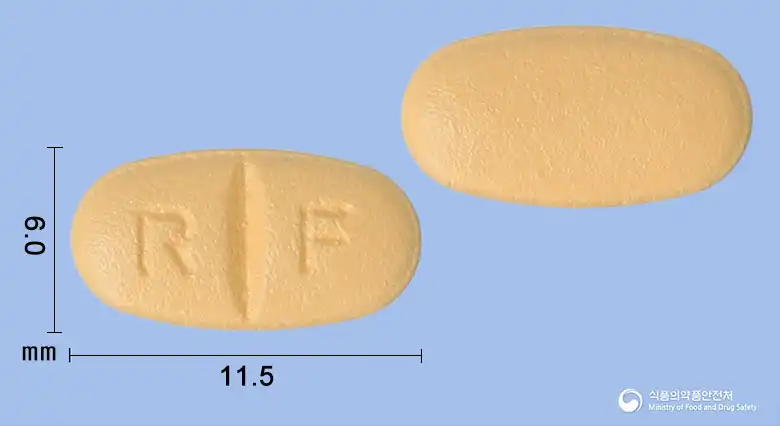
Yellow film-coated tablet shaped like a 'D' with 'D' imprinted on one side
Packaging
30 tablets (10 tablets/PTP x 3)
Approval status
Active

MFDS item code 201103179 · Approved 2011.05.16 · Insurance code 650701060

Summary

Main use
Maintenance treatment in combination therapy for severe chronic obstructive pulmonary disease with chronic bronchitis and a history of exacerbations
Who takes it
Adults
Adult dose
Adults 18 years of age and older: Take 1 tablet once daily, with or without food.

Ingredients

Importer
AstraZeneca Korea

Efficacy & effects

Maintenance treatment in combination therapy for severe chronic obstructive pulmonary disease with chronic bronchitis and a history of exacerbations

  • Exacerbation of symptoms
  • chronic bronchitis
  • severe chronic obstructive pulmonary disease
View approved original text

This medication is used as a maintenance therapy to assist the bronchodilator treatment in patients with chronic obstructive pulmonary disease who have a history of exacerbated symptoms, particularly in those with chronic bronchitis. It helps relieve respiratory symptoms, improve lung function, and reduce the frequency of exacerbations.

How to take

Adult dose

Adults 18 years of age and older: Take 1 tablet once daily, with or without food.

Precautions

This drug should not be used in patients who have an allergy to the active ingredient or excipients. It should not be administered to patients with moderate to severe impairment of liver function or severe immunological diseases. This drug is also not suitable for patients with acute severe infections, cancer patients, or those on immunosuppressants. It should not be taken by patients with latent infections or severe heart failure, or those with a history of suicidal thoughts or behaviors. Patients with lactose-related genetic disorders should avoid this drug. Patients with mild liver impairment, low body weight, or a history of mental illness or those taking medications that may cause psychiatric problems should use this drug with caution. Common side effects of this drug include diarrhea, weight loss, nausea, abdominal pain, and headache, which are mostly mild to moderate. These symptoms may appear particularly during the early stages of treatment and often improve over time. Rare psychiatric side effects such as insomnia, anxiety, depression, and suicidal thoughts have been reported, and patients and caregivers should carefully monitor for these changes. This drug should not be used as a relief for acute bronchospasm, and underweight patients should regularly check for weight changes. If psychiatric symptoms occur or there is a history of mental illness, immediate consultation with healthcare professionals is necessary. There may be drug interactions, especially with medications that inhibit or induce specific liver metabolic enzymes. It is safer not to use this drug during pregnancy or breastfeeding, and it should not be administered to children under 18 years of age. In the case of overdose, symptoms such as headache, dizziness, and palpitations may occur; thus, overdose should be avoided, and any unusual symptoms should be reported to healthcare professionals immediately. This drug should be stored out of reach of children and maintained in its original packaging to preserve its quality.

Side effects

  • Diarrhea
  • weight loss
  • nausea
  • abdominal pain
  • headache
  • hypersensitivity reaction
  • angioedema
  • gynecomastia
  • decreased appetite
  • insomnia
Show 157 more
  • anxiety
  • suicidal thoughts and behavior
  • depression
  • irritability
  • panic attacks
  • tremor
  • dizziness
  • vertigo
  • taste disorder
  • palpitations
  • respiratory tract infection
  • gastritis
  • vomiting
  • gastroesophageal reflux disease
  • dyspepsia
  • blood in stool
  • constipation
  • gamma-glutamyl transferase elevation
  • aspartate aminotransferase increase
  • rash
  • hives
  • muscle spasm
  • muscle weakness
  • myalgia
  • back pain
  • increased serum creatine phosphokinase
  • lethargy
  • asthenia
  • fatigue
  • exacerbation of COPD
  • dyspnea
  • pneumonia
  • hemoptysis
  • pneumothorax
  • dizziness
  • abdominal pain
  • decreased appetite
  • lung cancer
  • myocardial infarction
  • dyspepsia
  • gastritis
  • hemorrhoids
  • anal discomfort
  • gastroenteritis
  • peptic ulcer
  • cough
  • asthma
  • lung disease
  • neuropathy
  • pulmonary abscess
  • influenza virus B infection
  • septic shock
  • pulmonary tuberculosis
  • fever
  • back pain
  • osteoarthritis
  • depressed mood
  • drug overdose
  • hyperglycemia
  • colon polyp
  • gastric cancer
  • esophageal cancer
  • rectal cancer
  • benign renal neoplasm
  • syncope
  • ALT elevation
  • AST elevation
  • alcoholic liver disease
  • urinary disorders
  • unstable angina
  • cardiomyopathy
  • spinal fracture
  • rib fracture
  • abdominal discomfort
  • sputum disease
  • chest pain
  • dry mouth
  • dental pain
  • stomatitis
  • runny nose
  • sore throat
  • numbness
  • leg pain
  • chest discomfort
  • flank pain
  • ankle swelling
  • peripheral edema
  • limb pain
  • joint pain
  • neck/shoulder pain
  • leg weakness
  • sleep disturbances
  • drowsiness
  • hyperkalemia
  • pruritus
  • hypertension
  • increased urinary white blood cells
  • dry eye
  • coronary artery occlusion
  • skin laceration
  • abdominal distension
  • anal pain
  • duodenitis
  • dysphagia
  • gastric ulcer
  • gum pain
  • increased bowel movements
  • backache
  • burning sensation
  • diabetic neuropathy
  • polyneuropathy
  • rhinitis
  • sinusitis
  • purulent sputum
  • oral thrush
  • onychomycosis
  • tinea pedis
  • facial swelling
  • increased CRP
  • chills
  • generalized edema
  • vasculitis
  • neck stiffness
  • osteoporosis
  • confusion
  • hallucinations
  • hyperlipidemia
  • diabetes
  • electrolyte disturbance
  • gout
  • hypercholesterolemia
  • hypoglycemia
  • decreased serum potassium
  • thirst
  • increased serum uric acid
  • soft tissue infection
  • dermatitis
  • skin pain
  • increased sweating
  • heart failure
  • hematuria
  • renal failure
  • frequency of urination
  • cataract
  • corneal ulcer
  • ocular infection
  • macular degeneration
  • blurred vision
  • inguinal hernia
  • cerebral ischemia
  • pneumoconiosis
  • anemia
  • contusion
  • postoperative pain
  • head heaviness
  • sticky feeling
  • arterial hypotension

Not everyone experiences these, and they can vary from person to person.

Storage

This drug should be stored at room temperature between 1°C and 30°C, and it is important to keep it in a tightly closed container to prevent air from entering. This will help maintain the effectiveness of the medication for a longer period.

Appearance and packaging

Appearance

Yellow film-coated tablet shaped like a 'D' with 'D' imprinted on one side

Package unit

30 tablets (10 tablets/PTP x 3)

Same-ingredient medicines

Even with the same ingredient, strength, dosage form and how it is taken can differ.

Even with the same ingredient, the dose and directions can differ by strength and dosage form. Talk to a doctor or pharmacist before switching from a medication you are already taking.

Questions about this medicine

No questions yet.

For anything that needs medical judgment, consult a doctor or pharmacist.

Related searches

Search tags

Suggested searches

This drug information is based on data provided by the Korea Ministry of Food and Drug Safety.
Consult a doctor or pharmacist for accurate dosage, administration, and usage instructions.