
 한국어
한국어 English
 日本語
日本語 中文(简体)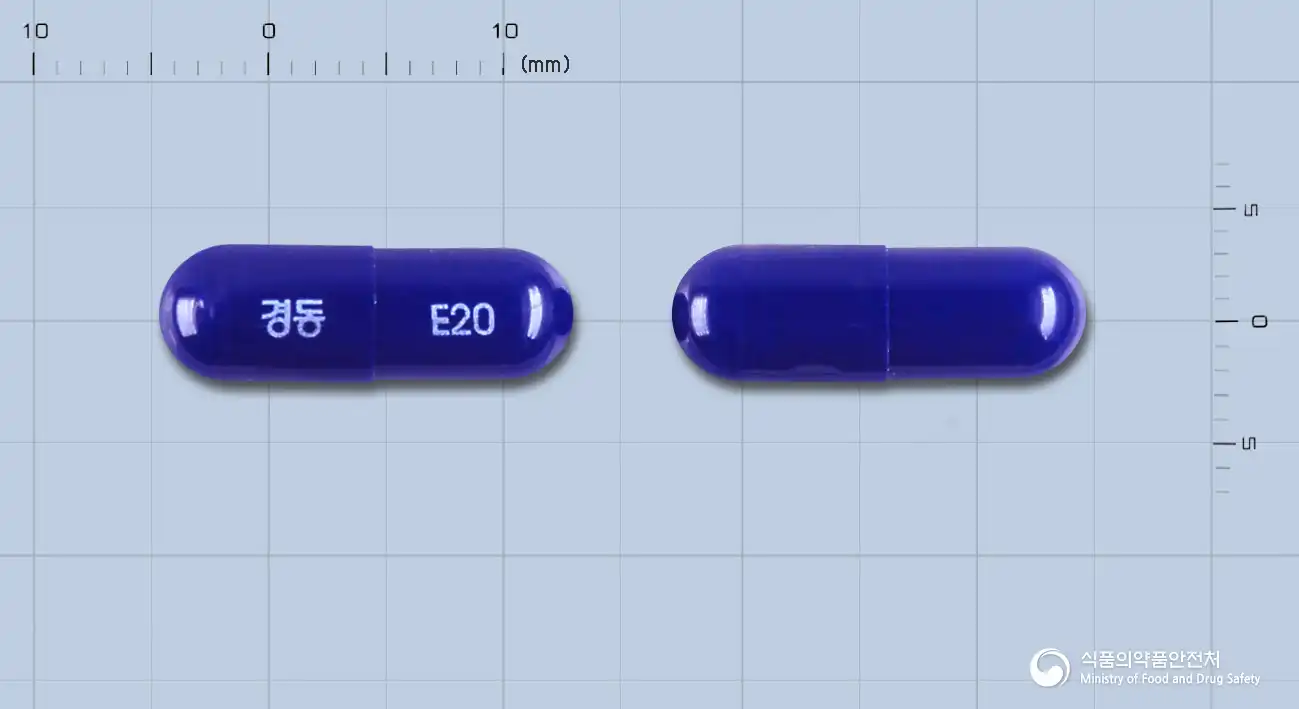
Summary
- Main use
- Treatment of gastroesophageal reflux disease (including erosive esophagitis), eradication of Helicobacter pylori, prevention of recurrence of peptic ulcers, alleviation of gastrointestinal symptoms associated with nonsteroidal anti-inflammatory drugs, and treatment/prevention of ulcers.
- Who uses it
- Adults · Children
- Adult dosage
- This medication should be taken with liquids like water and should not be chewed or crushed. Patients who have difficulty swallowing capsules may take this medication by opening the capsule and mixing the contents in half a cup of still water. Other beverages should not be used as they can dissolve enteric coatings. After opening the capsule and adding the contents to water, stir and drink immediately without chewing, rinsing the cup with another half cup of still water to consume the remnants.
- Children's dosage
- Adolescents aged 12 years and above should take the same dosage as adults. There is no experience with administration in children under 12 years of age.
Ingredients
- Manufacturer
- 경동제약(주)
Efficacy & effects
Treatment of gastroesophageal reflux disease (including erosive esophagitis), eradication of Helicobacter pylori, prevention of recurrence of peptic ulcers, alleviation of gastrointestinal symptoms associated with nonsteroidal anti-inflammatory drugs, and treatment/prevention of ulcers.
- Gastroesophageal reflux disease
- erosive reflux esophagitis
- esophagitis
- benign duodenal ulcers caused by Helicobacter pylori
- peptic ulcers
- upper gastrointestinal pain
- upper gastrointestinal discomfort
- upper gastrointestinal burning sensation
- gastric ulcers
- duodenal ulcers
- Zollinger-Ellison syndrome
- rebleeding from gastric ulcers
View approved original textHide original text
This medication is used for the treatment of gastroesophageal reflux disease, especially erosive reflux esophagitis, and for long-term maintenance therapy to prevent recurrence in esophagitis patients. It is also used in combination with antibiotics for the treatment and prevention of recurrence of duodenal ulcers and peptic ulcers caused by Helicobacter pylori. It is effective in treating upper gastrointestinal symptoms and gastric ulcers caused by nonsteroidal anti-inflammatory drugs and in preventing gastric and duodenal ulcers. The drug is also utilized in the treatment of Zollinger-Ellison syndrome and for maintenance therapy after intravenous treatment of bleeding gastric or duodenal ulcers. As such, it is used for the treatment and prevention of various gastrointestinal diseases.
Dosage and Administration
Adult dosage
This medication should be taken with liquids like water and should not be chewed or crushed. Patients who have difficulty swallowing capsules may take this medication by opening the capsule and mixing the contents in half a cup of still water. Other beverages should not be used as they can dissolve enteric coatings. After opening the capsule and adding the contents to water, stir and drink immediately without chewing, rinsing the cup with another half cup of still water to consume the remnants.
Children's dosage
Adolescents aged 12 years and above should take the same dosage as adults. There is no experience with administration in children under 12 years of age.
Precautions
This drug should not be used by individuals with specific allergic reactions or hypersensitivity to any components of this drug. Additionally, avoid concomitant use with certain antibiotics or antivirals as this may lead to side effects or interactions. It is advisable for breastfeeding women to refrain from taking this medication. Rarely, various side effects such as blood disorders, allergic reactions, neurological disorders, gastrointestinal issues, liver function abnormalities, and skin rashes may occur when taking this medication. Regular health check-ups are required for long-term use, especially when taken for more than one year, to closely monitor overall health status, such as magnesium levels. This medication reduces gastric acid secretion, which may promote bacterial growth in the gastrointestinal tract, potentially increasing the risk of diarrhea or infections. The risk of fractures may be increased, so individuals with osteoporosis or at risk should consult their doctor. Individuals with specific genetic metabolic disorders may experience issues due to the drug's components, so prior verification is necessary before use. Given that this drug interacts with many other medications, anyone currently taking medication should inform their healthcare provider, particularly when taking anticoagulants, anticonvulsants, and antidepressants. Due to limited safety data during pregnancy, it is recommended to consult a physician before use. In case of overdose, there is no specific antidote; appropriate treatment should be administered based on symptoms, and it should be kept out of reach of children.
Side effects and when to seek care immediately
Serious side effects
Urticaria, angioedema, anaphylactic reaction/shock, chest tightness, difficulty breathing, cold sweat, pallor, severe rash accompanied by high fever, blisters, peeling skin, pain in oral/ocular mucosa, Stevens-Johnson syndrome, toxic epidermal necrolysis, acute generalized exanthematous pustulosis, drug reaction with eosinophilia and systemic symptoms (DRESS syndrome), bronchospasm, jaundice, hepatitis, liver failure, encephalopathy, sudden and
Mild side effects
- Fever
- peripheral edema
- hyponatremia
- insomnia
- anxiety
- mental confusion
- depression
- aggression
- hallucinations
- headache
Show 27 moreCollapse
- dizziness
- sensory disturbances
- drowsiness
- taste disorder
- blurred vision
- dizziness
- bronchospasm
- pancreatitis
- abdominal pain
- constipation
- diarrhea
- abdominal bloating
- nausea
- vomiting
- dry mouth
- stomatitis
- gastrointestinal candidiasis
- microscopic colitis
- increased liver enzymes
- hepatitis
- dermatitis
- itching
- rash
- hair loss
- photosensitivity
- erythema multiforme
- fractures.
Not everyone experiences these, and they can vary from person to person.
Storage
This drug may be sensitive to air and moisture, so it should be stored in a tightly sealed container. Also, it is best to store it at room temperature, avoiding direct sunlight.
Appearance and packaging
Appearance
An opaque purple hard capsule containing white to pale yellowish granules.
Package unit
28 capsules (7 capsules/Alu-Alu x 4)
Questions about this medicine
No questions yet.
For anything that needs medical judgment, consult a doctor or pharmacist.