
 한국어
한국어 English
 日本語
日本語 中文(简体)
Dosage form image
Viewing nowMonolear Granules 4mg (Montelukast Sodium)
Montelukast Sodium 4.16mg
Prescription medication
Jongkundang Co., Ltd.
MFDS item code 201101770 · Notified 2011.03.30 · Insurance code 643306031
Prevention of asthma and relief of allergy rhinitis symptoms
This medication helps to prevent and treat asthma continuously. It is also used to alleviate symptoms of allergic rhinitis that occur seasonally and year-round.
This 4 mg granule medication can be taken orally directly or mixed with a small amount (about 5 mL) of soft food such as baby food, breast milk, or porridge that is below room temperature. The packaging should not be opened until just before taking it, and once opened, it should be taken immediately (within 15 minutes) mixed with baby food, breast milk, or as a whole. This medication is not formulated to be taken mixed with beverages other than baby food or breast milk.
Children aged 2 to 5 years should take 4 mg of montelukast orally once daily. Infants aged 12 months to less than 2 years should take 4 mg of this medication orally in the evening once daily. Infants aged 6 months to less than 2 years should take this
This medication can affect the nervous system, so if abnormal behaviors or symptoms such as agitation, anxiety, depression, hallucinations, or suicidal thoughts occur during treatment, you should consult a doctor immediately. This medication should not be used by individuals who are hypersensitive to its components. While on this medication, side effects such as lethargy, fatigue, dyspepsia, headache, nasal congestion, and rash may occur, so you should inform your doctor if symptoms are severe or persistent. This medication is not intended for use during acute asthma attacks, so be sure to have emergency inhalers ready for sudden asthma symptoms. Patients with hypersensitivity to aspirin or non-steroidal anti-inflammatory drugs should be careful not to take these drugs simultaneously with this medication. Rare vascular symptoms associated with eosinophilia may occur while taking this medication. If there are exacerbations of respiratory symptoms or skin rashes, a doctor's examination should be sought. There are no specific interaction reports when used with other drugs, but caution is advised when used with drugs that induce some liver metabolic enzymes. Pregnancy should be treated with this medication only when necessary, and breastfeeding mothers should use it cautiously since there is a possibility of excretion in breast milk. It can also be used in children and the elderly, but the dosage and usage must be strictly followed according to the doctor's instructions according to age. In case of overdose, there is no specific antidote, so general symptomatic treatment and monitoring are needed. If symptoms occur, visit a medical facility immediately. This medication is sensitive to light; therefore, do not open the packaging until just before taking it, and after taking it, store it in a safe place out of the reach of children. Even if asthma symptoms are not present, it should be taken regularly, and if symptoms worsen or the use of rescue inhalers increases, immediate medical consultation is required.
Urticaria, angioedema, toxic epidermal necrolysis, Stevens-Johnson syndrome, suicidal thoughts and behaviors (including suicide), suicidal impulses, thrombocytopenia, liver abnormalities (including increased ALT and AST), severe allergic reactions, severe edema, serious neurological symptoms, vasculitis, respiratory problems, systemic eosinophilia (including symptoms of Churg-Strauss syndrome)
Not everyone experiences these, and they can vary from person to person.
This medication is sensitive to moisture and light, so it should be stored at room temperature between 1°C and 30°C. Additionally, it is important to store the medication in a sealed container to prevent contact with air.
Homogeneous white granules free of impurities
28 packets/box [(4mg/packet x 28)]
Even with the same ingredient, strength, dosage form and how it is taken can differ.
Montelukast Sodium 4.16mg
Prescription medication
Jongkundang Co., Ltd.
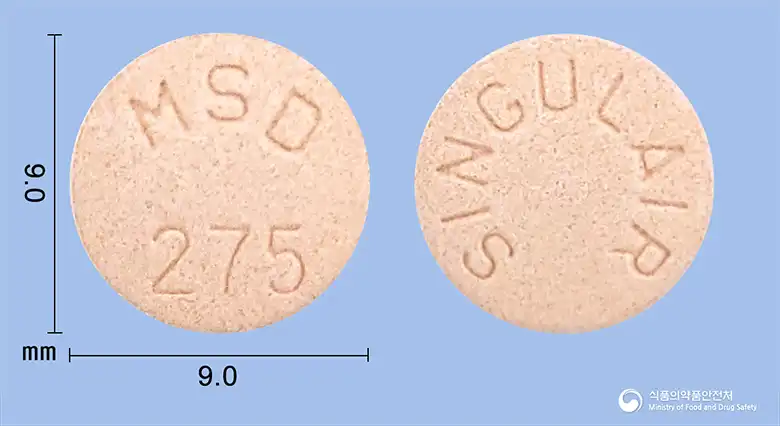
Montelukast Sodium 5.2mg
Chewable Tablet · Prescription medication
Korea Organon Co., Ltd.
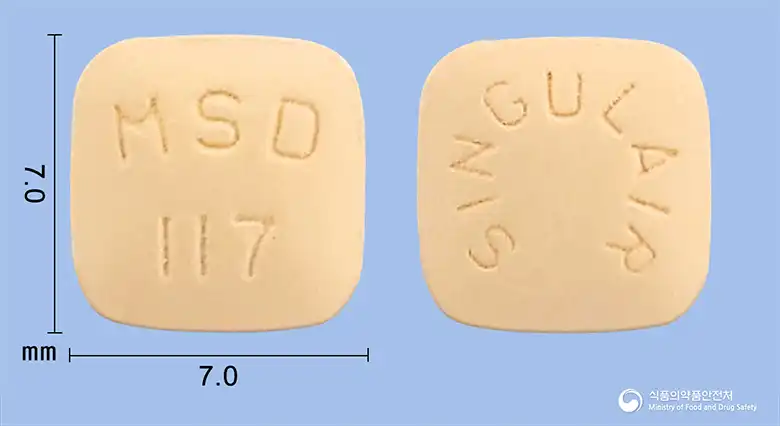
Montelukast Sodium 10.4mg
Tablet · Prescription medication
Korea Organon Co., Ltd.
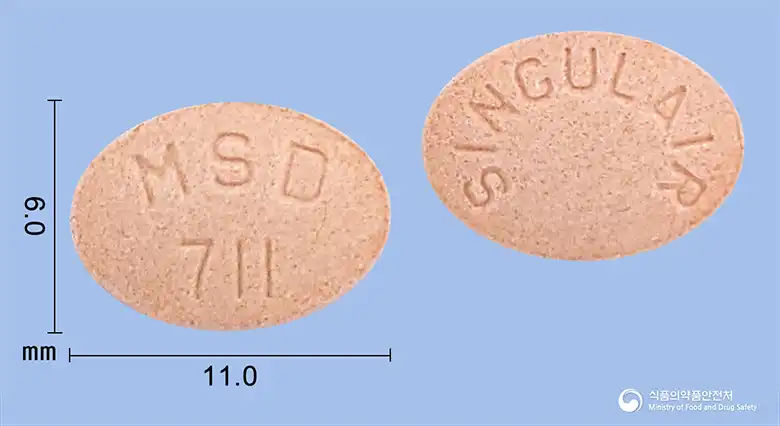
Montelukast Sodium 4.16mg
Chewable Tablet · Prescription medication
Korea Organon Co., Ltd.
Montelukast Sodium 4.16mg
Prescription medication
Korea Organon Co., Ltd.
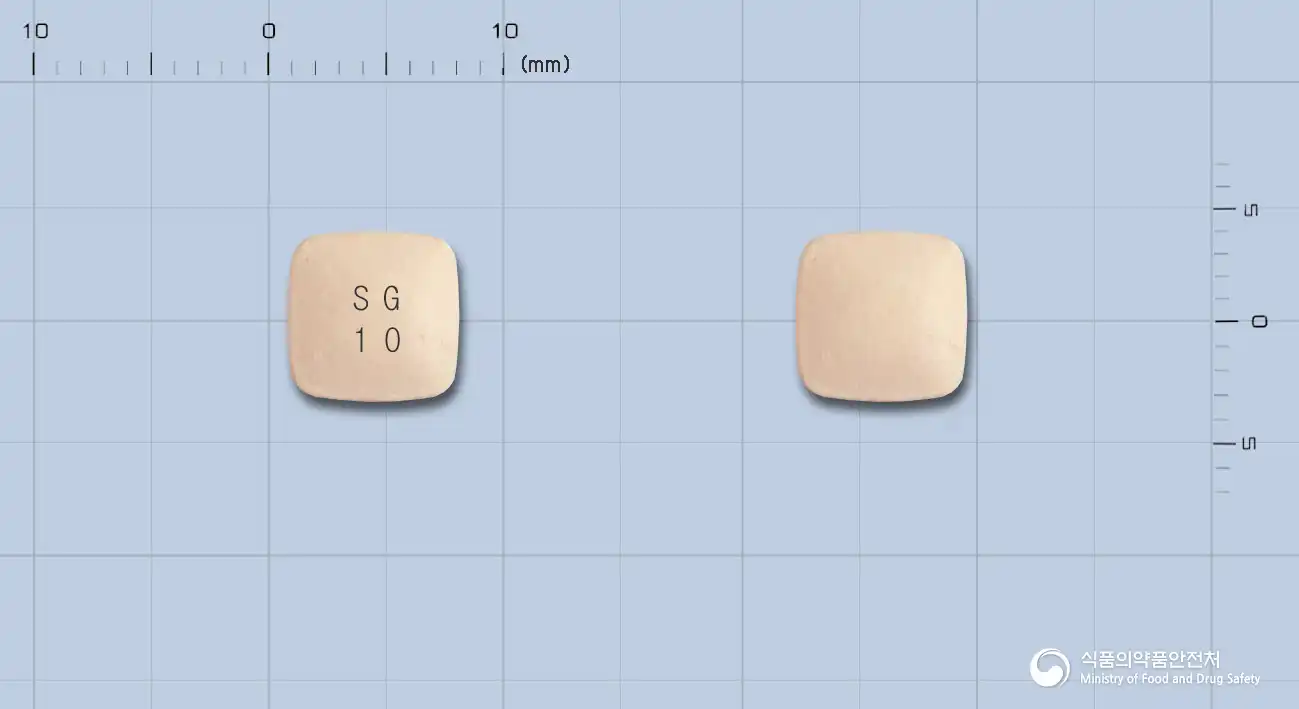
Montelukast Sodium 10.4mg
Tablet · Prescription medication
JW Pharmaceutical Co., Ltd.
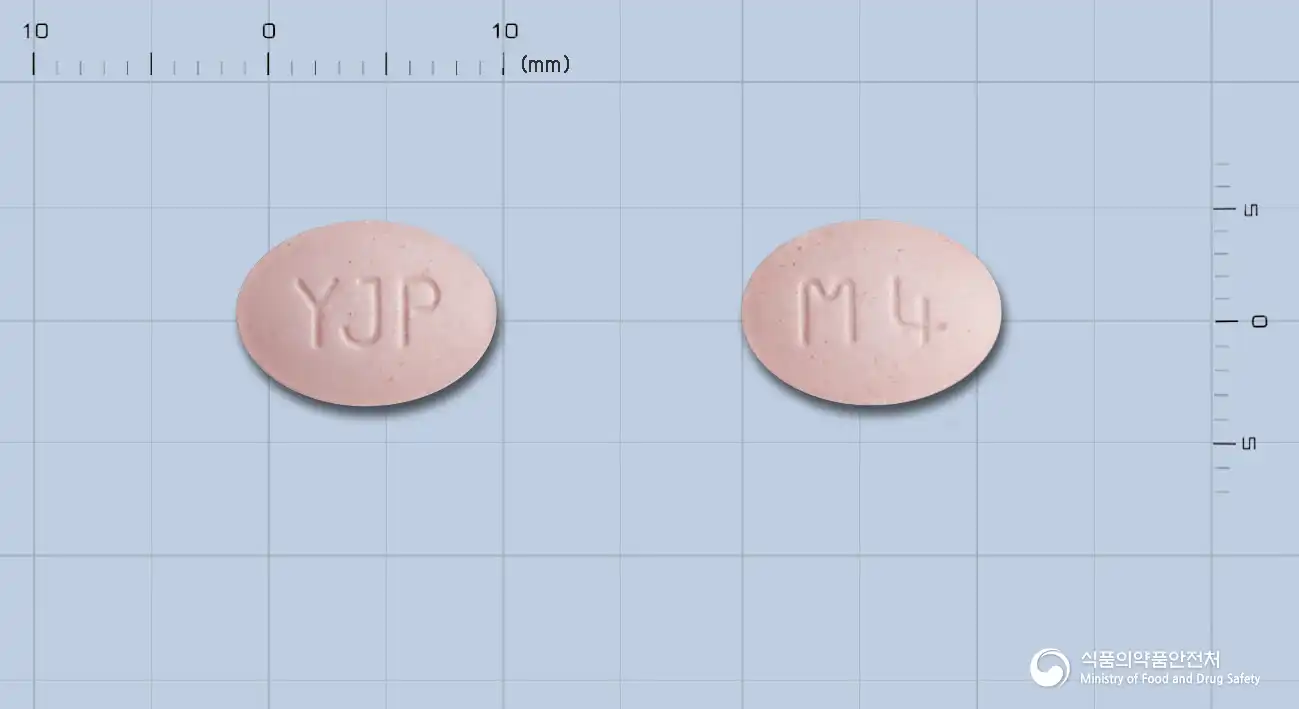
Montelukast Sodium 4.16mg
Chewable Tablet · Prescription medication
Youngjin Pharmaceutical Co., Ltd.
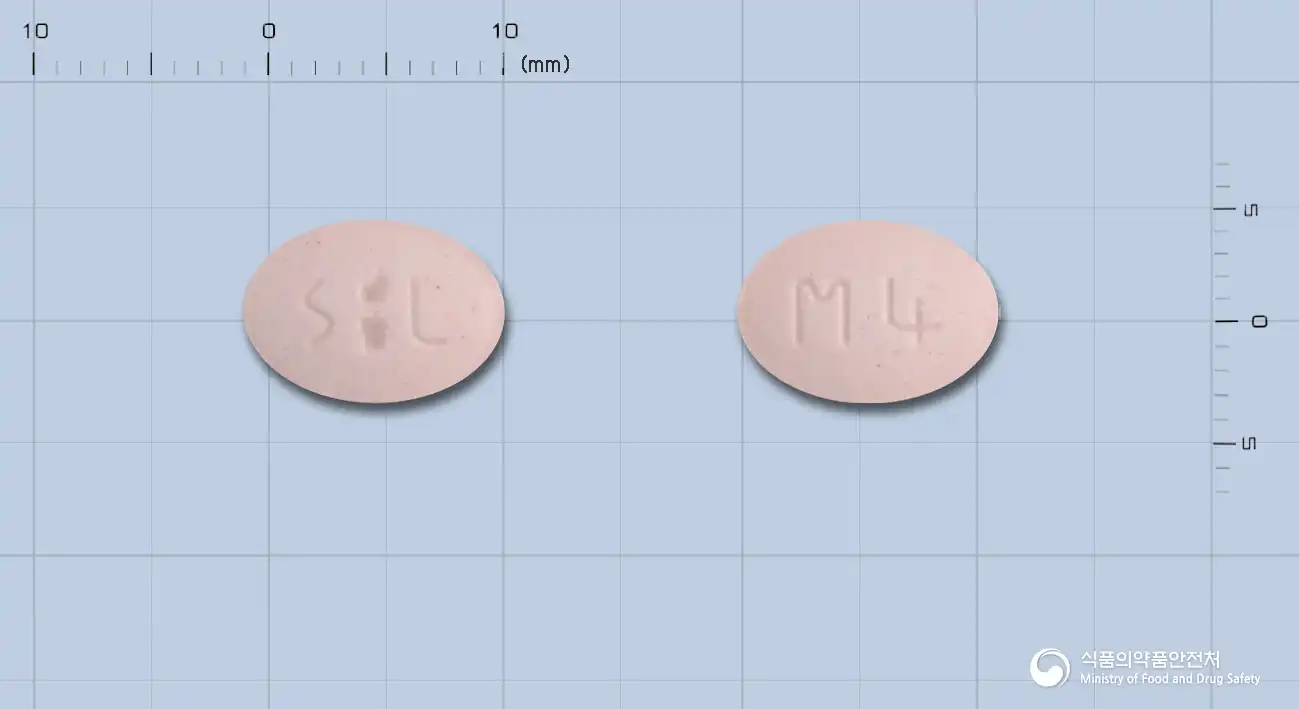
Montelukast Sodium 4.16mg
Chewable Tablet · Prescription medication
Samil Pharmaceutical Co., Ltd.
Even with the same ingredient, the dose and directions can differ by strength and dosage form. Talk to a doctor or pharmacist before switching from a medication you are already taking.
No questions yet.
For anything that needs medical judgment, consult a doctor or pharmacist.
This drug information is based on data provided by the Korea Ministry of Food and Drug Safety.
Consult a doctor or pharmacist for accurate dosage, administration, and usage instructions.