
 한국어
한국어 English
 日本語
日本語 中文(简体)
 Viewing now
Dezaltan 16 mg (Candesartan Cilexetil)
Candesartan Cilexetil 16mg
Tablet · Prescription medication
Hanmi Pharmaceutical Co., Ltd.
MFDS item code 201101757 · Approved 2011.03.29 · Insurance code 643505900
Treatment of essential hypertension and heart failure (left ventricular dysfunction)
This medication effectively lowers blood pressure in patients with essential hypertension, aiding in blood pressure management. It is also used in heart failure patients with impaired left ventricular function where ACE inhibitor treatment is not suitable or additional treatment is required. Particularly, it is appropriate for patients with heart failure classified in NYHA classes II to IV, and with a left ventricular ejection fraction of 40% or less. Therefore, this medication is effectively used for symptom improvement in patients with hypertension and certain types of heart failure.
1. Essential Hypertension - The initial and maintenance doses of candesartan cilexetil are recommended to be administered orally at 8 to 16 mg once daily. - If blood pressure is not adequately controlled after 4 weeks at 16 mg once daily, the dose may be increased to a maximum of 32 mg once daily. - In patients with decreased effective blood volume and those with kidney disease, treatment should start with an initial dose of 4 mg. - In patients with liver disease, the initial dose should be 1.
The safety and efficacy in children and adolescents under 18 have not been established.
This medication can cause serious harm to the fetus if taken during pregnancy, especially in the second and third trimesters, so it should be discontinued immediately upon confirmation of pregnancy. People who are allergic to this drug or its ingredients, pregnant or nursing women, patients with severe liver dysfunction or cholestasis, and those with a history of hereditary angioedema should not take this medication. Additionally, patients with galactose intolerance or certain genetic metabolic disorders should also avoid this drug. Elderly patients, those with hyperkalemia, patients with mild to moderate liver dysfunction, certain heart valve disease patients, and patients with impaired kidney function should use this medication cautiously, monitoring their status closely before and during administration. Side effects such as dizziness, back pain, and respiratory infections may occur; rarely, serious side effects like blood abnormalities, liver dysfunction, muscle problems, and worsening kidney function may arise. Therefore, consultation with healthcare professionals is recommended upon the appearance of abnormal symptoms. In heart failure patients, hypotension or worsening kidney function may appear during use of this medication, so regular monitoring of serum potassium and creatinine levels is advised. This drug may enhance the blood pressure-lowering effects when used with other antihypertensives, so caution is necessary during co-administration. Particularly, when taken with potassium-sparing diuretics or potassium supplements, the blood potassium level may rise to dangerous levels, requiring attention. Patients preparing for surgery or anesthesia should stop taking this medication 24 hours before the procedure. In patients with poor kidney function or heart failure, the treatment should start at a low dose and gradually increase while observing the patient's condition closely. Caution is warranted when driving or operating machinery as dizziness or drowsiness may occur. Women who are pregnant or planning to become pregnant should avoid taking this medication, and nursing mothers should also refrain from use. The safety and efficacy of this drug have not been established in children and adolescents under 18. In cases of overdose, symptoms may include hypotension, dizziness, and rapid heartbeat; in emergencies, stabilizing the patient and providing necessary treatment is required. This medication should be kept out of reach of children and transferring it to other containers is not advised as it may compromise product quality.
Hives, angioedema, severe edema, cold sweat, severe allergic reactions, fever associated with severe rash, blisters, skin peeling, pain in oral and ocular mucosa, severe skin reactions, shortness of breath or difficulty breathing, asthma attacks, respiratory distress accompanied by cough and fever, jaundice (yellowing of skin or eyes), profound lethargy, liver dysfunction (jaundice), sudden and severe headaches, thunderclap headache, seizures,
Dizziness, back pain, respiratory infections (upper respiratory infections, pharyngitis, rhinitis), fatigue, peripheral edema, chest pain, headache, bronchitis, cough, sinusitis, nausea, abdominal pain, diarrhea, vomiting, joint pain, proteinuria, weakness, fever, paresthesia, indigestion, gastroenteritis, tachycardia, palpitations, increased creatine kinase, hyperglycemia, hypertriglyceridemia, hyperuricemia, myalgia, nasal bleeding, anxiety, depression, drowsiness, dyspnea, rash, sweating
Not everyone experiences these, and they can vary from person to person.
This medication can be sensitive to air and moisture, so it must be stored in a tightly sealed container. It is recommended to maintain the storage temperature between 1 to 30 degrees Celsius. Proper storage ensures the effectiveness and safety of the medication over time.
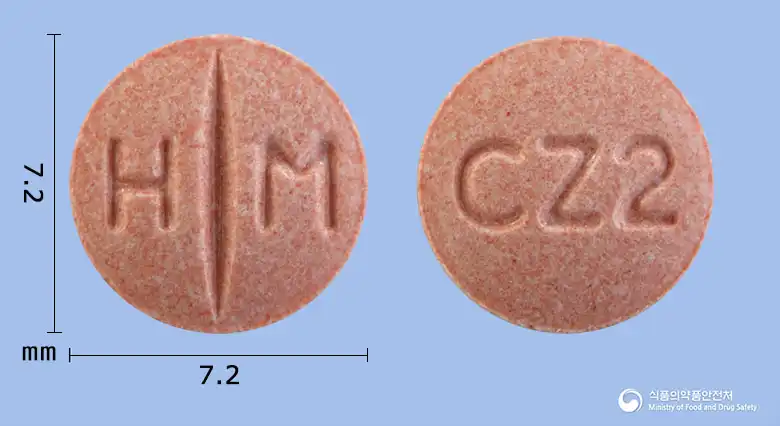
Light pink tablets that are convex on both sides with a line on one side.
1 bottle/box [30 tablets/bottle], 1 bottle/box [300 tablets/bottle]
Even with the same ingredient, strength, dosage form and how it is taken can differ.
Viewing nowCandesartan Cilexetil 16mg
Tablet · Prescription medication
Hanmi Pharmaceutical Co., Ltd.
Candesartan Cilexetil 16mg
Tablet · Prescription medication
Yuhans Chemical Co., Ltd.
Candesartan Cilexetil 8mg
Tablet · Prescription medication
Yuhan Corporation
Candesartan Cilexetil 32mg
Tablet · Prescription medication
DKSH Korea Co., Ltd.
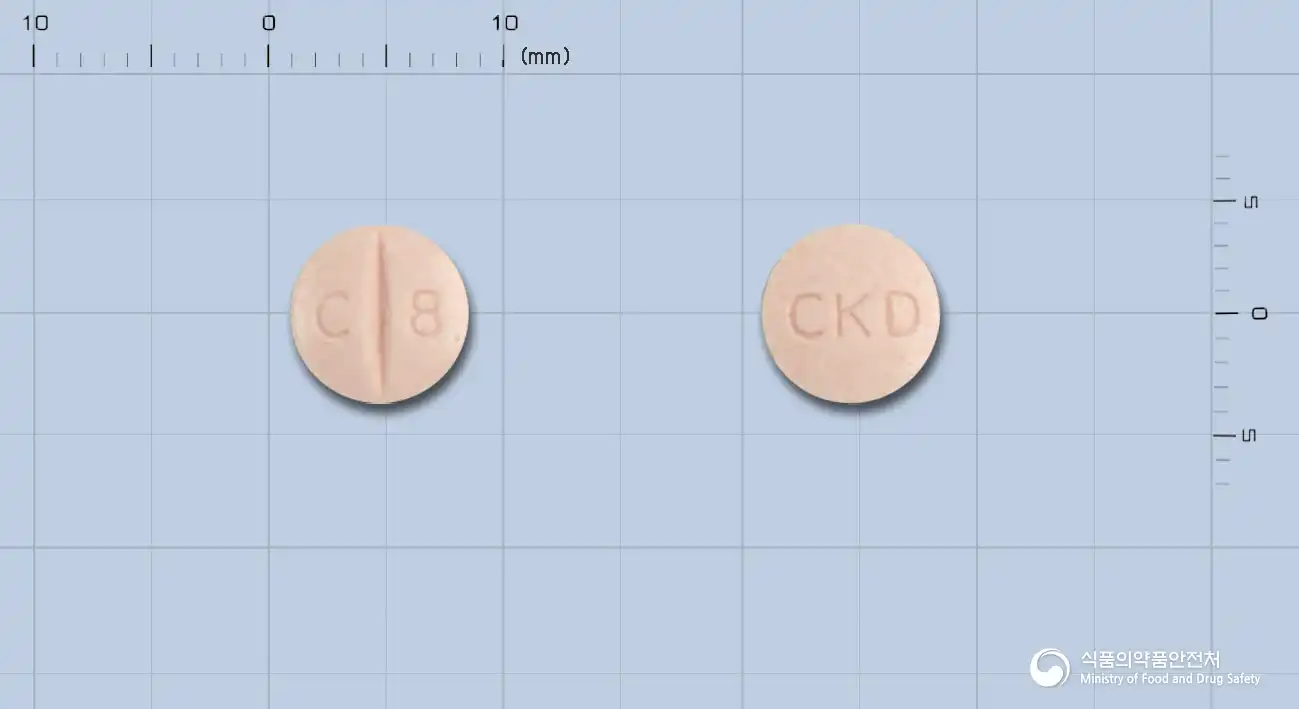
Candesartan Cilexetil 8mg
Tablet · Prescription medication
Jong Kun Dang Co., Ltd.
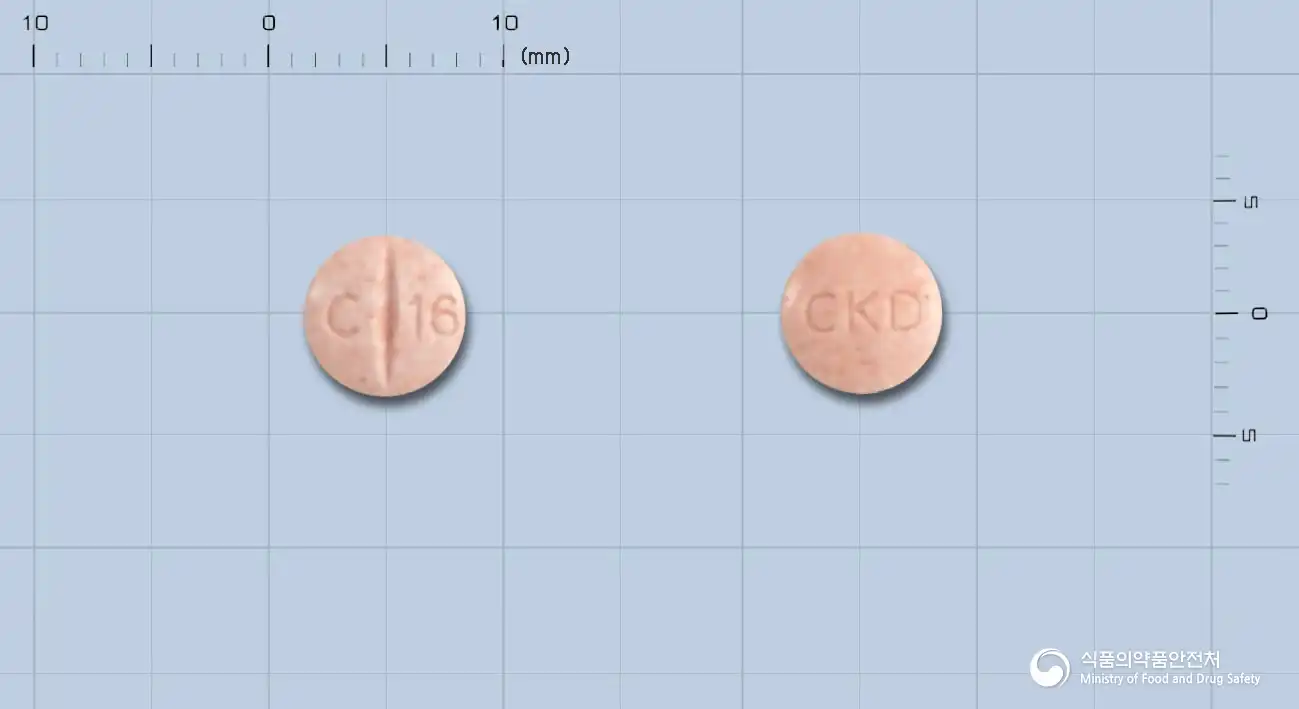
Candesartan Cilexetil 16mg
Tablet · Prescription medication
Jongkundang Co., Ltd.
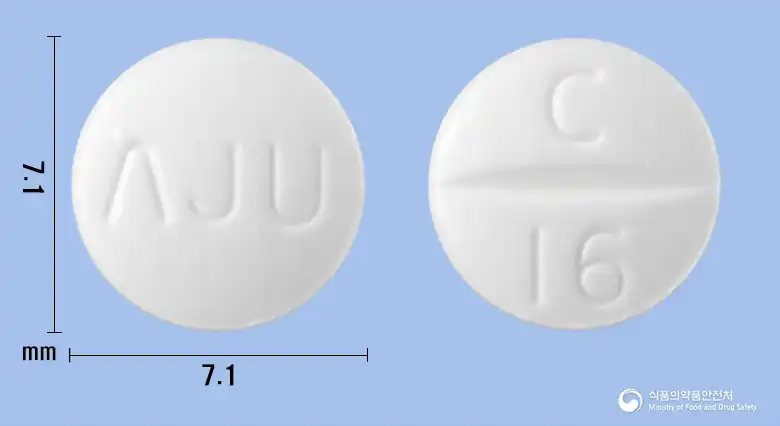
Candesartan Cilexetil 16mg
Tablet · Prescription medication
Ajou Pharmaceutical Co., Ltd.
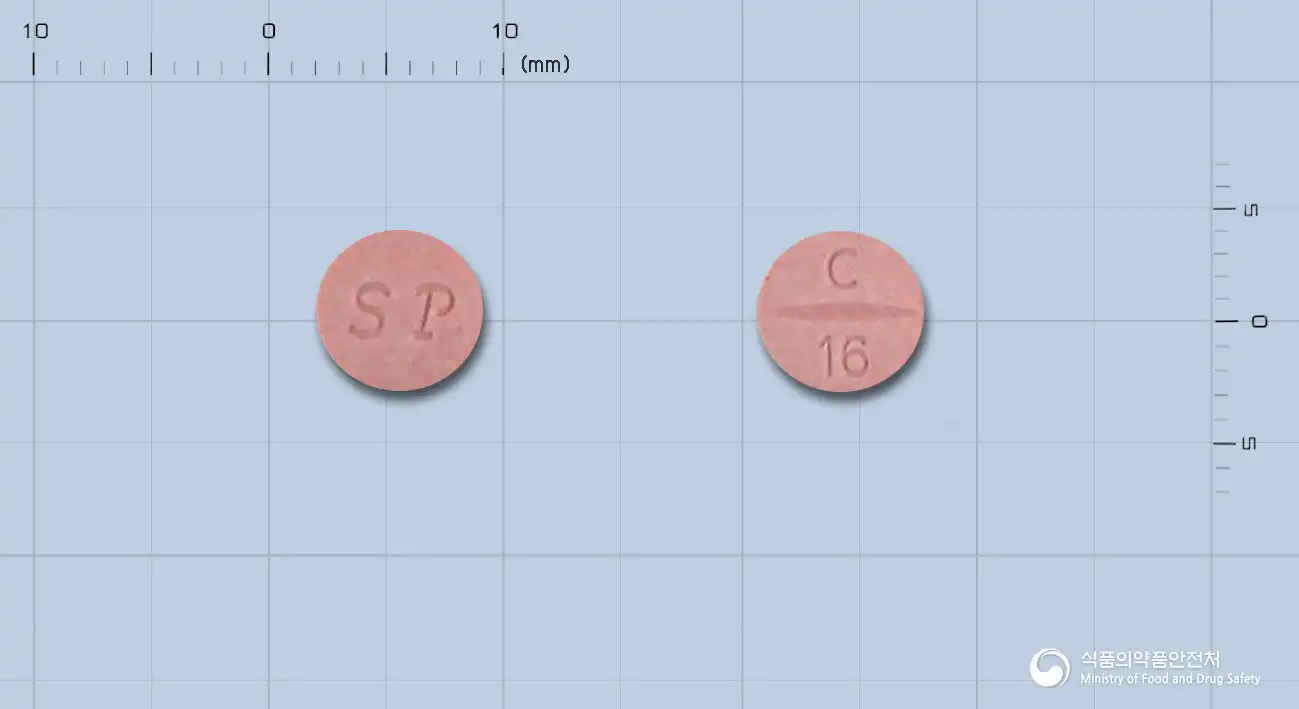
Candesartan Cilexetil 16mg
Tablet · Prescription medication
ShinPoong Pharmaceutical Co., Ltd.
Even with the same ingredient, the dose and directions can differ by strength and dosage form. Talk to a doctor or pharmacist before switching from a medication you are already taking.
No questions yet.
For anything that needs medical judgment, consult a doctor or pharmacist.
This drug information is based on data provided by the Korea Ministry of Food and Drug Safety.
Consult a doctor or pharmacist for accurate dosage, administration, and usage instructions.