
 한국어
한국어 English
 日本語
日本語 中文(简体)
 Viewing now
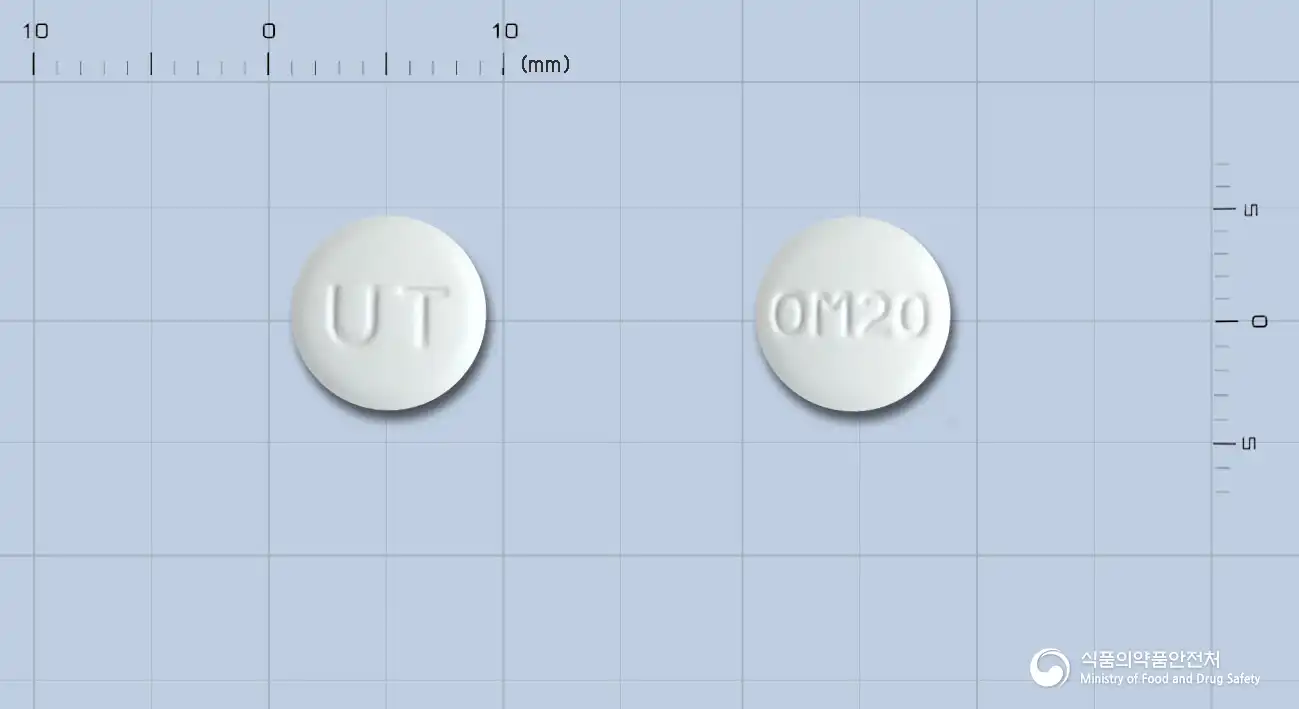
Olmetin Tablet 20mg (Olmesartan Medoxomil)
Olmesartan Medoxomil 20mg
Tablet · Prescription medication
Korea United Pharmaceutical Co., Ltd.
MFDS item code 201100953 · Approved 2011.02.25 · Insurance code 644308140
Improvement of essential hypertension
Essential hypertension is treated to control blood pressure within a normal range and to prevent complications such as heart disease or stroke.
The recommended initial dose is 10mg once daily, administered regardless of meals. If blood pressure is not adequately controlled at this dose, it may be increased to 20mg once daily. If further blood pressure reduction is required, the dose can be increased to a maximum of 40mg once daily. The blood pressure-lowering effect becomes evident within two weeks, with maximum effect observed in about eight weeks. If blood pressure is not controlled with monotherapy, combination with thiazide diuretics such as hydrochlorothiazide may be considered. To improve adherence, it is recommended to take the medication at the same time every day (e.g., in the morning). In patients with potential intravascular volume depletion (e.g., patients taking diuretics, especially those with renal impairment), starting treatment at a lower dose with close monitoring is advised. <For Elderly> Dosing adjustments are not necessary when administering this medication to elderly patients aged 65 and older. There have been no overall observed differences in efficacy and safety between elderly and younger patients, but it cannot be ruled out that some elderly individuals may react more sensitively. <For Renal Impairment Patients> The maximum dose for patients with mild to moderate renal impairment (creatinine clearance 20-60mL/min) is 20mg once daily. <For Liver Impairment Patients> No dosage adjustment is needed for patients with mild liver impairment. For moderate liver impairment patients, the recommended initial dose is 10mg once daily, which can be increased to a maximum of 20mg once daily. Experience with severe liver impairment is limited; therefore, use of this medication is not recommended. <For Children> Safety and efficacy in pediatric patients have not been established.
Safety and efficacy in pediatric patients have not been established.
This medication can cause serious harm or death to the fetus and newborn if used by pregnant women in their second and third trimesters; therefore, it should be discontinued immediately upon confirmation of pregnancy. Patients allergic to any components of this medication, pregnant or breastfeeding women, patients undergoing renal dialysis, patients with severe liver dysfunction, and those with bile duct obstruction should not take this medicine. Patients with lactose intolerance or certain genetic metabolic disorders should also avoid this medication. Diabetic patients taking aliskiren or those with moderate to severe renal impairment should not combine this medication. Caution is advised when administering this medication to patients who are volume-depleted or have low body sodium, as hypotension may occur. Immediate appropriate measures should be taken if symptoms develop. Patients with severe congestive heart failure whose renal function is dependent on the renin-angiotensin-aldosterone system should be monitored closely for worsening renal function. Patients with impaired renal function or those who have received a kidney transplant should regularly check serum potassium and renal function indicators; this medication is not recommended for patients with severe renal impairment. Careful administration is required for patients with renovascular hypertension, as their renal function may worsen. This medication may increase the risk of hyperkalemia; therefore, patients with heart failure or impaired renal function should regularly check serum potassium levels. Special caution is needed for patients with aortic or mitral stenosis, obstructive or hypertrophic cardiomyopathy. This medication may not be effective for patients with primary hyperaldosteronism; hence, it is not recommended. As this medication lowers blood pressure, it may cause dizziness; therefore, caution should be exercised during high-risk activities like working at heights or driving. The blood pressure-lowering effect of this medication may differ among certain ethnic groups, so the patient's condition should be closely monitored. In clinical trials, most adverse reactions were mild and transient, with dizziness being the most commonly reported. Rarely, chest pain, peripheral edema, dizziness, abdominal pain, dyspepsia, palpitations, hyperlipidemia, arthralgia, rash, and other side effects may occur while taking this medication. Rare abnormalities may be found in liver function tests, so testing should be conducted as needed. Reports from abroad have indicated adverse reactions such as asthenia, vasculitis, vomiting, chronic malabsorption syndrome, rhabdomyolysis, hyperkalemia, acute renal failure, alopecia, pruritus, and autoimmune hepatitis. This medication can cause severe diarrhea resembling chronic malabsorption syndrome, so consultations with healthcare providers should be made immediately if weight loss or severe diarrhea occurs. Combining this medication with other antihypertensives or diuretics may enhance blood pressure-lowering effects, while concurrent use with potassium-sparing diuretics or potassium supplements can dangerously elevate serum potassium levels. Concurrent use with lithium may increase lithium levels and can cause toxicity; hence, this combination is not recommended. Combining this medication with non-steroidal anti-inflammatory drugs may worsen renal function; adequate hydration and close monitoring of renal function are required. Dual blockade of this medication with other renin-angiotensin system drugs may increase the risks of hypotension, hyperkalemia, and changes in renal function; careful monitoring is needed. Using this medication during pregnancy poses a risk of serious abnormalities and fetal death; therefore, if pregnancy is confirmed, it must be discontinued immediately, and the fetal condition needs to be monitored regularly. Taking this medication while breastfeeding could harm the infant; thus, discontinuation of either breastfeeding or the medication is advised. Safety and efficacy in pediatric patients have not been established; hence, its use should be avoided. In elderly patients, the body concentration of the drug may increase, necessitating dose adjustments and careful monitoring. In case of overdose, symptoms like hypotension, palpitations, and bradycardia may occur; appropriate treatment should be administered based on the symptoms. Long-term use of this drug has not been reported to cause carcinogenicity or genotoxicity, although rare laboratory results relating to cell mutations have been noted, and this should be taken into consideration during use.
Urticaria, severe swelling (edema), angioedema, chest tightness, difficulty breathing, anaphylactic reaction, vomiting, intestinal angioedema, rhabdomyolysis, acute renal failure, jaundice (yellowing of skin or eyes), liver dysfunction, headache (severe headache, thunderclap headache), confusion, severe edema accompanied by elevated blood pressure, asthma, asthma attacks, urticaria
Not everyone experiences these, and they can vary from person to person.
This medication should be stored in a tightly closed container to protect it from air and moisture, at room temperature between 1 and 25 degrees Celsius. Proper storage will help maintain the drug's effectiveness.
White round film-coated tablet
30 tablets/bottle
Even with the same ingredient, strength, dosage form and how it is taken can differ.
Viewing nowOlmesartan Medoxomil 20mg
Tablet · Prescription medication
Korea United Pharmaceutical Co., Ltd.
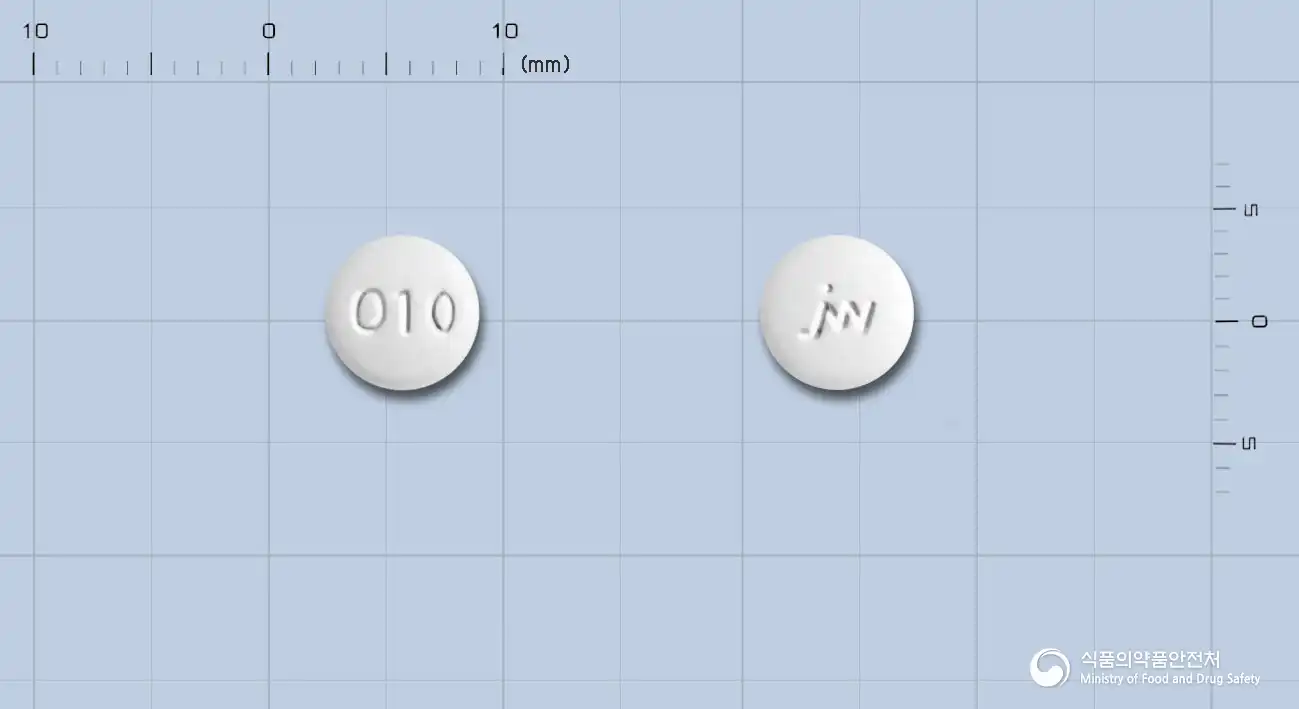
Olmesartan Medoxomil 10mg
Tablet · Prescription medication
JW Pharmaceutical Corporation
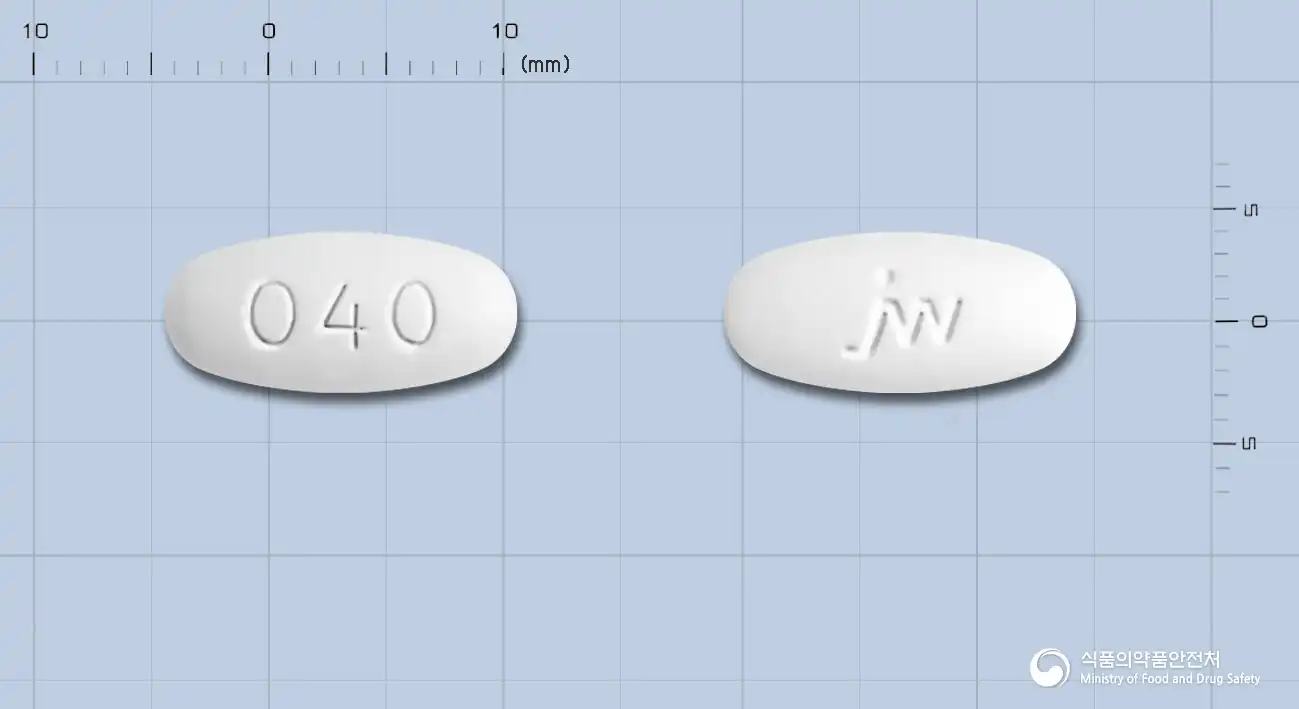
Olmesartan Medoxomil 40mg
Tablet · Prescription medication
JW Pharmaceutical Corp.
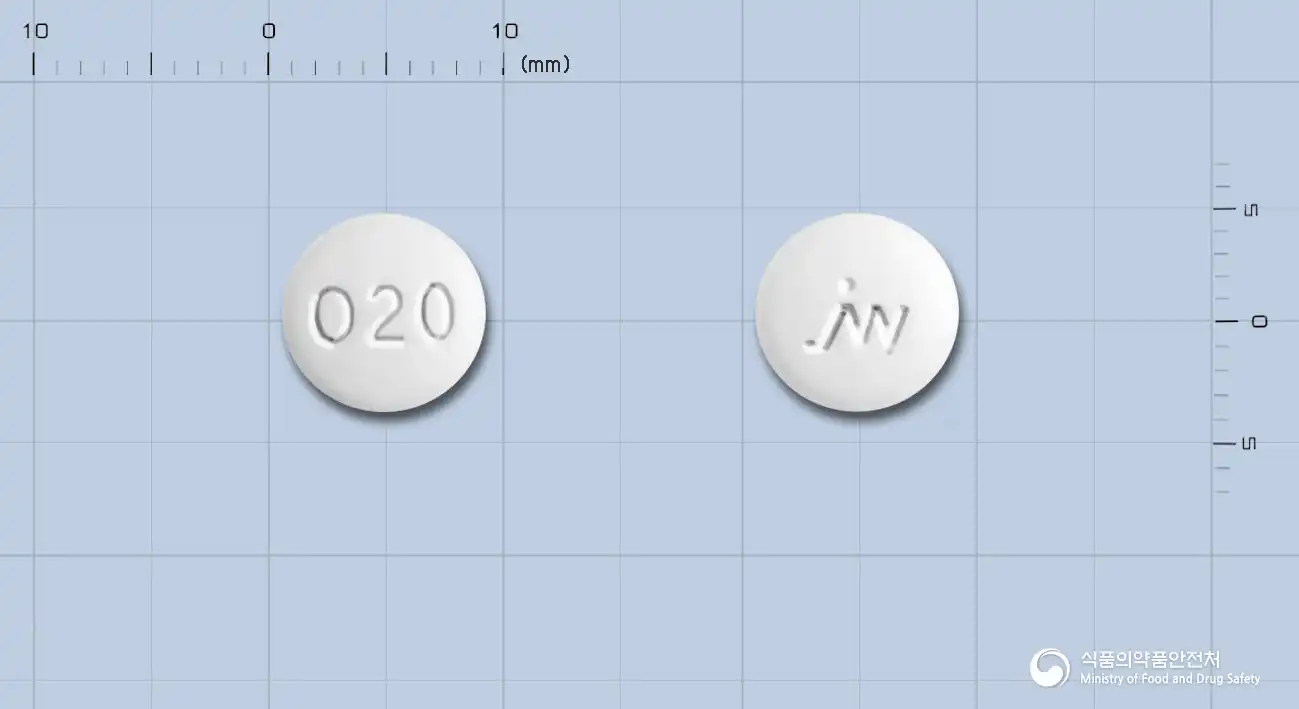
Olmesartan Medoxomil 20mg
Tablet · Prescription medication
JW Pharmaceutical Corporation
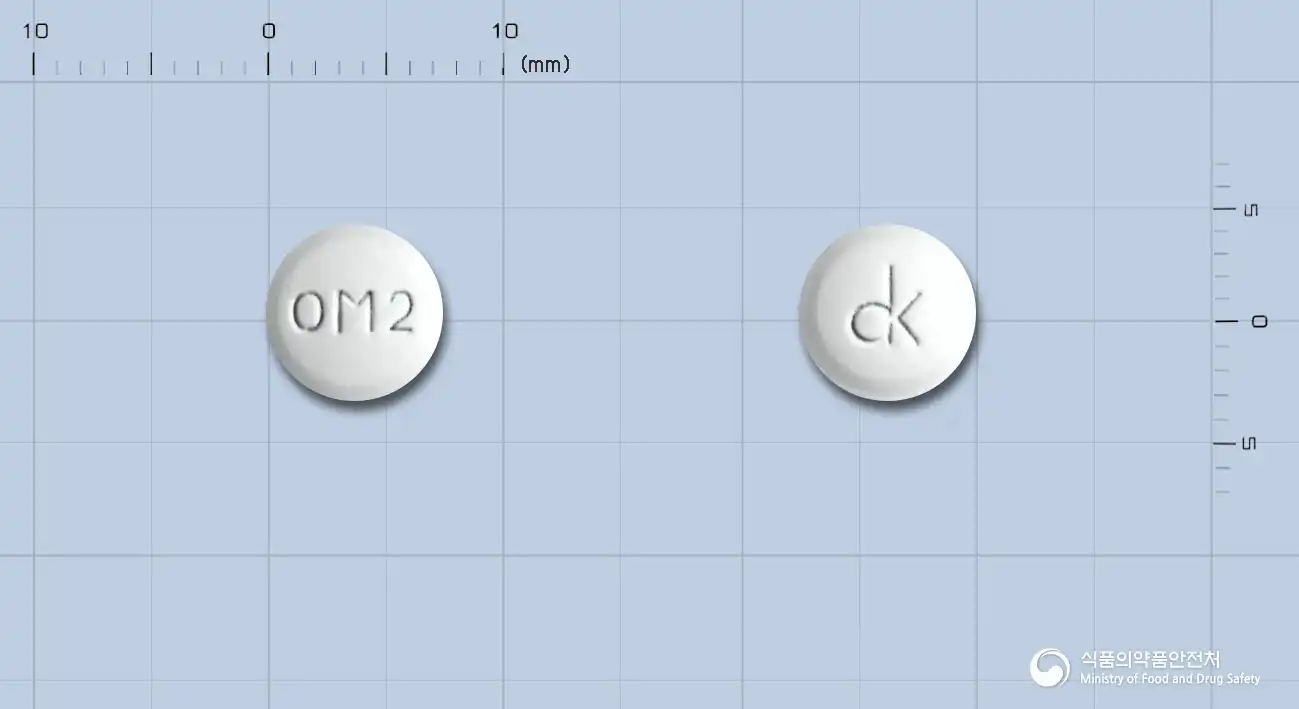
Olmesartan Medoxomil 20mg
Tablet · Prescription medication
Dongkuk Pharmaceutical Co., Ltd.
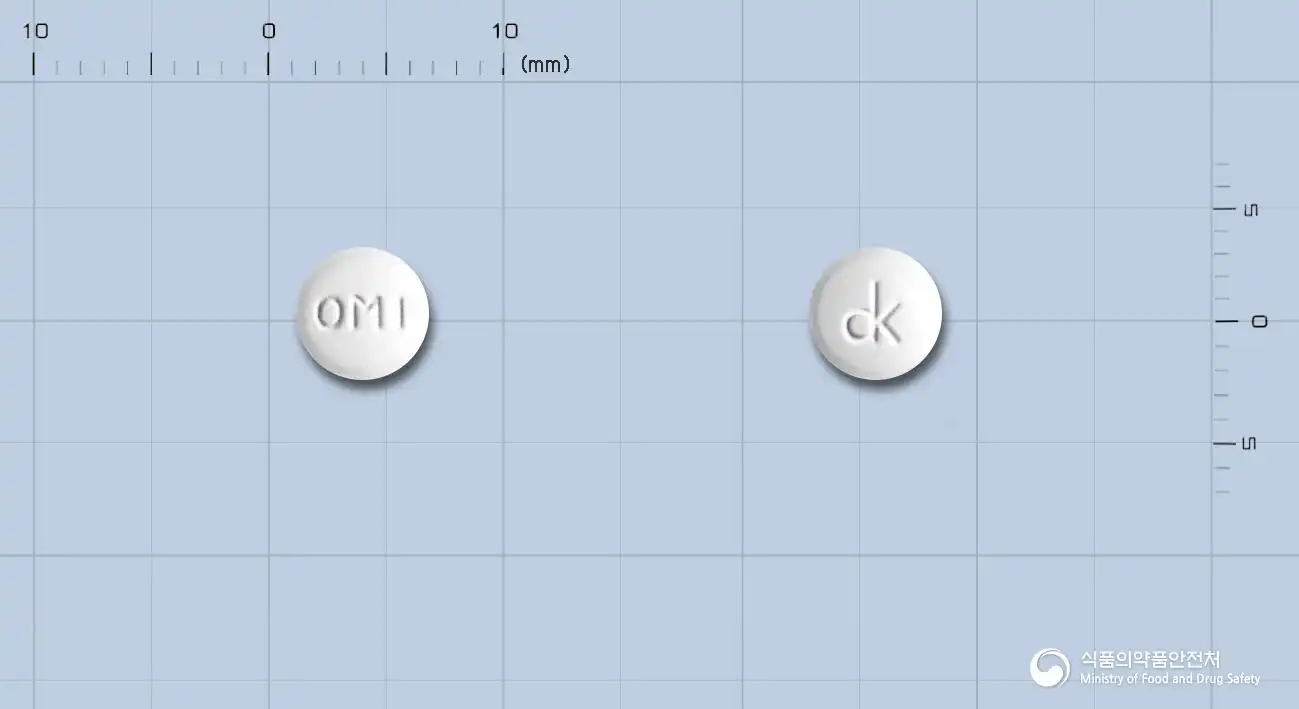
Olmesartan Medoxomil 10mg
Tablet · Prescription medication
DongKook Pharmaceutical Co., Ltd.
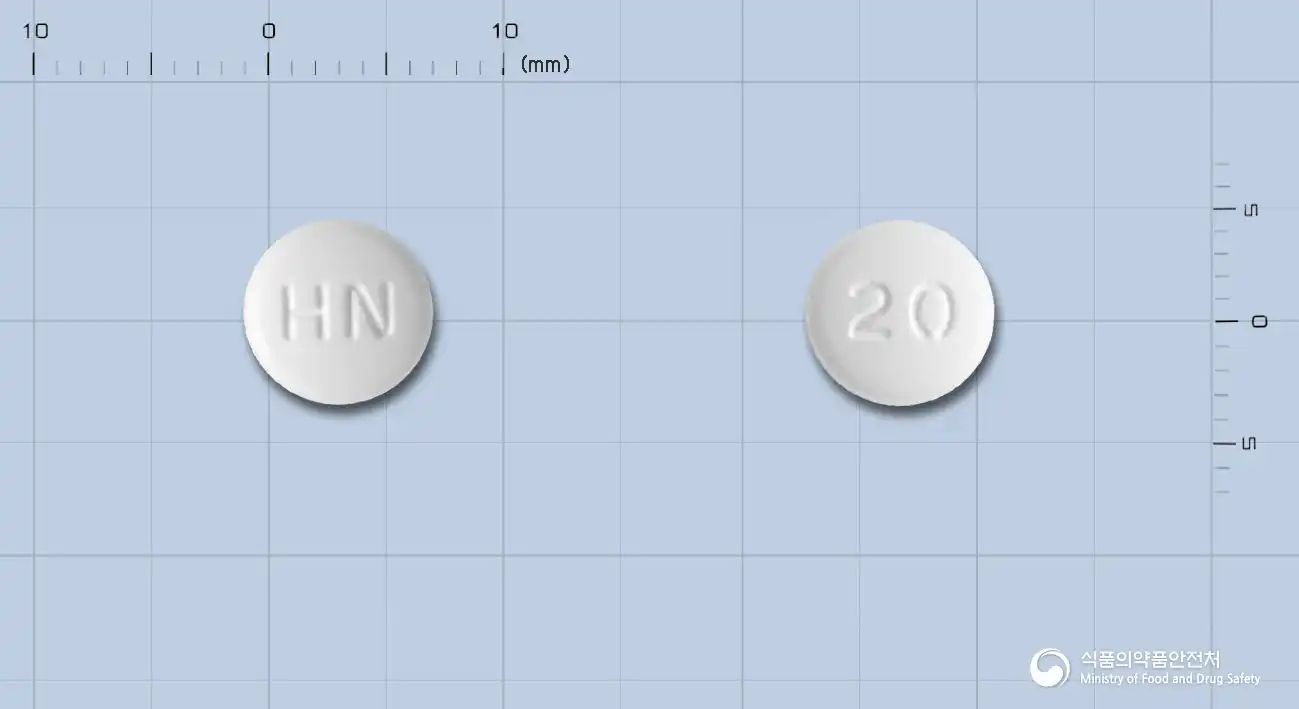
Olmesartan Medoxomil 20mg
Tablet · Prescription medication
Hana Pharmaceutical Co., Ltd.
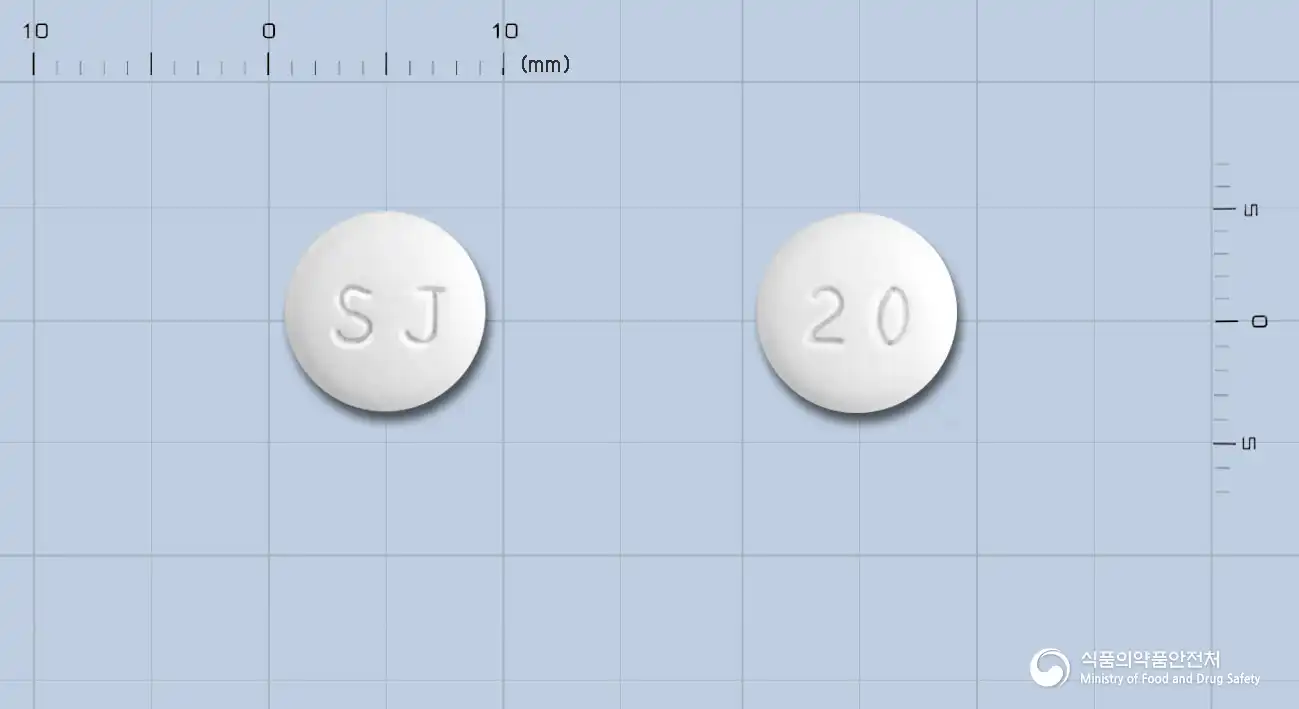
Olmesartan Medoxomil 20mg
Tablet · Prescription medication
Samjin Pharmaceutical Co., Ltd.
Even with the same ingredient, the dose and directions can differ by strength and dosage form. Talk to a doctor or pharmacist before switching from a medication you are already taking.
No questions yet.
For anything that needs medical judgment, consult a doctor or pharmacist.
This drug information is based on data provided by the Korea Ministry of Food and Drug Safety.
Consult a doctor or pharmacist for accurate dosage, administration, and usage instructions.