
 한국어
한국어 English
 日本語
日本語 中文(简体)
Dosage form image
Viewing nowCurosate Granules 4 mg (Montelukast Sodium)
Montelukast Sodium 4.16mg
Prescription medication
Anguk Pharmaceutical Co., Ltd.
MFDS item code 201100490 · Notified 2011.01.31 · Insurance code 650203501
Prevention of asthma and alleviation of allergic rhinitis symptoms
This medication helps to prevent and manage asthma continuously. It is also used to alleviate symptoms of seasonal or perennial allergic rhinitis.
This 4 mg granule formulation can be taken orally directly or mixed with a small amount (about 5 mL) of soft food, breast milk, or porridge below room temperature. The packaging should not be opened until just before consumption, and after opening, it must be consumed immediately (within 15 minutes), mixed with soft food, breast milk, or taken entirely. It should not be left mixed with soft food, breast milk, or food for long periods, and any leftover should be discarded. This medication is not formulated to be taken mixed with beverages other than soft food or breast milk; however, it is acceptable to drink a beverage immediately after taking it. This medication can be taken regardless of meal times.
Children aged 2 to 5 years: Administer 4 mg of Montelukast orally once daily. Infants aged 12 months to under 2 years: Administer 4 mg of this medication orally in the evening once daily. Infants aged 6 months to under 2 years:
This medicine contains aspartame, an artificial sweetener that is broken down into phenylalanine in the body. Therefore, patients with phenylketonuria, a hereditary disorder that requires the restriction of phenylalanine intake, should not take this medication. The acceptable daily intake of aspartame is limited to 40 mg per kg of body weight, making a maximum dose of 2.4 g per day safe for adults. Individuals with allergies to any component of this medication should avoid it, and patients with genetic issues such as galactose intolerance, lactose enzyme deficiency, or glucose-galactose malabsorption should not use it as it contains lactose. Although this medication is used for treating asthma and allergic rhinitis, it is not an immediate bronchodilator for acute asthma attacks, so appropriate emergency medication must be carried and used during acute symptoms. Various adverse reactions such as fatigue, headache, abdominal pain, cough, fever, rash, etc., may occur during treatment; if symptoms are severe or persistent, consult a physician. Particularly, neuropsychiatric symptoms such as anxiety, depression, hallucination, and suicidal thoughts have been reported during the use of this medication, so it is important to report any occurrence of these symptoms immediately to a doctor. Patients with sensitivity to aspirin should not take aspirin or non-steroidal anti-inflammatory drugs while on this medication, as it does not treat bronchoconstriction caused by aspirin-sensitive asthma. Women who are pregnant or breastfeeding should consult their doctor before taking this medication and only use it cautiously if necessary. This medication can be used by individuals of various ages from children to the elderly, but its safety and effectiveness have not been established in children under 6 months of age. There are no specific antidotes for overdose; therefore, anyone suspected of overdose should visit a medical institution immediately for appropriate treatment. Before taking the medication, do not expose it to light, and it is best to take it immediately after opening. Store it in a place out of reach of children. Finally, this medication should be taken continuously to manage asthma even in the absence of symptoms, and do not reduce or discontinue any other asthma treatments on your own during the treatment.
Hives, severe swelling (edema), chest tightness, difficulty breathing, cold sweat, pallor, severe rash with fever, blisters, skin peeling, pain in mouth/eye mucosa, shortness of breath or difficulty breathing, asthma attack, respiratory abnormalities with cough and fever, yellowing of skin or eyes (jaundice), profound weakness, sudden severe headache, lightning headache, seizures, confusion, visual disturbances, paralysis, urination
Not everyone experiences these, and they can vary from person to person.
This medication is sensitive to moisture and light, so it should be stored at room temperature between 1°C and 30°C. Additionally, it is important to keep it in a sealed container for safe storage.
Homogeneous white granules without any foreign substances
500 mg/pack [*30]
Even with the same ingredient, strength, dosage form and how it is taken can differ.
Montelukast Sodium 4.16mg
Prescription medication
Anguk Pharmaceutical Co., Ltd.
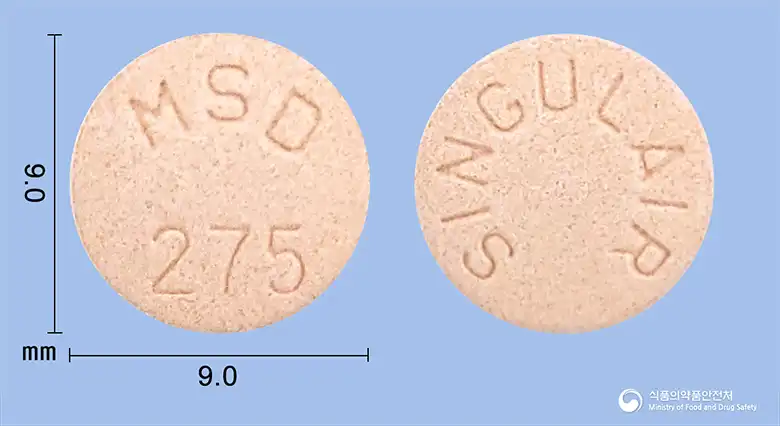
Montelukast Sodium 5.2mg
Chewable Tablet · Prescription medication
Korea Organon Co., Ltd.
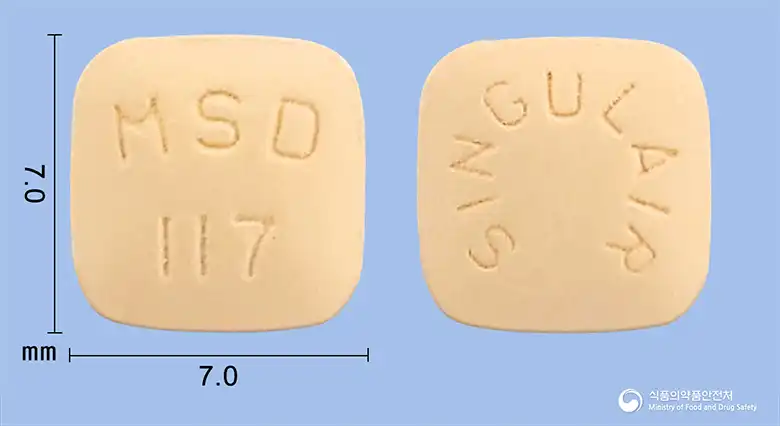
Montelukast Sodium 10.4mg
Tablet · Prescription medication
Korea Organon Co., Ltd.
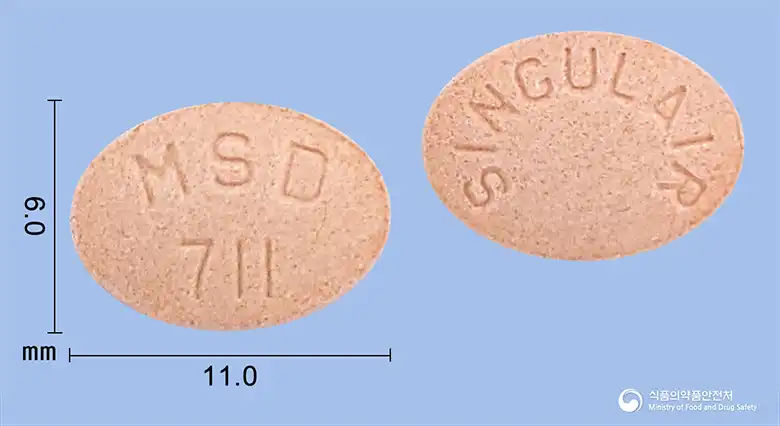
Montelukast Sodium 4.16mg
Chewable Tablet · Prescription medication
Korea Organon Co., Ltd.
Montelukast Sodium 4.16mg
Prescription medication
Korea Organon Co., Ltd.
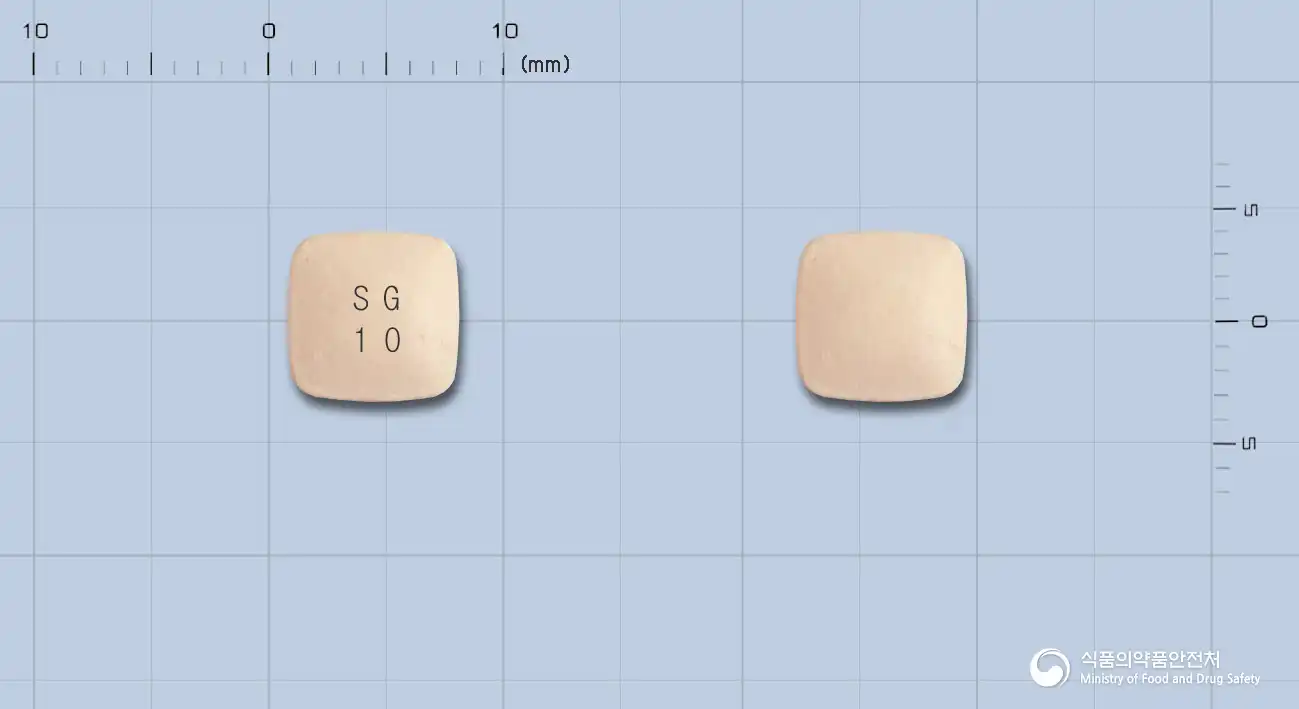
Montelukast Sodium 10.4mg
Tablet · Prescription medication
JW Pharmaceutical Co., Ltd.
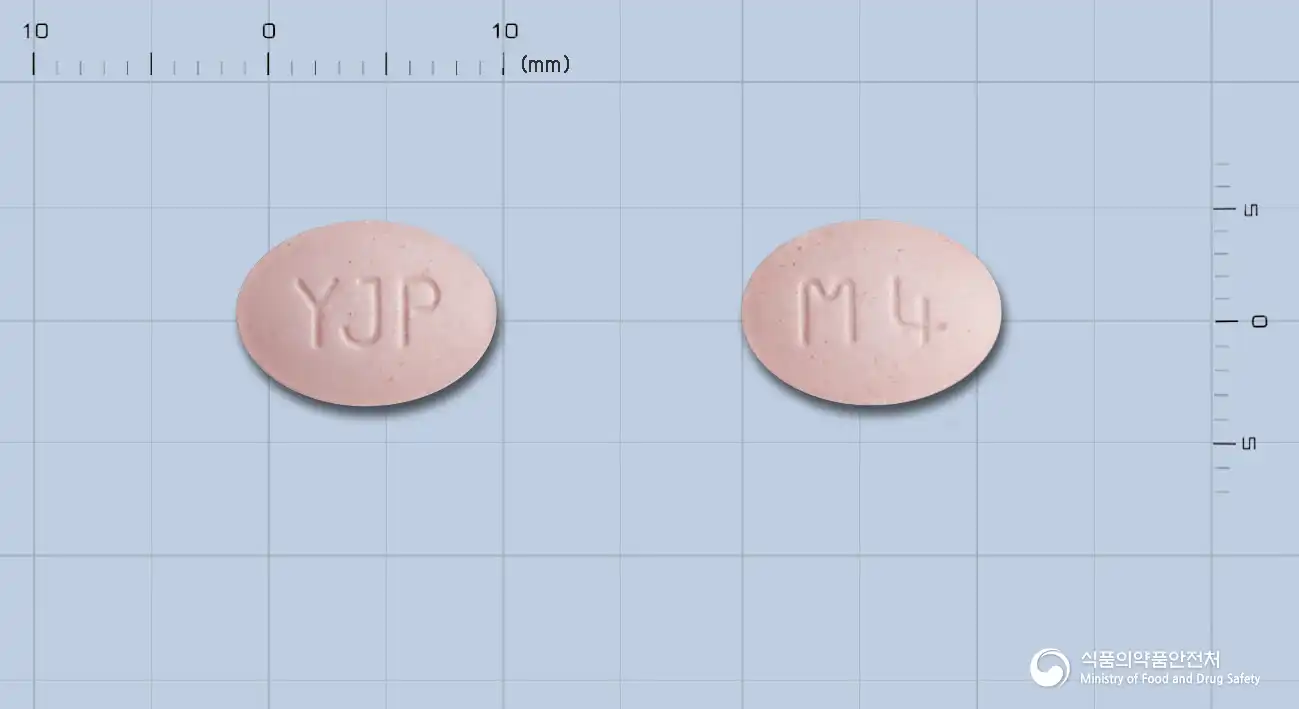
Montelukast Sodium 4.16mg
Chewable Tablet · Prescription medication
Youngjin Pharmaceutical Co., Ltd.
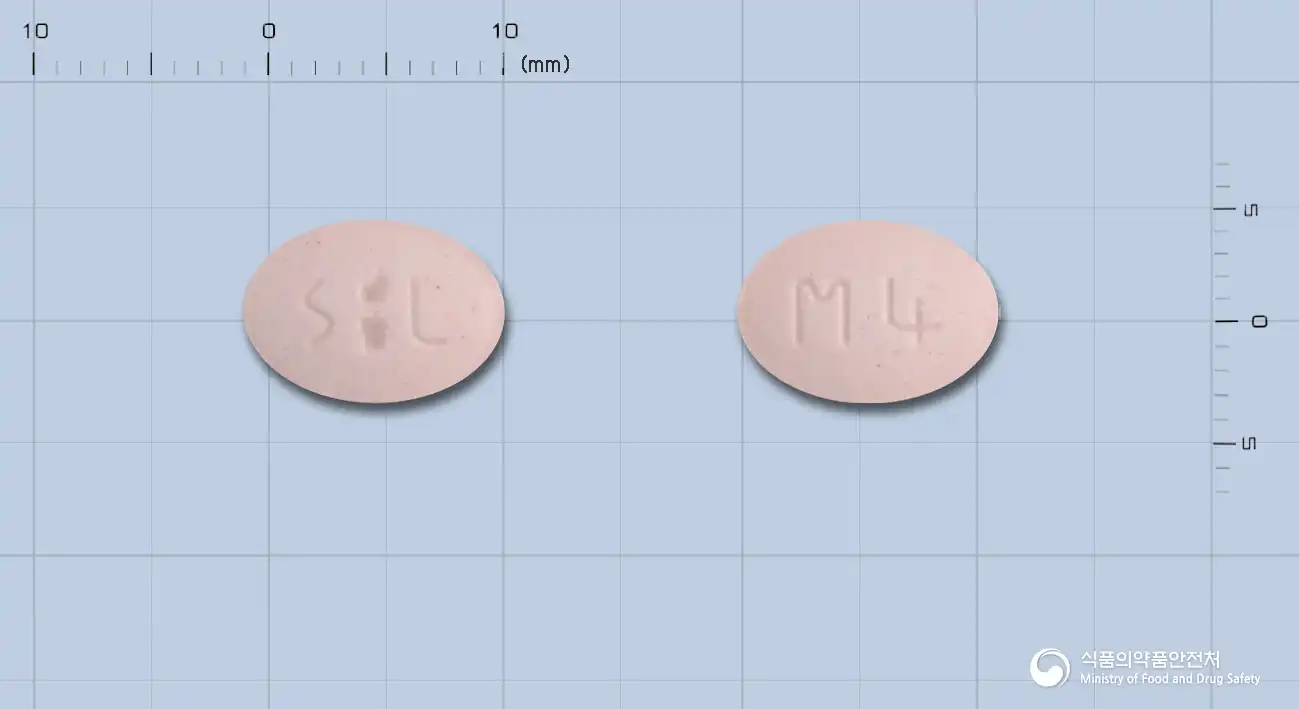
Montelukast Sodium 4.16mg
Chewable Tablet · Prescription medication
Samil Pharmaceutical Co., Ltd.
Even with the same ingredient, the dose and directions can differ by strength and dosage form. Talk to a doctor or pharmacist before switching from a medication you are already taking.
No questions yet.
For anything that needs medical judgment, consult a doctor or pharmacist.
This drug information is based on data provided by the Korea Ministry of Food and Drug Safety.
Consult a doctor or pharmacist for accurate dosage, administration, and usage instructions.