
 한국어
한국어 English
 日本語
日本語 中文(简体)
 Viewing now
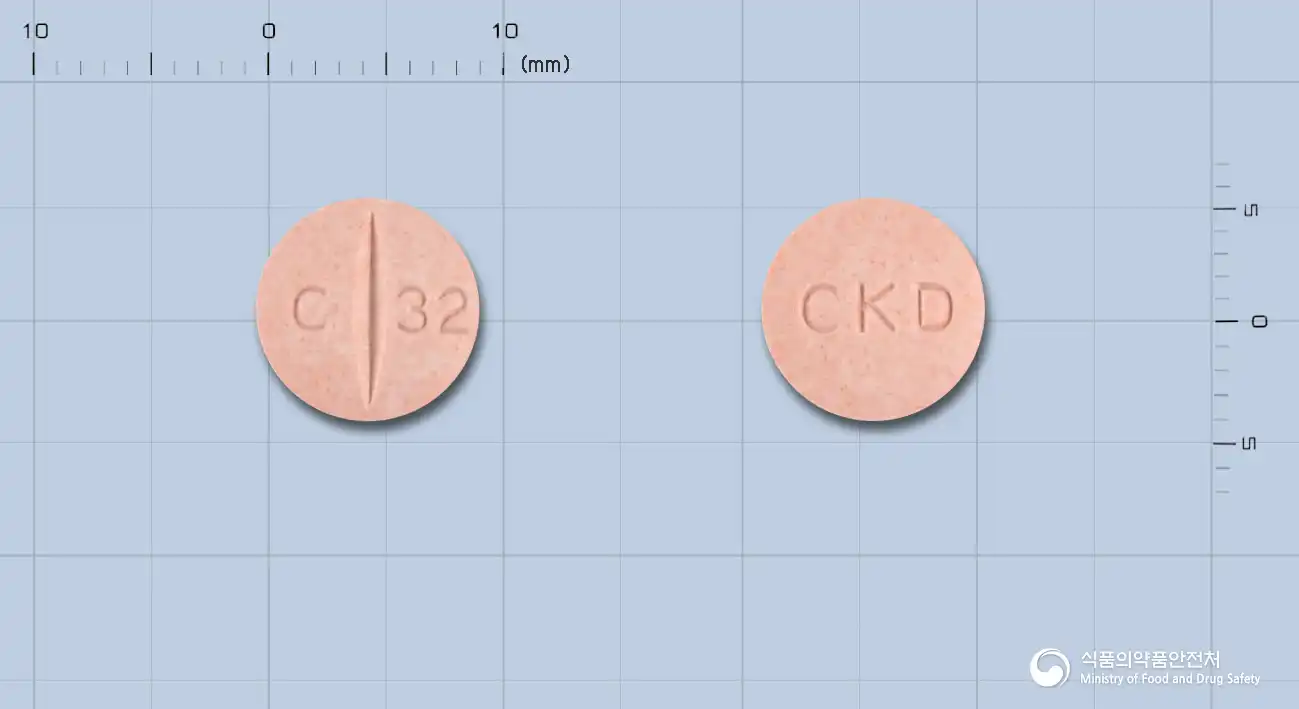
Candomore Tablet 32 mg (Candesartan Cilexetil)
Candesartan Cilexetil 32mg
Tablet · Prescription medication
Jongkundang Co., Ltd.
MFDS item code 201007750 · Notified 2010.12.30 · Insurance code 643305900
Treatment of essential hypertension and heart failure (left ventricular dysfunction)
This medication is used to effectively lower the blood pressure in patients with essential hypertension. It is also used in patients with heart failure who have impaired left ventricular systolic function and require treatment alongside ACE inhibitors or who cannot tolerate ACE inhibitors well. This helps reduce the burden on the heart and improve symptoms.
Essential Hypertension The recommended initial and maintenance dose is 8 to 16 mg of Candesartan Cilexetil taken orally once daily. If blood pressure is not controlled after 4 weeks of treatment at a dose of 16 mg once daily, the dose may be increased up to 32 mg once daily. For patients with reduced intravascular effective blood volume and kidney disease, an initial dose of 4 mg should be administered; patients with liver dysfunction should start with an initial dose of 2 mg once daily. Heart Failure The initial dose is 1
The safety and efficacy for adolescents and children under the age of 18 have not been established.
This drug can cause serious harm, particularly to the fetus and newborn, during pregnancy; therefore, it should be discontinued immediately upon confirmation of pregnancy. Patients with allergies to this drug, women who are pregnant or breastfeeding, patients with severe liver disease or cholestasis, patients with hereditary angioedema, and patients with certain genetic lactose intolerance should avoid taking this medication. Elderly patients, those with hyperkalemia, liver dysfunction, heart valve disease, ischemic heart disease, and kidney disease should use this drug with caution and closely monitor their condition before and during administration. Common side effects of this drug include dizziness, back pain, respiratory infections, while serious side effects may rarely include severe liver dysfunction, blood disorders, skin rash, muscle pain, and worsening kidney function. In patients with heart failure, blood pressure reduction, hyperkalemia, and kidney function impairment may occur, necessitating regular blood tests and monitoring. The effect of this drug may be enhanced when used with other antihypertensive agents, so caution should be exercised regarding interactions with other medications being taken. Particularly, when used in combination with potassium-sparing diuretics or potassium supplements, serum potassium levels may rise dangerously, and caution is necessary. Women who are pregnant or planning to become pregnant should avoid using this drug, and it is advisable to avoid administering it while breastfeeding. The safety of this drug in children and adolescents under the age of 18 has not been established, so caution is needed in its use. In cases of overdose, hypotension, dizziness, and tachycardia may occur, and if symptoms are severe, immediate medical treatment should be sought. This medication should be kept out of reach of children, and it is important not to transfer it to another container to maintain quality. Caution should be taken as dizziness may occur when driving or operating machinery.
Hives, severe swelling (angioedema), chest tightness, difficulty breathing, cold sweat, pallor, severe rash with high fever, blisters, peeling skin, pain in the mucous membranes of the mouth/eyes, shortness of breath or difficulty breathing, asthma attack, respiratory abnormalities accompanied by cough and fever, yellowing of the skin or eyes (jaundice), severe general fatigue, sudden and severe headache, thunderclap headache, seizures, confusion, visual disturbances, paralysis,
Dizziness, back pain, respiratory infections (upper respiratory infection, pharyngitis, rhinitis), fatigue, peripheral edema, chest pain, headache, bronchitis, cough, sinusitis, nausea, abdominal pain, diarrhea, vomiting, joint pain, proteinuria, weakness, fever, sensory disturbances, dyspepsia, gastroenteritis, tachycardia, palpitations, creatine kinase (CK) increase, hyperglycemia, hypertriglyceridemia, hyperuricemia, muscle pain, epistaxis, anxiety, depression, drowsiness, dyspnea, rash,
Not everyone experiences these, and they can vary from person to person.
This drug should be stored in a closed container to protect it from air and moisture. It is important to maintain storage temperatures between 1 and 30 degrees Celsius.
Light pink, double convex, round tablet
28 tablets (14 tablets/PTP X 2)
Even with the same ingredient, strength, dosage form and how it is taken can differ.
Viewing nowCandesartan Cilexetil 32mg
Tablet · Prescription medication
Jongkundang Co., Ltd.
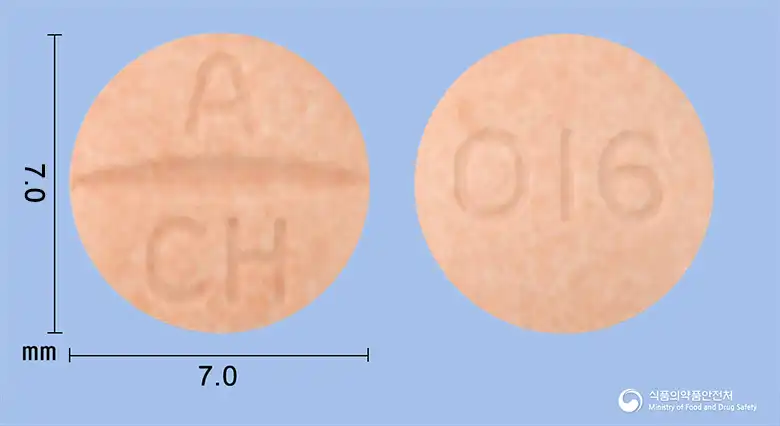
Candesartan Cilexetil 16mg
Tablet · Prescription medication
Yuhans Chemical Co., Ltd.
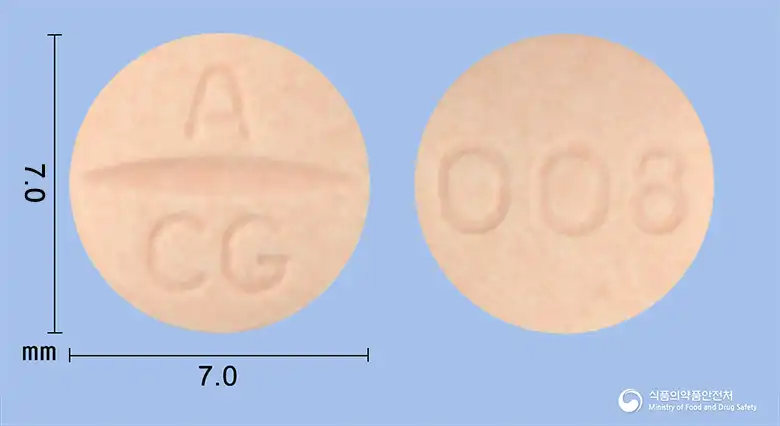
Candesartan Cilexetil 8mg
Tablet · Prescription medication
Yuhan Corporation
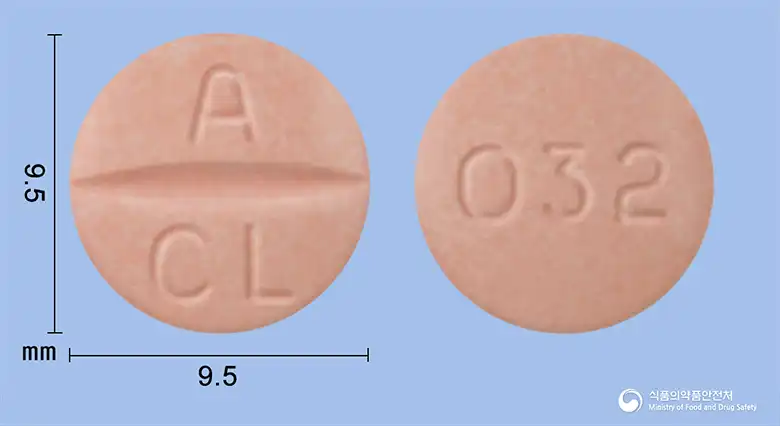
Candesartan Cilexetil 32mg
Tablet · Prescription medication
DKSH Korea Co., Ltd.
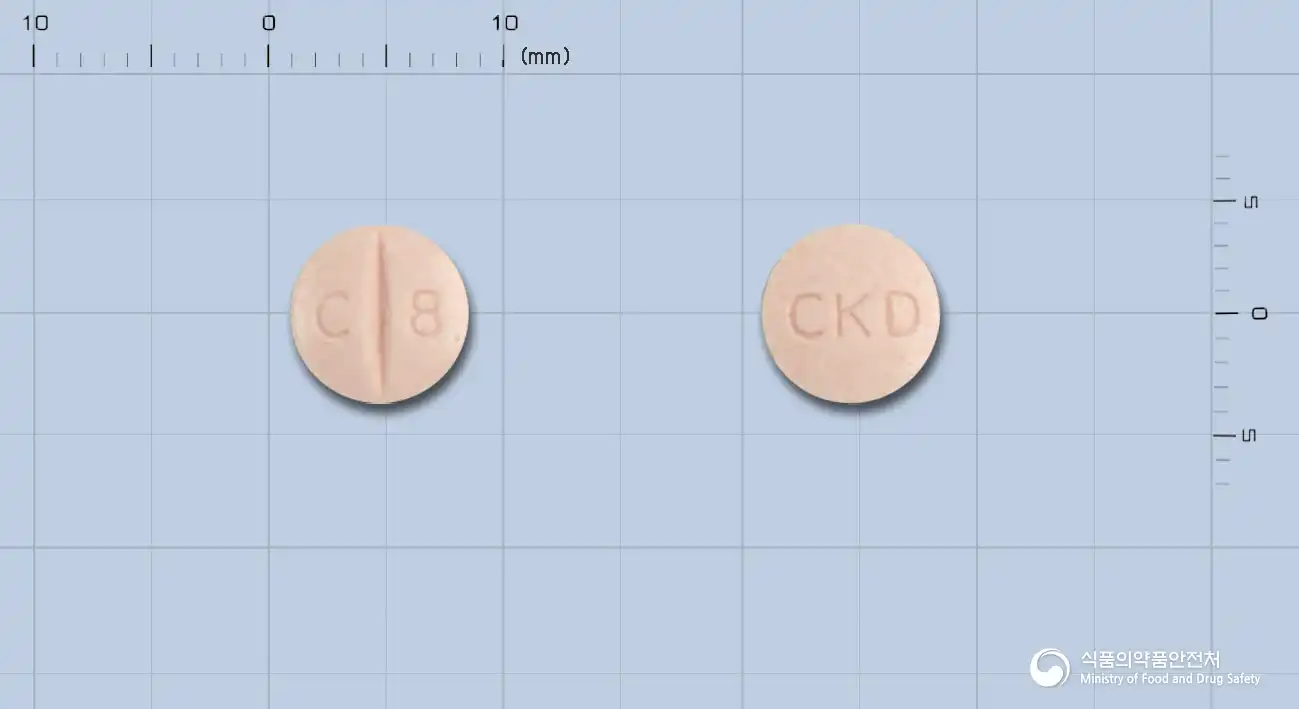
Candesartan Cilexetil 8mg
Tablet · Prescription medication
Jong Kun Dang Co., Ltd.
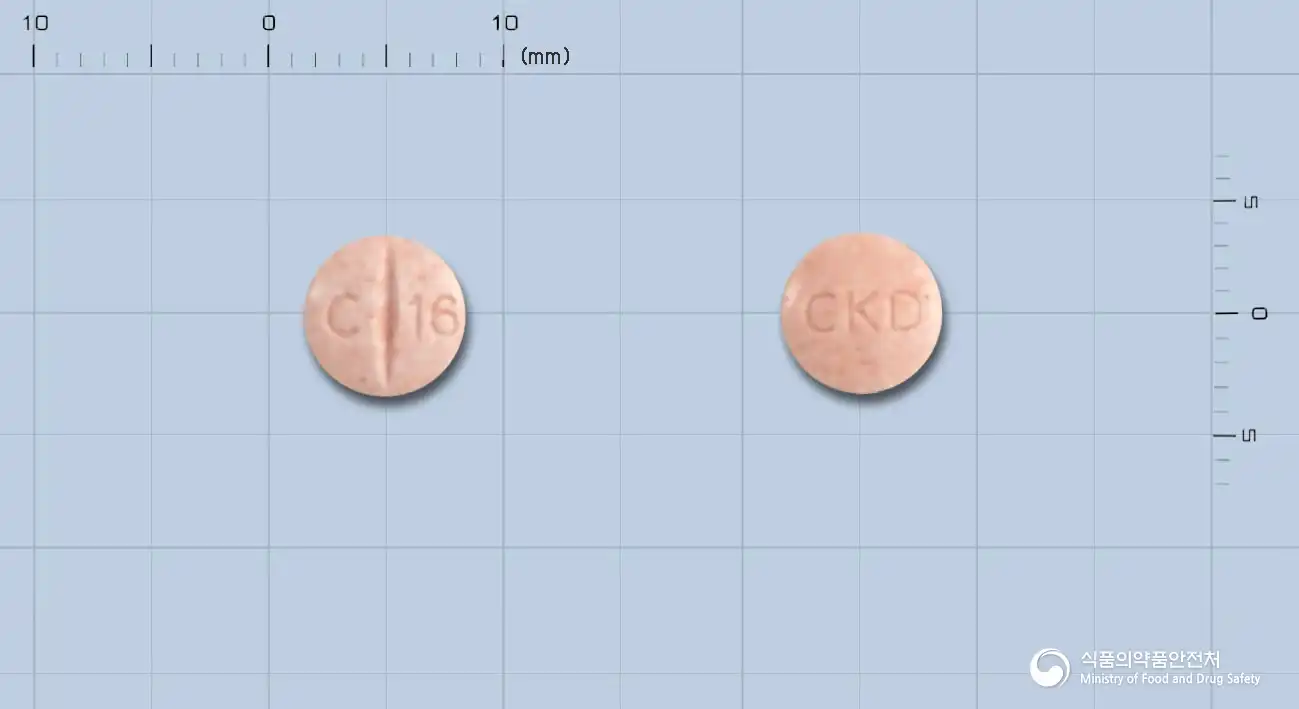
Candesartan Cilexetil 16mg
Tablet · Prescription medication
Jongkundang Co., Ltd.
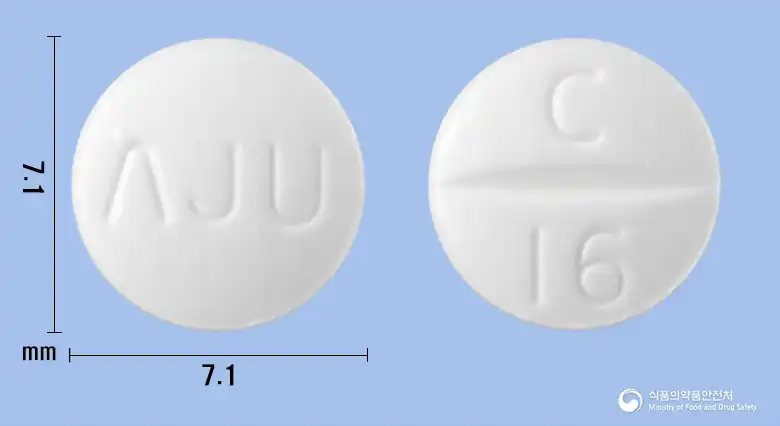
Candesartan Cilexetil 16mg
Tablet · Prescription medication
Ajou Pharmaceutical Co., Ltd.
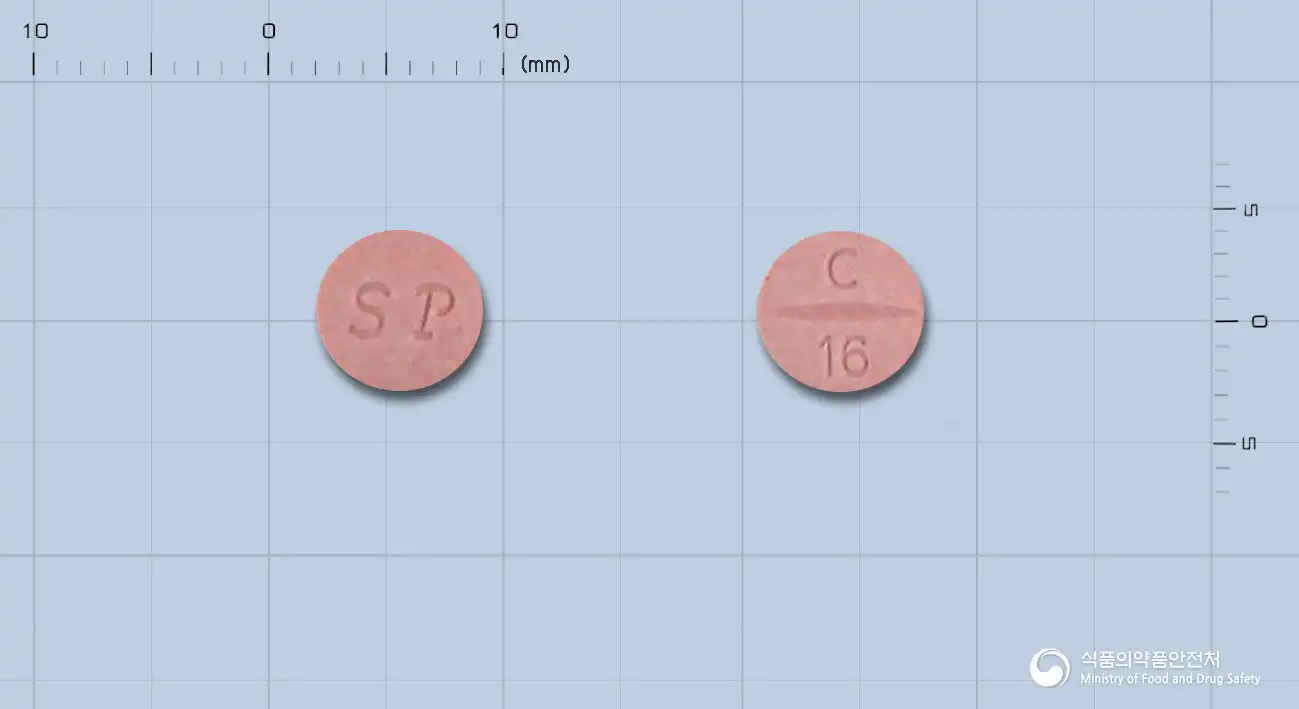
Candesartan Cilexetil 16mg
Tablet · Prescription medication
ShinPoong Pharmaceutical Co., Ltd.
Even with the same ingredient, the dose and directions can differ by strength and dosage form. Talk to a doctor or pharmacist before switching from a medication you are already taking.
No questions yet.
For anything that needs medical judgment, consult a doctor or pharmacist.
This drug information is based on data provided by the Korea Ministry of Food and Drug Safety.
Consult a doctor or pharmacist for accurate dosage, administration, and usage instructions.