한국어
 English
 日本語
 中文(简体)
 Viewing now
Onbrez Inhalation Capsule 300 Micrograms (Indacaterol Maleate)
Indacaterol Maleate 0.389mg
Prescription medication
Korea Novartis Co., Ltd.
MFDS item code 201005170 · Approved 2010.08.26 · Insurance code 653602131
Bronchodilator treatment for maintenance therapy of chronic obstructive pulmonary disease
This medication helps to dilate the airways, facilitating airflow in the respiratory tract. It is primarily used as a maintenance therapy to alleviate the symptoms of chronic obstructive pulmonary disease and prevent exacerbations. It effectively assists patients when experiencing shortness of breath and contributes to improving lung function and quality of life. Regular use makes this medication very useful for managing chronic obstructive pulmonary disease.
Adults (18 years and older) Recommended dose: Inhale the contents of 1 capsule of this medicine 150 micrograms once daily, using the Breezhaler (inhaler). A dose of 1 capsule of this medicine 300 micrograms inhaled once daily showed additional clinical benefit for dyspnea, particularly in patients with severe chronic obstructive pulmonary disease. The maximum dose is 300 micrograms once daily. This medicine should be inhaled at the same time every day. Elderly patients Although peak plasma concentrations and overall systemic exposure increased with age, no dose adjustment is necessary in elderly patients. Patients with hepatic impairment No dose adjustment is necessary in patients with mild or moderate hepatic impairment. The safety and efficacy in patients with severe hepatic impairment have not been established. Patients with renal impairment No dose adjustment is necessary in patients with renal impairment.
This drug is a bronchodilator and should only be used once a day. It should not be used as an emergency treatment during acute bronchospasm. Using it together with other inhalers can lead to dangerous sudden contractions of the airways, so caution is required, and if such symptoms appear, use should be discontinued immediately and alternative treatment sought. It is advisable not to use this medication in patients with asthma, as there may be an increased risk of serious side effects in asthma patients. Individuals allergic to this drug or its components, those with lactose intolerance or specific genetic metabolic disorders, should not use it. Patients with heart disease, seizure disorders, hyperthyroidism, hypokalemia, and diabetes should use this medication with caution and consult a doctor immediately if any adverse reactions occur. The most common side effects include cold symptoms, cough, headache, muscle cramps, etc., and most are mild and decrease over time. This drug may cause cardiovascular side effects such as increased heart rate or elevated blood pressure; if these symptoms occur, use should be stopped. If pregnant or breastfeeding, careful use is advised after consulting a doctor, with particular caution needed in early pregnancy. Use in children is not recommended as safety and efficacy have not been established. In case of overdose, symptoms such as increased heart rate, tremors, headache, nausea, and drowsiness may occur; medical attention should be sought immediately in such cases. This medication must only be administered through the dedicated inhaler, and capsules should not be swallowed. Store in a tightly sealed container away from air and moisture, and keep at room temperature between 1 to 30 degrees Celsius to maintain the medication's effectiveness and prevent deterioration.
Nasopharyngitis, upper respiratory infections, cough, headache, muscle spasms, hypersensitivity, diabetes and hyperglycemia, dizziness, paresthesia, ischemic heart disease, palpitations, atrial fibrillation, tachycardia, sore throat, runny nose, atypical bronchospasm, urticaria, rash, musculoskeletal pain, myalgia, chest pain, peripheral edema, tremors, paroxysmal cough, pruritus, rash, increased heart rate, palpitations, dizziness, phlegm, increased phlegm, pleural effusion, aspiration pneumonia, acute respiratory failure, bronchiectasis, hemothorax, interstitial lung disease, exacerbation of interstitial pneumonia, pneumothorax, pulmonary embolism, vocal cord cyst, myasthenia, chest discomfort, fever, sudden death, lower respiratory infections, bacterial pneumonia, sepsis, atypical pneumonia, soft tissue infection, chest abscess, gastroenteritis, infectious colitis, infectious myositis, liver abscess, exacerbation of pulmonary tuberculosis, scrub typhus, urinary tract infection, respiratory infection, diarrhea, dyspepsia, abdominal distension, epigastric discomfort, hematochezia, enteritis, small intestine and large intestine inflammation, gastric ulcer bleeding, esophageal variceal bleeding, melena, exacerbation of pancreatitis, upper gastrointestinal bleeding, nausea, vomiting, neuritis, bradykinesia, carotid artery stenosis, cerebral infarction, cerebrovascular accident, dementia, facial paralysis, hemiparesis, unilateral paralysis, hepatic encephalopathy, heat stroke-induced cerebral infarction, peripheral neuropathy, seizures, drowsiness, confusion, syncope, tarsal tunnel syndrome, vascular dementia, bursitis, clubbing, lumbar spinal canal stenosis, osteoarthritis, plantar fasciitis, spondylolisthesis, adult-onset Still's disease, hair loss, contact dermatitis, erythema multiforme, spots, xeroderma, cardiac arrest, congestive heart failure, exacerbation of angina, exacerbation of atrial fibrillation, heart failure, exacerbation of coronary artery disease, pericardial effusion, anxiety, depressed mood, depression, sleep disorders, insomnia, frequent urination, acute renal failure, azotemia, localized segmental glomerulosclerosis, hematuria, exacerbation of chronic kidney disease, ureterolithiasis, urinary retention, increased serum creatinine, increased serum urea, increased serum uric acid, decreased hemoglobin, reduced urine output, weight loss, neutropenia, febrile neutropenia, leukocytosis, lymphadenopathy, cholangitis, acute cholecystitis, cholelithiasis, alcoholic liver disease, common bile duct stones, cirrhosis, exacerbation of liver disease, aneurysm, aortic stenosis, exacerbation of hypertension, orthostatic hypotension, peripheral artery obstructive disease, venous thrombosis, exacerbation of prostatism, prostatitis, blepharitis, cataract, ectropion, glaucoma, Behçet's disease, activities of daily living impairments, phlegm, hemoptysis, exacerbation of dyspnea, pneumothorax, sneezing, voice disorder, epistaxis, hiccup, nasal congestion, pleurisy, laryngitis, abdominal discomfort, chronic gastritis, dry mouth, gastritis, gastroesophageal reflux disease, exacerbation of esophagitis, gastric ulcer, exacerbation of gastritis, gum pain, oral paresthesia, stomatitis, toothache, nausea, constipation, dry mouth, vomiting, hematochezia, spinal compression fracture, femoral fracture, rib fracture, exacerbation of malignant neoplasm, pulmonary malignant neoplasm, decreased appetite, reduced intake, dysuria, increased AST, increased ALT, anemia, benign prostatic hyperplasia, dry eyes
Not everyone experiences these, and they can vary from person to person.
This drug must be stored in a tightly sealed container to prevent exposure to air and moisture, ideally at room temperature between 1 and 30 degrees Celsius. This storage method preserves the medication's potency and prevents degradation.
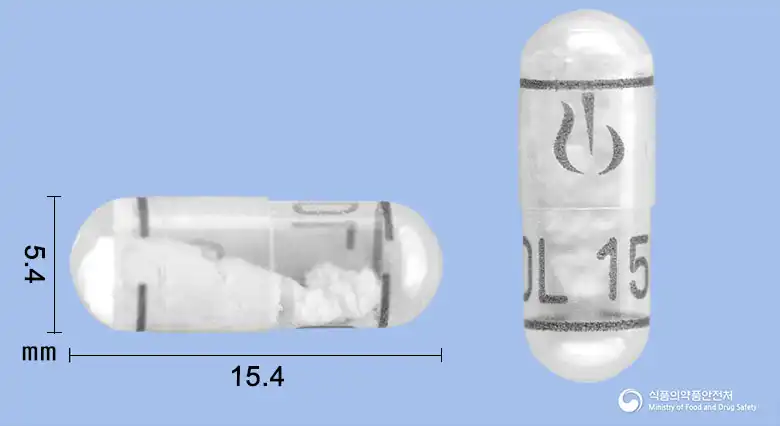
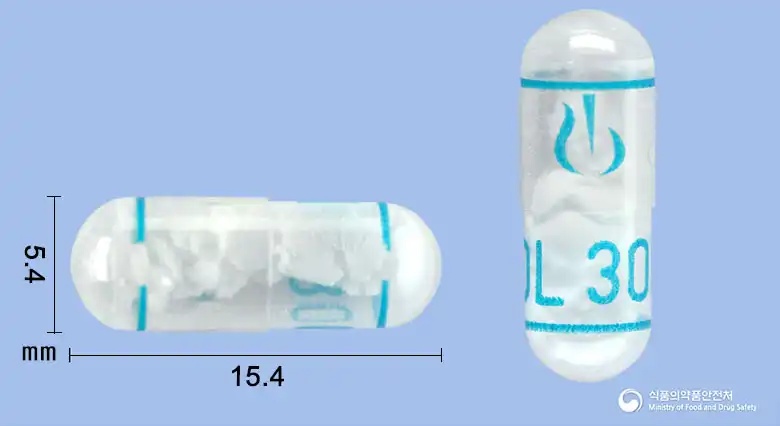
A transparent inhalation capsule with a yellow color containing a white powder (attached to the inhaler Breezhaler)
30 capsules (10 capsules/PTP packaging x 3)
Even with the same ingredient, strength, dosage form and how it is taken can differ.
Even with the same ingredient, the dose and directions can differ by strength and dosage form. Talk to a doctor or pharmacist before switching from a medication you are already taking.
No questions yet.
For anything that needs medical judgment, consult a doctor or pharmacist.
This drug information is based on data provided by the Korea Ministry of Food and Drug Safety.
Consult a doctor or pharmacist for accurate dosage, administration, and usage instructions.