한국어
 English
 日本語
 中文(简体)
 Viewing now
Onbrez Inhalation Capsule 150 Micrograms (Indacaterol Maleate)
Indacaterol Maleate 0.194mg
Prescription medication
Korea Novartis Co., Ltd.
MFDS item code 201005169 · Approved 2010.08.26 · Insurance code 653602121
Relief of symptoms of chronic obstructive pulmonary disease through bronchodilation
This drug helps to open the airways, making it easier to breathe, and is used to relieve the symptoms of chronic obstructive pulmonary disease and prevent exacerbations. As a bronchodilator, it is effective as a maintenance therapy for chronic obstructive pulmonary disease.
Adults (18 years and older) Recommended dose: Inhale the contents of 1 capsule of this medicine 150 micrograms once daily, using the Breezhaler (inhaler). A dose of 1 capsule of this medicine 300 micrograms inhaled once daily showed additional clinical benefit for dyspnea, particularly in patients with severe chronic obstructive pulmonary disease. The maximum dose is 300 micrograms once daily. This medicine should be inhaled at the same time every day. Elderly patients Although peak plasma concentrations and overall systemic exposure increased with age, no dose adjustment is necessary in elderly patients. Patients with hepatic impairment No dose adjustment is necessary in patients with mild or moderate hepatic impairment. The safety and efficacy in patients with severe hepatic impairment have not been established. Patients with renal impairment No dose adjustment is necessary in patients with renal impairment.
This medication is a maintenance treatment for bronchodilation to be used only once daily and should not be used as an emergency treatment for sudden bronchospasm. Serious bronchoconstriction can occur when used with other inhalers; if such symptoms occur, stop use immediately and seek alternative treatment. This medication should not be used in patients with asthma, as the risk of serious side effects associated with asthma may increase. Individuals with allergies to this drug or its components, or with specific genetic issues such as lactose intolerance, should avoid using it. Patients with heart disease, seizures, thyroid problems, hypokalemia, or diabetes should take special caution while using this drug. Common symptoms such as rhinitis, cold, cough, headache, and muscle cramps may occur, most of which are mild and diminish over time. This drug can have cardiovascular effects such as increased heart rate or blood pressure; if such symptoms occur, see a doctor. Women who are pregnant or breastfeeding should carefully consider the risks and benefits of using this drug, especially as it may delay labor. Children under 18 years old should not use this drug as its safety and efficacy have not been established. In case of overdose, symptoms may include increased heart rate, trembling, nausea, vomiting, and in severe cases, hospitalization may be required. This drug must be used strictly according to the prescribed dosage and administration, and users must follow inhaler instructions closely for effective treatment. There may be interactions with other medications, so inform your doctor or pharmacist about any medications you are currently taking. This drug should be stored in a dry place below 30 degrees Celsius and kept out of reach of children. Users should be attentive to any adverse reactions or changes in symptoms while using this drug and consult medical personnel immediately if problems arise.
nasopharyngitis, upper respiratory infection, cough, headache, muscle spasm, sinusitis, hypersensitivity, diabetes and hyperglycemia, dizziness, sensory abnormalities, ischemic heart disease, palpitations, atrial fibrillation, tachycardia, sore throat, runny nose, paradoxical bronchospasm, urticaria, rash, musculoskeletal pain, myalgia, chest pain, peripheral edema, tremors, paroxysmal cough, pruritus, rash, increased heart rate, palpitations, dizziness, sputum, increased sputum, pleural effusion, aspiration pneumonia, acute respiratory failure, bronchiectasis, hemothorax, interstitial lung disease, exacerbation of interstitial pneumonia, spontaneous pneumothorax, pulmonary embolism, vocal cord cyst, asthenia, chest discomfort, fever, sudden death, lower respiratory infection, bacterial pneumonia, sepsis, atypical pneumonia, soft tissue infection, chest abscess, gastroenteritis, infectious colitis, infectious myositis, hepatic abscess, exacerbation of pulmonary tuberculosis, scrub typhus, urinary tract infection, respiratory infection, diarrhea, dyspepsia, abdominal distension, epigastric discomfort, hematochezia, enteritis, small intestine and large intestine inflammation, gastric ulcer bleeding, esophageal variceal bleeding, melena, exacerbation of pancreatitis, upper gastrointestinal bleeding, dizziness, cerebral infarction, cerebrovascular accident, facial paralysis, hemiparesis, paralysis, hepatic encephalopathy, heat stroke cerebral infarction, seizure, drowsiness, syncope, tarsal tunnel syndrome, femur fracture, rib fracture, radius fracture, cervical fracture, clavicle fracture, femur neck fracture, lumbar fracture, subdural hematoma, tibia fracture, back pain, limb pain, pelvic pain, adult-onset Still's disease, metastatic gallbladder cancer, hepatocellular carcinoma, stage 4 lung malignancy, central nervous system metastasis, plasmacytoma, prostate cancer, rectal cancer, decreased intake, hyperglycemia, exacerbation of diabetes, hyponatremia, erythema multiforme, cardiac arrest, congestive heart failure, exacerbation of angina, exacerbation of atrial fibrillation, heart failure, exacerbation of coronary artery disease, pericardial effusion, anxiety, acute renal failure, localized segmental glomerulosclerosis, exacerbation of chronic renal failure, febrile neutropenia, lymphadenopathy, cholangitis, acute cholecystitis, cholelithiasis, choledocholithiasis, cirrhosis, exacerbation of liver disease, aortic coarctation, orthostatic hypotension, peripheral artery occlusive disease, exacerbation of prostatism, Behçet's disease, sputum, hemoptysis, exacerbation of dyspnea, pneumothorax, sneezing, fever, pneumonia, exacerbation of pneumonia, bronchiolitis, influenza, bronchitis, pulmonary tuberculosis, lower respiratory infection, septic shock, nausea, abdominal pain, constipation, upper abdominal pain, colon polyp, neuritis, hypokinesia, carotid artery stenosis, dementia, peripheral neuropathy, stupor, bursitis, clubbing, lumbar canal stenosis, osteoarthritis, plantar fasciitis, spondylolisthesis, blepharitis, cataract, chalazion, glaucoma, depressed mood, depression, sleep disorder, insomnia, polyuria, azotemia, hematuria, ureterolithiasis, urinary retention, increased serum creatinine, increased blood urea, increased uric acid, decreased hemoglobin, decreased urine output, weight loss, anemia, alopecia, contact dermatitis, spots, dry skin, anxiety, dysuria, dry eyes
Not everyone experiences these, and they can vary from person to person.
This drug must be stored in a tightly closed container to prevent exposure to air or moisture. It is important to maintain a storage temperature between 1 and 30 degrees Celsius. This will help preserve the effectiveness of the drug for a longer period.
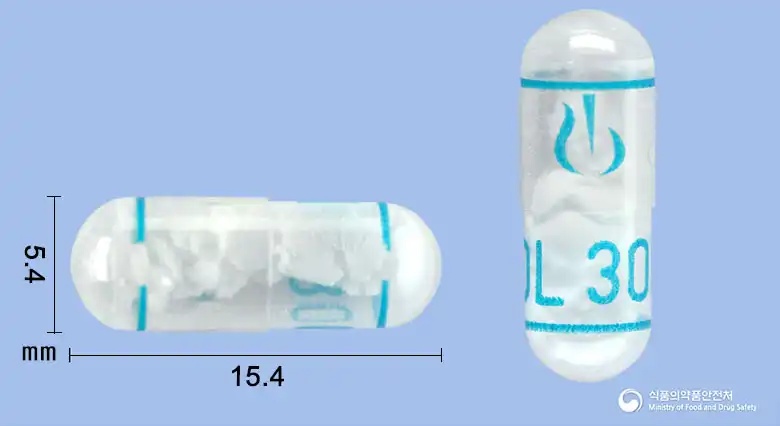
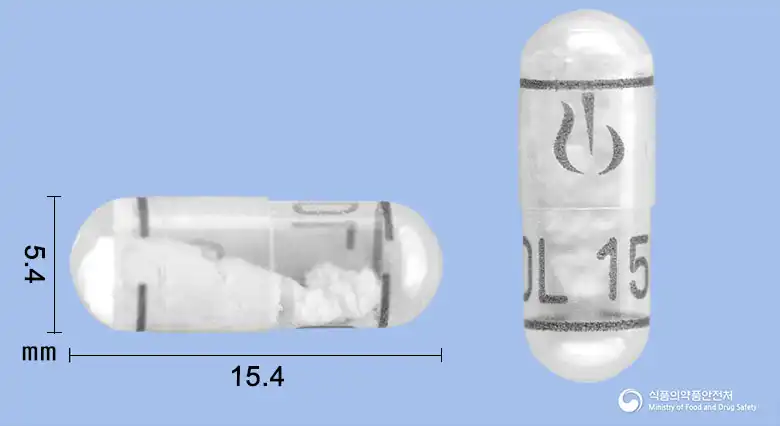
A transparent inhalation capsule with yellow coloring containing a white powder (attached to the inhaler called Breezhaler)
30 capsules (10 capsules/PTP packaging x 3)
Even with the same ingredient, strength, dosage form and how it is taken can differ.
Even with the same ingredient, the dose and directions can differ by strength and dosage form. Talk to a doctor or pharmacist before switching from a medication you are already taking.
No questions yet.
For anything that needs medical judgment, consult a doctor or pharmacist.
This drug information is based on data provided by the Korea Ministry of Food and Drug Safety.
Consult a doctor or pharmacist for accurate dosage, administration, and usage instructions.