
 한국어
한국어 English
 日本語
日本語 中文(简体)
Dosage form image
Viewing nowAdetan Tablets 16 mg (Candesartan Cilexetil)
Candesartan Cilexetil 16mg
Tablet · Prescription medication
Hanall Biopharma Co., Ltd.
MFDS item code 201005079 · Notified 2010.08.19
This product's status changed to Expired on 2024.07.01. It may no longer be sold, so consult a doctor or pharmacist before taking it.
Treatment of essential hypertension and heart failure (left ventricular dysfunction)
This medication is used for the treatment of essential hypertension, effectively controlling blood pressure to help maintain cardiovascular health. It is also beneficial for patients with heart failure who have impaired left ventricular systolic function, particularly those requiring combination therapy with or alternative to ACE inhibitors. It helps alleviate symptoms of heart failure and improves cardiac function to support patients' daily lives. It is effectively used for the treatment of essential hypertension and heart failure.
Essential hypertension adults: An initial dose and maintenance dose of 8 to 16 mg of Candesartan Cilexetil once daily is recommended. After 4 weeks of treatment at 16 mg once daily, if blood pressure is not adequately controlled, the dose can be increased to a maximum of 32 mg once daily. Elderly: Initial dose adjustment is not necessary. Patients with reduced intravascular effective blood volume: Initial dose of 4 mg. Renal impaired patients: Initial dose of 4 mg, adjusted according to patient response.
Pediatrics: Safety and efficacy in individuals under 18 years of age have not been established.
This medication can cause severe harm to the fetus and newborn, especially during the second and third trimesters of pregnancy, so it should be discontinued immediately if pregnancy is confirmed. It is safer for women who are pregnant, may become pregnant, or are breastfeeding to avoid this medication. People who are allergic to this drug or its components should not take it. Patients with very poor liver function or those with bile duct obstruction should not use this medication. Patients with a history of angioedema or hereditary angioedema should avoid this drug. Patients with primary hyperaldosteronism do not respond well to this medication, so it is advisable not to use it. Elderly patients, patients with hyperkalemia, patients with slightly impaired liver function, and those with heart valve disease or obstructive cardiomyopathy should use this medication cautiously. If ischemic heart disease or cerebrovascular disorders are present, caution is needed as excessively low blood pressure could pose risks of myocardial infarction or stroke. Patients with compromised kidney function or those who have recently undergone kidney transplantation should also be cautious of the risk of worsening renal function when using this medication. During the use of this medication, side effects such as dizziness, back pain, and respiratory infections may occur, and in rare cases, myalgia, rash, hematuria, and liver function abnormalities may also develop. Heart failure patients are at higher risk for side effects such as hypotension, hyperkalemia, and kidney function impairment, so it is important to regularly check potassium and creatinine levels through blood tests. This medication lowers blood pressure, so patients at risk of excessively low blood pressure or fainting should be cautious while taking it. When used together with other blood pressure medications or diuretics, side effects may increase due to interactions, so it's essential to consult a physician. In particular, caution should be exercised when used alongside potassium-sparing diuretics or potassium supplements as blood potassium levels may become dangerously elevated. Women who are pregnant or planning to become pregnant should avoid this medication, and it is recommended for breastfeeding women to discontinue breastfeeding while taking this medication. Safety in children and adolescents under 18 years of age has not been established, so use in these groups is not recommended. Elderly patients should be carefully monitored during administration as excessively low blood pressure can increase the risk of stroke and other complications. In case of overdose, symptoms such as hypotension, dizziness, and rapid heartbeat may occur, and immediate medical attention should be sought for appropriate treatment. This medication should be kept out of reach of children and transferring it to another container may affect its quality, so caution is advised. Care should be taken when driving or operating machinery as dizziness or drowsiness may occur.
Not everyone experiences these, and they can vary from person to person.
This medication should be stored in a sealed container to prevent exposure to air or moisture. Additionally, it should be kept at room temperature between 1 to 30 degrees Celsius, rather than in excessively hot or cold places.
Pink round tablets
30 tablets/bottle, 100 tablets/bottle
Even with the same ingredient, strength, dosage form and how it is taken can differ.
Candesartan Cilexetil 16mg
Tablet · Prescription medication
Hanall Biopharma Co., Ltd.
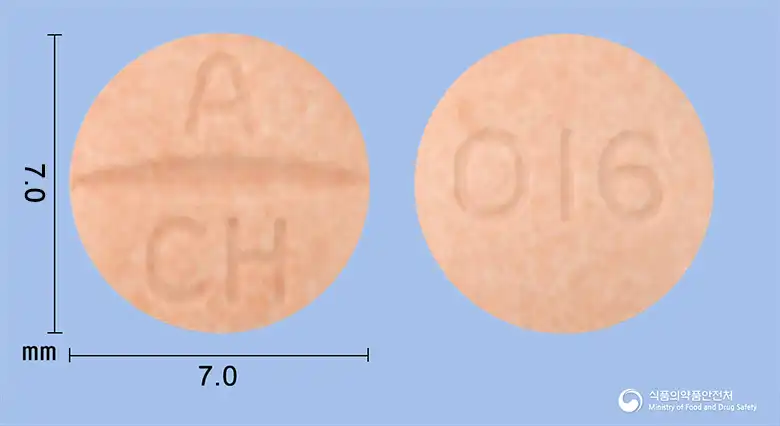
Candesartan Cilexetil 16mg
Tablet · Prescription medication
Yuhans Chemical Co., Ltd.
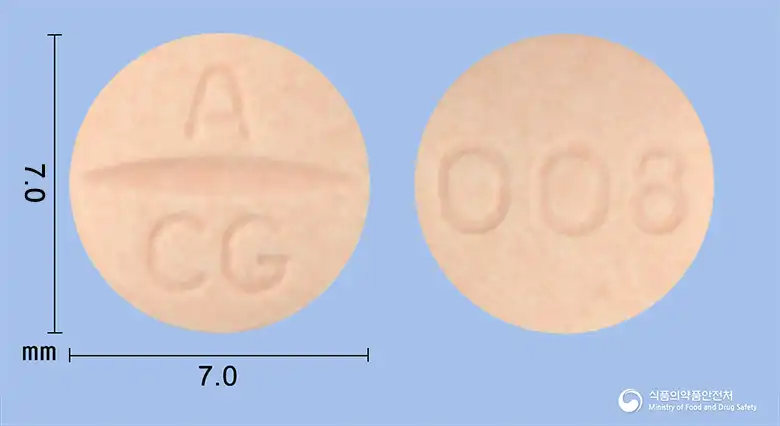
Candesartan Cilexetil 8mg
Tablet · Prescription medication
Yuhan Corporation
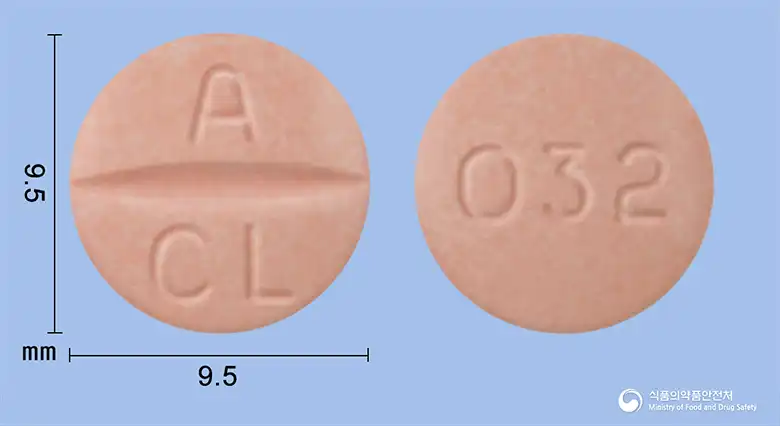
Candesartan Cilexetil 32mg
Tablet · Prescription medication
DKSH Korea Co., Ltd.
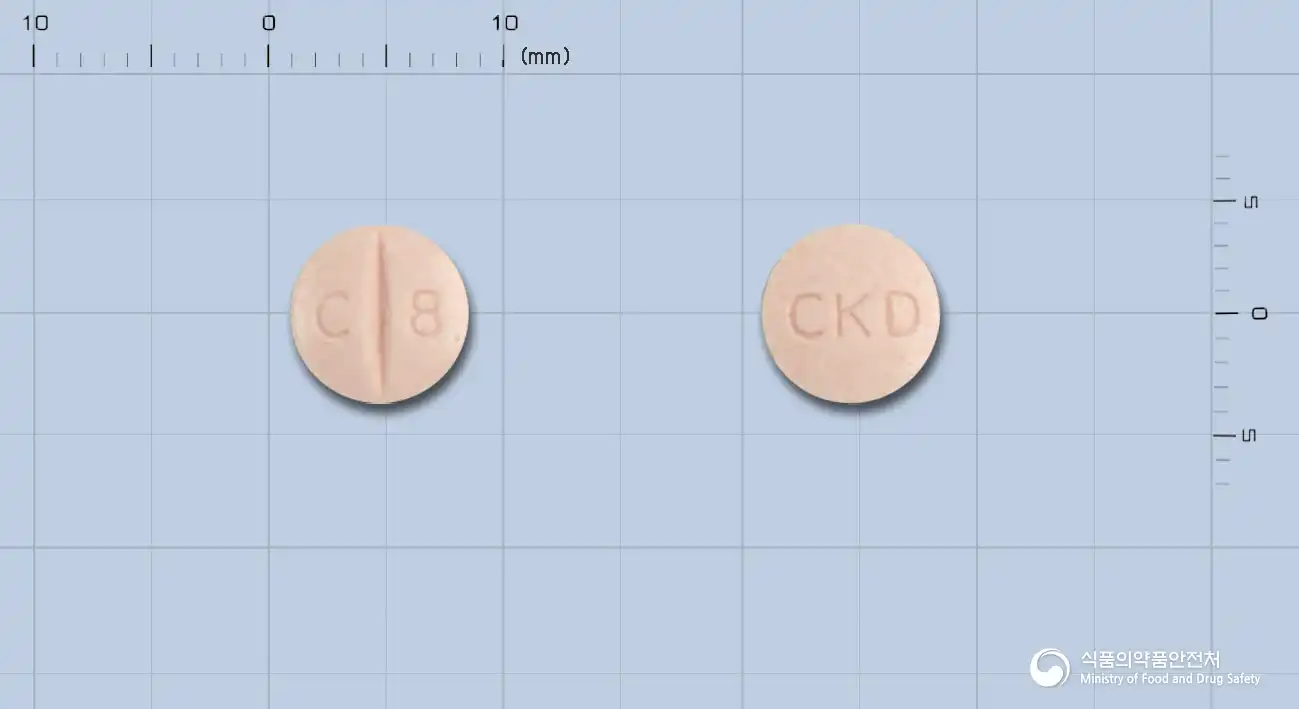
Candesartan Cilexetil 8mg
Tablet · Prescription medication
Jong Kun Dang Co., Ltd.
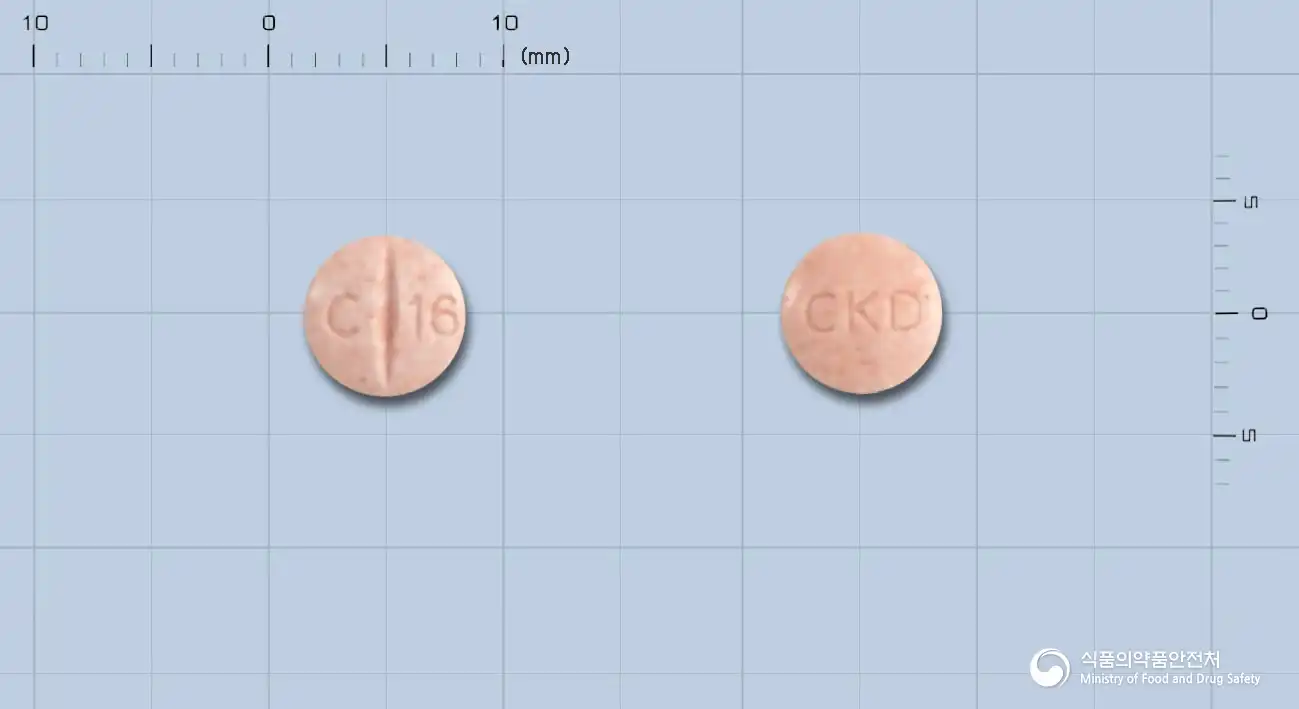
Candesartan Cilexetil 16mg
Tablet · Prescription medication
Jongkundang Co., Ltd.
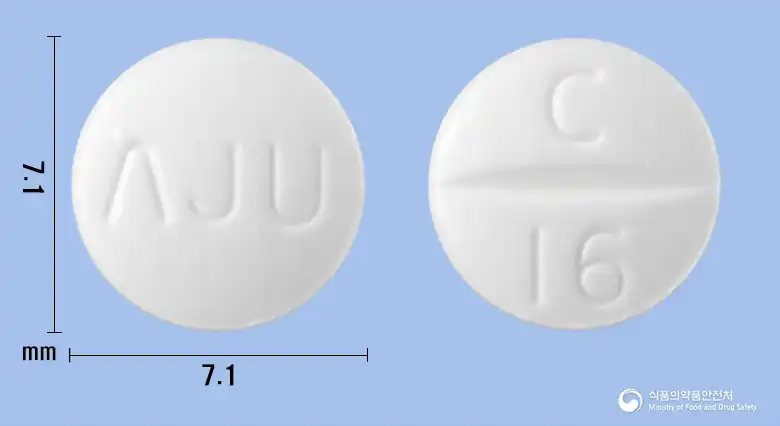
Candesartan Cilexetil 16mg
Tablet · Prescription medication
Ajou Pharmaceutical Co., Ltd.
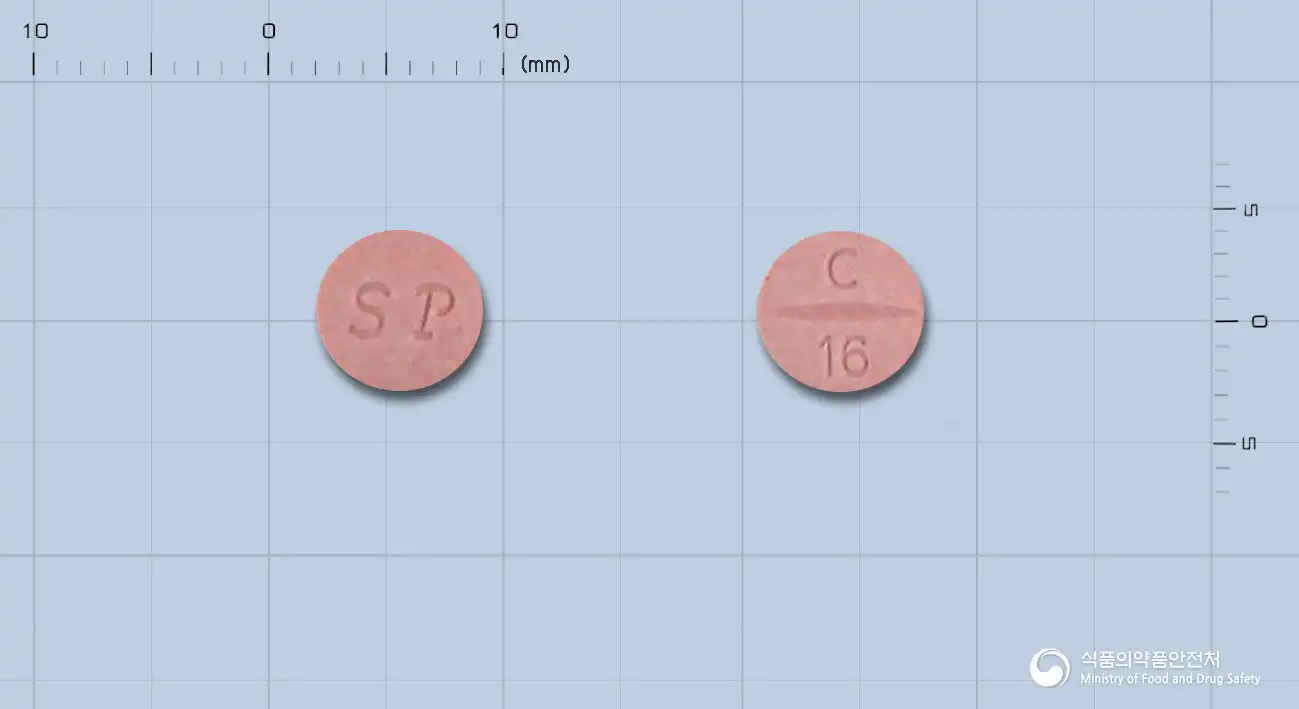
Candesartan Cilexetil 16mg
Tablet · Prescription medication
ShinPoong Pharmaceutical Co., Ltd.
Even with the same ingredient, the dose and directions can differ by strength and dosage form. Talk to a doctor or pharmacist before switching from a medication you are already taking.
No questions yet.
For anything that needs medical judgment, consult a doctor or pharmacist.
This drug information is based on data provided by the Korea Ministry of Food and Drug Safety.
Consult a doctor or pharmacist for accurate dosage, administration, and usage instructions.