한국어
 English
 日本語
 中文(简体)
 Viewing now
Botrient Tablet 200 mg (Pazopanib Hydrochloride)
Pazopanib Hydrochloride 216.7mg
Tablet · Prescription medication
Korea Novartis Co., Ltd.
MFDS item code 201004971 · Approved 2010.08.11 · Insurance code 653602870
Treatment of advanced renal cell carcinoma and advanced soft tissue sarcoma progressing after chemotherapy
This medication is used to treat patients with advanced renal cell carcinoma and patients with advanced soft tissue sarcoma who have previously been treated with chemotherapy. However, caution is required as the efficacy and safety of this medication have not been established in patients with liposarcoma or gastrointestinal stromal tumors.
Administer 800mg orally once daily in adults. Take on an empty stomach (at least 1 hour before or 2 hours after a meal), swallowing whole without crushing or cutting. Renal cell carcinoma: The first dose reduction is to 400mg; any further reduction or increase should be in 200mg increments based on individual tolerability. The dose of this medicine should not exceed 800mg. Soft tissue sarcoma: Dose reduction or increase should be in 200mg increments based on individual tolerability. The dose of this medicine should not exceed 800mg. Patients with hepatic impairment: Administer this medicine with caution to patients with mild or moderate hepatic impairment and monitor them closely. For patients with mild hepatic impairment (defined as normal bilirubin levels and ALT elevation of any grade, or bilirubin elevation up to 1.5 times the upper limit of normal (direct bilirubin elevation greater than 35%), regardless of ALT levels), an initial dose of 800mg once daily is recommended. For patients with moderate hepatic impairment (defined as bilirubin elevation greater than 1.5 times and up to 3 times the upper limit of normal, regardless of ALT levels), a reduced dose of 200mg once daily is recommended. There are no clinical data in patients with severe hepatic impairment (defined as total bilirubin elevated to more than 3 times the upper limit of normal (ULN), regardless of ALT levels). Therefore, this medicine is not recommended for these patients (refer to sections ‘1. Warnings’, ‘3. Patients Requiring Caution’, and ‘5. General Precautions 1) Hepatotoxicity’ in the Precautions for Use).
This medication can cause serious harm to the fetus if taken during pregnancy, so it should not be used by pregnant women or women who may become pregnant. Particularly, this medication can affect fetal blood vessel formation, leading to reproductive tract abnormalities, so appropriate birth control methods must always be used during treatment. It may severely affect liver function, so regular liver function tests should be performed before and during treatment, and if liver function significantly worsens, treatment should be discontinued. The use of this medication is not recommended in patients with severe liver disease. Patients who have had allergic reactions to this medication or have shown hypersensitivity to the active ingredient should avoid taking it. Caution is advised for patients with heart disease or those taking related medications, as this drug may cause heart issues, particularly QT interval prolongation. Due to a risk of bleeding, caution should be exercised in patients who have had recent bleeding or are at high risk of bleeding. Blood pressure may rise, so blood pressure should be frequently monitored before and during use, and appropriate treatment should be given if necessary. Hypothyroidism can occur; therefore, regular thyroid function tests are advisable. Gastrointestinal side effects such as diarrhea, vomiting, and loss of appetite are common, thus, any severe symptoms should be reported to healthcare providers. Kidney function abnormalities such as proteinuria may occur, so urine tests should be performed regularly. This medication has numerous drug interactions; therefore, any other medications being taken should be reported to healthcare providers, particularly in conjunction with drugs affecting liver metabolism or simvastatin. Breastfeeding women are advised not to take this medication, and breastfeeding should be discontinued during treatment. It is not recommended for children or adolescents under 18 years, and elderly patients should be monitored closely. In case of overdose, there is no specific antidote, so immediate medical attention is required for proper treatment. Patients should stop taking this medication at least 7 days before scheduled surgery, and treatment should be discontinued if there are any wounds. This medication can cause serious adverse reactions related to blood vessels and the heart; therefore, if symptoms arise, immediate consultation with healthcare providers is necessary. The concentration of this medication in the blood may increase when taken with food, so it is recommended to take it at least 1 hour before or 2 hours after meals.
Diarrhea, hypertension, hair discoloration, nausea, anorexia, vomiting, fatigue, weakness, abdominal pain, headache, hair loss, chest pain, dysgeusia, indigestion, facial swelling, hands and feet syndrome, proteinuria, rash, skin depigmentation, weight loss, voice disorder, cardiac dysfunction, ischemic stroke, gastrointestinal perforation, gastrointestinal stoma, gastrointestinal bleeding, venous thromboembolism, liver dysfunction, hyperbilirubinemia, bradycardia, ALT elevation, AST elevation, neutropenia, thrombocytopenia, lipase elevation, clinical pancreatitis, tumor pain, hypothyroidism, reduced appetite, dizziness, headache, insomnia, cardiac dysfunction, myocardial infarction, hypertension, venous embolism, cough, voice disorder, dyspnea, pneumothorax, nausea, stomatitis, biliary disorders, alopecia, dry skin, exfoliative rash, hair color change, nail disorders, palmoplantar erythema-sensory disturbance syndrome, rash, skin depigmentation, musculoskeletal pain, myalgia, proteinuria, hematuria, blurred vision, weakness, chest pain, chills, fatigue, peripheral edema, weight loss, ECG QT prolongation, alanine aminotransferase increase, aspartate aminotransferase increase, infection, tumor lysis syndrome, erythrocytosis, thrombotic microangiopathy, reversible posterior leukoencephalopathy syndrome, retinal detachment, retinal tear, interstitial lung disease, pneumonia, bloating, pancreatitis, liver failure, arthralgia, muscle spasms, aneurysm, arterial dissection, skin ulcer, gamma-glutamyl transferase elevation, pelvic pain, erectile dysfunction, gynecomastia, penile pain, scrotal ulcer, scrotal pain, prostate disorders, jaundice, choledocholithiasis, dry eye, increased tear secretion, adrenal insufficiency, hyperthyroidism, ear discomfort, tinnitus, ear disorders, vestibular disorders, vertigo, cardiac hypertrophy, contrast agent allergy, device malfunction, weakness, disease progression, dyspnea, pleural effusion, back pain, pneumonia, peritonitis, sepsis, nausea, vomiting, ascites, abdominal distension, inguinal hernia, duodenal ulcer, gastroesophageal reflux disease, rectal pain, jejunal perforation, fever, edema, chills, mass, mucositis, pain, fever, mucositis, edema, constipation, mucositis, edema, increased C-reactive protein, increased serum uric acid, increased serum urea, increased serum lactate dehydrogenase, increased serum cholesterol, pruritus, oropharyngeal pain, rhinorrhea, pleural effusion, urination disorders, insomnia, peptic ulcer, ascites, dysphagia, dry mouth, rectal pain, toothache, anal inflammation, cheilitis, fecal discoloration, retroperitoneal edema, frequent bowel movements, inguinal hernia, duodenal ulcer, gastroesophageal reflux disease, gum pain, tooth mobility, anal inflammation, lingual cyst, tongue pain, generalized edema, mass, axillary pain, localized edema, gait disturbance, implant site inflammation, mucosal vesicles, fever, pain, implant site inflammation, generalized edema, increased white blood cell count, decreased red blood cell count, decreased hematocrit, increased serum triglycerides, increased serum cholesterol, increased low-density lipoprotein, hypercalcemia, hypoproteinemia, hyperphosphatemia, hypercholesterolemia, hypokalemia, hyperuricemia, hyperlipidemia, diabetes, metabolic acidosis, dehydration, gout, secondary mixed hyperlipidemia, hyperhidrosis, pressure ulcers, dermatitis, skin erosion, urticaria, vesicles, hyperkeratosis, psoriasis, exfoliative dermatitis, macules, seborrheic dermatitis, skin lesions, erythema, hiccups, oropharyngeal discomfort, lung cysts, pleuritic pain, osteopenia, osteoporosis, pathological fractures, muscle atrophy, limb discomfort, chondropathy, sensory disturbances, peripheral neuropathy, sensory defects, impaired sensation, seizures, syncope, senile dementia, cerebral edema, stroke, peripheral sensory neuropathy, loss of taste, partial seizures, neuromuscular disorders, aphasia, facial spasms, movement disorders, drowsiness, carpal tunnel syndrome, tremor, concentration issues, dementia, lower limb incomplete paralysis, hypotension, aortic dissection, arteriosclerosis, shock, facial flushing, pallor, hematoma, flushing, frequent urination, nocturia, azotemia, urinary incontinence, oliguria, overactive bladder, toxic nephropathy, urinary retention, urgency, delirium, anxiety, depression, sleep disturbances, monocytosis, pancytopenia, thrombocytosis, spinal compression fractures, procedural pain, air embolism, femur fracture, upper limb fracture, wound defect, laceration, burn injuries, lip injury, contusion
Not everyone experiences these, and they can vary from person to person.
This medication must be stored in a tightly sealed container to protect it from air and humidity. Additionally, it should be kept away from extremely hot or cold places and stored at room temperature between 1°C and 30°C.
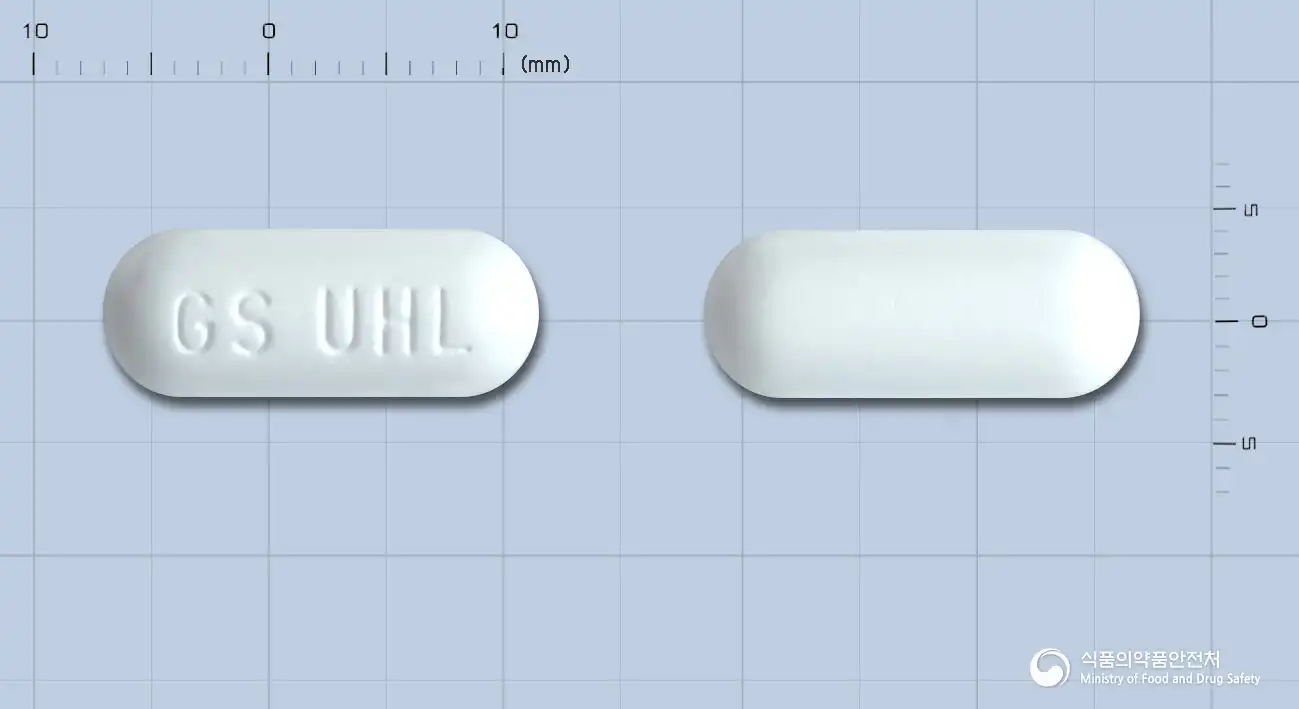
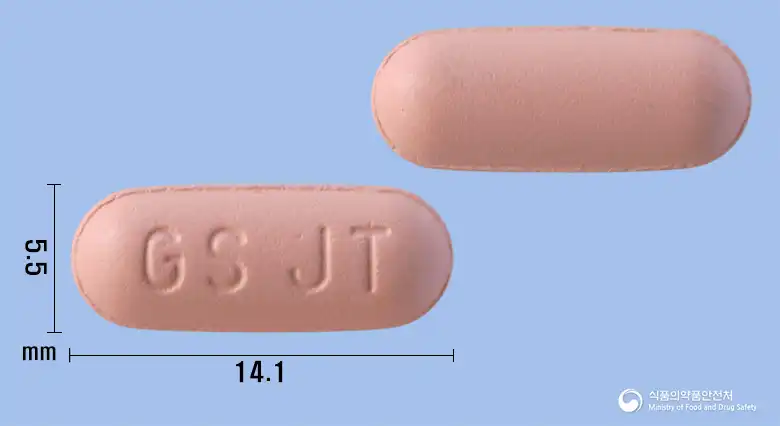
Pink rectangular film-coated tablet
30 tablets (30 tablets/bottle packaging X 1)
Even with the same ingredient, strength, dosage form and how it is taken can differ.
Even with the same ingredient, the dose and directions can differ by strength and dosage form. Talk to a doctor or pharmacist before switching from a medication you are already taking.
No questions yet.
For anything that needs medical judgment, consult a doctor or pharmacist.
This drug information is based on data provided by the Korea Ministry of Food and Drug Safety.
Consult a doctor or pharmacist for accurate dosage, administration, and usage instructions.