
 한국어
 English
 日本語
 中文(简体)
Dosage form image
Viewing nowCitus Dry Syrup (Franlucast Hydrate)
Pranlukast Hydrate 10g
Syrup · Prescription medication
Sama Pharmaceutical Co., Ltd.
MFDS item code 201004767 · Approved 2010.07.30 · Insurance code 645702221,645702222,645702224,645702226
Treatment of bronchial asthma and perennial allergic rhinitis
This medication is used for bronchial asthma and perennial allergic rhinitis.
Pediatrics: Administer pranlukast hydrate orally at a total daily dose of 7 mg/kg body weight, divided into 2 doses after breakfast and dinner. Suspend before use. The maximum daily dose of this medicine is 10 mg/kg body weight and should not exceed 450 mg daily. The standard dose per administration is as follows; administer twice daily after breakfast and dinner. 12 kg or more but less than 18 kg: 50 mg 18 kg or more but less than 25 kg: 70 mg 25 kg or more but less than 35 kg: 100 mg 35 kg or more but less than 45 kg: 140 mg The dose may be adjusted according to body weight and symptoms.
This medication contains the artificial sweetener aspartame, and should not be used by patients with the genetic disorder phenylketonuria. Those who are allergic to this medication or have hypersensitivity to any of its components should not take it. Because it contains lactose, it should not be administered to patients with genetic issues such as galactose intolerance, Lapp lactase deficiency, or glucose-galactose malabsorption. Serious allergic reactions such as shock or anaphylaxis may occur during the use of this medication; if symptoms such as blood pressure drop, altered consciousness, difficulty breathing, or rash occur, discontinue use immediately and seek medical assistance. Blood abnormalities such as leukopenia and thrombocytopenia may occur; if symptoms like fever, sore throat, or a tendency to bleed appear, treatment should be discontinued. Hepatic dysfunction may occur, so if jaundice or elevated liver enzyme levels are suspected, discontinue use and seek appropriate treatment. If respiratory-related abnormalities such as fever, cough, or difficulty breathing occur, stop taking the medication and receive necessary treatment. Musculoskeletal side effects such as myalgia or weakness, and rhabdomyolysis may occur, so discontinue use if these symptoms appear. Hypersensitivity reactions, such as skin rash, urticaria, or itching, may occur; thus, if unusual symptoms arise, stop taking the medication and consult with a healthcare professional. Psychoneurological symptoms such as insomnia, paresthesia, anxiety, and headache may occur, so monitor the condition closely. Gastrointestinal side effects like heartburn, nausea, vomiting, and diarrhea may occur. Cardiac symptoms such as arrhythmias, palpitations, or flushing require caution. Genitourinary abnormalities such as decreased urinary output and urination difficulties have been reported. This medication is not intended for the immediate relief of asthma attacks, so it's crucial to understand that bronchial dilators or steroids may be necessary during an asthma attack. If there is no effect even after long-term use, care should be taken not to continue the medication. While administering this medication, caregivers or healthcare professionals should closely monitor the patient's condition to respond promptly if unusual symptoms occur. Care should be taken not to exceed the maximum daily allowable amount of aspartame and to use the minimum amount possible. This medication is metabolized by a specific enzyme (CYP3A4) in the liver, so caution is needed when taken with other medications that inhibit or compete with this enzyme, as this may alter drug concentration. Its safety has not been established during pregnancy, hence it should only be taken if deemed necessary by a physician. It should be avoided in infants under 1 year old or low birth weight infants as safety has not been confirmed. Elderly patients may have diminished physical function, so precautions such as reduced dosage should be taken.
Not everyone experiences these, and they can vary from person to person.
This medication may be sensitive to air and moisture, so it must be stored in a tightly sealed container. It is best to maintain room temperature between 1 degree and 30 degrees to safely preserve the medication's effectiveness over time.
(100g bottle) Dry syrup in white or pale yellow granules contained in an opaque white bottle (0.5/0.7/1.0g pouch) Dry syrup in white or pale yellow granules contained in opaque aluminum foil pouches
0.5g, 0.7g, 1.0g (pouches), 100g (bottle)
Even with the same ingredient, strength, dosage form and how it is taken can differ.
Pranlukast Hydrate 10g
Syrup · Prescription medication
Sama Pharmaceutical Co., Ltd.
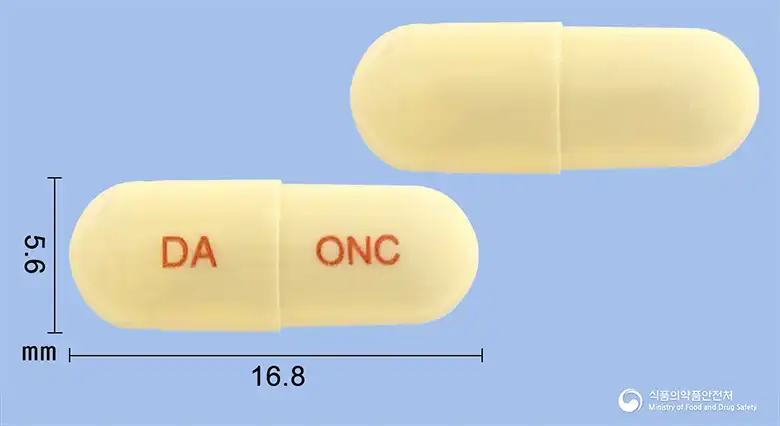
Pranlukast Hydrate 112.5mg
Hard capsule · Prescription medication
Dong-A ST Co., Ltd.
Pranlukast Hydrate
Prescription medication
Dong-A ST Co., Ltd.
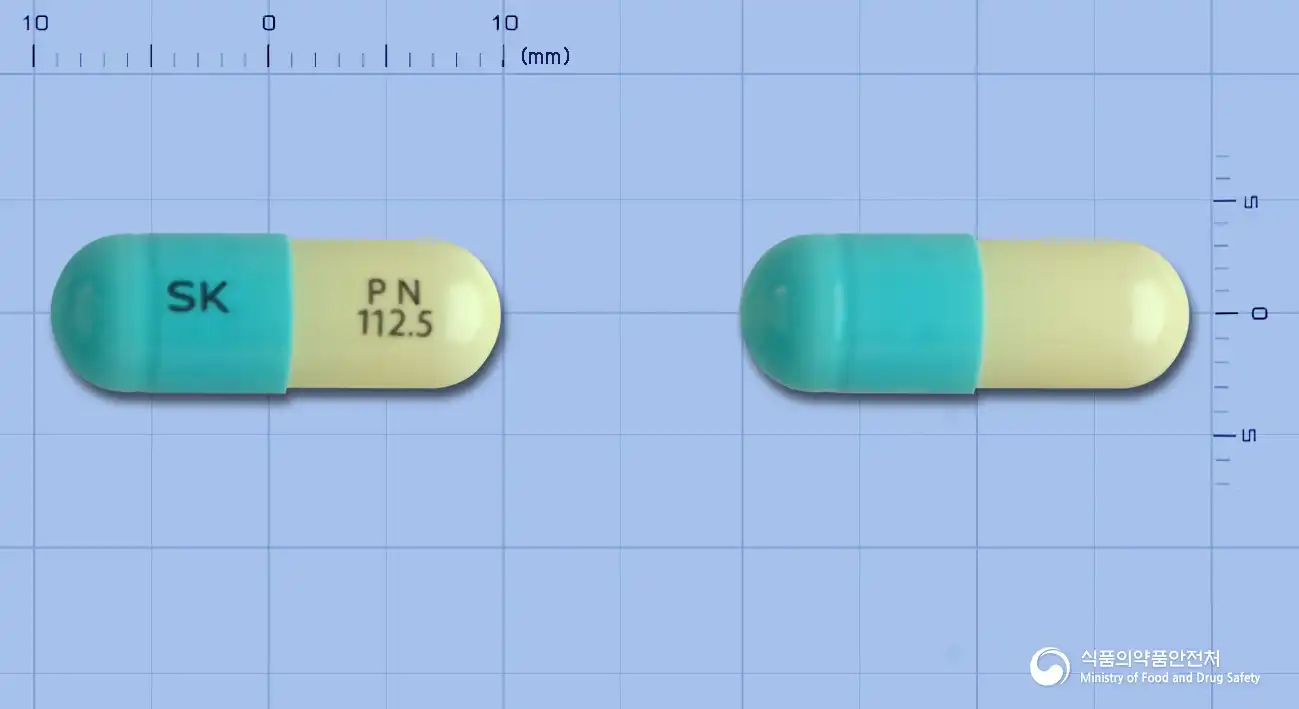
Pranlukast Hydrate 112.5mg
Hard capsule · Prescription medication
SK Chemicals Co., Ltd.
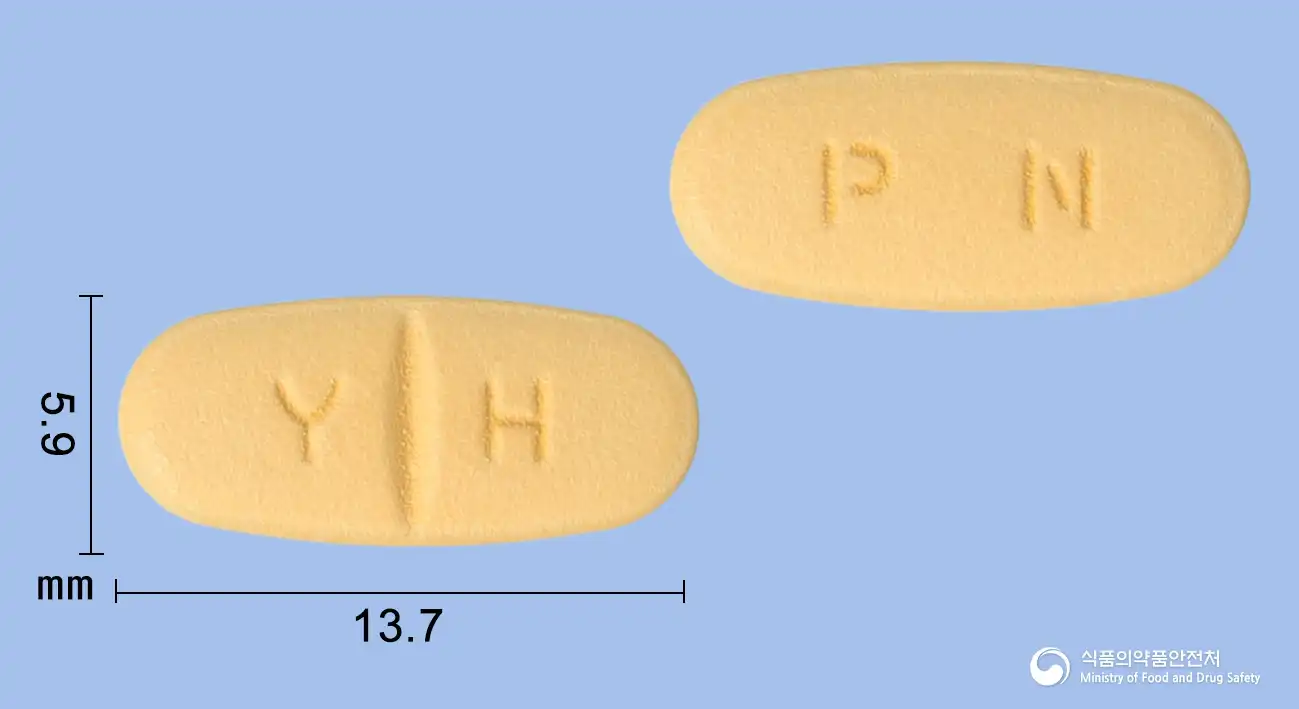
Pranlukast Hydrate 75mg
Tablet · Prescription medication
Yuhan Corporation
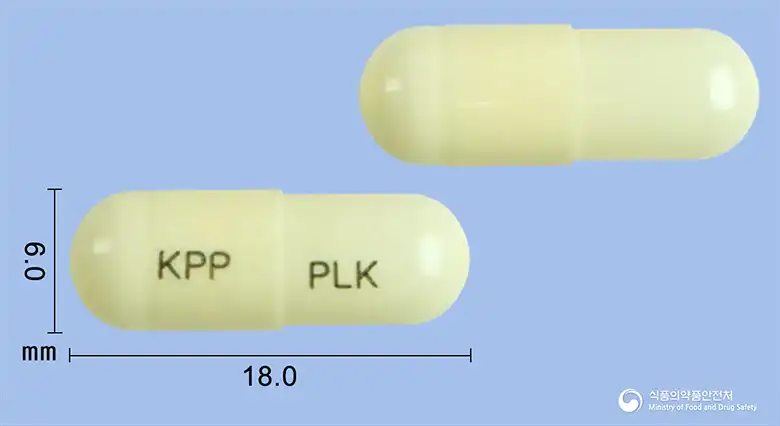
Pranlukast Hydrate 112.5mg
Hard capsule · Prescription medication
Korea Prime Pharmaceutical Co., Ltd.
Pranlukast Hydrate 70mg
Prescription medication
Sama Pharmaceutical Co., Ltd.
Pranlukast Hydrate 140mg
Prescription medication
Sama Pharmaceutical Co., Ltd.
Even with the same ingredient, the dose and directions can differ by strength and dosage form. Talk to a doctor or pharmacist before switching from a medication you are already taking.
No questions yet.
For anything that needs medical judgment, consult a doctor or pharmacist.
This drug information is based on data provided by the Korea Ministry of Food and Drug Safety.
Consult a doctor or pharmacist for accurate dosage, administration, and usage instructions.