
 한국어
한국어 English
 日本語
日本語 中文(简体)
 Viewing nowCombination
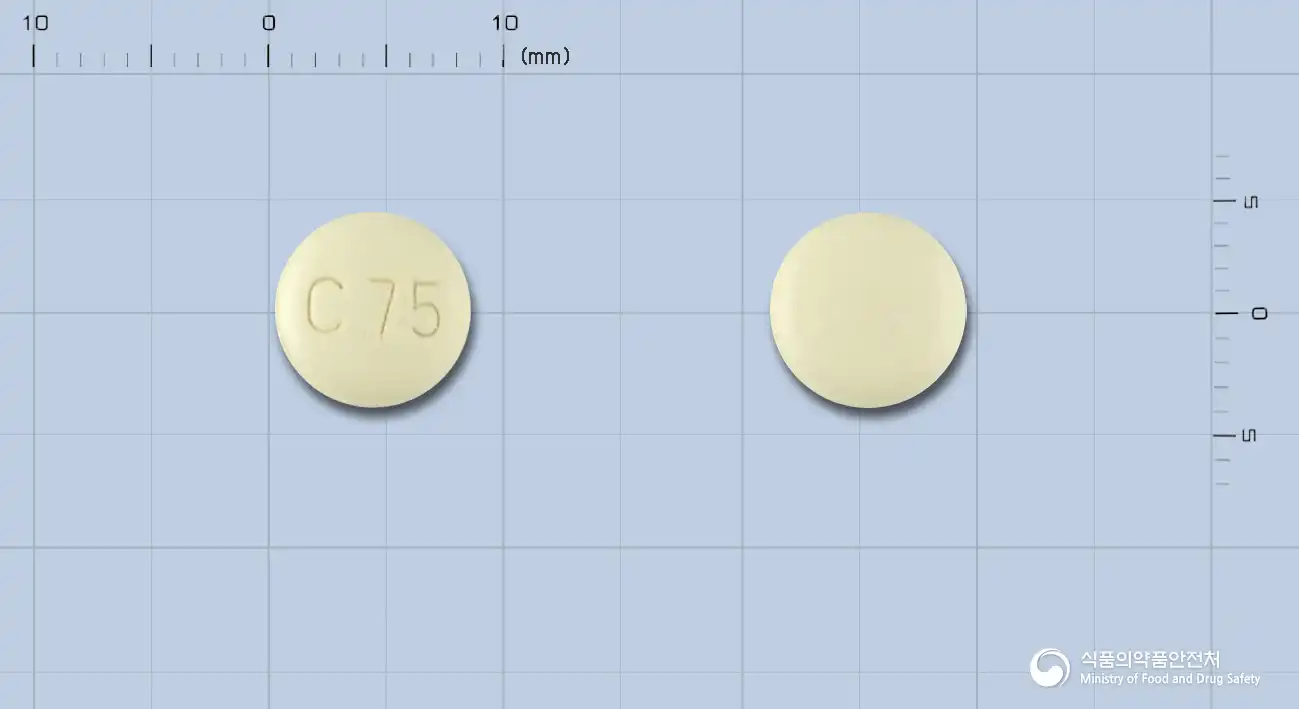
Sevikar 5/40 mg
Olmesartan Medoxomil 40mg · Amlodipine Besylate 6.944mg
Tablet · Prescription medication · Combination
Korea Daiichi Sankyo Co., Ltd.
MFDS item code 201004569 · Approved 2010.07.19 · Insurance code 680900050
Improvement in blood pressure control for essential hypertension
Amlodipine or olmesartan medoxomil is used in patients with essential hypertension when blood pressure is not sufficiently controlled by monotherapy. These medications lower blood pressure, reducing the burden on the heart and blood vessels, and help effectively control blood pressure, thus reducing the risk of complications. Proper blood pressure management is crucial for maintaining health and contributing to the prevention of cardiovascular diseases.
Take one tablet daily with water, regardless of meals. It is preferable to take it at the same time daily (e.g., morning). The maximum dosage is 10/40 mg. The peak blood pressure-lowering effect occurs within two weeks of administration, so doses should be adjusted at intervals of more than two weeks based on blood pressure response. Recommended dosages are as follows: - 5/20 mg: for patients inadequately controlled with amlodipine 5 mg.
Safety and efficacy have not been established for pediatric patients under the age of 18.
This medicine can cause serious damage to the fetus and newborn during the second and third trimesters of pregnancy, so treatment should be discontinued immediately upon confirmation of pregnancy. This medication should not be administered to individuals allergic to its active ingredients or similar components, pregnant or breastfeeding women, patients with severe liver dysfunction, severe aortic stenosis, biliary obstruction, patients on dialysis, those in a state of shock, and certain patients with diabetes or severely impaired kidney function. Patients with low blood pressure due to fluid or salt deficiency may experience hypotensive symptoms, so close monitoring is required initially, and appropriate action should be taken if hypotension occurs. As vasodilation can lead to hypotension, caution is advised for certain heart disease patients like those with aortic stenosis. Patients with heart failure should be carefully monitored, and those with impaired kidney function may experience kidney damage; close monitoring of their condition is required. Patients with decreased liver function should be cautious as the metabolism of this medicine may slow down. During treatment, side effects such as dizziness, headache, hypotension, edema, dyspepsia, skin rash may occur; therefore, any unusual symptoms should be discussed with healthcare professionals. This medicine may interact with other medications; you must inform your healthcare provider about any other medications you're taking, especially to avoid concurrent use with grapefruit juice. This medication should not be used during pregnancy, and those planning to become pregnant or already pregnant must consult a doctor. If breastfeeding, it's important to either discontinue nursing or stop taking the medication since it can transfer into breast milk and affect the infant. Safety and efficacy have not been established for children under the age of 18, so it is not recommended for that age group. Elderly patients may require dosage adjustments due to decreased kidney and liver function affecting the medication's effectiveness. In cases of overdose, severe hypotension, vasodilation, and tachycardia can occur, requiring immediate medical attention.
Hives, severe swelling (edema), difficulty breathing, hypotension, angioedema, liver abnormalities (jaundice), toxic epidermal necrolysis, acute kidney failure, increased serum creatinine, exacerbation of cerebral infarction, severe edema associated with increased blood pressure, severe allergic reactions, severe skin adverse reactions, serious neurological symptoms.
Not everyone experiences these, and they can vary from person to person.
This medication should be stored in a tightly sealed container to protect it from air and moisture. It is recommended to maintain storage temperatures between 1 to 30 degrees Celsius.
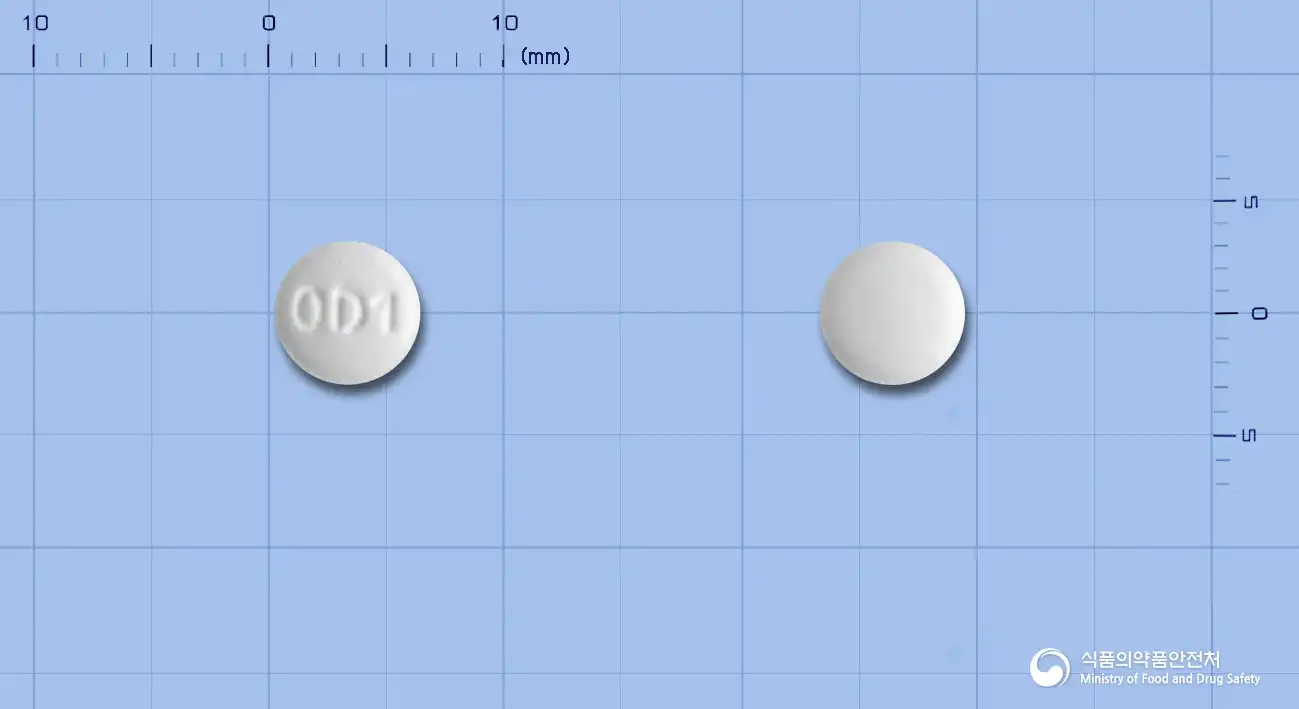
Pale yellow, round, film-coated tablet
28 tablets (14 tablets/PTP X 2)/carton
Even with the same ingredient, strength, dosage form and how it is taken can differ.
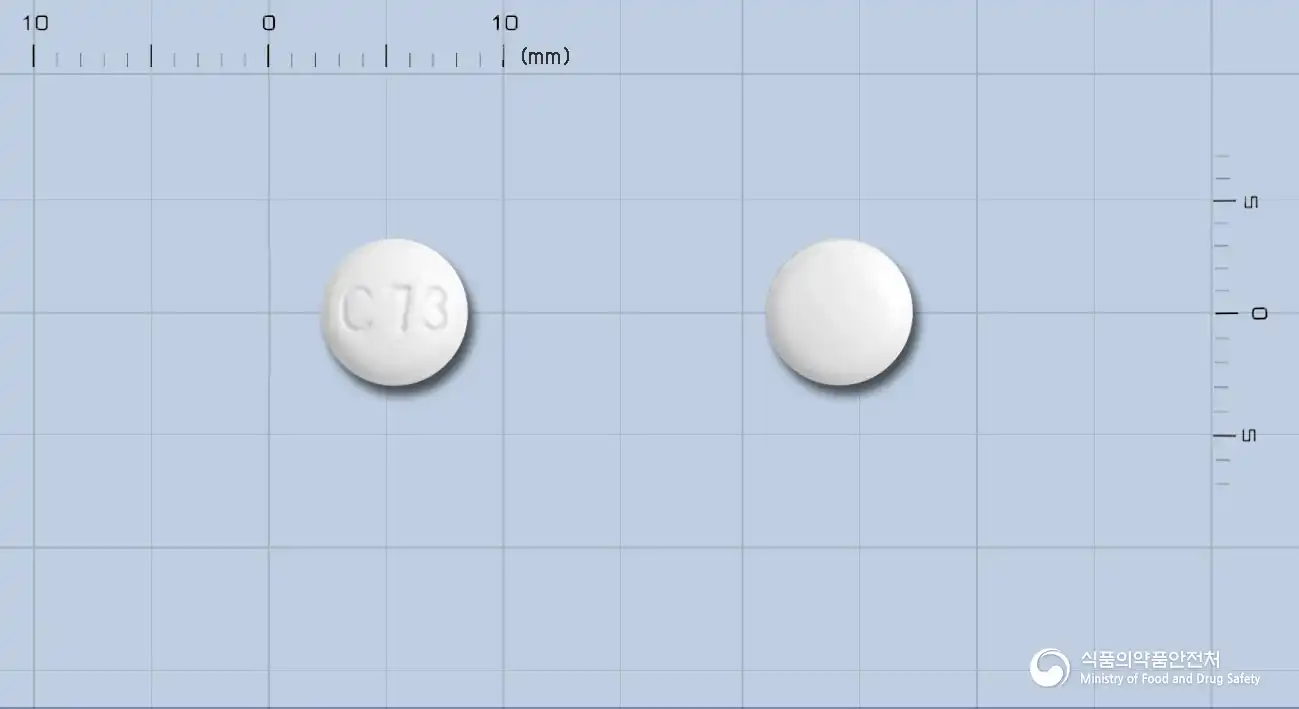
Viewing nowCombinationOlmesartan Medoxomil 40mg · Amlodipine Besylate 6.944mg
Tablet · Prescription medication · Combination
Korea Daiichi Sankyo Co., Ltd.
 Combination
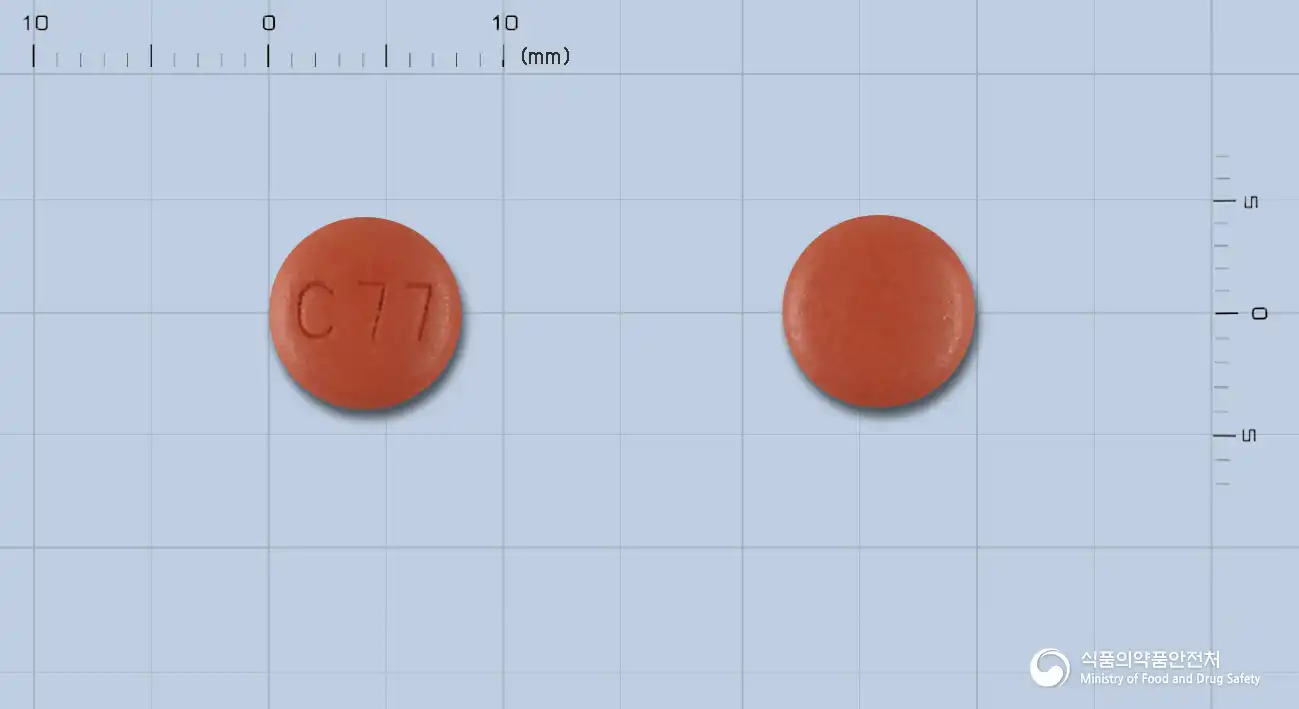
Olmesartan Medoxomil 20mg · Amlodipine Besylate 6.944mg
Tablet · Prescription medication · Combination
Korea Daiichi Sankyo Co., Ltd.
 Combination
Olmesartan Medoxomil 40mg · Amlodipine Besylate 13.888mg
Tablet · Prescription medication · Combination
Hanmi Daiichi Sankyo Co., Ltd.
Olmesartan Medoxomil · Amlodipine Besylate
Prescription medication · Combination
SYNEX Co., Ltd.
Olmesartan Medoxomil · Amlodipine Besylate
Prescription medication · Combination
Co., Ltd. Sainex
Olmesartan Medoxomil · Amlodipine Besylate
Prescription medication · Combination
SYNEX Co., Ltd.
 Combination
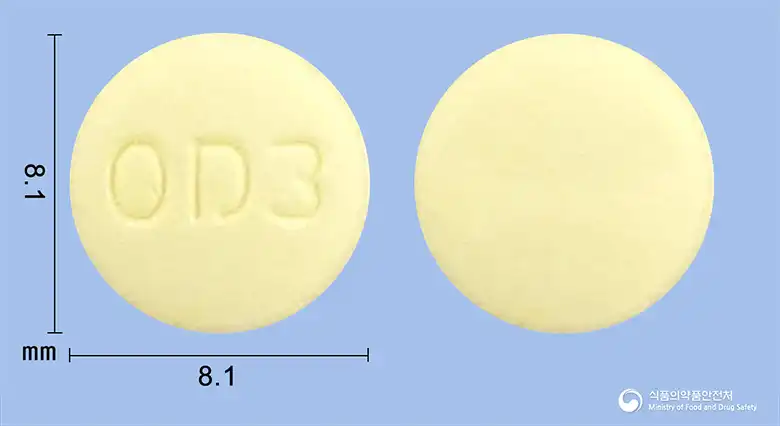
Amlodipine Besylate 6.944mg · Olmesartan Medoxomil 40mg
Tablet · Prescription medication · Combination
Huons Co., Ltd.
 Combination
Amlodipine Besylate 6.944mg · Olmesartan Medoxomil 20mg
Tablet · Prescription medication · Combination
Huons Co., Ltd.
Even with the same ingredient, the dose and directions can differ by strength and dosage form. Talk to a doctor or pharmacist before switching from a medication you are already taking.
No questions yet.
For anything that needs medical judgment, consult a doctor or pharmacist.
This drug information is based on data provided by the Korea Ministry of Food and Drug Safety.
Consult a doctor or pharmacist for accurate dosage, administration, and usage instructions.