
 한국어
 English
 日本語
 中文(简体)
Summary
- Main use
- Treatment of HIV infection in combination with other antiretroviral agents
- Who takes it
- Adults · Children
- Adult dose
- May be administered with or without food and must be prescribed by a physician experienced in the treatment of HIV infection. The tablets should be swallowed whole without crushing to ensure administration of the full dose. Adults, adolescents: Administer 1 tablet (300mg) twice daily or 2 tablets (600mg) once daily. If you wish to change the dosing regimen, follow these instructions. 1) To change from twice-daily to once-daily dosing: After taking the last dose of the twice-daily regimen, wait approximately 12 hours before taking the dose of the once-daily regimen. Thereafter, take the once-daily regimen at 24-hour intervals. 2) To change from once-daily to twice-daily dosing: After taking the last dose of the once-daily regimen, wait approximately 24 hours before taking the twice-daily regimen. Patients with renal impairment: No dosage adjustment is necessary in patients with renal impairment, but administration should be avoided in patients with end-stage renal disease. Patients with hepatic impairment: Abacavir is metabolized primarily in the liver. No dosage adjustment is necessary in patients with mild hepatic impairment (Child-Pugh score 5-6), but administration should be avoided in patients with moderate or severe hepatic impairment because there are insufficient data to support a dosage. If abacavir is administered to patients with mild hepatic impairment, careful monitoring is required, including monitoring of abacavir plasma concentrations where possible.
- Child dose
- Children weighing 25kg or more: Administer 1 tablet (300mg) per dose twice daily, or 2 tablets (600mg) once daily. Children weighing 20kg or more to less than 25kg: The recommended daily dose is 450mg. Administer 1/2 tablet (150mg) in the morning and 1 tablet (300mg) in the evening, or 1 and 1/2 tablets (450mg) once daily. Children weighing 14kg or more to less than 20kg: The recommended daily dose is 300mg. Administer 1/2 tablet (150mg) per dose twice daily, or 1 tablet (300mg) once daily. Data on the use of this medicine in children under 3 months of age are very limited.
Ingredients
- Importer
- GSK Korea
Efficacy & effects
Treatment of HIV infection in combination with other antiretroviral agents
View approved original textHide original text
This medication helps treat HIV infection when used in combination with other antiretrovirals. It suppresses the HIV virus to protect the patient's immune function and slows the progression of the disease. This treatment plays a crucial role in preventing the spread of the virus and improving the health of the patient.
How to take
Adult dose
May be administered with or without food and must be prescribed by a physician experienced in the treatment of HIV infection. The tablets should be swallowed whole without crushing to ensure administration of the full dose. Adults, adolescents: Administer 1 tablet (300mg) twice daily or 2 tablets (600mg) once daily. If you wish to change the dosing regimen, follow these instructions. 1) To change from twice-daily to once-daily dosing: After taking the last dose of the twice-daily regimen, wait approximately 12 hours before taking the dose of the once-daily regimen. Thereafter, take the once-daily regimen at 24-hour intervals. 2) To change from once-daily to twice-daily dosing: After taking the last dose of the once-daily regimen, wait approximately 24 hours before taking the twice-daily regimen. Patients with renal impairment: No dosage adjustment is necessary in patients with renal impairment, but administration should be avoided in patients with end-stage renal disease. Patients with hepatic impairment: Abacavir is metabolized primarily in the liver. No dosage adjustment is necessary in patients with mild hepatic impairment (Child-Pugh score 5-6), but administration should be avoided in patients with moderate or severe hepatic impairment because there are insufficient data to support a dosage. If abacavir is administered to patients with mild hepatic impairment, careful monitoring is required, including monitoring of abacavir plasma concentrations where possible.
Child dose
Children weighing 25kg or more: Administer 1 tablet (300mg) per dose twice daily, or 2 tablets (600mg) once daily. Children weighing 20kg or more to less than 25kg: The recommended daily dose is 450mg. Administer 1/2 tablet (150mg) in the morning and 1 tablet (300mg) in the evening, or 1 and 1/2 tablets (450mg) once daily. Children weighing 14kg or more to less than 20kg: The recommended daily dose is 300mg. Administer 1/2 tablet (150mg) per dose twice daily, or 1 tablet (300mg) once daily. Data on the use of this medicine in children under 3 months of age are very limited.
Precautions
This medication may cause hypersensitivity reactions, which can be manifested by symptoms such as fever or rash. Such hypersensitivity can be life-threatening, so if symptoms are suspected, discontinue use immediately and consult a healthcare professional. It is important to test for specific genes to assess the risk of hypersensitivity before taking this medication. Patients with the HLA-B*5701 gene are advised not to use this drug. Serious metabolic disorders called lactic acidosis may occur, so if symptoms such as general weakness, appetite loss, vomiting, abdominal pain, or breathing difficulties appear, visit a hospital immediately. Patients with poor liver function or severe kidney impairment should not take this medication, and those with liver disease need to be careful. This medication can cause metabolic abnormalities such as body fat redistribution, glucose, and lipid abnormalities when used with other antiretroviral agents, so regular monitoring is necessary. Pregnant women should consult a doctor before taking this medication, and breastfeeding mothers are advised to avoid breastfeeding. Safety information regarding children and elderly individuals is limited, so special caution is necessary. In case of overdose, notify healthcare professionals immediately and receive appropriate treatment based on symptoms. Store this medication out of children's reach and do not transfer it to other containers for safety.
Side effects
- Hypersensitivity reactions
- fever
- rash
- pneumonia
- bronchitis
- pharyngitis
- gastroenteritis
- general weakness
- fatigue
- nausea
Show 91 moreCollapse
- vomiting
- diarrhea
- abdominal pain
- oral ulcers
- dyspnea
- cough
- sore throat
- adult respiratory distress syndrome
- respiratory failure
- headache
- paresthesia
- lymphocytopenia
- elevated liver function tests
- liver failure
- hepatitis
- myalgia
- rhabdomyolysis
- arthralgia
- elevated creatine phosphokinase
- elevated creatinine
- renal failure
- somnolence
- edema
- lymphadenopathy
- hypotension
- conjunctivitis
- anaphylactic reaction
- loss of appetite
- pancreatitis
- polymorphic erythema
- Stevens-Johnson syndrome
- toxic epidermal necrolysis
- fatigue
- dreams/sleep disturbances
- depression
- dizziness
- bronchitis
- fever and chills
- ear/nose/throat infections
- viral respiratory infections
- anxiety
- nephrotic syndrome
- pain
- itching
- bilirubinemia
- worsening condition
- rhinitis
- increased sputum
- palpitations
- constipation
- upper respiratory tract infections
- warts
- chest pain
- hypertension
- hiccups
- increased sweating
- sinusitis
- onychomycosis
- visual disturbances
- soft tissue infections
- fungal dermatitis
- flushing
- tinnitus
- osteopenia
- fractures
- aggressive reactions
- abscess
- diabetic complications
- herpes zoster
- paralysis
- Meibomian gland dysfunction
- weakness
- adrenal insufficiency
- eczema
- pyelonephritis
- duodenal ulcers
- adenoid hypertrophy
- urinary crystals
- gastroesophageal reflux
- altered olfaction
- cognitive impairment
- gingivitis
- prostate disorders
- hemorrhoids
- uveitis
- skin nodules
- skin discoloration
- dermatitis
- tongue discoloration
- hematuria
- jaundice
Not everyone experiences these, and they can vary from person to person.
Storage
This medication should be stored in a tightly sealed container to protect it from air and moisture. Additionally, it should be kept away from direct sunlight and stored at room temperature between 1°C and 30°C.
Appearance and packaging
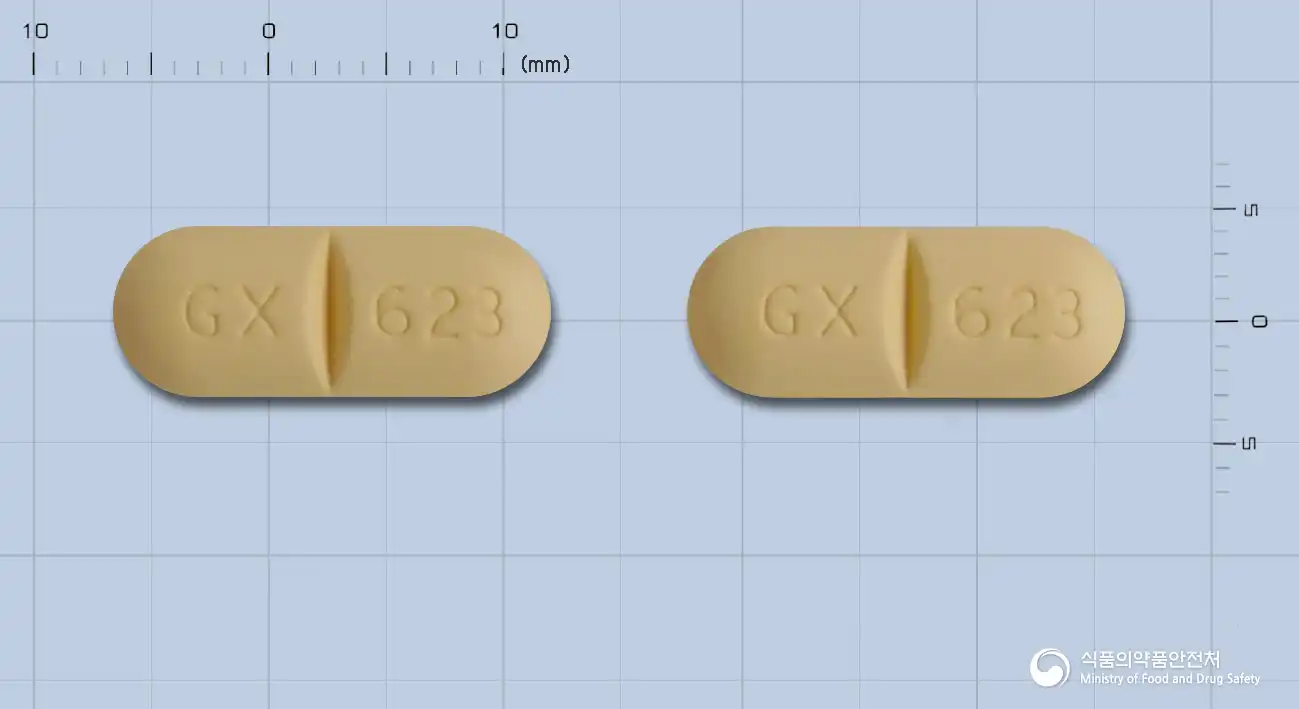
Appearance
Yellow, double convex, oval film-coated tablets
Package unit
60 tablets (10 tablets/PTP X 6)
Questions about this medicine
No questions yet.
For anything that needs medical judgment, consult a doctor or pharmacist.