
 한국어
 English
 日本語
 中文(简体)
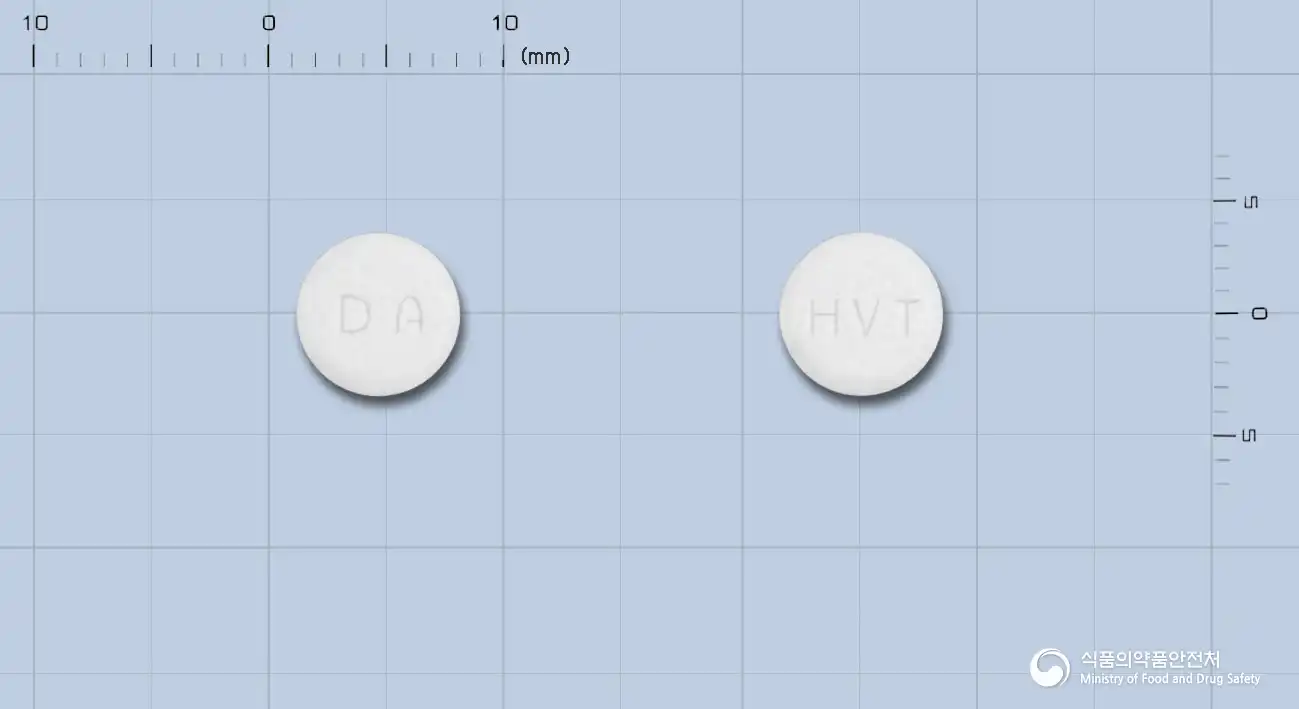 Viewing now
Hepsevir 10 mg Tablets (Adefovir Dipivoxil)
Adefovir Dipivoxil 10mg
Tablet · Prescription medication
Dong-A ST Co., Ltd.
MFDS item code 201003213 · Notified 2010.04.30 · Insurance code 642506270
Treatment of chronic hepatitis B
This medication is used for the treatment of chronic hepatitis B patients confirmed to have active viral replication and persistent liver function abnormalities. It is particularly effective when serum amino transferase levels are elevated or when active disease is confirmed by histological examination. It is applicable to both HBeAg-positive and negative patients, and treatment is based on virological, biochemical, and serological responses. Additionally, it can be used for hepatitis B patients with lamivudine resistance. This medication helps improve liver function abnormalities caused by chronic hepatitis B.
Adults: The recommended dose of adefovir dipivoxil is 10 mg orally once daily, with or without food. Patients with renal impairment: In patients with a creatinine clearance of less than 50 mL/min, adjust the dosing interval as shown in the table. No dosing recommendations are available for patients with a creatinine clearance of less than 10 mL/min who are not receiving hemodialysis.
This medicine must be taken exactly as prescribed, and it should not be exceeded. If treatment is stopped, hepatitis may worsen, so liver function should be regularly monitored for a certain period after discontinuation. Particularly, patients with severely impaired liver function or cirrhosis should be monitored much more closely from the start of treatment. Since this medication may stress the kidneys, patients with weak kidney function or at risk of kidney function decline should have their renal function checked before taking this medication. Moreover, when taken with other drugs that may affect kidney function, careful monitoring of kidney function is required. Patients who have not been tested for HIV should undergo an HIV test before using this medication, and those co-infected with HIV should initiate treatment after consulting a specialist. The safety for pregnant women has not been sufficiently established, so women who are pregnant or planning to become pregnant should consult a physician before use. Breastfeeding women are advised to discontinue nursing while taking this medication. The safety and efficacy for children and adolescents (under 18 years) have not yet been sufficiently verified. For the elderly, caution should be exercised due to the higher likelihood of decreased kidney function. In case of overdose, immediate consultation with medical personnel is advised, and if necessary, treatments like blood dialysis may be administered. This medication may interact with other drugs, so it is essential to inform medical personnel of any other medications being taken. Finally, this medication should be stored out of reach of children, and it is safer not to transfer it to another container.
Not everyone experiences these, and they can vary from person to person.
This medication may be sensitive to air or moisture, so it must be stored in a tightly sealed container. The storage temperature should be kept between 1 and 30 degrees Celsius at room temperature. Proper storage can help maintain the medication's effectiveness for a longer period.
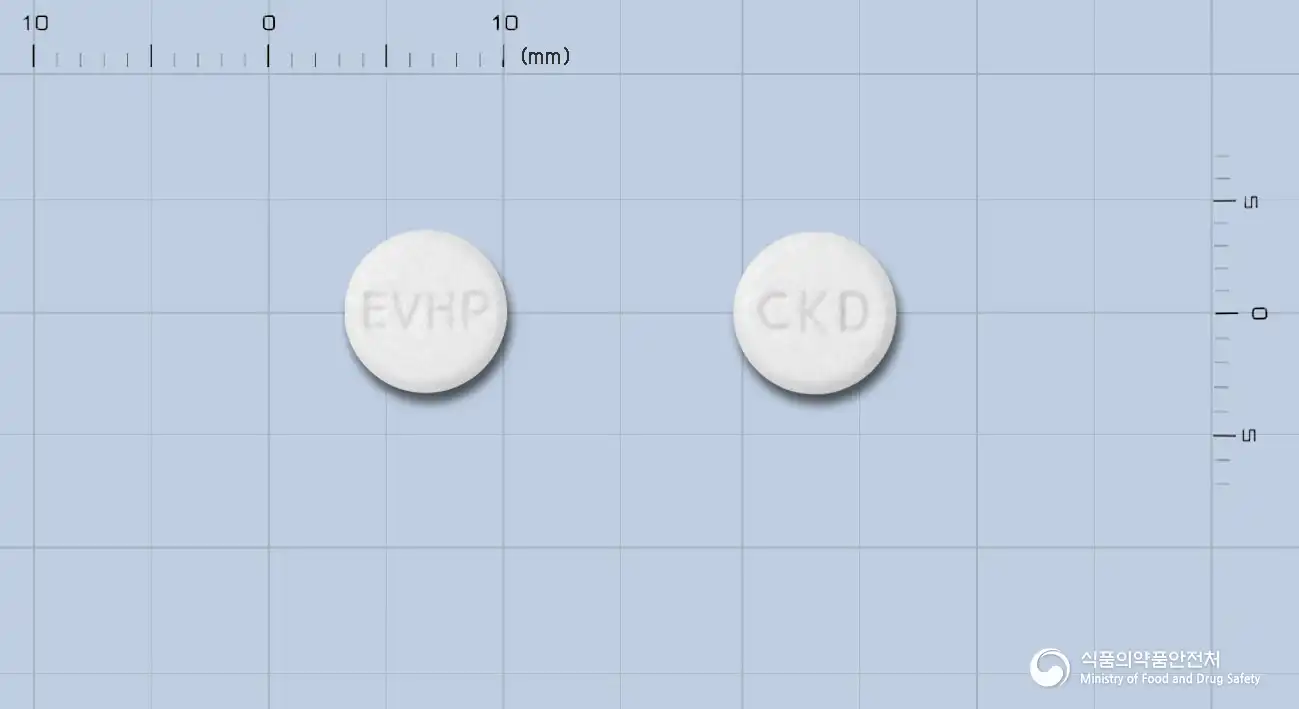
White to grayish-white round tablets
30 tablets/bottle
Even with the same ingredient, strength, dosage form and how it is taken can differ.
Viewing nowAdefovir Dipivoxil 10mg
Tablet · Prescription medication
Dong-A ST Co., Ltd.
Adefovir Dipivoxil
Prescription medication
GlaxoSmithKline Co., Ltd.
Adefovir Dipivoxil 10mg
Tablet · Prescription medication
Samjin Pharmaceutical Co., Ltd.
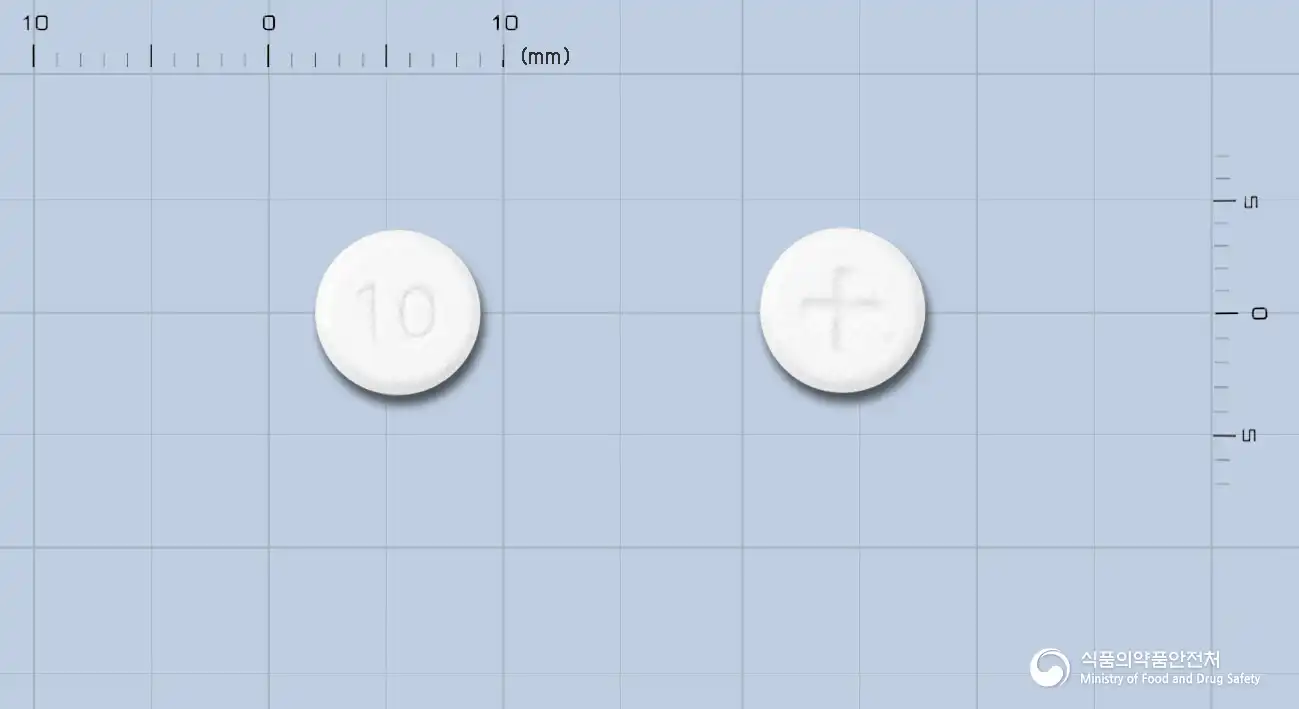
Adefovir Dipivoxil 10mg
Tablet · Prescription medication
Green Cross Corporation
Adefovir Dipivoxil 10mg
Tablet · Prescription medication
Ildong Pharmaceutical Co., Ltd.
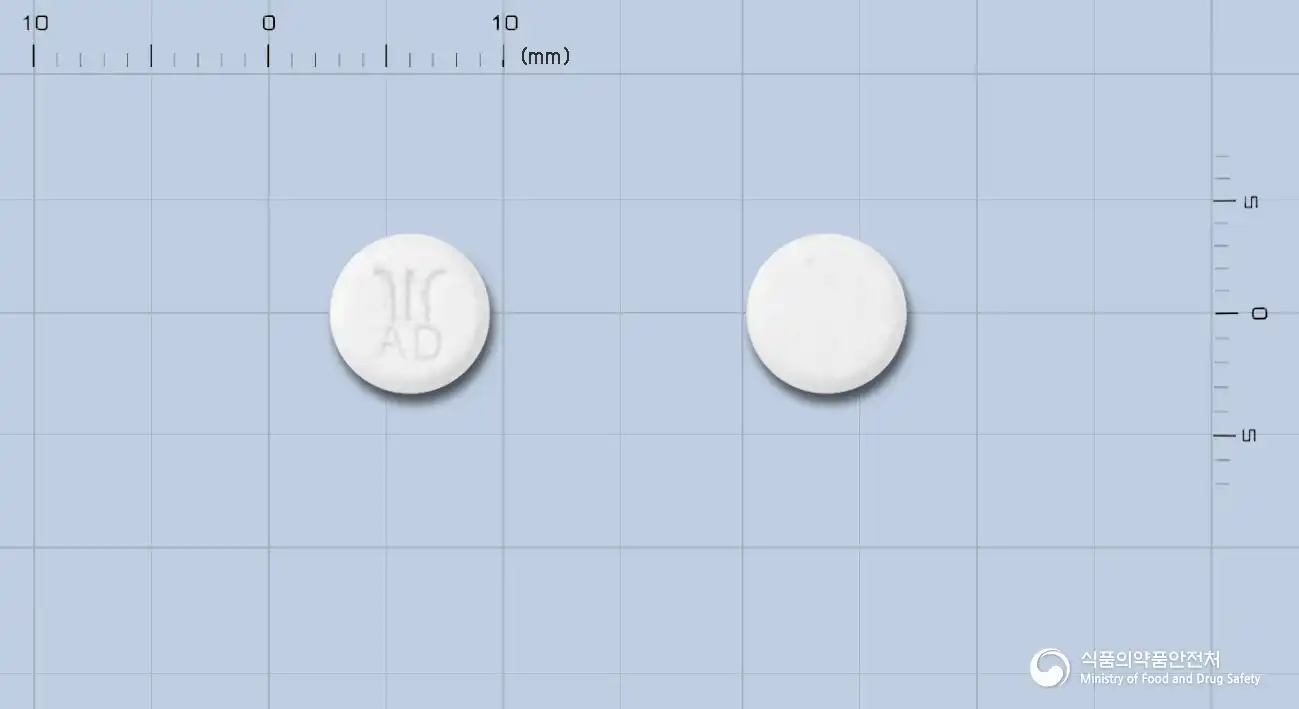
Adefovir Dipivoxil 10mg
Tablet · Prescription medication
Bukwang Pharmaceutical Co., Ltd.
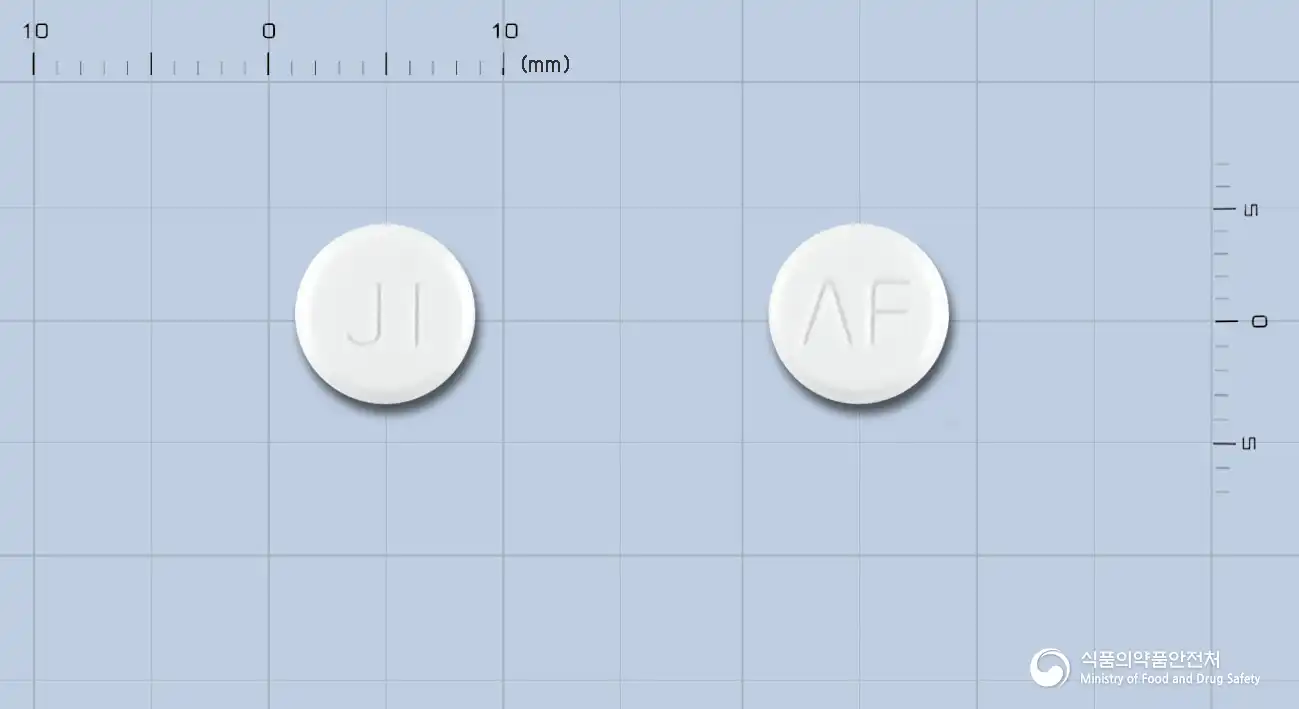
Adefovir Dipivoxil 10mg
Tablet · Prescription medication
Jeil Pharmaceutical Co., Ltd.
Adefovir Dipivoxil 10mg
Tablet · Prescription medication
Jongkundang Co., Ltd.
Even with the same ingredient, the dose and directions can differ by strength and dosage form. Talk to a doctor or pharmacist before switching from a medication you are already taking.
No questions yet.
For anything that needs medical judgment, consult a doctor or pharmacist.
This drug information is based on data provided by the Korea Ministry of Food and Drug Safety.
Consult a doctor or pharmacist for accurate dosage, administration, and usage instructions.