
 한국어
 English
 日本語
 中文(简体)
 Viewing now
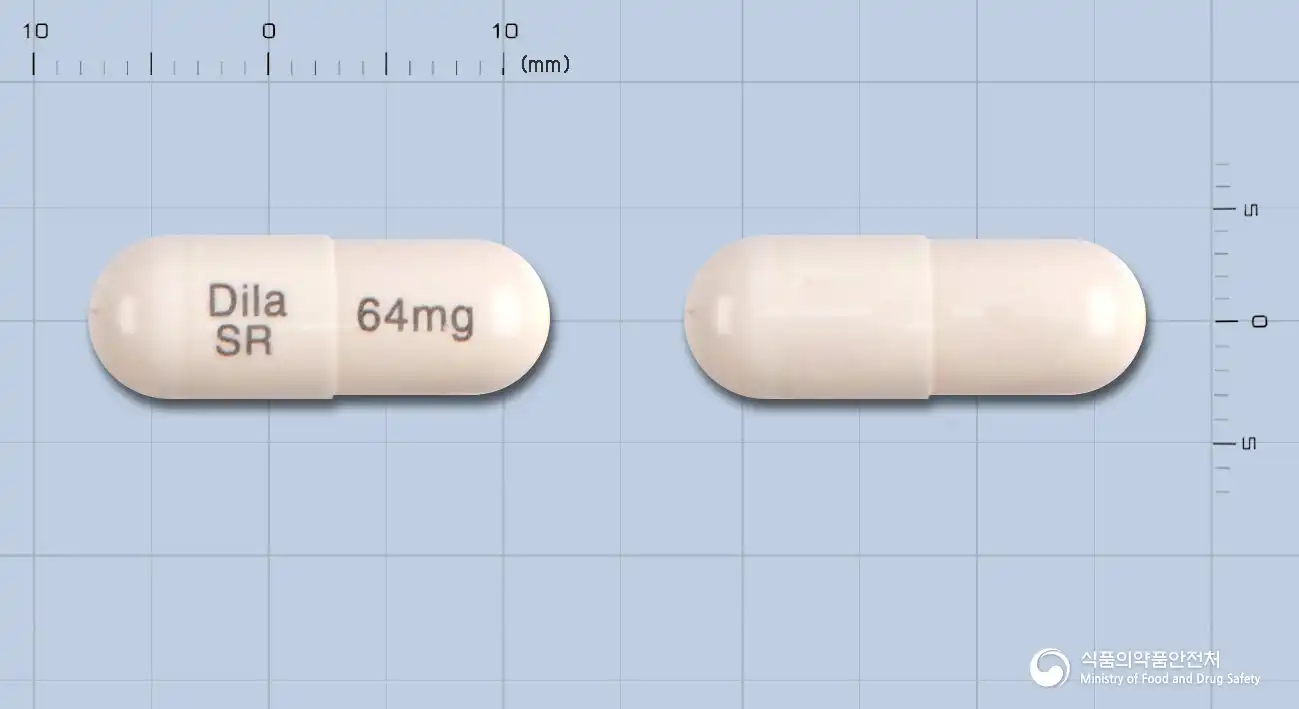
Dilatrend SR Capsule 64 mg (Carvedilol)
Carvedilol Granules 351.2mg
Hard capsule · Prescription medication
JonggeunDang Co., Ltd.
MFDS item code 201001744 · Approved 2010.02.26 · Insurance code 643305920
Treatment of essential hypertension and chronic stable angina; adjunctive treatment of congestive heart failure
This medication is used for the treatment of essential hypertension, chronic stable angina, and congestive heart failure. It is administered as an adjunctive therapy with diuretics, digitalis preparations, ACE inhibitors, and other vasodilators to help control blood pressure and improve heart function. It should be used appropriately according to the patient's condition to aid in alleviating symptoms of cardiovascular disease.
Take this medicine orally with food. Do not increase the dose or discontinue treatment without a doctor's instructions. This is an extended-release formulation. Do not break, crush, or chew it; swallow the capsule whole. For reference, the daily doses of this extended-release formulation equivalent to those of conventional carvedilol formulations are as follows. Daily dose of conventional formulation — Daily dose of extended-release formulation 3.125 mg twice daily — 8 mg once daily 6.25 mg twice daily — 16 mg once daily 12.5 mg twice daily — 32 mg once daily 25 mg twice daily — 64 mg once daily 50 mg twice daily — 128 mg once daily Adults with essential hypertension: Administer 16 mg once daily for 2 days, then increase to 32mg once daily. The usual dose is 32 mg once daily for 2 weeks; if the effect is insufficient, the dose may be increased to 64mg once daily. The maximum daily dose of this medicine is 64mg. Elderly patients with essential hypertension: 16 mg of this medicine once daily may provide sufficient therapeutic effect. If the effect is insufficient after 2 weeks of treatment, the dose may be increased. Administer with caution while monitoring the patient's condition. Chronic stable angina: Administer 32 mg of carvedilol once daily for the first 2 days, then administer 64 mg once daily. Chronic stable angina: The usual dose is 64 mg once daily for 2 weeks. If an increase is necessary (excluding elderly patients), administer 128 mg once daily. Congestive heart failure: For initial treatment, the usual dose is 8 mg of carvedilol once daily for 2 weeks. If the patient tolerates this treatment well, increase the dose to 16 mg once daily for 2 weeks, then increase it to 32 mg once daily for 2 weeks, and then increase it to 64 mg once daily. Congestive heart failure: After taking each dose for at least 2 weeks, gradually increase the dose to the maximum dose the patient can tolerate. Congestive heart failure: The minimum effective dose of this medicine is 16 mg once daily. The maximum dose is 64 mg once daily for patients weighing 85 kg or less, and 128 mg once daily for patients weighing 85 kg or more.
This medication should not be used in patients with certain diseases or conditions. For example, it should not be administered to patients who have had an allergic reaction to this medication or to patients with severely impaired heart function. It is also not safe for patients with asthma or chronic pulmonary diseases, severe hypotension, or women who are pregnant or breastfeeding. Special caution is necessary for patients with diabetes or impaired kidney function, and consultation with a doctor is required. Various side effects such as dizziness, fatigue, and reduced heart rate may occur; therefore, symptoms should be closely monitored. Regular checks of heart function, blood pressure, and electrocardiogram are important. This medication should not be suddenly discontinued as it may worsen heart-related symptoms, so the dosage should be gradually reduced as instructed by a physician. There are many interactions with other drugs that require caution when used simultaneously, especially with medications that affect blood pressure. It is recommended that women who are pregnant or breastfeeding do not take this medication, and it should be used cautiously in children and the elderly. Overdosage may cause serious heart problems or breathing difficulties, so immediate medical attention should be sought. This medication is sensitive to light, so it should be stored away from direct sunlight and kept out of reach of children.
Not everyone experiences these, and they can vary from person to person.
This medication should be stored in a container that blocks light and air, preferably at room temperature between 1 to 30 degrees Celsius. Storing it this way helps maintain the medication’s effectiveness for a longer period.
White to slightly yellow hard capsules containing immediate-release and sustained-release granules
30 capsules/bottle, 100 capsules/bottle
Even with the same ingredient, strength, dosage form and how it is taken can differ.
Viewing nowCarvedilol Granules 351.2mg
Hard capsule · Prescription medication
JonggeunDang Co., Ltd.
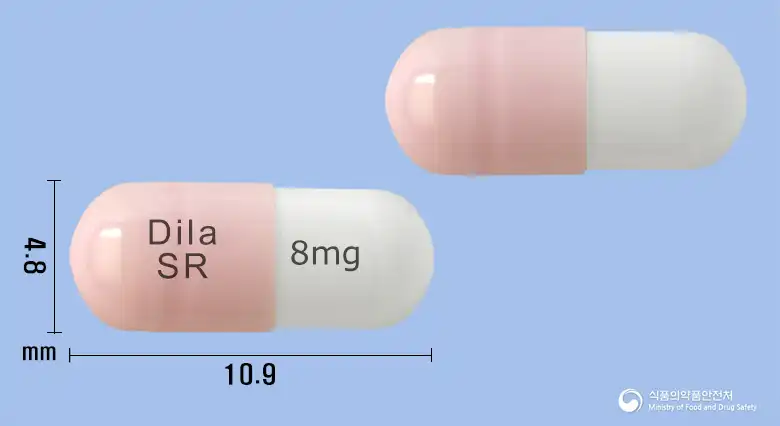
Carvedilol Granules 43.9mg
Hard capsule · Prescription medication
Jongkundang Co., Ltd.
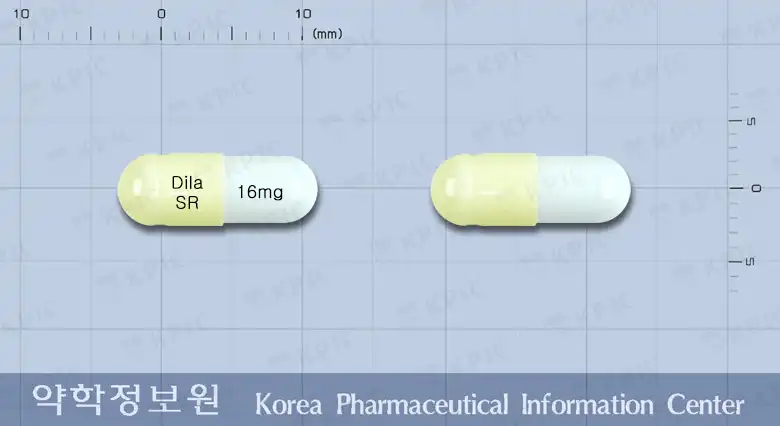
Carvedilol Granules 87.8mg
Hard capsule · Prescription medication
Jongkundang Co., Ltd.
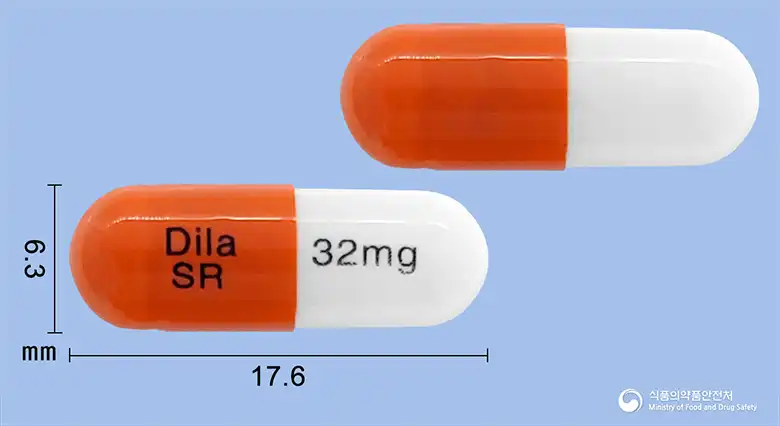
Carvedilol Granules 175.6mg
Hard capsule · Prescription medication
Jongkundang Co., Ltd.
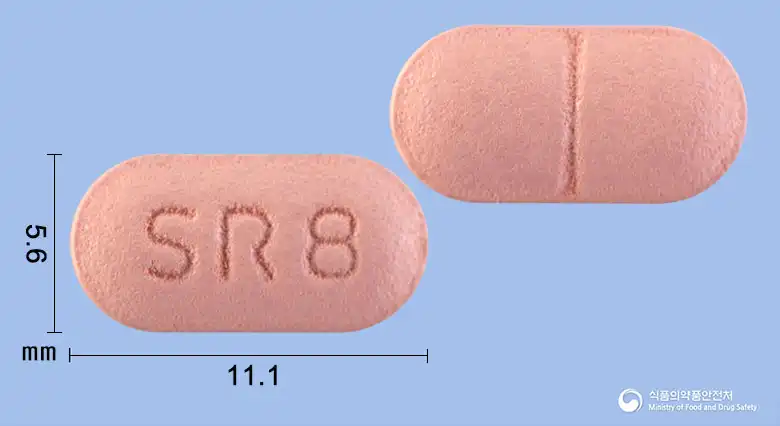
Carvedilol Granules 43.9mg
Tablet · Prescription medication
Jong Kun Dang Co., Ltd.
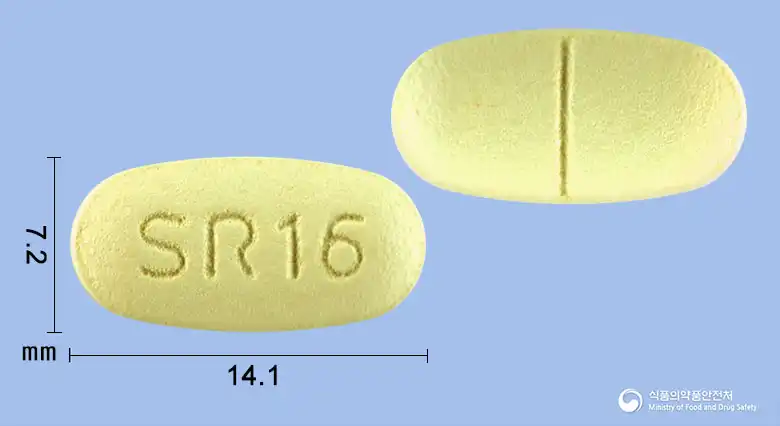
Carvedilol Granules 87.8mg
Tablet · Prescription medication
Jongkundang Co., Ltd.
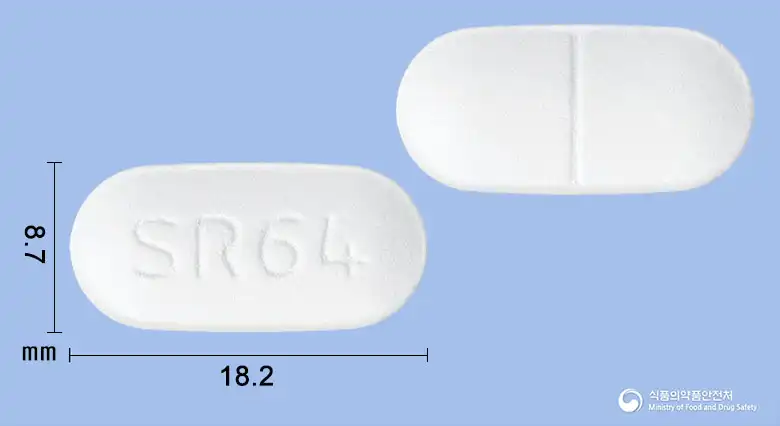
Carvedilol Granules 351.2mg
Tablet · Prescription medication
Jongkundang Co., Ltd.
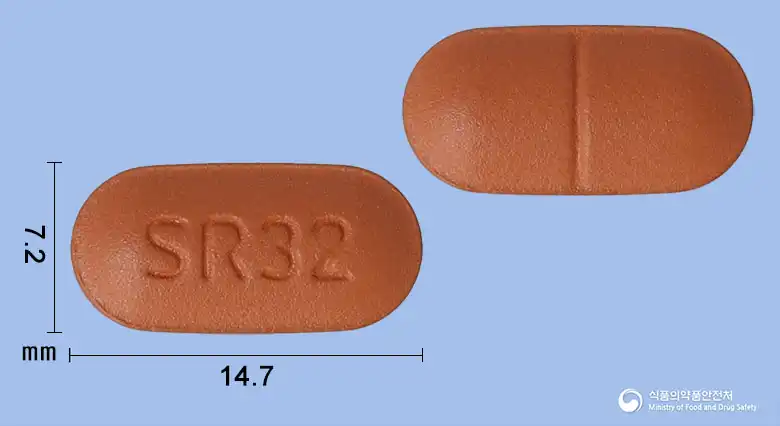
Carvedilol Granules 175.6mg
Tablet · Prescription medication
Jongkundang Co., Ltd.
Even with the same ingredient, the dose and directions can differ by strength and dosage form. Talk to a doctor or pharmacist before switching from a medication you are already taking.
No questions yet.
For anything that needs medical judgment, consult a doctor or pharmacist.
This drug information is based on data provided by the Korea Ministry of Food and Drug Safety.
Consult a doctor or pharmacist for accurate dosage, administration, and usage instructions.