
 한국어
한국어 English
 日本語
日本語 中文(简体)
 Viewing now
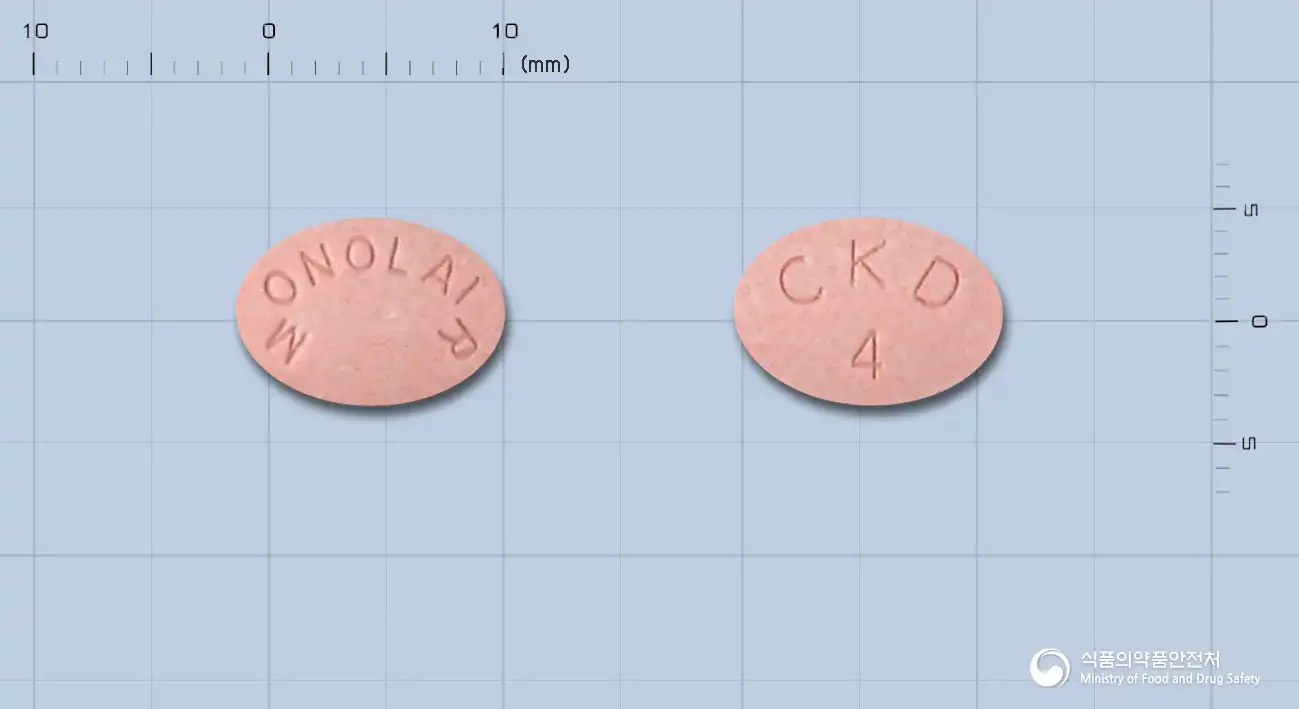
Monolear Chewable Tablet 4 mg (Montelukast Sodium)
Montelukast Sodium 4.16mg
Chewable Tablet · Prescription medication
Jongkundang Co., Ltd.
MFDS item code 200908333 · Notified 2009.11.26 · Insurance code 643305610
Prevention of asthma and alleviation of allergic rhinitis symptoms
This medication is used to prevent and continuously treat asthma. It is also effective in alleviating symptoms of seasonal and year-round allergic rhinitis, thus helping to manage asthma and allergic rhinitis and improving the patient’s respiratory health.
This medication is taken once daily in the evening for asthma patients. For allergic rhinitis patients, the dosing time is determined according to the patient's condition. Patients with both asthma and allergic rhinitis take 1 tablet once daily in the evening. This medication is administered 1 hour before or 2 hours after meals.
Children aged 2 to 5 years chew 4 mg of montelukast once daily. This medication is administered 1 hour before or 2 hours after meals.
This medicine contains the artificial sweetener aspartame, which breaks down into phenylalanine in the body. Therefore, patients with phenylketonuria should not take this medication. The daily intake of aspartame should be regulated not to exceed WHO recommended levels, and it is safe for adults to take no more than 2.4g per day. Patients with allergies to this medication or its components should avoid taking it. Additionally, it contains lactose, so it should not be used by patients with lactose intolerance or galactose metabolism disorders. This medication is not intended for the treatment of acute asthma attacks; therefore, appropriate emergency medication should be used when asthma exacerbates suddenly. If neuropsychiatric symptoms (restlessness, anxiety, depression, etc.) occur during use, consult a physician immediately. Patients with aspirin hypersensitivity should avoid the use of aspirin or non-steroidal anti-inflammatory drugs while taking this medication. This medication is safe for long-term use, but rare serious side effects such as eosinophilia and vasculitis can occur, so caution is necessary. Do not abruptly stop or switch from other asthma treatments to this medication and follow the physician's instructions for taking it. During pregnancy, it should only be used if necessary, and caution should be exercised while breastfeeding. Children and the elderly should also take an appropriate dose under the guidance of a physician, and safety has not been established for infants under 6 months old. In case of overdose, there is no specific antidote, so it is important to receive general treatment according to symptoms. This medication is sensitive to light, so it should be opened just before taking and stored in a container that does not allow air in, kept out of reach of children. Even if symptoms are absent, it should be taken consistently, and if asthma symptoms worsen, it is necessary to consult medical personnel.
Urticaria, angioedema, chest tightness, difficulty breathing, cold sweat, pallor, severe allergic reactions, severe rash with high fever, blisters, skin peeling, oral/ocular mucous membrane pain, severe skin adverse reactions, difficulty breathing or shortness of breath, asthma attacks, respiratory abnormalities with cough and fever, yellowing of skin or eyes (jaundice), severe lethargy, liver abnormalities (jaundice), sudden and severe headaches,
Not everyone experiences these, and they can vary from person to person.
This medication is sensitive to moisture and light, so it should be stored at room temperature between 1°C and 30°C. It is important to store it in a tightly closed container to avoid air exposure.
A pink, oval-shaped, double convex chewable tablet
28 tablets/box[(7 tablets/PTP X 4)]
Even with the same ingredient, strength, dosage form and how it is taken can differ.
Viewing nowMontelukast Sodium 4.16mg
Chewable Tablet · Prescription medication
Jongkundang Co., Ltd.
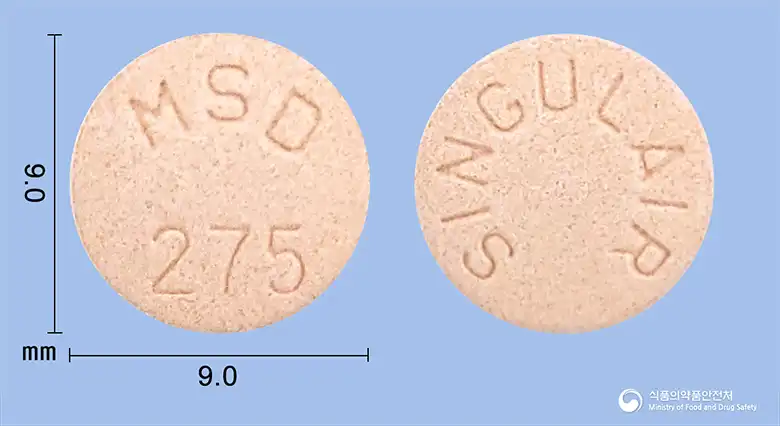
Montelukast Sodium 5.2mg
Chewable Tablet · Prescription medication
Korea Organon Co., Ltd.
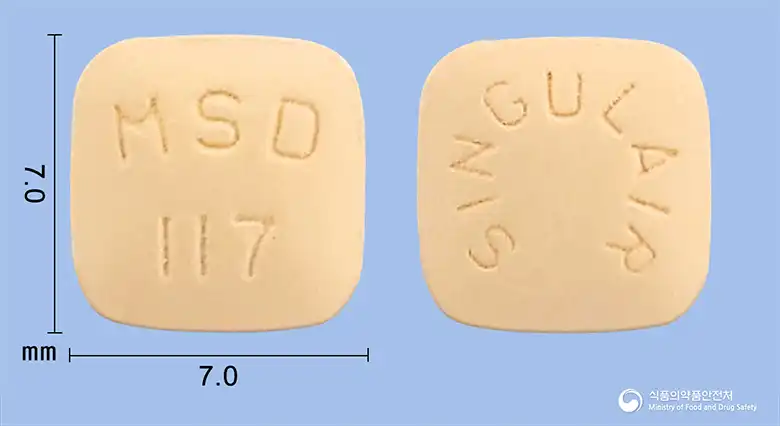
Montelukast Sodium 10.4mg
Tablet · Prescription medication
Korea Organon Co., Ltd.
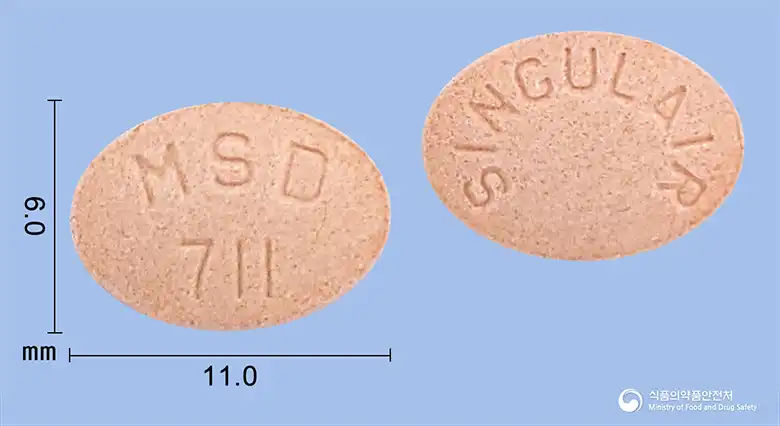
Montelukast Sodium 4.16mg
Chewable Tablet · Prescription medication
Korea Organon Co., Ltd.
Montelukast Sodium 4.16mg
Prescription medication
Korea Organon Co., Ltd.
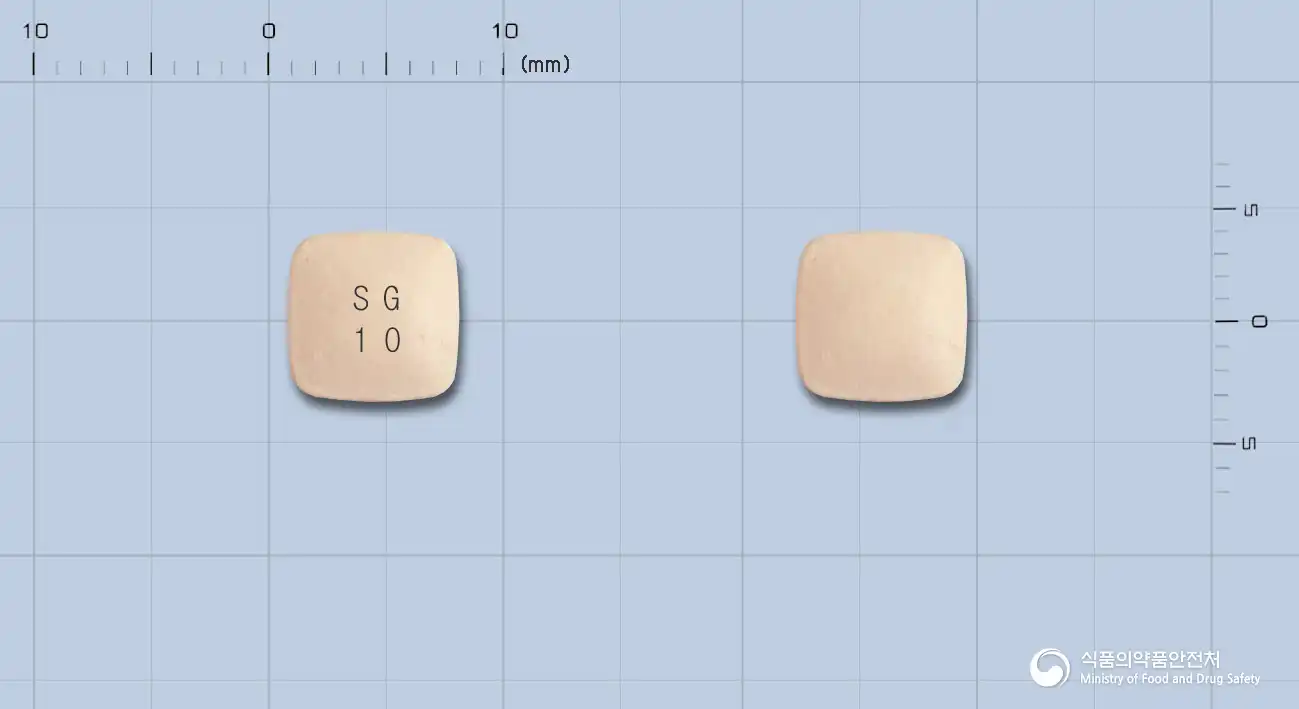
Montelukast Sodium 10.4mg
Tablet · Prescription medication
JW Pharmaceutical Co., Ltd.
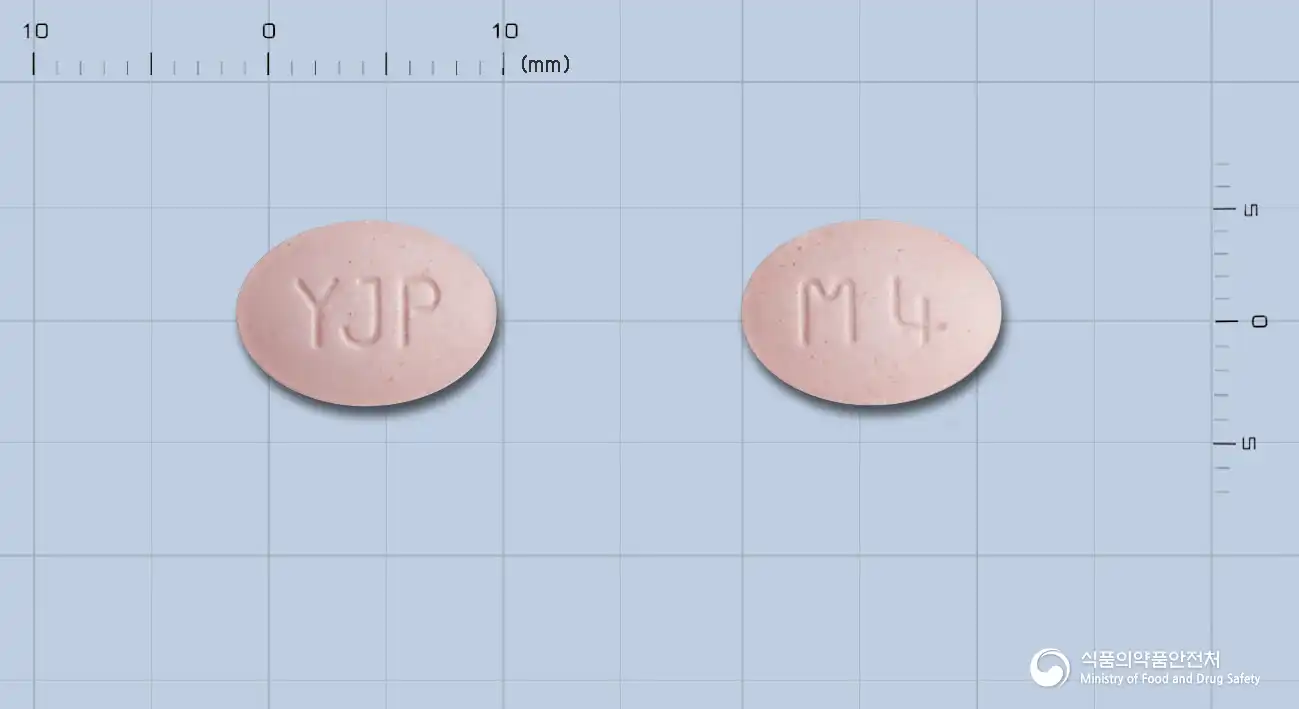
Montelukast Sodium 4.16mg
Chewable Tablet · Prescription medication
Youngjin Pharmaceutical Co., Ltd.
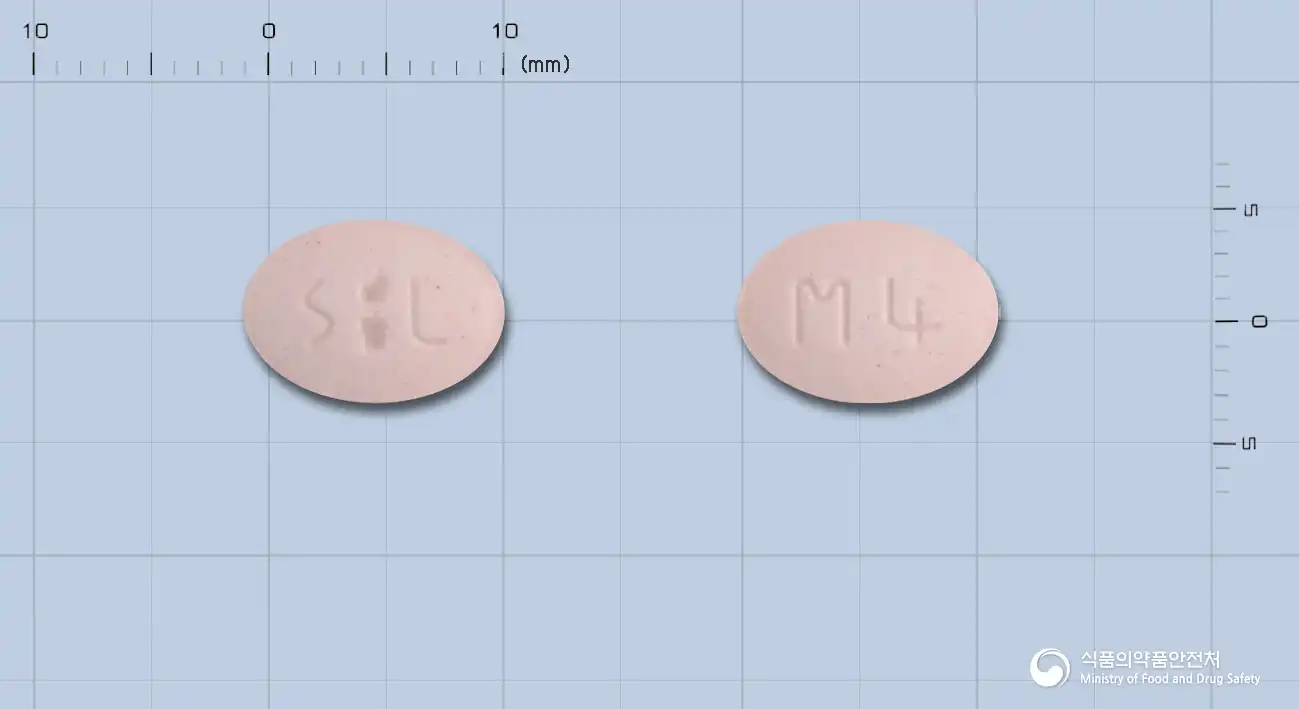
Montelukast Sodium 4.16mg
Chewable Tablet · Prescription medication
Samil Pharmaceutical Co., Ltd.
Even with the same ingredient, the dose and directions can differ by strength and dosage form. Talk to a doctor or pharmacist before switching from a medication you are already taking.
No questions yet.
For anything that needs medical judgment, consult a doctor or pharmacist.
This drug information is based on data provided by the Korea Ministry of Food and Drug Safety.
Consult a doctor or pharmacist for accurate dosage, administration, and usage instructions.