
 한국어
 English
 日本語
 中文(简体)
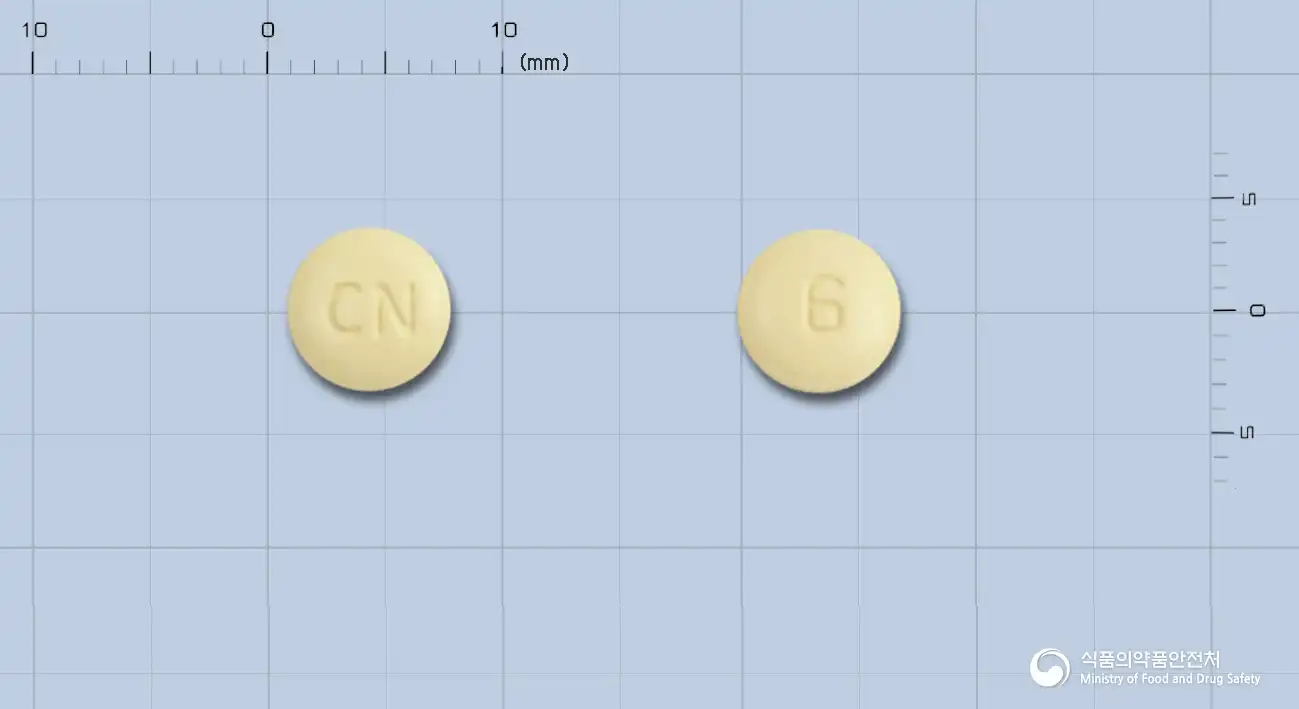 Viewing now
Codedipin 6 mg (Benidipine Hydrochloride)
Benidipine Hydrochloride 6mg
Tablet · Prescription medication
Youngjin Pharmaceutical Co., Ltd.
MFDS item code 200907783 · Approved 2009.10.29 · Insurance code 642402790
Treatment of hypertension and angina pectoris
This drug is used for hypertension and angina.
Hypertension: Administer 2 ~ 4 mg of benidipine hydrochloride orally once daily after breakfast. If the effect is insufficient, the dose may be increased to up to 8 mg once daily. For severe hypertension, administer 4 ~ 8 mg orally once daily after breakfast. Angina: Administer 4 mg of this medicine per dose orally 2 times daily after breakfast and dinner. Adjust the dose as appropriate according to symptoms.
This medication should not be used in patients with cardiogenic shock, pregnant women, or women who may become pregnant, and breastfeeding mothers. It is also not recommended for children due to lack of established safety. This drug should be administered carefully to patients with excessively low blood pressure, severe liver dysfunction, and the elderly. It is important to start at a low dose and monitor closely in elderly patients. While taking this medication, liver function abnormalities or jaundice may occur, so if symptoms arise, discontinuation of the drug and consultation with a doctor is necessary. Furthermore, it may also affect kidney function, so caution is advised. Regular blood tests are needed as abnormalities such as leukopenia or thrombocytopenia may appear. Irregular heartbeat, facial flushing, and heat sensations may occur, and blood pressure may drop too low, so symptoms should be monitored closely. Neurological side effects such as headache, dizziness, and drowsiness may occur, and digestive issues like constipation, nausea, and abdominal discomfort may also be present. If skin rashes or itching develop, notify a doctor immediately. When taken with other antihypertensive drugs, the blood pressure-lowering effect may be stronger, so caution is required. Particularly, when taken with digoxin, cimetidine, rifampicin, grapefruit juice, and itraconazole, interactions may cause side effects, thus consultation with healthcare professionals is necessary. This medication is preferably not administered to pregnant or breastfeeding women, and if used, breastfeeding should be avoided. Abruptly discontinuing this medication may worsen symptoms, so it's important to taper off gradually according to a doctor's advice. If symptoms such as excessively low blood pressure or fainting occur, inform healthcare professionals immediately. Caution is needed when engaging in activities that pose risks, such as driving or working at heights, as dizziness can increase accident risk. In case of overdose, blood pressure can drop excessively, requiring immediate hospital visits for proper treatment, and this medication is not removed by dialysis, so special management may be necessary. This medication should only be used according to a doctor's instructions, and you must not stop or change the dosage on your own.
Not everyone experiences these, and they can vary from person to person.
This medication should be stored in a sealed container to prevent air ingress, ideally at room temperature between 1°C and 30°C. Storing it this way helps maintain the medication's efficacy for a longer time.
This medication is a yellow, round film-coated tablet.
30 tablets/bottle. 300 tablets/bottle
Even with the same ingredient, strength, dosage form and how it is taken can differ.
Viewing nowBenidipine Hydrochloride 6mg
Tablet · Prescription medication
Youngjin Pharmaceutical Co., Ltd.
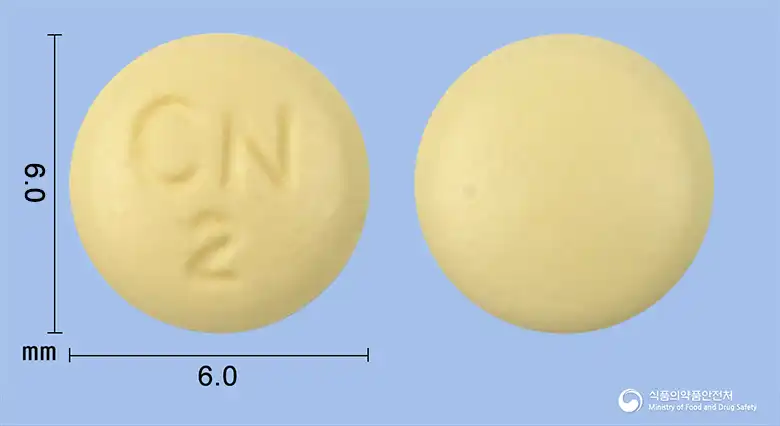
Benidipine Hydrochloride 2mg
Tablet · Prescription medication
Youngjin Pharmaceutical Co., Ltd.
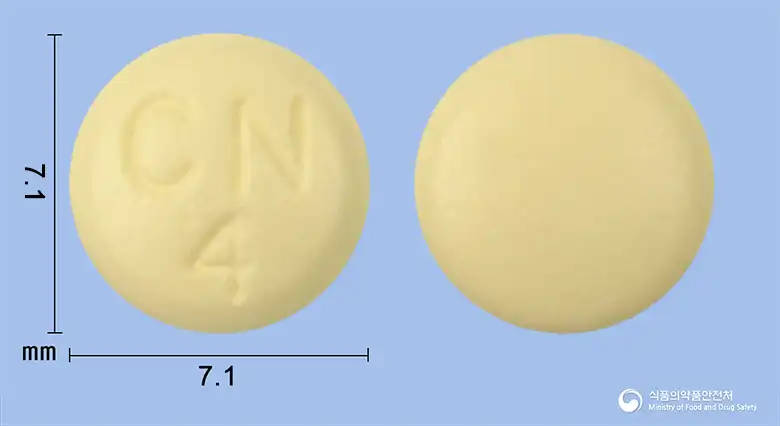
Benidipine Hydrochloride 4mg
Tablet · Prescription medication
Youngjin Pharm Co., Ltd.
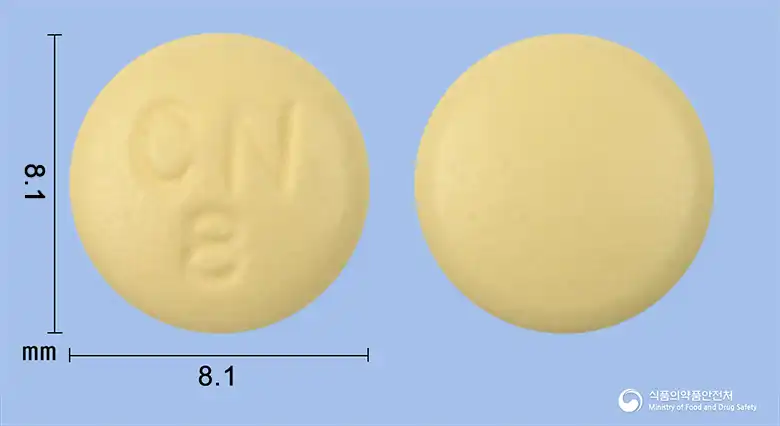
Benidipine Hydrochloride 8mg
Tablet · Prescription medication
Youngjin Pharmaceutical Co., Ltd.
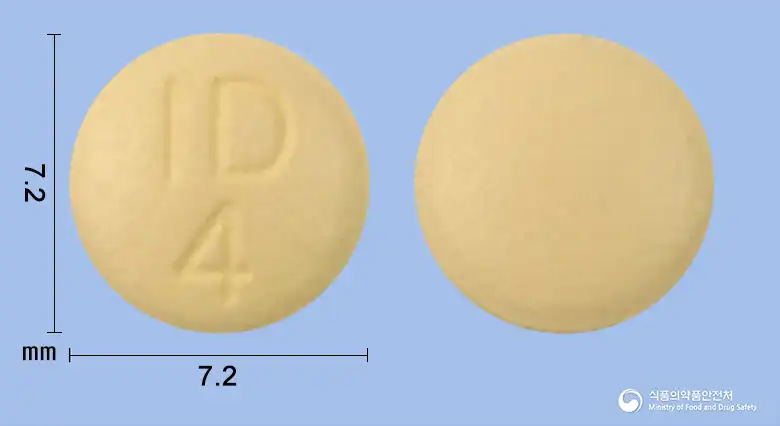
Benidipine Hydrochloride 4mg
Tablet · Prescription medication
Ildong Pharmaceutical Co., Ltd.
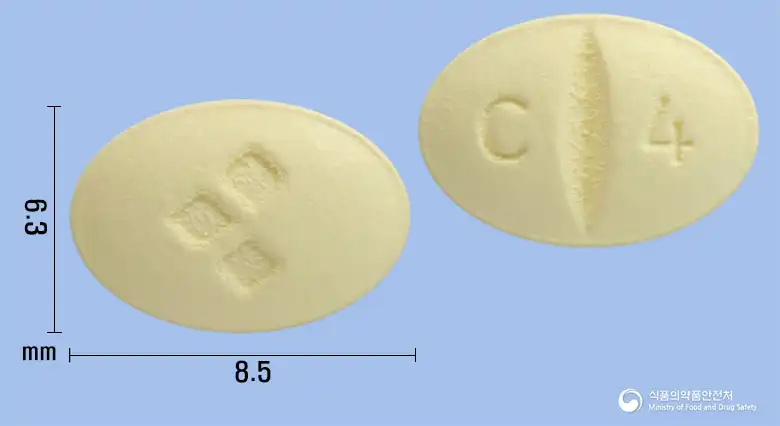
Benidipine Hydrochloride 4mg
Tablet · Prescription medication
Myungjin Pharmaceutical Co., Ltd.
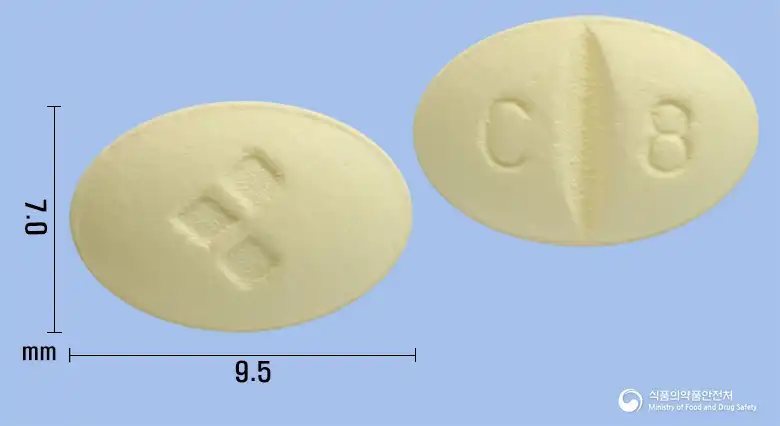
Benidipine Hydrochloride 8mg
Tablet · Prescription medication
Myungjin Pharmaceutical Co., Ltd.
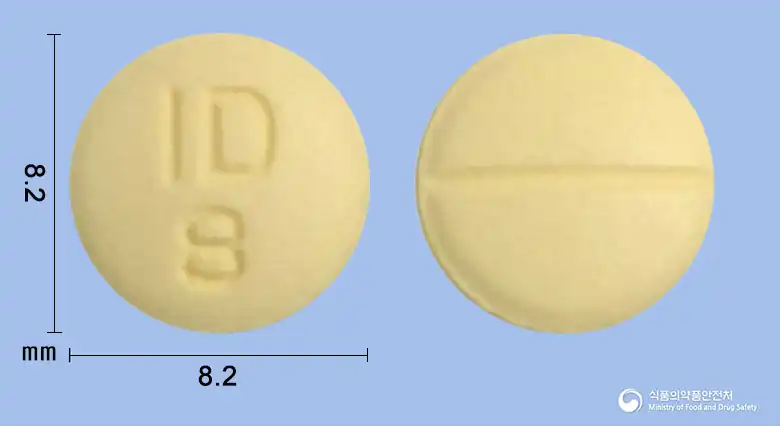
Benidipine Hydrochloride 8mg
Tablet · Prescription medication
Ildong Pharmaceutical Co., Ltd.
Even with the same ingredient, the dose and directions can differ by strength and dosage form. Talk to a doctor or pharmacist before switching from a medication you are already taking.
No questions yet.
For anything that needs medical judgment, consult a doctor or pharmacist.
This drug information is based on data provided by the Korea Ministry of Food and Drug Safety.
Consult a doctor or pharmacist for accurate dosage, administration, and usage instructions.