
 한국어
한국어 English
 日本語
日本語 中文(简体)
 Viewing now
Levocetrizine Tablet (Levocetirizine Hydrochloride)
Levocetirizine Hydrochloride 5mg
Tablet · Prescription medication
Youngjin Pharm. Co., Ltd.
MFDS item code 200906585 · Notified 2009.08.27 · Insurance code 642402730
Relief of symptoms such as allergic rhinitis and chronic urticaria
This medication is used to relieve symptoms of allergic diseases such as seasonal and perennial allergic rhinitis, chronic idiopathic urticaria, and pruritus associated with dermatitis and eczema. It particularly improves nasal obstruction and sneezing symptoms caused by allergic rhinitis, reduces rashes and swelling associated with chronic urticaria, and effectively helps relieve itching in dermatitis and eczema. It contributes to improving the quality of life of patients by managing various allergy-related symptoms comprehensively.
Adults and children 6 years and older: The recommended dose is 1 tablet (5mg of Levocetirizine Hydrochloride), taken orally once daily regardless of meals. The dose may be adjusted according to age and symptoms. For patients with renal impairment, the dose should be adjusted based on renal function (Estimated Glomerular Filtration Rate (eGFR)). - Normal renal function (eGFR ≥ 90): 1 tablet once daily - Mild renal impairment (eGFR 60 -< 90): 1 tablet once daily
This medication should not be used in patients who have had allergic reactions or hypersensitivity to specific ingredients. It should also not be administered to patients with severely impaired renal function or those on dialysis. It is safest for pregnant women or women who may become pregnant, as well as nursing mothers, to avoid taking this medication. The medication should not be used in infants under 1 year of age, and for children under 6 years, it is preferable to use liquid forms instead of tablets. This tablet contains lactose, so it should not be given to patients with genetic conditions that impair lactose digestion. Caution is advised for patients with reduced renal or liver function, and elderly patients as the drug concentration in the body may be increased. Taking this medication may result in side effects related to the nervous system, including drowsiness, fatigue, headache, and dizziness. It can also affect the digestive system, leading to symptoms such as dry mouth, nausea, abdominal pain, and diarrhea. Heart rate may increase or become irregular, and in rare cases, blood pressure may rise or palpitations may occur. Changes in blood tests such as decreased white blood cell count or altered platelet count may occur. Allergic reactions can lead to skin rashes, itching, swelling, and in severe cases, anaphylactic shock, so any unusual symptoms should be reported to medical personnel immediately. Eye-related side effects such as blurred vision or eye redness have also been reported. Liver and kidney function test values may temporarily rise. In children, fever, diarrhea, vomiting, and otitis media may commonly occur. Caution is required when engaging in activities that require concentration, such as driving or operating machinery after taking this medication. It is advisable to avoid taking it with alcohol or central nervous system depressants. For patients with urinary retention, careful attention should be paid, as this drug may exacerbate symptoms. Taking this medication with other antihistamines or alcohol can significantly increase drowsiness or reduce concentration. Taking it with food does not greatly affect the drug's efficacy, but it may slow absorption. Pregnant or nursing women are advised not to take this medication, as sufficient studies have yet to be conducted. For children under 12 years, dosage and use must be determined with care, and it should not be used in infants under 1 year. Elderly patients may experience prolonged drug presence in the body due to reduced renal function, so starting at a lower dose and observing the condition is recommended. It is advisable to discontinue using this medication before allergy skin testing, as it may affect the results. In case of overdosing, symptoms such as drowsiness or restlessness may occur. There is no specific antidote, so it is essential to receive treatment based on the symptoms. Dialysis is not effective in removing this medication.
Urticaria, severe swelling (edema), chest tightness, difficulty breathing, cold sweats, pallor, severe rash with high fever, blisters, peeling skin, pain in oral/ocular mucosa, difficulty breathing or shortness of breath, asthma attack, breathing difficulties with cough and fever, jaundice (yellowing of skin or eyes), extreme lethargy, sudden and very severe headache, lightning headache, seizures, altered consciousness, visual disturbances, paralysis, urinary symptoms
Not everyone experiences these, and they can vary from person to person.
This medication is sensitive to light, so it should be stored in a container that protects it from light. Additionally, it is important to store it in a cool room temperature, between 1 to 30 degrees Celsius, to maintain its effectiveness.
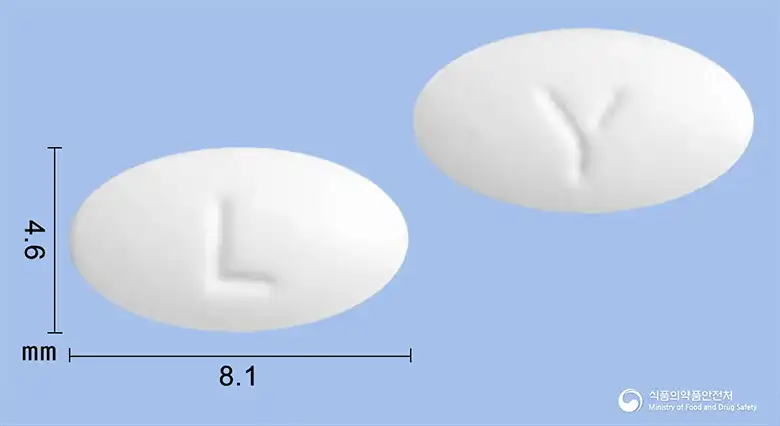
White or off-white oval film-coated tablets
Bottle - 30 tablets/bottle, Bottle - 100 tablets/bottle
Even with the same ingredient, strength, dosage form and how it is taken can differ.
Viewing nowLevocetirizine Hydrochloride 5mg
Tablet · Prescription medication
Youngjin Pharm. Co., Ltd.
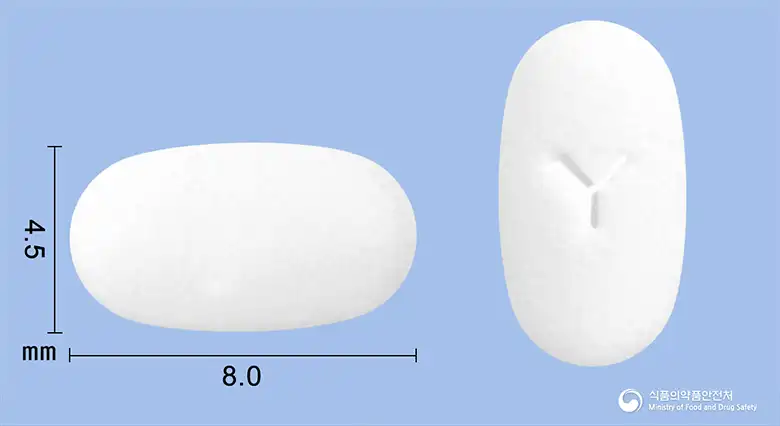
Levocetirizine Hydrochloride 5mg
Tablet · Prescription medication
HanKook UCB Pharma Co., Ltd.
Levocetirizine Hydrochloride 50mg
Solution · Prescription medication
Korea UCB Pharmaceutical Co., Ltd.
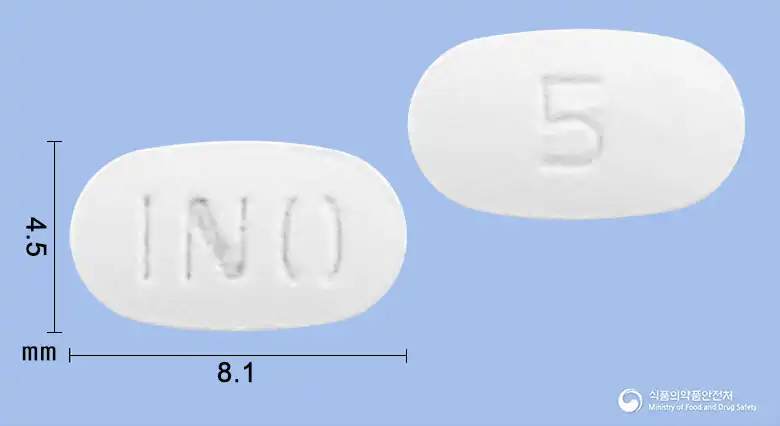
Levocetirizine Hydrochloride 5mg
Tablet · Prescription medication
HK inno.N Co., Ltd.
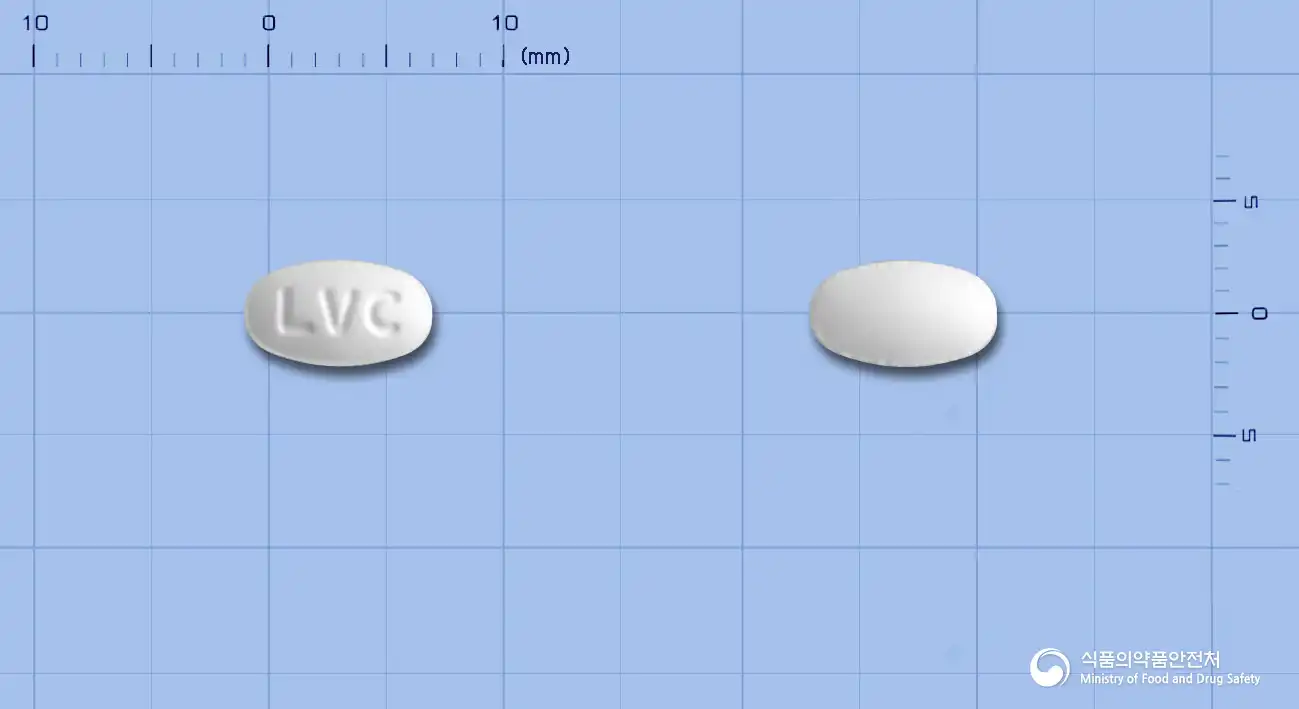
Levocetirizine Hydrochloride 5mg
Tablet · Prescription medication
Hanwha Pharmaceutical Co., Ltd.
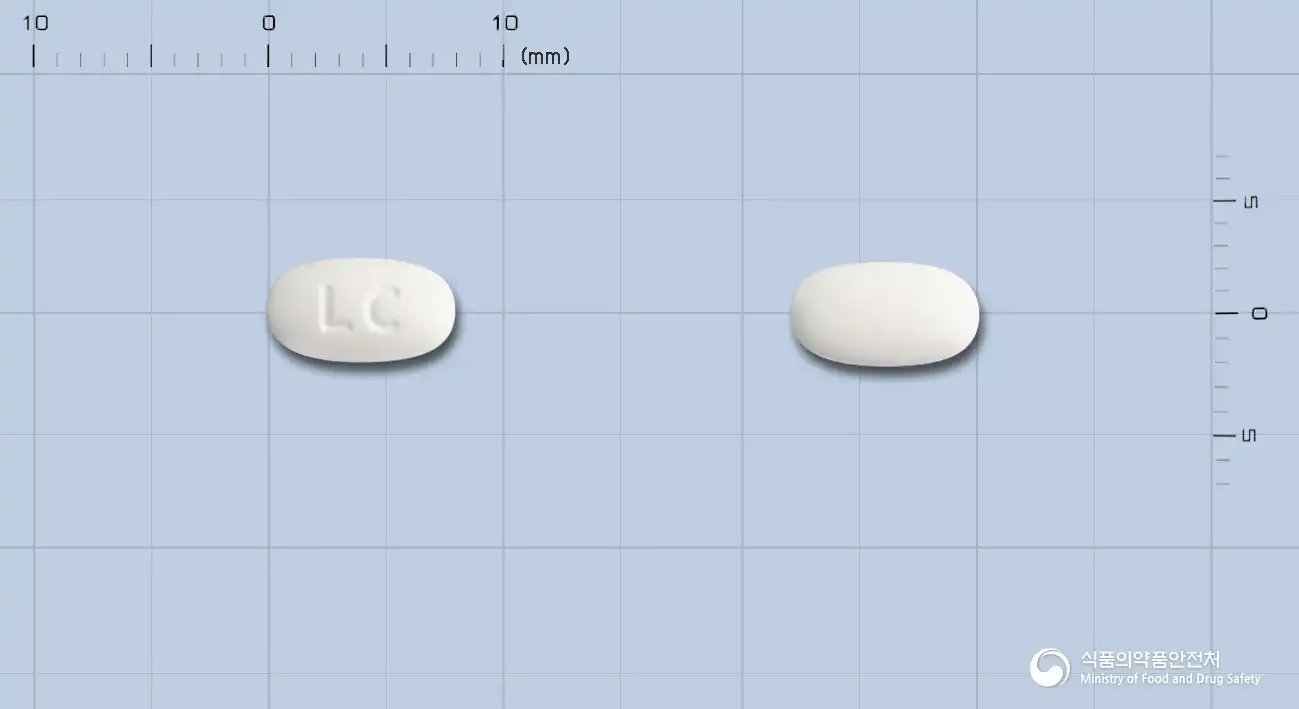
Levocetirizine Hydrochloride 5mg
Tablet · Prescription medication
Dongkwang Pharmaceutical Co., Ltd.
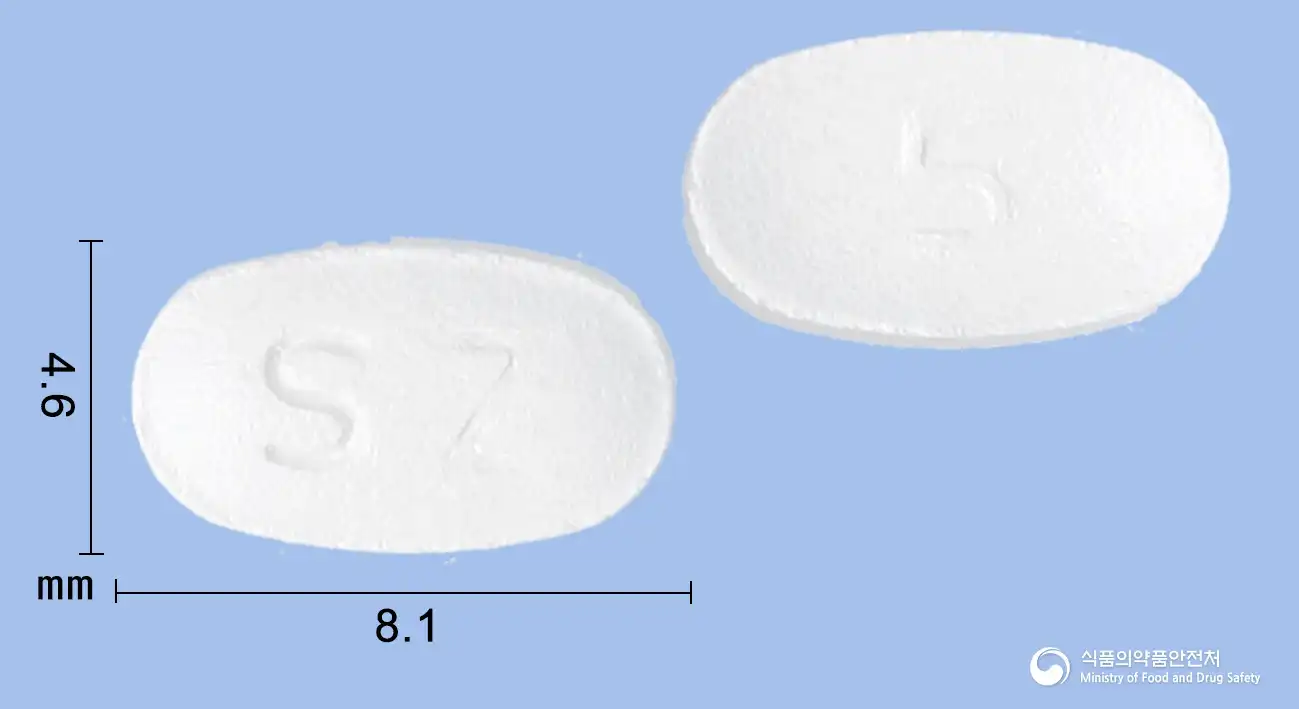
Levocetirizine Hydrochloride 5mg
Tablet · Prescription medication
Kyungdong Pharmaceutical Co., Ltd.
Levocetirizine Hydrochloride 5mg
Tablet · Prescription medication
Hanlim Pharmaceutical Co., Ltd.
Even with the same ingredient, the dose and directions can differ by strength and dosage form. Talk to a doctor or pharmacist before switching from a medication you are already taking.
No questions yet.
For anything that needs medical judgment, consult a doctor or pharmacist.
This drug information is based on data provided by the Korea Ministry of Food and Drug Safety.
Consult a doctor or pharmacist for accurate dosage, administration, and usage instructions.