
 한국어
 English
 日本語
 中文(简体)
 Viewing now
Priligy 30 mg (Dapoxetine Hydrochloride)
Dapoxetine Hydrochloride 33.6mg
Tablet · Prescription medication
Korea Menarini Co., Ltd.
MFDS item code 200905962 · Approved 2009.07.29
Treatment of premature ejaculation
Premature ejaculation is a condition where it is difficult to control ejaculation time, leading to discomfort in sexual life. This medication is taken only when necessary before sexual intercourse to delay ejaculation and help achieve a satisfactory sexual life. It is useful in cases where premature ejaculation is persistent or recurrent, causing personal and interpersonal difficulties. Therefore, this medication is used to improve the symptoms of premature ejaculation.
This medicine should be swallowed whole to avoid the bitter taste and taken with at least 1 cup of water. Patients should avoid driving or operating dangerous machinery if they experience syncope or prodromal symptoms of syncope, such as dizziness or lightheadedness.[see Precautions for Use, Section 4.3)] Adult men (18~64 years): Before starting treatment, the physician should obtain the patient's history of orthostatic events and perform an orthostatic test (blood pressure, pulse, lying down, and standing). If the patient has a history of orthostatic events or shows a similar response during the orthostatic test, use of this medicine should be avoided.[see Precautions for Use, Section 4.4)] The initial recommended dose of 30mg is administered orally approximately 1~3 hours before sexual activity. If the effect of 30mg is insufficient and it is well tolerated, the dose may be increased up to the maximum recommended dose of 60mg. The maximum dosing frequency is once in any 24-hour period. If the patient experiences an orthostatic event with the initial dose, the dose should not be increased to 60mg. This medicine may be taken with or without food. For treatment of premature ejaculation, the physician who prescribed this medicine should assess the balance between its risks and the benefits reported by the patient after the initial 4 weeks of treatment or 6 doses, and decide whether continued treatment with this medicine is appropriate. Elderly patients (65 years and older): The safety and efficacy of this medicine in elderly patients have not been established. Patients with renal impairment: No dose adjustment is necessary in patients with mild or moderate renal impairment, but administer with caution. Use in patients with severe renal impairment is not recommended. Patients with hepatic impairment: This medicine should not be administered to patients with moderate or severe hepatic impairment (Child-Pugh Class B and C). Patients who are poor CYP2D6 metabolizers or are receiving a potent CYP2D6 inhibitor: The dose is limited to 30mg in patients with a genotype associated with poor CYP2D6 metabolism or in patients receiving concomitant treatment with a potent CYP2D6 inhibitor; administer with caution.[see Precautions for Use, Section 5.5)②] Patients receiving a moderate or potent CYP3A4 inhibitor: Concomitant use with a potent CYP3A4 inhibitor is contraindicated. The dose is limited to 30mg in patients receiving concomitant treatment with a moderate CYP3A4 inhibitor; administer with caution.[see Precautions for Use, Section 5.5)③]
This medicine should not be administered to children and adolescents under 18 years of age.
This medication should not be used by patients with hypersensitivity to the active ingredient or any of the components. It is safest not to administer to patients with severely impaired cardiac function or those with specific heart diseases. Patients with moderate to severe liver impairment may also be at risk when taking this medication. This medication should not be administered to patients currently using monoamine oxidase (MAO) inhibitors or those who have recently discontinued them. It should not be taken with the drug thioridazine or within a certain period after discontinuing it. Caution is warranted when taken with other serotonergic agents or certain herbal medications as it may increase the risk of side effects. Patients on strong inhibitors of specific enzymes (CYP3A4) should not use this medication. Patients with a history or suspicion of orthostatic hypotension need to be cautious when taking this medication. Patients with a history of mania, hypomania, or bipolar disorder should not take this medication and must stop immediately if symptoms manifest. The safety of this medication has not been adequately established in patients with a history of major psychiatric illness, so it is not recommended. Patients with lactose intolerance or related genetic issues should not take this medication. This medication is restricted for use in women, children under 18, and elderly individuals over 65. Patients with renal impairment or specific genotypes require dosage adjustment, and patients with a history of seizures should be monitored closely. Side effects such as nausea, dizziness, headaches, insomnia, and fatigue may occur during treatment, and severe cases should consult a physician. Syncope or symptoms of orthostatic hypotension may arise; if symptoms occur, they should lie down and rest immediately and avoid driving or operating dangerous machinery. Taking this medication with alcohol may exacerbate drowsiness and dizziness, so alcohol consumption should be avoided. This medication has been developed solely for adult males with premature ejaculation and should not be used for other purposes. It should not be used in pregnant or breastfeeding women, nor should it be given to children. In cases of overdose, gastrointestinal disturbances or neurological symptoms may occur, and immediate medical attention is required. Store this medication out of reach of children and it is advisable not to transfer it to another container. Before taking this medication and during treatment, patients must inform their physician of their health condition and any other medications they are taking.
Syncope, orthostatic hypotension, headache, dizziness, nausea, diarrhea, insomnia, fatigue, anxiety, restlessness, agitation, decreased libido, abnormal dreams, depression, low mood, irritability, nightmares, sleep disorders, bruxism, euphoria, apathy, insensitivity, mood changes, early insomnia, middle insomnia, anhedonia, confusional state, hypervigilance, abnormal thoughts, disorientation, loss of libido, drowsiness, concentration difficulties, tremors, altered perception, altered taste, hypersomnia, hypersomnia, sedation, decreased level of consciousness, vasovagal syncope, positional dizziness, altered perception, dizziness during movement, sudden sleep, visual blurriness, pupil dilation, visual disturbances, eye pain, tinnitus, vertigo, bradycardia, tachycardia, flushing, facial flushing, hypotension, systolic hypertension, venous congestion, yawning, dry mouth, vomiting, constipation, abdominal pain, upper abdominal pain, dyspepsia, bloating, epigastric discomfort, abdominal distension, abdominal discomfort, epigastric discomfort, urgent bowel movement, hyperhidrosis, pruritus, cold sweat, erectile dysfunction, ejaculatory failure, sensory abnormalities of the male genitalia, male sexual dysfunction, hypersensitivity, weakness, sensation of heat, neurogenic sensitivity, abnormal sensation, intoxication, increased blood pressure, increased heart rate, elevated diastolic blood pressure, orthostatic blood pressure elevation
Not everyone experiences these, and they can vary from person to person.
This medication should be stored in a tightly sealed container to protect it from air or moisture. Additionally, it is best stored at room temperature between 1°C to 30°C. Take care not to place it in excessively hot or cold locations.
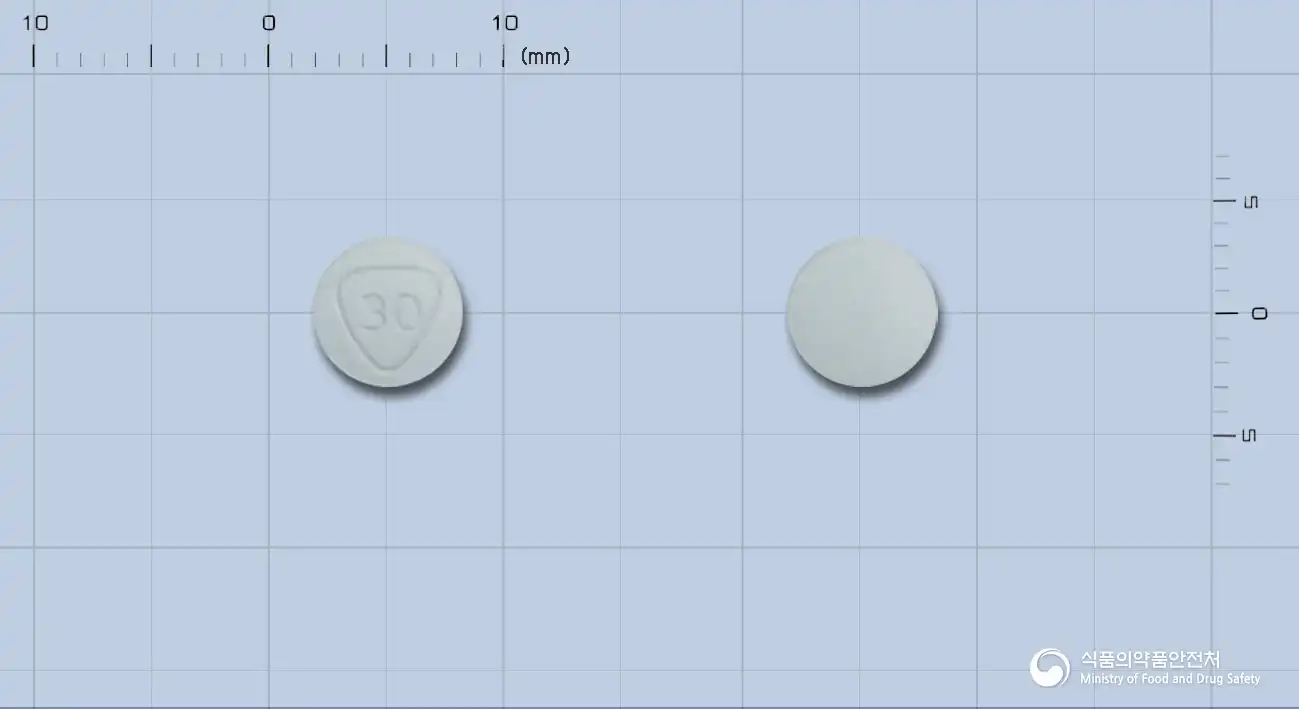
Gray round film-coated tablet
6 tablets/PETP
Even with the same ingredient, strength, dosage form and how it is taken can differ.
Viewing nowDapoxetine Hydrochloride 33.6mg
Tablet · Prescription medication
Korea Menarini Co., Ltd.
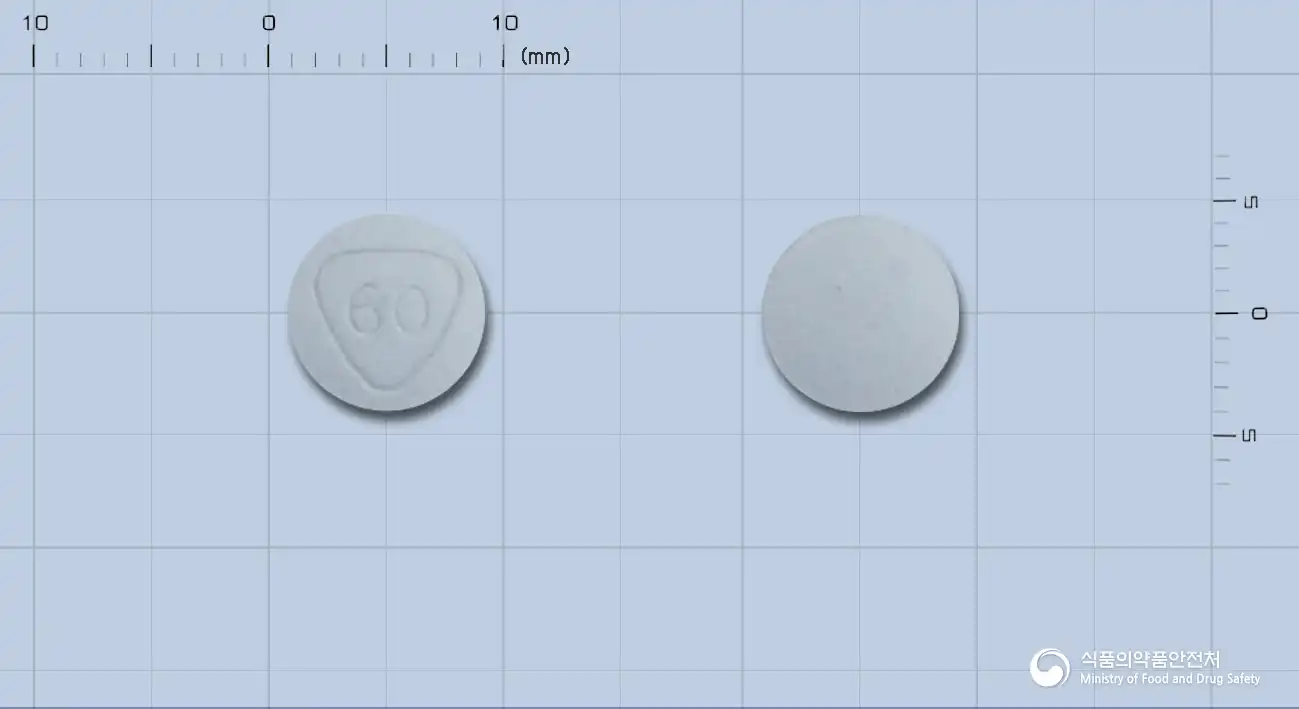
Dapoxetine Hydrochloride 67.2mg
Tablet · Prescription medication
Korea Menarini Co., Ltd.
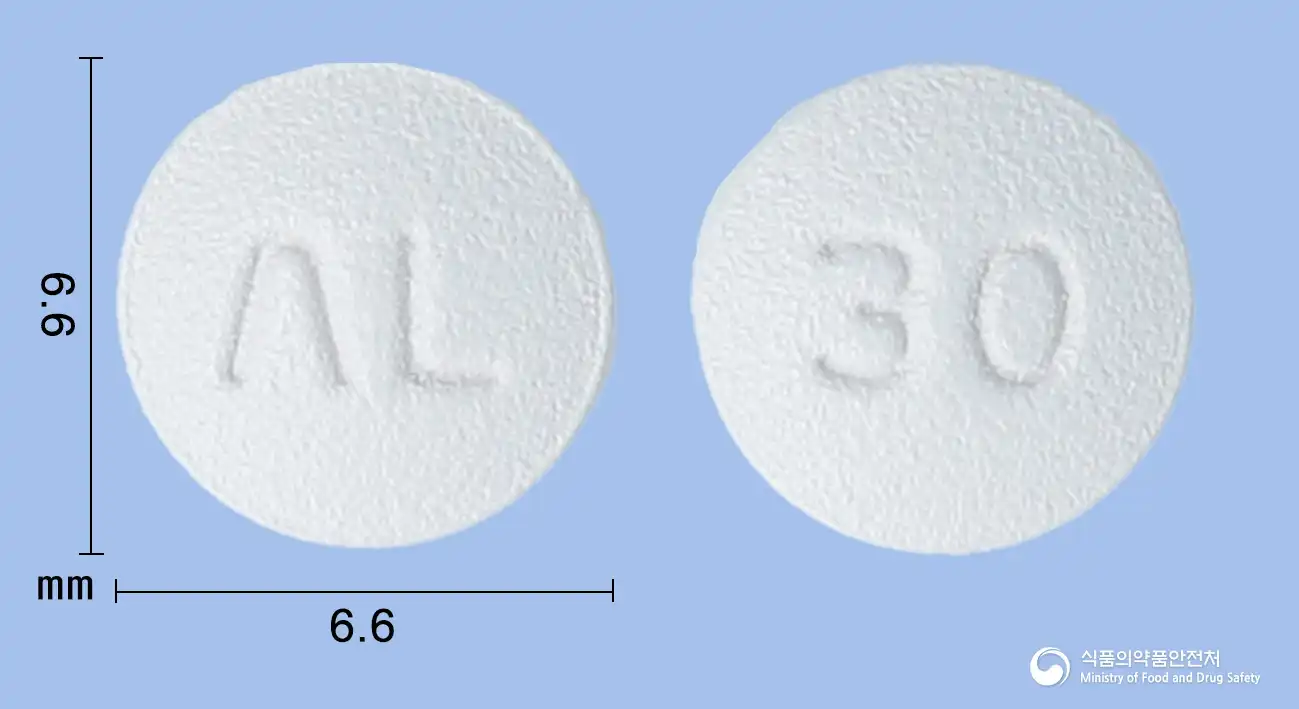
Dapoxetine Hydrochloride 33.6mg
Tablet · Prescription medication
Aliko Pharmaceutical Co., Ltd.
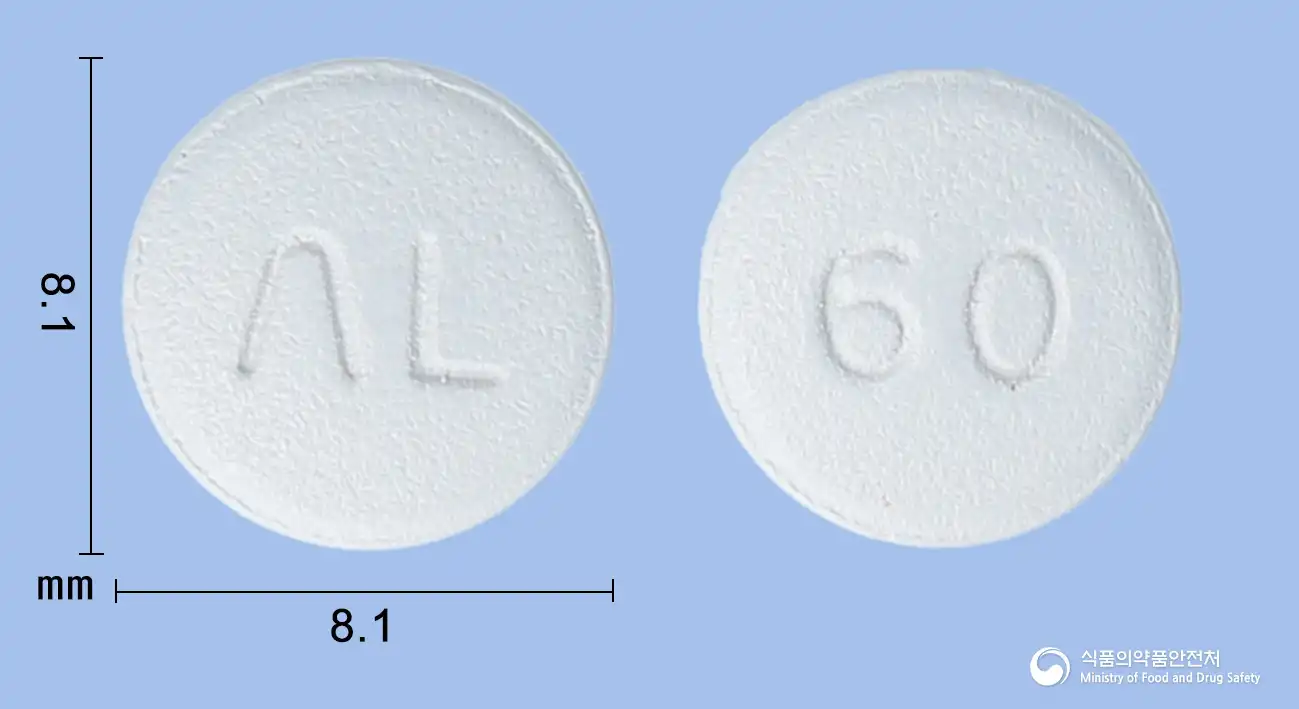
Dapoxetine Hydrochloride 67.2mg
Tablet · Prescription medication
Allico Pharmaceutical Co., Ltd.
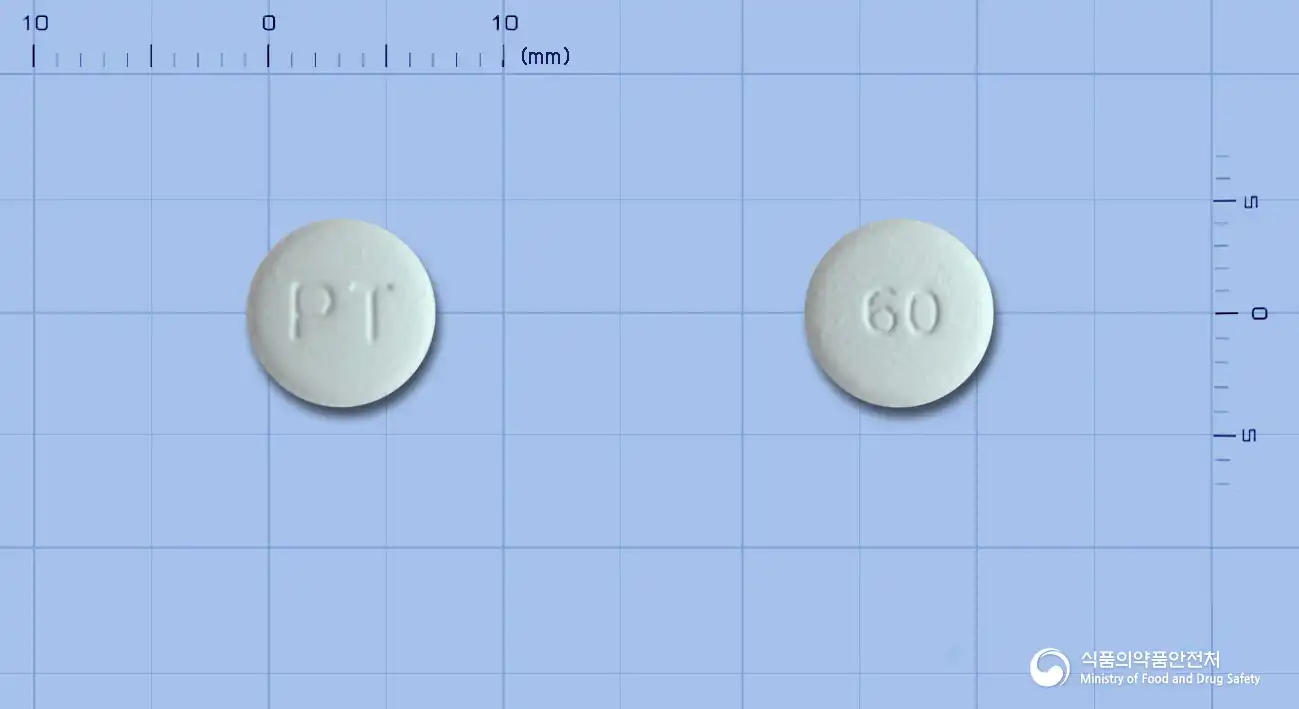
Dapoxetine Hydrochloride 67.2mg
Tablet · Prescription medication
Genewon Science Co., Ltd.
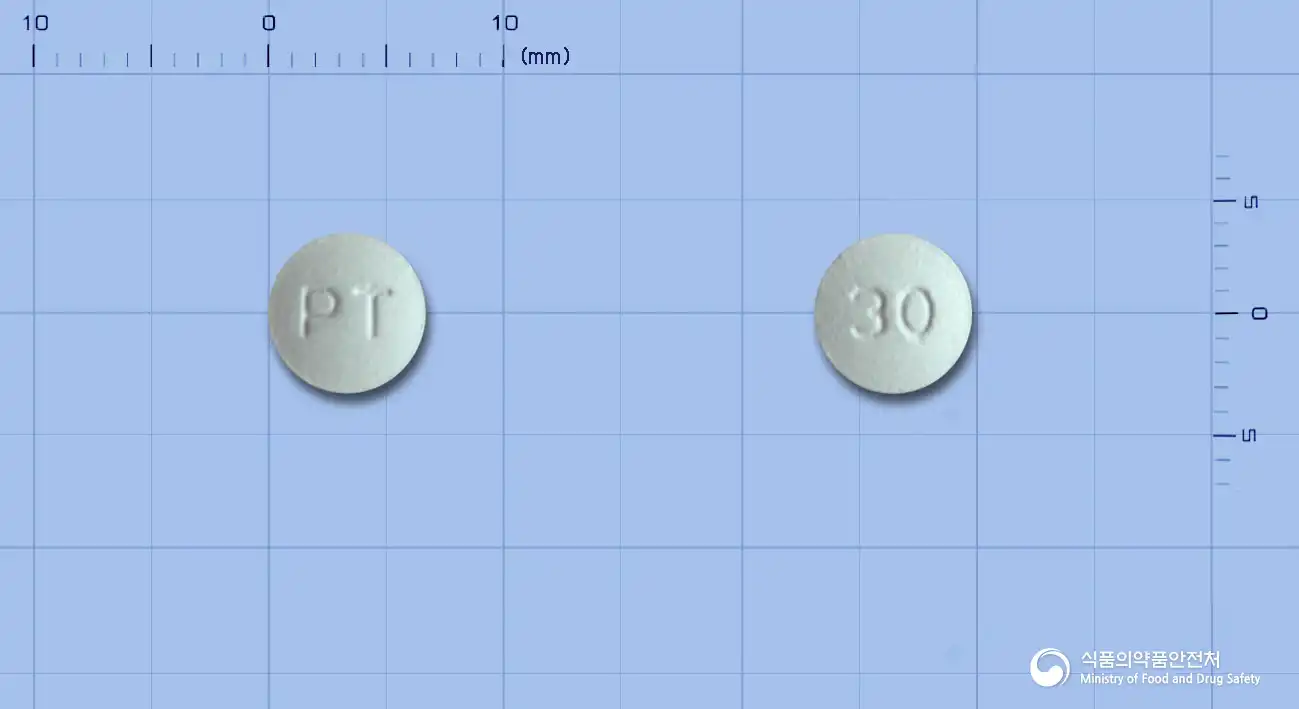
Dapoxetine Hydrochloride 33.6mg
Tablet · Prescription medication
Genewon Science Co., Ltd.
Even with the same ingredient, the dose and directions can differ by strength and dosage form. Talk to a doctor or pharmacist before switching from a medication you are already taking.
No questions yet.
For anything that needs medical judgment, consult a doctor or pharmacist.
This drug information is based on data provided by the Korea Ministry of Food and Drug Safety.
Consult a doctor or pharmacist for accurate dosage, administration, and usage instructions.