
 한국어
 English
 日本語
 中文(简体)
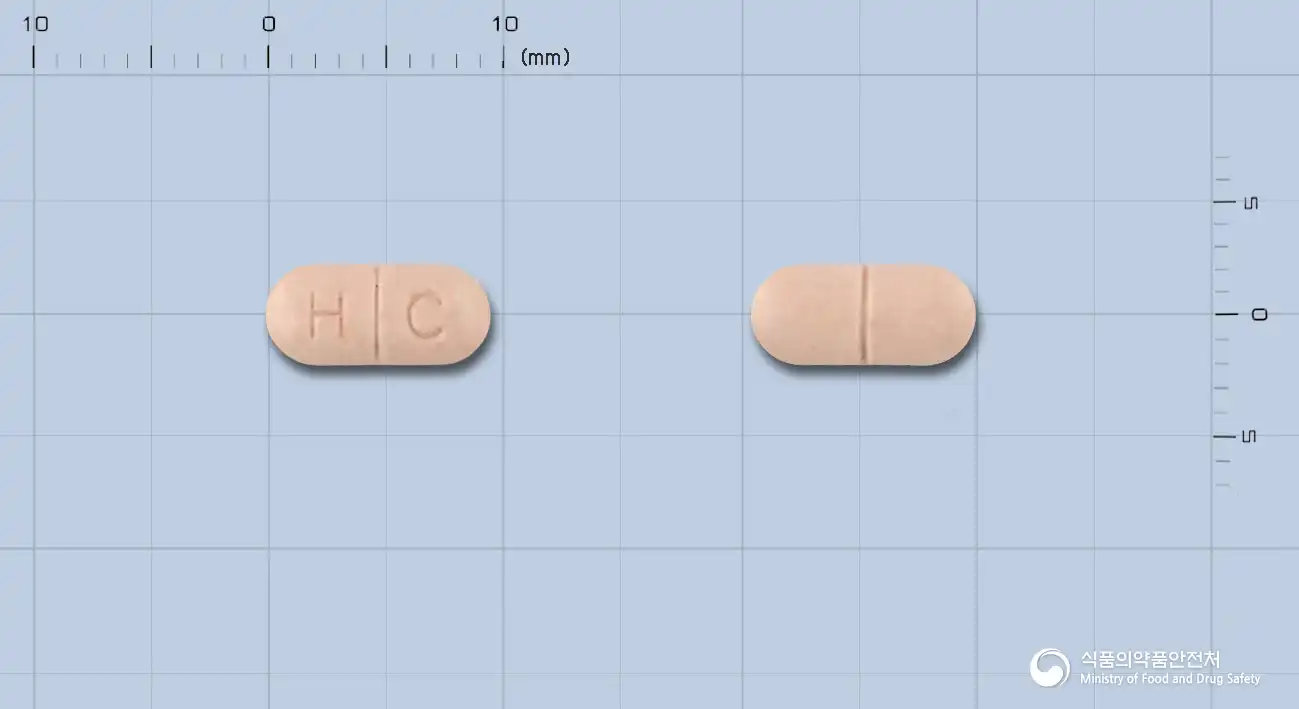 Viewing nowCombination
Bialcandaplus Tablet
Candesartan Cilexetil 16mg · Hydrochlorothiazide 12.5mg
Tablet · Prescription medication · Combination
Boryung (Co., Ltd.)
MFDS item code 200903842 · Notified 2009.05.29
Treatment of essential hypertension not controlled with single-ingredient therapy
This medication is used for patients with essential hypertension whose individual component therapy is insufficient. Proper blood pressure control is necessary to reduce the risk of cardiovascular complications, and this drug helps to lower blood pressure effectively through the combined action of various ingredients. Therefore, this medicine is used when blood pressure management is difficult to stabilize.
The recommended dose of this medicine is 1 tablet once daily, taken with or without food. 1) Adults: The dose of candesartan cilexetil should first be adjusted before switching to this medicine. When clinically appropriate, a direct switch from monotherapy to this medicine may be considered. The antihypertensive effect is generally achieved within 4 weeks of starting treatment. 2) Elderly patients: No dose adjustment of this medicine is necessary in elderly patients. 3) Patients with intravascular volume depletion: In patients at risk of hypotension, such as those who may have reduced effective blood volume, adjustment of the candesartan cilexetil dose is recommended (the initial dose of candesartan cilexetil in these patients is 4 milligrams). 4) Patients with renal impairment: In patients with mild to moderate renal impairment and a creatinine clearance of 30-80ml/min/1.73㎡ BSA, consider adjusting the candesartan cilexetil dose before switching to this medicine (the initial dose of candesartan cilexetil in these patients is 4 milligrams). Do not administer to patients with severe renal impairment (creatinine clearance less than 30ml/mim/1.73㎡ BSA). 5) Patients with hepatic impairment: It is recommended that the candesartan cilexetil dose be adjusted before administering this medicine to patients with mild to moderate hepatic impairment (the initial dose of candesartan cilexetil in these patients is 2 milligrams). Do not administer to patients with severe hepatic impairment or cholestasis.
This drug may cause serious harm to the fetus and newborn during pregnancy, especially in the second and third trimesters, so it should be discontinued immediately upon confirmation of pregnancy. It is safe not to take this medication if you are allergic to any of the ingredients or sulfonamide drugs, are pregnant or planning to become pregnant, or are nursing. Patients with severe renal dysfunction or serious liver impairment, those with hereditary angioedema or a history of angioedema due to related medications should not use this drug. Patients with gout, hyponatremia, hypokalemia, hypercalcemia, or Addison's disease should also use this medication with caution, and specific renal disease or diabetic patients should pay attention to drug interactions with concomitant medications. Patients with fluid or electrolyte imbalances, liver disease, severe heart valve disease, elderly patients, etc., should use this drug carefully due to a higher risk of side effects such as blood pressure drop or kidney function deterioration. Since the hydrochlorothiazide component may increase the risk of skin cancer, it is advisable to avoid sun exposure and consult a doctor immediately if any skin abnormalities occur. During the administration of this drug, symptoms such as headache, dizziness, fatigue, indigestion, or signs of infection may occur, and regular testing is required as blood tests may reveal electrolyte imbalances or changes in kidney function. When used with other medications that may enhance the hypotensive effect or increase side effect risks, it is essential to consult healthcare professionals, especially regarding potassium-sparing diuretics, potassium supplements, NSAIDs, and lithium. Medication should be avoided during pregnancy or breastfeeding, and safety has not been established for children or adolescents under 18 years. In case of overdose, symptoms like hypotension, dizziness, electrolyte imbalance may occur, so immediate contact with a medical institution for appropriate treatment is necessary. This medication should be stored out of reach of children and kept in its original container to maintain its quality. Caution should be exercised when driving or operating machinery as dizziness or fatigue may occur.
Not everyone experiences these, and they can vary from person to person.
This medication should be stored in a tightly sealed container to protect it from air or moisture and kept in a cool place below 30 degrees Celsius. Proper storage can maintain the effectiveness of the drug and prevent deterioration.
Biconvex light pink oblong tablet
30 tablets/bottle, 100 tablets/bottle
Even with the same ingredient, strength, dosage form and how it is taken can differ.
Viewing nowCombinationCandesartan Cilexetil 16mg · Hydrochlorothiazide 12.5mg
Tablet · Prescription medication · Combination
Boryung (Co., Ltd.)
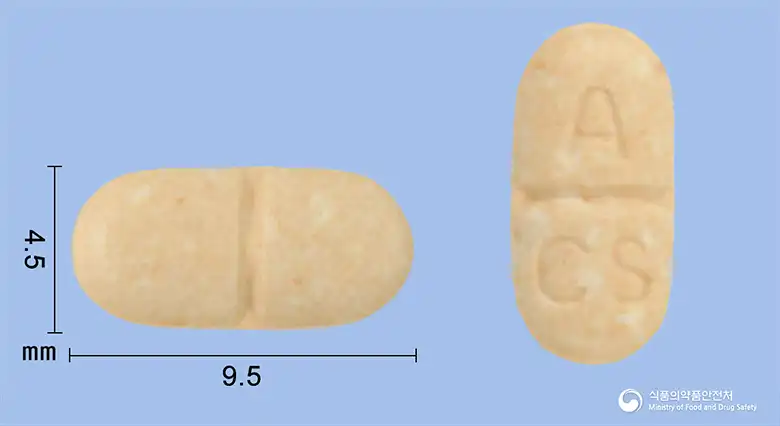 Combination
Candesartan Cilexetil 16mg · Hydrochlorothiazide 12.5mg
Tablet · Prescription medication · Combination
DKSH Korea Co., Ltd.
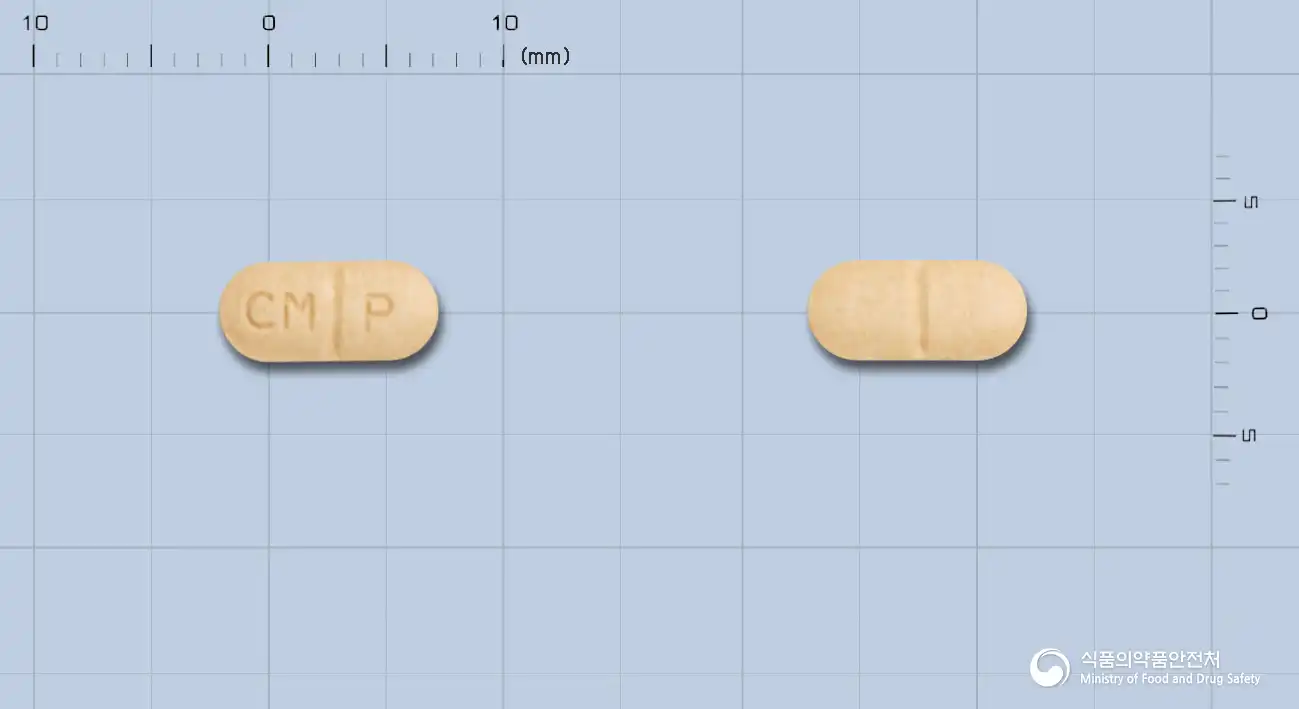 Combination
Candesartan Cilexetil 16mg · Hydrochlorothiazide 12.5mg
Tablet · Prescription medication · Combination
Jongkun Dang Co., Ltd.
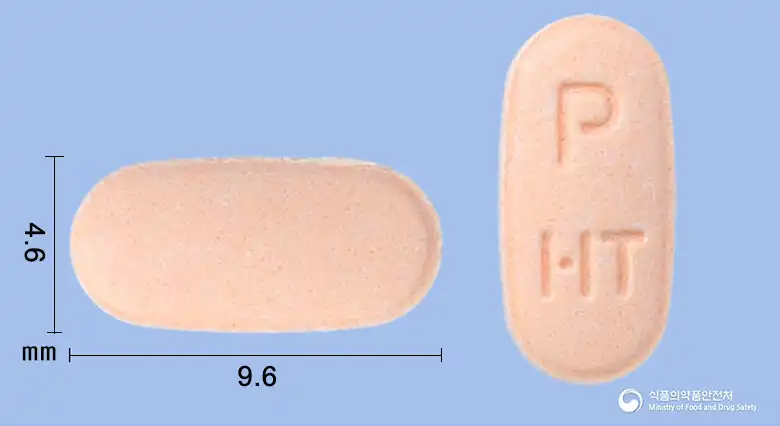 Combination
Candesartan Cilexetil 16mg · Hydrochlorothiazide 12.5mg
Tablet · Prescription medication · Combination
Hankook Hutex Pharmaceutical Co., Ltd.
Candesartan Cilexetil 16mg · Hydrochlorothiazide 12.5mg
Tablet · Prescription medication · Combination
Hanwha Pharmaceutical Co., Ltd.
 Combination
Candesartan Cilexetil 16mg · Hydrochlorothiazide 12.5mg
Tablet · Prescription medication · Combination
MyungMoon Pharmaceutical Co., Ltd.
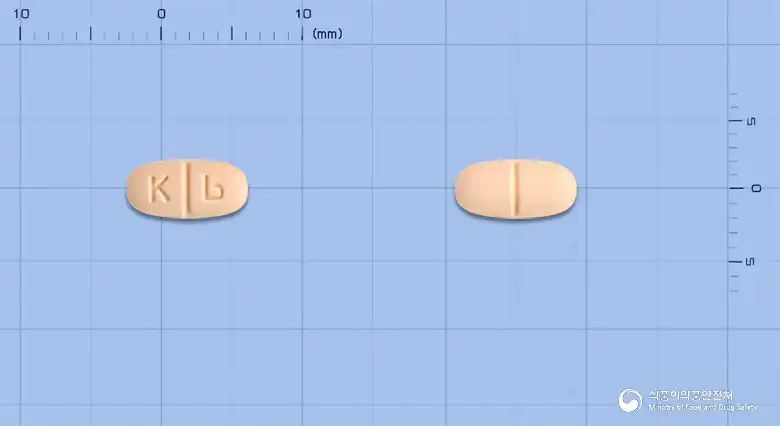 Combination
Candesartan Cilexetil 16mg · Hydrochlorothiazide 12.5mg
Tablet · Prescription medication · Combination
Kyungbo Pharmaceutical Co., Ltd.
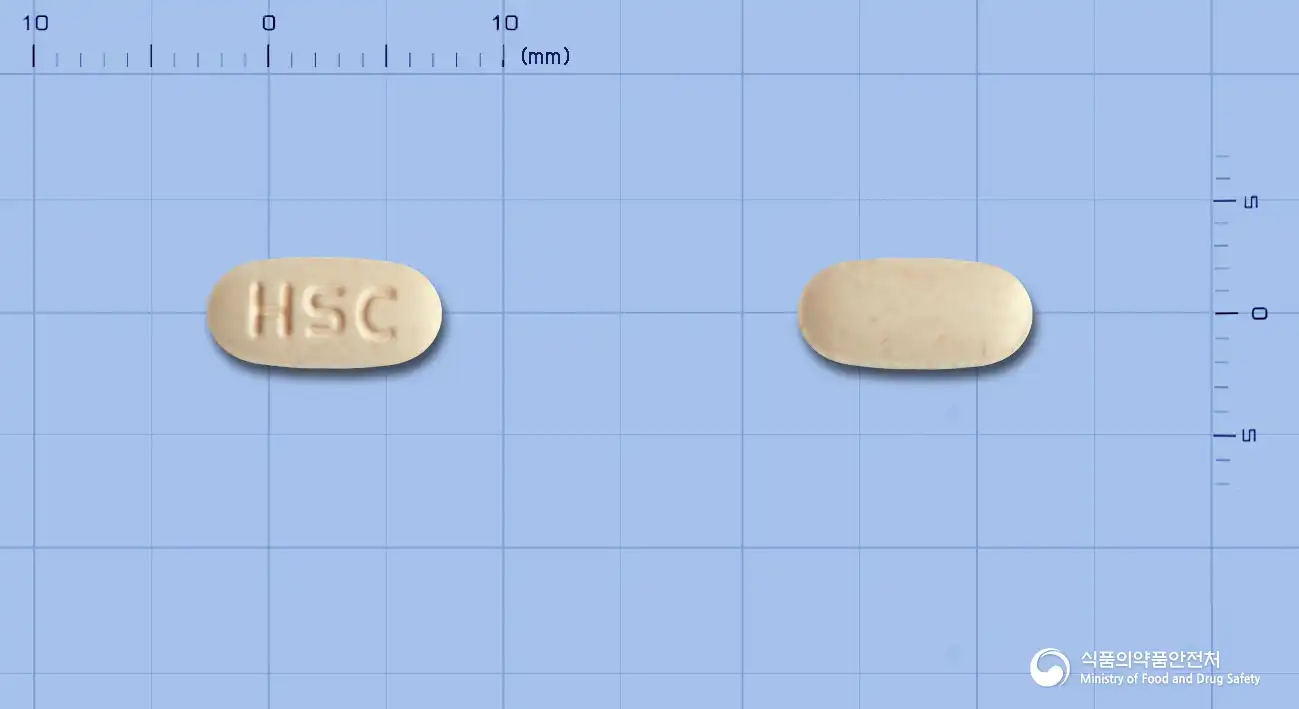 Combination
Candesartan Cilexetil 16mg · Hydrochlorothiazide 12.5mg
Tablet · Prescription medication · Combination
Huons Co., Ltd.
Even with the same ingredient, the dose and directions can differ by strength and dosage form. Talk to a doctor or pharmacist before switching from a medication you are already taking.
No questions yet.
For anything that needs medical judgment, consult a doctor or pharmacist.
This drug information is based on data provided by the Korea Ministry of Food and Drug Safety.
Consult a doctor or pharmacist for accurate dosage, administration, and usage instructions.