
 한국어
 English
 日本語
 中文(简体)
Dosage form image
Viewing nowOxycodone Injection 10mg/mL (Oxycodone Hydrochloride)
Oxycodone Hydrochloride 10mg
Solution · Prescription medication
Korea Mundipharma Co., Ltd.
MFDS item code 200902334 · Approved 2009.03.31 · Insurance code 678000171,678000201
Relief of moderate to severe pain requiring opioid analgesics
This medication is used to effectively control various types of pain ranging from moderate to severe. Particularly, narcotic analgesics work on the nervous system to block pain signals, helping to alleviate patients' pain. It is very useful for managing severe pain, such as post-operative pain or cancer-related pain. It is important to take it under the direction of a physician for safe use. This helps to improve the quality of life of patients and reduce discomfort caused by pain. Therefore, it is effectively used for the control of moderate to severe pain.
The dose should be determined and adjusted based on each patient's degree of pain, condition, prior or concomitant medications, body weight, and sex (women show higher plasma concentrations). The treatment regimen should be reviewed regularly and adjusted based on the patient's pain and reports of adverse reactions, as well as the clinician's judgment. In general, the lowest dose that provides effective pain relief should be selected. If a higher dose is needed, the current dose may be increased by 25~ 50% whenever possible. The appropriate dose is the dose that controls pain without causing adverse effects or with adverse effects that are tolerable. Adults 18 years of age and older: Dilute this medicine in 0.9% normal saline, 5% dextrose injection, or water for injection to a concentration of 1mg/ml of oxycodone hydrochloride. Stabilize pain by intravenous injection (bolus injection) of 2mg of oxycodone hydrochloride. As needed, administer 1mg of oxycodone hydrochloride intravenously using patient-controlled analgesia (PCA) or a similar method. When administered by PCA, a lock-out time of at least 5 minutes must be set. If the patient does not achieve adequate analgesia, non-opioid analgesics may be used as adjunctive therapy. Switching between oral and parenteral oxycodone: Use the following conversion ratio: 2mg of oral oxycodone is equivalent to 1mg of parenteral oxycodone. This ratio should be regarded as a guide to the required dose. The appropriate dose must be carefully titrated to account for interpatient variability. Switching from morphine: Parenteral administration: For patients switching from parenteral morphine to parenteral oxycodone, use a 1:1 dose ratio. This ratio should be regarded as a guide to the required dose. The appropriate dose must be carefully titrated to account for interpatient variability. It is recommended that the initial dose be lower than the equivalent dose. Patients with renal or hepatic impairment: Use with caution in patients with renal or hepatic impairment, as plasma concentrations of this medicine may increase. The recommended initial dose in adults should be reduced by up to 50%. Titrate carefully according to the individual patient's clinical circumstances to achieve adequate pain control.
This medication is used as an opioid to relieve pain, but there is a risk of slowed breathing in case of overdose, so the patient's condition should be monitored frequently. This medication should be used with caution if taken with sedatives or alcohol, as it may cause severe drowsiness, respiratory depression, coma, or even death. It should not be used in patients with allergies to this drug or its ingredients, severe respiratory issues, asthma, chronic lung diseases, intestinal obstructions, or very poor liver or kidney function. Patients with compromised respiratory function, head injuries, low blood pressure, acute alcohol intoxication, decreased liver or kidney function, convulsions, etc., should use this medication very cautiously. Long-term use of this medication may cause tolerance, requiring progressively larger amounts, and sudden discontinuation may result in withdrawal symptoms, so it is important to gradually reduce the dose under the doctor's guidance. This medication can cause various side effects such as constipation, nausea, vomiting, drowsiness, dizziness, headache, anxiety, respiratory distress, etc., so immediate medical consultation is necessary if any abnormal symptoms occur. During the use of this medication, it is important to avoid driving or operating dangerous machinery, and to take appropriate measures to prevent constipation. Pregnant or breastfeeding women should not use this medication, especially during childbirth, as there is a risk of the newborn becoming dependent on the drug or experiencing withdrawal symptoms. This medication should not be used in children or adolescents under 18 years of age as its safety and effectiveness have not been established. Elderly patients should have their doses adjusted carefully, administering the minimum effective dose, and should especially be monitored for side effects. This medication can interact with other drugs, so consultation with a physician is necessary, especially if taking central nervous system depressants, antidepressants, antibiotics, sedatives, or alcohol. In case of overdose, symptoms like respiratory depression, low blood pressure, coma, etc., may occur, so immediate medical assistance should be sought, and an antidote may be needed. This medication should be used immediately after opening, and any remaining amount should be discarded while being handled carefully to maintain sterility. This medication has the potential for abuse and dependence, so it should be taken precisely as directed by healthcare professionals, and regular assessments should be performed to avoid medication addiction or misuse.
Not everyone experiences these, and they can vary from person to person.
This medication should be stored in a sealed container to prevent air from entering, maintaining a temperature between 1 and 30 degrees Celsius to preserve its effectiveness over time.
A colorless, transparent sterile solution contained in an ampoule.
1mL x 5 ampoules, 2mL x 5 ampoules
Even with the same ingredient, strength, dosage form and how it is taken can differ.
Oxycodone Hydrochloride 10mg
Solution · Prescription medication
Korea Mundipharma Co., Ltd.
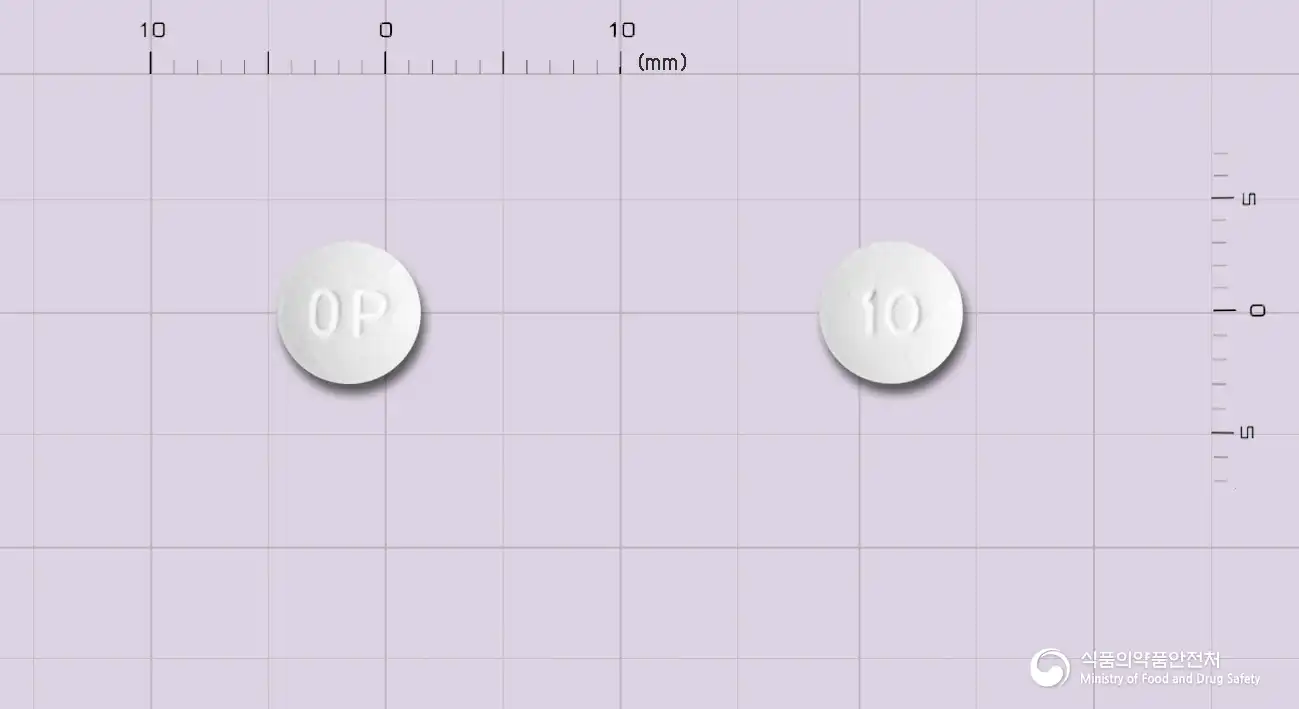
Oxycodone Hydrochloride 10mg
Tablet · Prescription medication
Hanmi Mundipharma Co., Ltd.
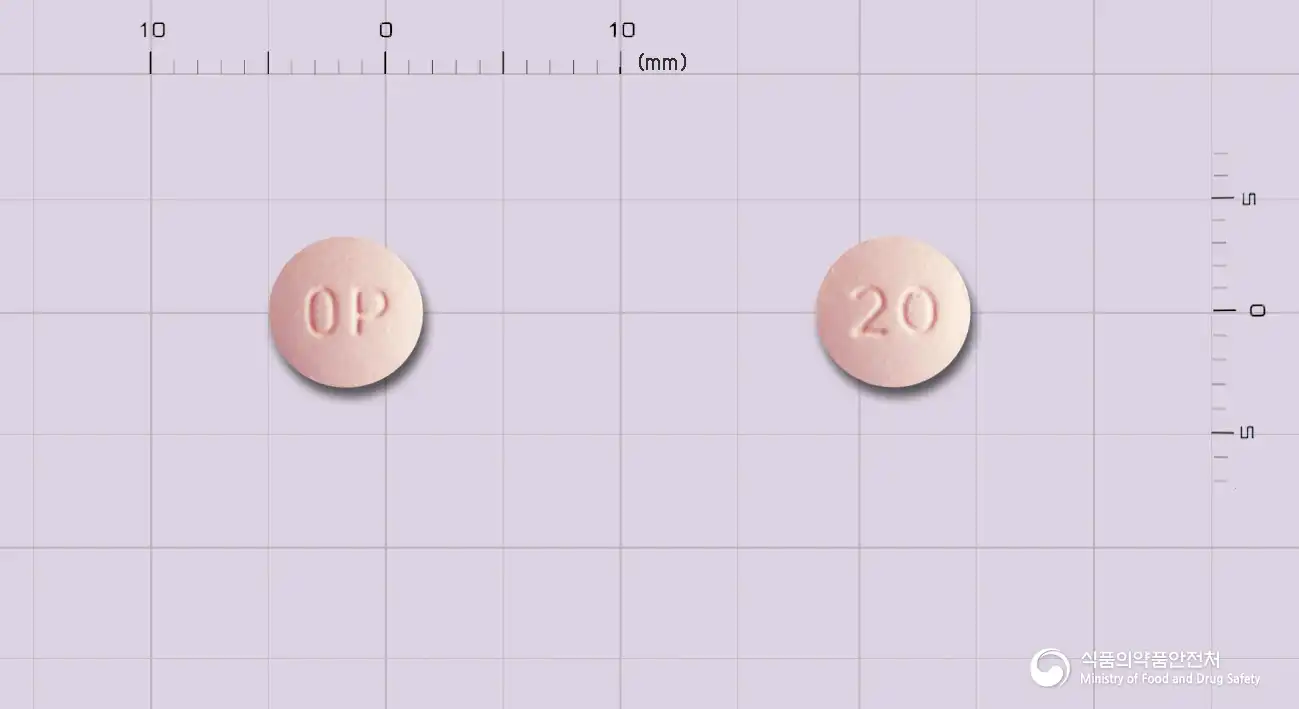
Oxycodone Hydrochloride 20mg
Tablet · Prescription medication
Korea Mundi Pharma Co., Ltd.
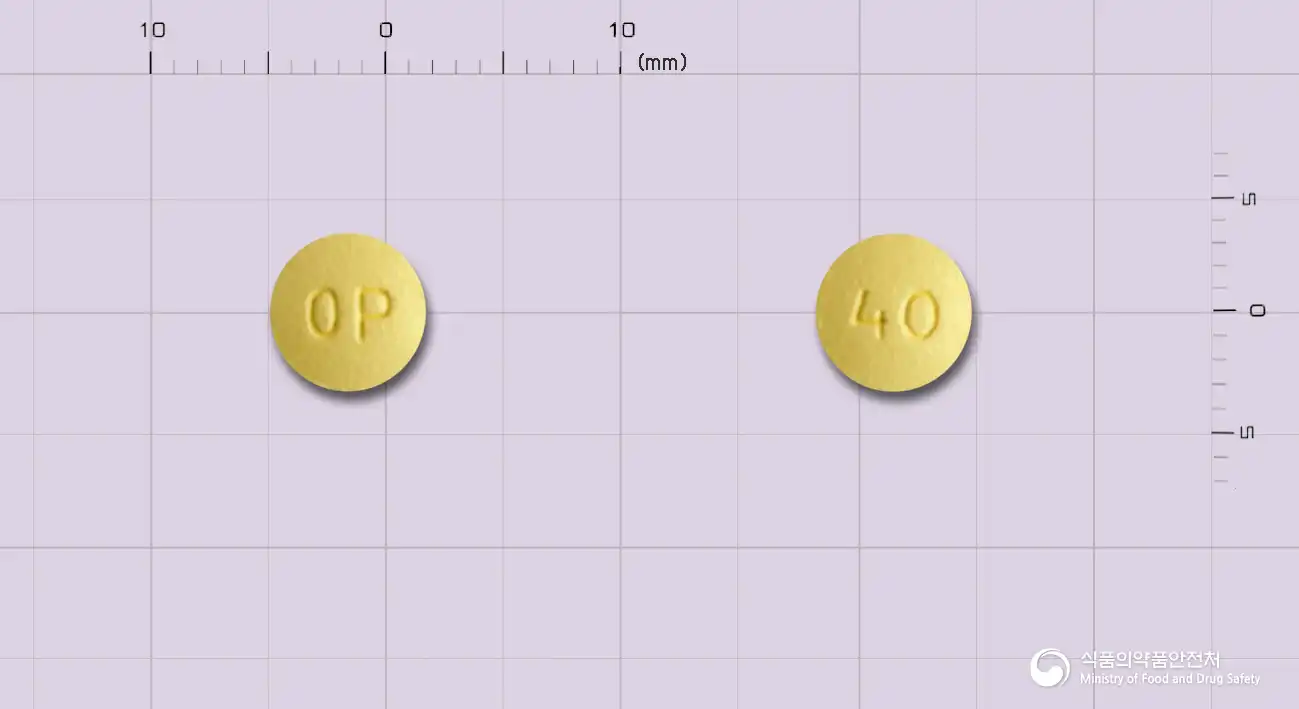
Oxycodone Hydrochloride 40mg
Tablet · Prescription medication
Korea Mundipharma Co., Ltd.
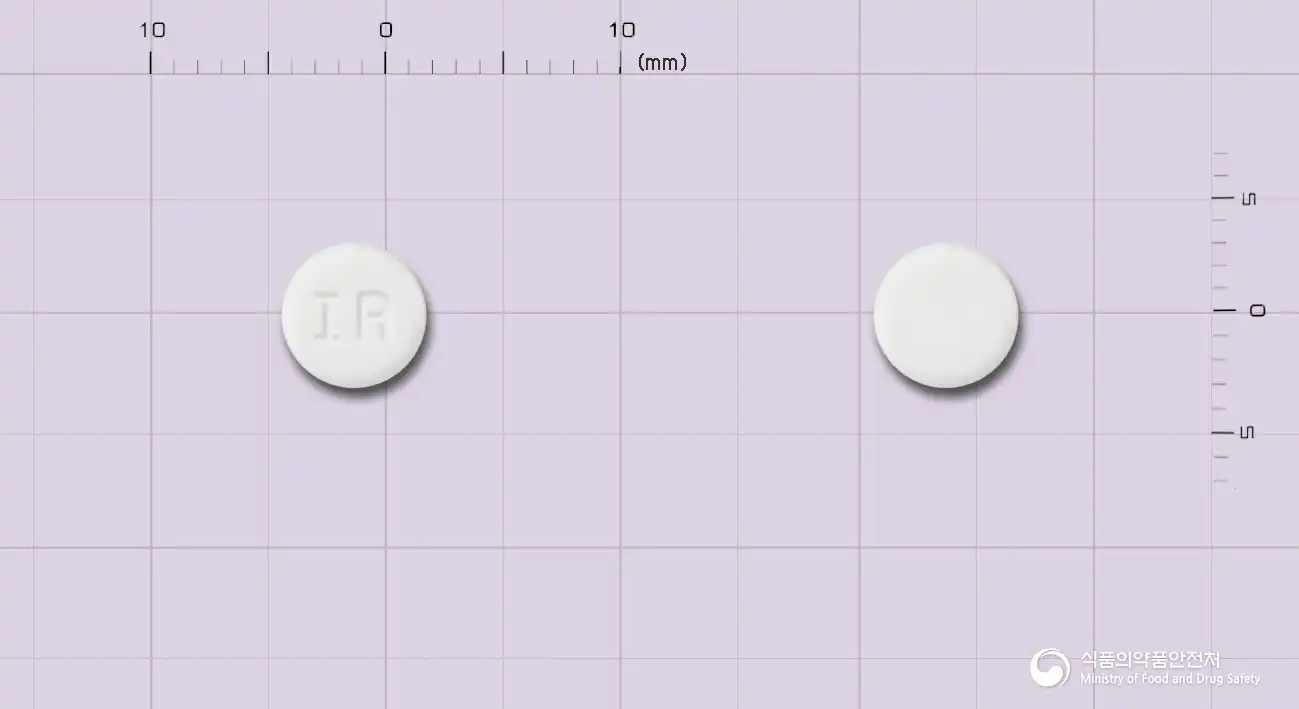
Oxycodone Hydrochloride 5mg
Tablet · Prescription medication
Unimed Pharmaceuticals Co., Ltd.
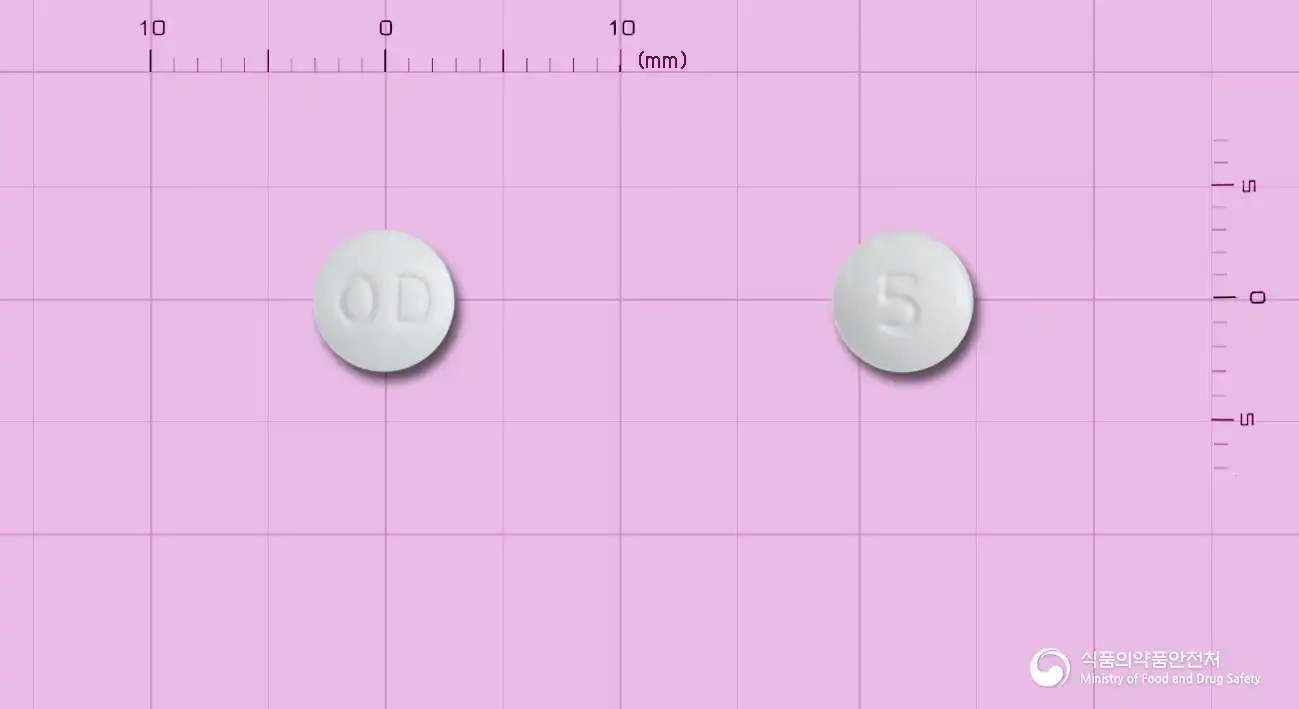
Oxycodone Hydrochloride 5mg
Tablet · Prescription medication
Hana Pharmaceutical Co., Ltd.
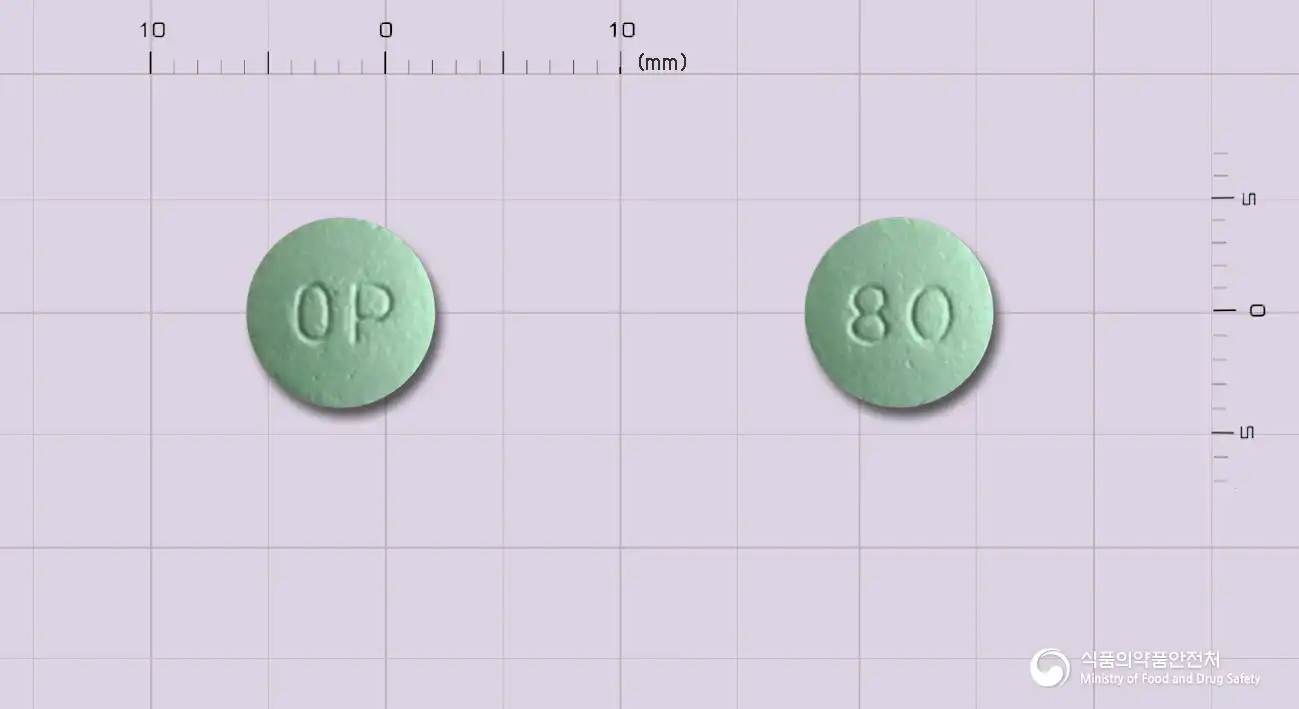
Oxycodone Hydrochloride 80mg
Tablet · Prescription medication
Korea Mundi Pharma Co., Ltd.
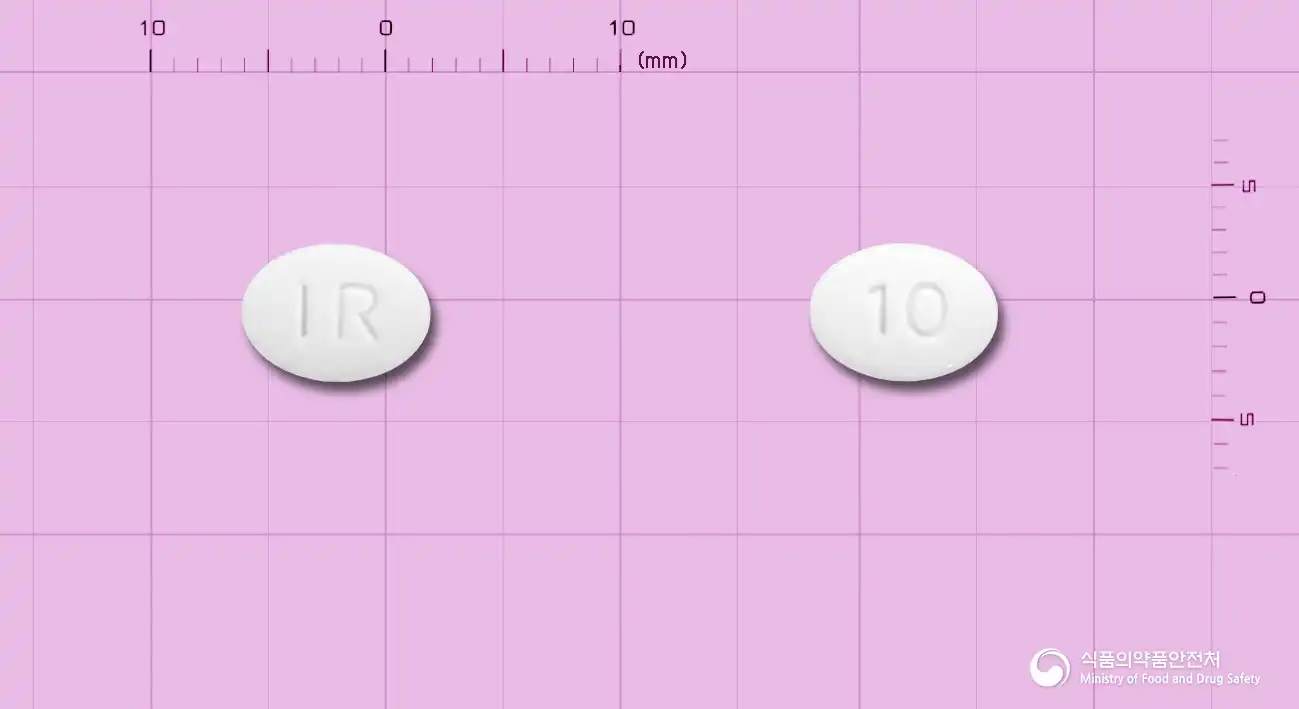
Oxycodone Hydrochloride 10mg
Tablet · Prescription medication
UNIMED PHARMACEUTICAL Co., Ltd.
Even with the same ingredient, the dose and directions can differ by strength and dosage form. Talk to a doctor or pharmacist before switching from a medication you are already taking.
No questions yet.
For anything that needs medical judgment, consult a doctor or pharmacist.
This drug information is based on data provided by the Korea Ministry of Food and Drug Safety.
Consult a doctor or pharmacist for accurate dosage, administration, and usage instructions.