
 한국어
 English
 日本語
 中文(简体)
Summary
- Main use
- Treatment of overactive bladder symptoms (frequent urination, urinary urgency, etc.)
- Who takes it
- Adults
- Adult dose
- The recommended dose for adults (including elderly patients) is 0.1 mg orally twice daily after breakfast and dinner. If the effect is inadequate, the dose may be increased to 0.2 mg per dose and up to 0.4 mg per day, taking tolerability into consideration. (The efficacy and safety of administering this medicine at an initial dose of 0.2 mg per dose twice daily have not been established.) Patients with hepatic impairment: Administer 0.1 mg per dose twice daily to patients with moderate or severe hepatic impairment. Patients with renal impairment: Administer 0.1 mg per dose twice daily to patients with severe renal impairment.
Ingredients
- Manufacturer
- LG Chem, Ltd.
Efficacy & effects
Treatment of overactive bladder symptoms (frequent urination, urinary urgency, etc.)
- Urgent urinary incontinence
- frequent urination
- urinary urgency
- symptoms of overactive bladder
View approved original textHide original text
You may experience discomfort such as urgent urinary incontinence, frequent urination, and urinary urgency due to symptoms of overactive bladder. This medication helps alleviate symptoms of sudden urges to urinate or difficulties in holding urine by inhibiting the overactive contractions of the bladder. Therefore, it is effective in improving symptoms such as urgent urinary incontinence and frequent urination, stabilizing overall bladder function. It plays an important role in enhancing the quality of life for patients, so regular intake is recommended. It is used for the treatment of symptoms of overactive bladder such as incontinence and frequent urination.
How to take
Adult dose
The recommended dose for adults (including elderly patients) is 0.1 mg orally twice daily after breakfast and dinner. If the effect is inadequate, the dose may be increased to 0.2 mg per dose and up to 0.4 mg per day, taking tolerability into consideration. (The efficacy and safety of administering this medicine at an initial dose of 0.2 mg per dose twice daily have not been established.) Patients with hepatic impairment: Administer 0.1 mg per dose twice daily to patients with moderate or severe hepatic impairment. Patients with renal impairment: Administer 0.1 mg per dose twice daily to patients with severe renal impairment.
Precautions
This medication should not be administered to certain patients. For example, it should not be used in patients who are allergic to this drug or its ingredients, or those with urinary retention symptoms such as difficulty urinating. Additionally, it should not be given to patients with angle-closure glaucoma, myasthenia gravis, or patients with blockages or impaired function of the stomach or intestines. It is advisable not to administer this drug to patients with severe heart disease or liver dysfunction. Some patients may require careful administration. Patients with urinary difficulties due to conditions such as benign prostatic hyperplasia, those with a history of arrhythmia, patients with dementia or cognitive impairment, and Parkinson's disease patients should exercise caution when using this medication. The same applies to patients with hyperthyroidism or cardiovascular disease. Various side effects may occur with this medication. The most common side effects reported include dry mouth and constipation, with other reports including dizziness, drowsiness, and gastric discomfort. In serious cases, acute glaucoma, urinary retention with complete inability to urinate, intestinal obstruction, hallucinations or delirium, cardiac rhythm disturbances, and liver function abnormalities may occur, necessitating immediate cessation of use and medical treatment if symptoms arise. Before administering this medication, clinical symptoms of the patient should be carefully reviewed, and if necessary, other causes should be ruled out through urine tests or specialized examinations. In particular, if there is a urinary tract infection, appropriate antibiotic treatment should be carried out first, and in patients with benign prostatic hyperplasia, post-void residual volume should be measured, and progress should be monitored. Caution should be exercised when using this medication in combination with other antimuscarinic agents, antihistamines, or certain antidepressants, as side effects may increase. Additionally, as this drug is metabolized in the liver, patients with impaired liver function should be even more careful. It is preferable that pregnant or nursing women do not use this medication, especially when there is a possibility of pregnancy. The safety and efficacy of this medication in children or adolescents under 18 have not been established, so it is not used in this population. Generally, for elderly patients aged 65 and above, dose adjustment is not typically necessary, but it should be administered cautiously as physical function may decline. In cases of overdose, serious symptoms such as confusion, excitement, seizures, gait disturbances, urinary retention, and cardiac irregularities may arise, so immediate medical attention is required. This medication should be taken out of the PTP packaging before use, as swallowing the packaging can cause serious issues like esophageal injury, so caution is advised. When storing, it should be kept in a well-sealed container away from air and moisture. The storage temperature should be maintained at room temperature between 1 and 30 degrees Celsius.
Side effects
- dry mouth
- constipation
- dizziness
- neglect
- drowsiness
- gastric discomfort
- elevated triglycerides
- elevated γ-GTP
- residual urine
- positive leukocytes in urine
Show 77 moreCollapse
- abdominal discomfort
- headache
- dysuria
- acute glaucoma
- urinary retention
- paralytic ileus
- hallucinations
- delirium
- prolonged QT interval
- ventricular tachycardia
- liver dysfunction
- hypersensitivity
- rash
- pruritus
- dysgeusia
- vertigo
- headache
- numbness
- nausea
- abdominal distension
- abnormal bowel movements
- stomatitis
- hyperthermia
- ectopic beats
- elevated blood pressure
- pharyngolaryngeal pain
- cough
- dryness of the throat
- hoarseness
- positive red blood cells in urine
- urinary tract infection
- positive protein in urine
- increased creatinine
- visual disturbances
- dry eyes
- eye fatigue
- eyelid swelling
- double vision
- increased ALP
- increased AST
- increased ALT
- elevated bilirubin
- reduced red blood cells
- reduced white blood cells
- reduced platelets
- edema
- elevated blood uric acid
- lethargy
- increased cholesterol
- increased LDH
- chest pain
- back pain
- fatigue
- dry skin
- syncope
- pyuria
- dry eyes
- macular degeneration
- conjunctival hyperemia
- dermatitis
- pruritus
- pustular rash
- vaginal infection
- peripheral edema
- armpit pain
- fatigue
- fever
- thirst
- nonsensical speech
- agitation
- generalized convulsions
- gait disturbance
- speech disorder
- mydriasis
- tachycardia
- generalized flushing
- liver damage
Not everyone experiences these, and they can vary from person to person.
Storage
This medication should be stored in a well-sealed container to avoid exposure to air or moisture. It is important to maintain a storage temperature between 1 and 30 degrees Celsius.
Appearance and packaging
Appearance
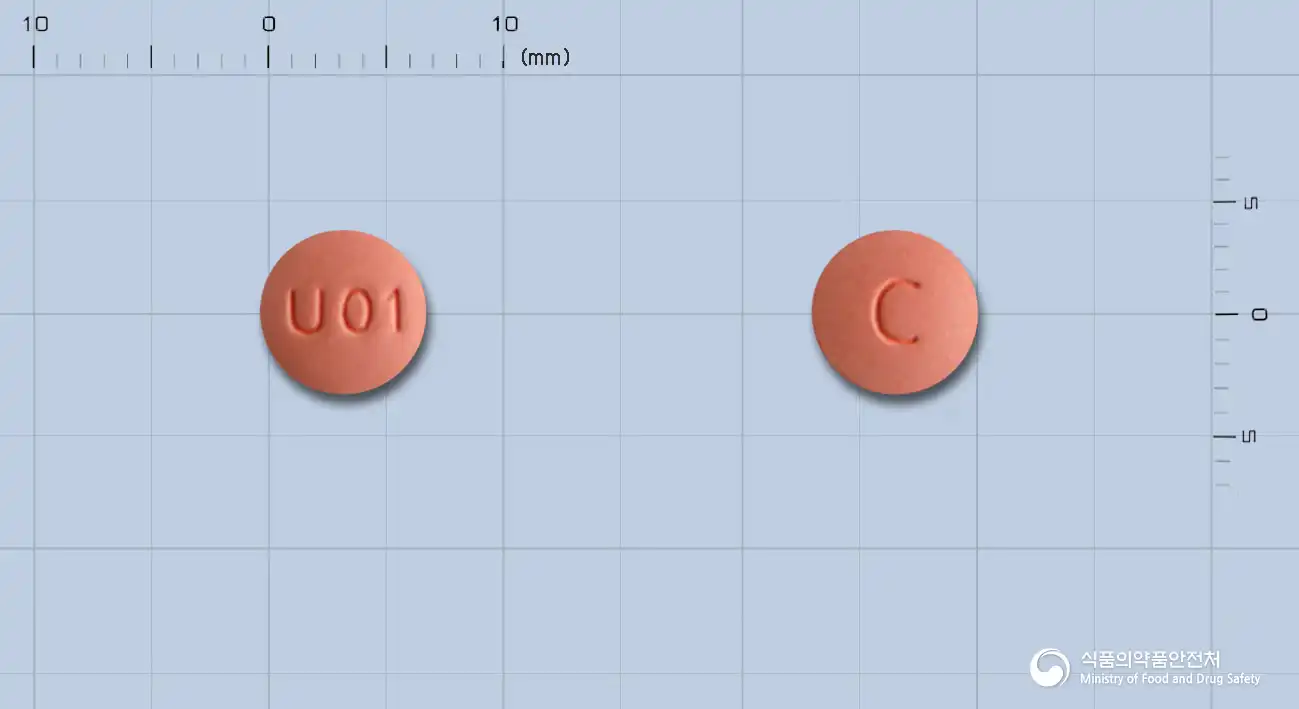
Film-coated tablets in light red-light brown or light red-purple color
Package unit
60 tablets (10 tablets/PTP × 6)
Questions about this medicine
No questions yet.
For anything that needs medical judgment, consult a doctor or pharmacist.