
 한국어
 English
 日本語
 中文(简体)
 Viewing now
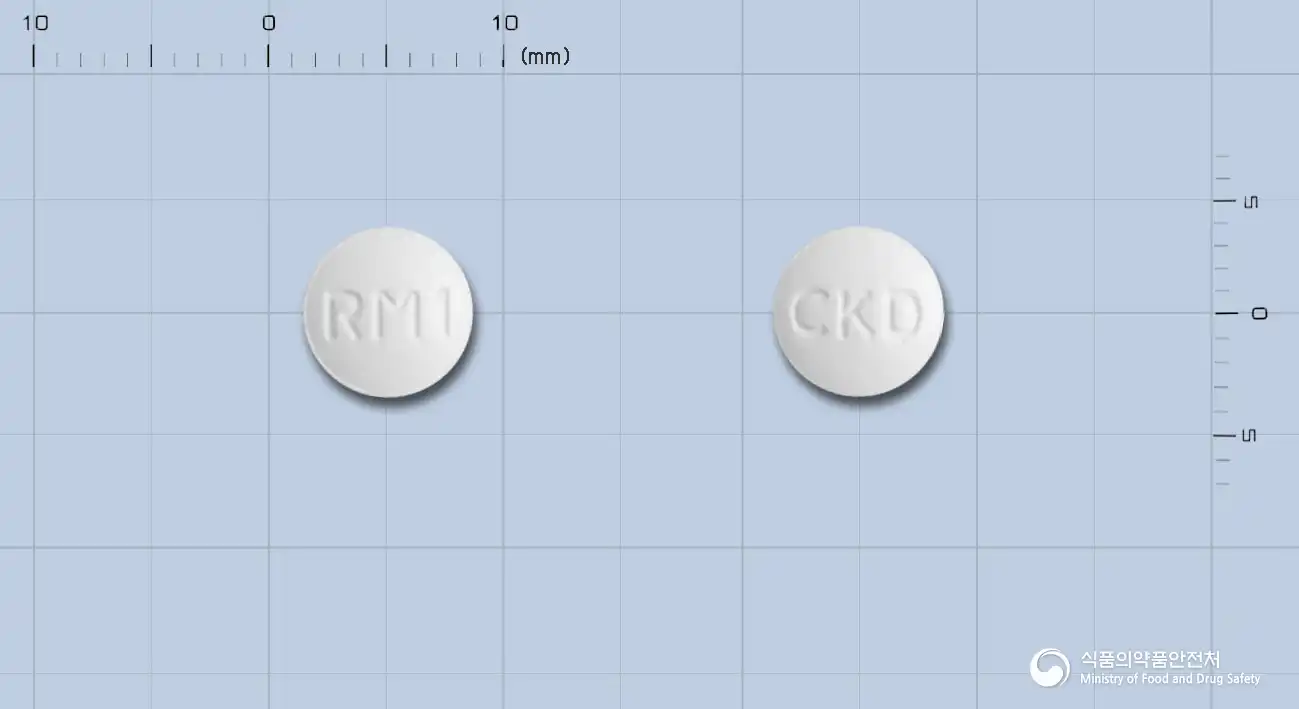
Rheumide 10 mg (Leflunomide)
Leflunomide 10mg
Tablet · Prescription medication
Jongkun Dang Co., Ltd.
MFDS item code 200810760 · Approved 2008.10.31 · Insurance code 643305050
Treatment of rheumatoid arthritis in adults; relief of symptoms of active psoriatic arthritis
This medication is primarily used for the treatment of rheumatoid arthritis in adults, alleviating the signs and symptoms of arthritis. Additionally, it plays a role in inhibiting structural damage, such as narrowing joint space or erosion observed on X-rays. It also helps improve physical functions impaired due to rheumatoid arthritis. Furthermore, it is used to relieve signs and symptoms of active psoriatic arthritis. This drug can be administered in combination with other anti-inflammatory agents or low-dose corticosteroids; however, caution is required since there is not sufficient research on some drug combinations. Thus, this medication is used for the treatment of rheumatoid arthritis and active psoriatic arthritis.
Administer a loading dose of 100mg once daily for 3 days. For maintenance treatment in patients with rheumatoid arthritis, administer 20mg once daily. When administered at 25mg once daily, some patients experienced adverse reactions such as hair loss, weight loss, and elevated liver enzyme levels. Therefore, the maintenance dose should not exceed 20mg once daily; if the patient has poor clinical tolerability, the maintenance dose may be reduced to 10mg once daily. For maintenance treatment in patients with psoriatic arthritis, administer 20mg once daily.
Since this medication can remain in the body for a long time, side effects may continue to appear even after discontinuation. In cases of serious side effects or when rapid elimination of the drug is necessary, the drug must be quickly expelled from the body using a specific antidote. This drug is primarily metabolized and excreted by the liver; therefore, caution should be exercised in patients with impaired liver function, and it should not be administered to patients with severe liver damage. Regular liver function tests should be conducted prior to and during the initial stages of administration, closely monitoring liver conditions. Additionally, this drug can suppress immune function; thus, it is not recommended for patients with serious infections or weakened immunity. If symptoms of infection develop while taking the drug, immediate consultation with a healthcare provider is necessary. Severe allergic reactions or skin ulcers, impaired wound healing may occur, so if such symptoms arise, discontinuation of the medication and consultation with a physician is essential. Women who are pregnant or may become pregnant should not take this medication, and if pregnancy is confirmed during treatment, immediate consultation with a doctor should be sought. Moreover, this medication has not been proven to be safe for children; hence, it is advisable to avoid use in individuals under 18 years. Older adults can use this medication without special dosage adjustments; however, careful monitoring of liver and kidney function is necessary. This drug may increase the risk of side effects when used with other hepatotoxic medications or immunosuppressants, so all medications being taken must be disclosed to healthcare providers. In cases of overdose, symptoms such as diarrhea, abdominal pain, blood abnormalities, and liver function abnormalities may appear, necessitating prompt treatment and drug elimination. The drug should be stored away from direct sunlight in a cool place, and regular blood tests and liver function tests should be conducted to continuously monitor health status during treatment.
Not everyone experiences these, and they can vary from person to person.
This medication is sensitive to light, so it should be stored in a container that prevents light from entering. Additionally, it is important to store it at a cool temperature below 25 degrees Celsius to maintain its effectiveness.
White round film-coated tablet
30 tablets/bottle
Even with the same ingredient, strength, dosage form and how it is taken can differ.
Viewing nowLeflunomide 10mg
Tablet · Prescription medication
Jongkun Dang Co., Ltd.
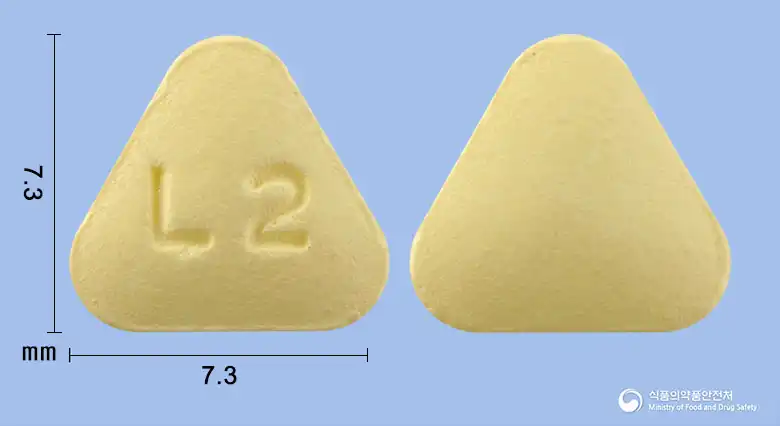
Leflunomide 20mg
Tablet · Prescription medication
Celltrion Pharma, Inc.
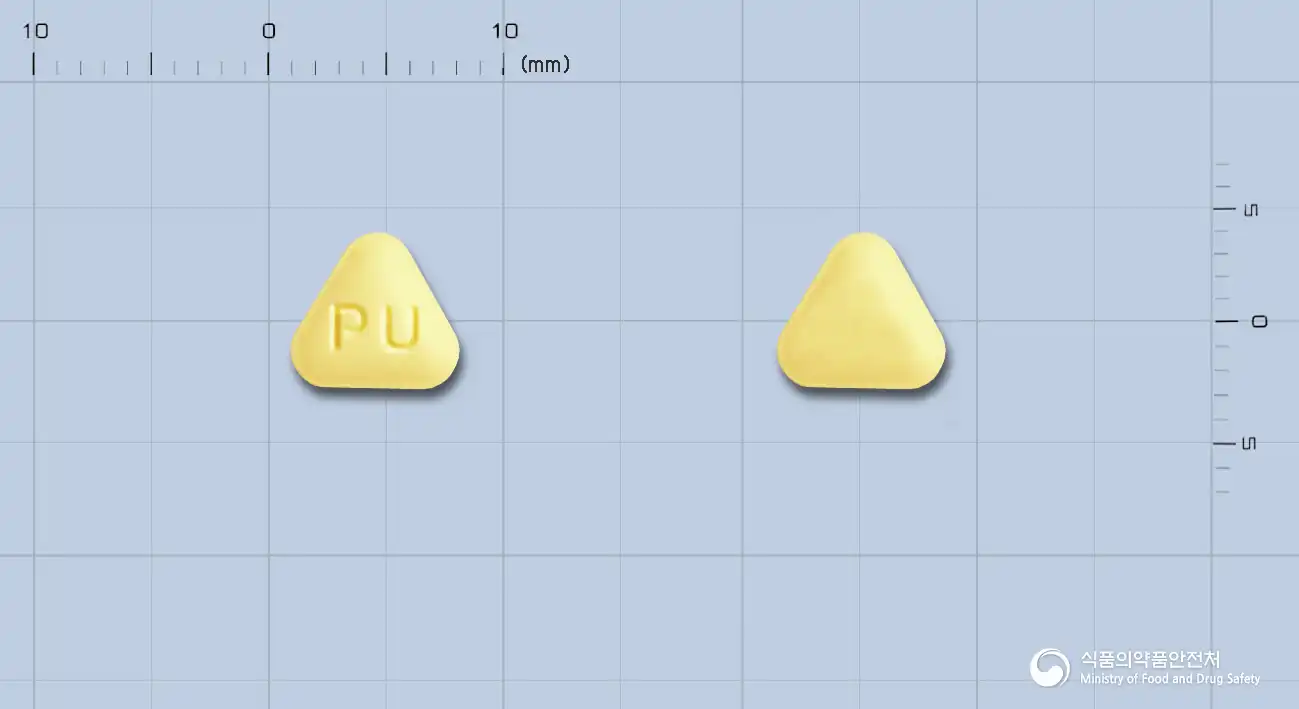
Leflunomide 20mg
Tablet · Prescription medication
KPM Pharmaceutical Co., Ltd.
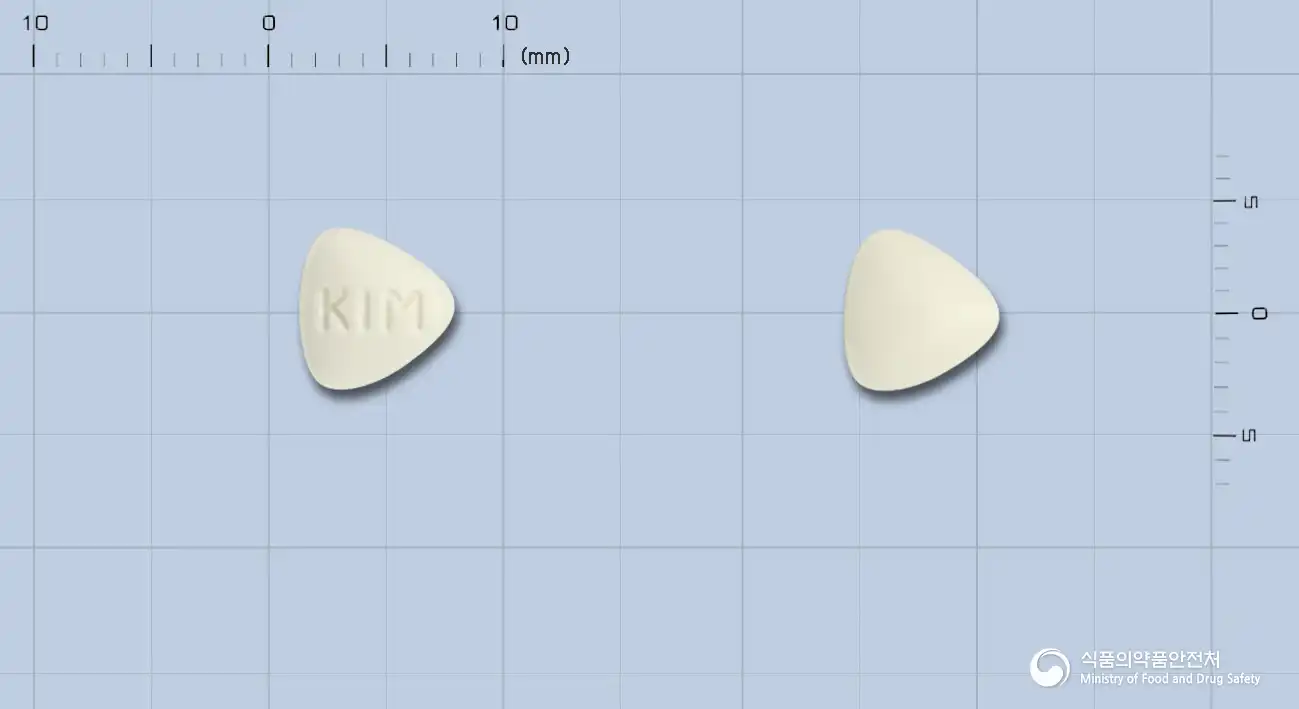
Leflunomide 20mg
Tablet · Prescription medication
Kims Pharmaceutical Co., Ltd.
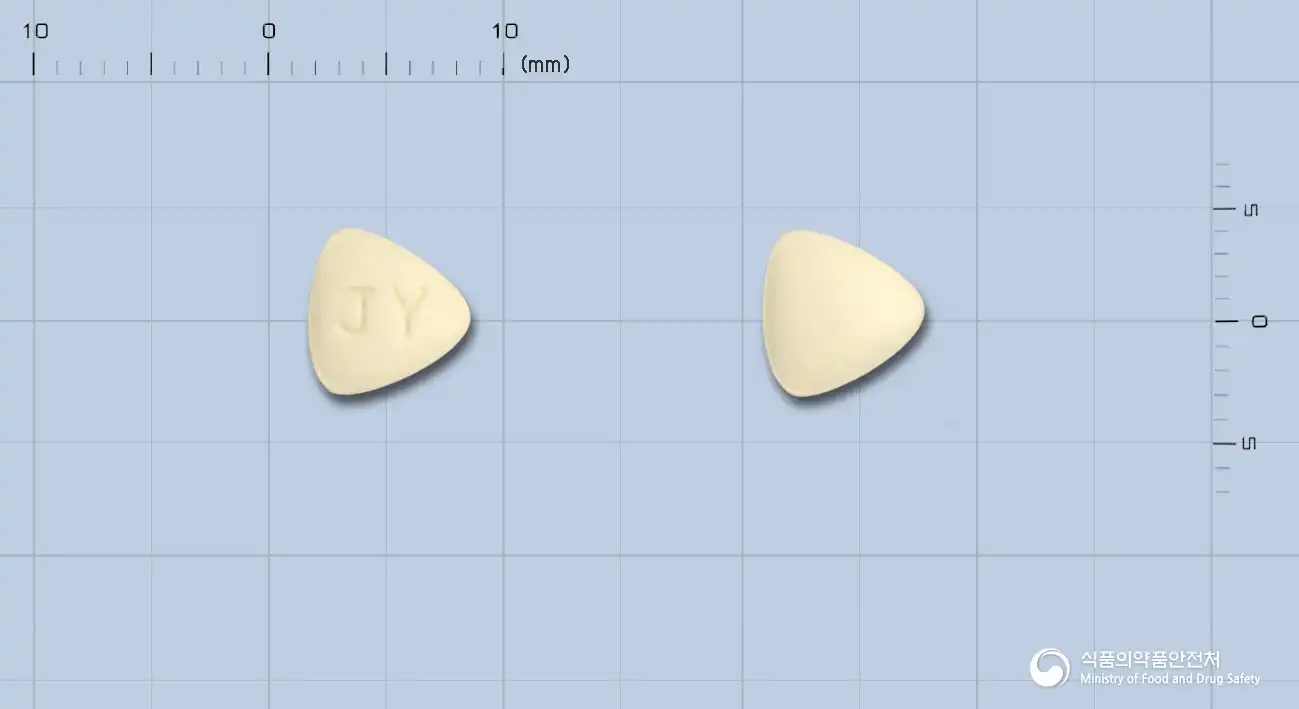
Leflunomide 20mg
Tablet · Prescription medication
Jinyang Pharmaceutical Co., Ltd.
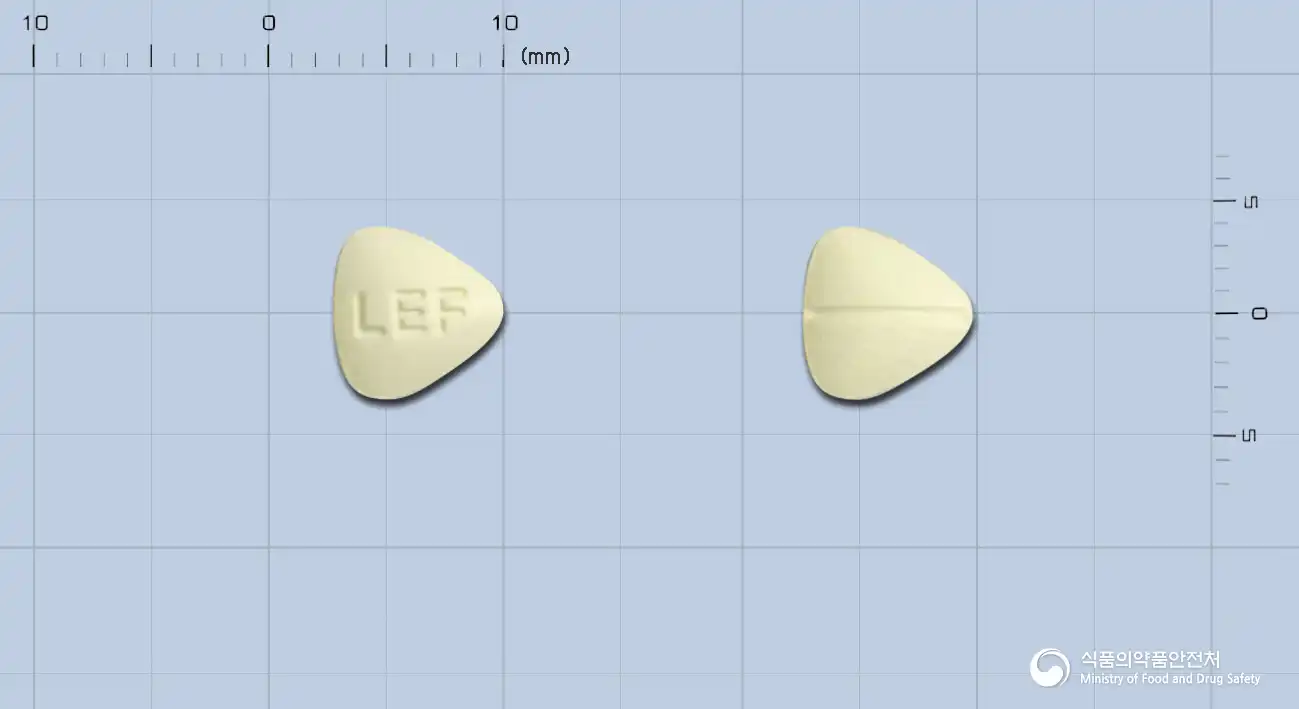
Leflunomide 20mg
Tablet · Prescription medication
Hanlim Pharmaceuticals Co., Ltd.
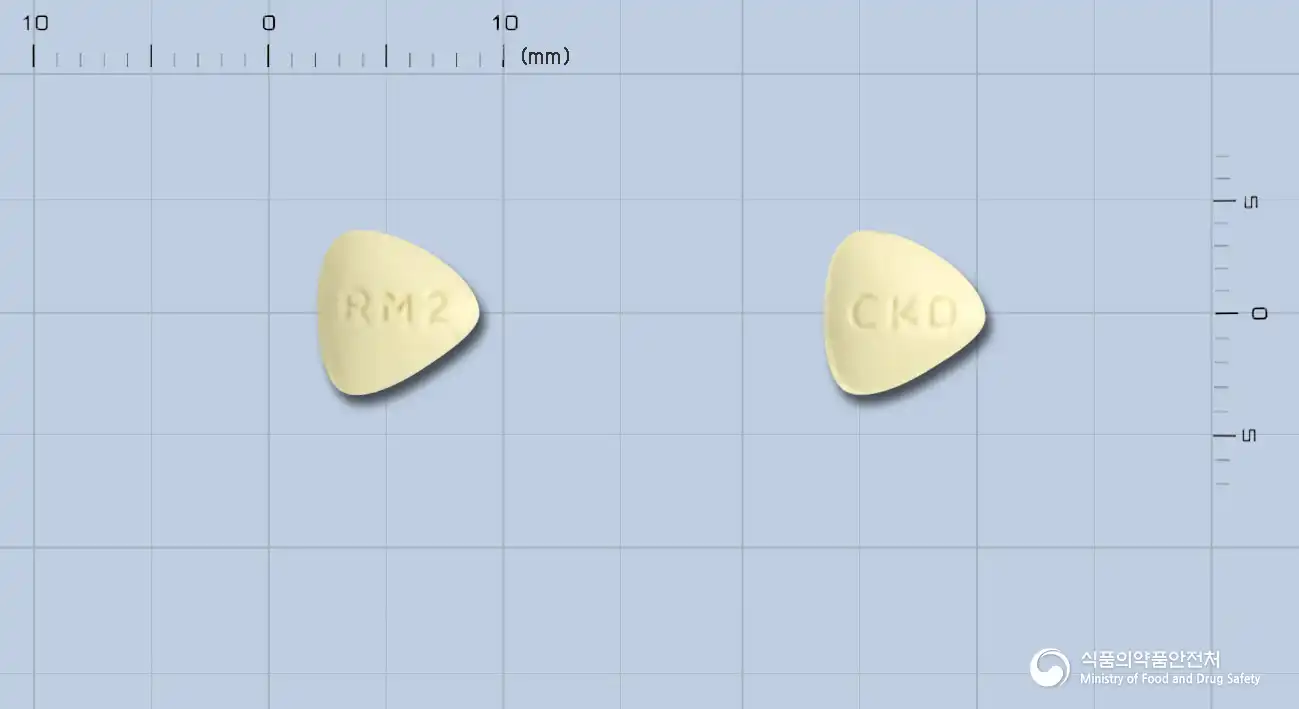
Leflunomide 20mg
Tablet · Prescription medication
Jongkundang Co., Ltd.
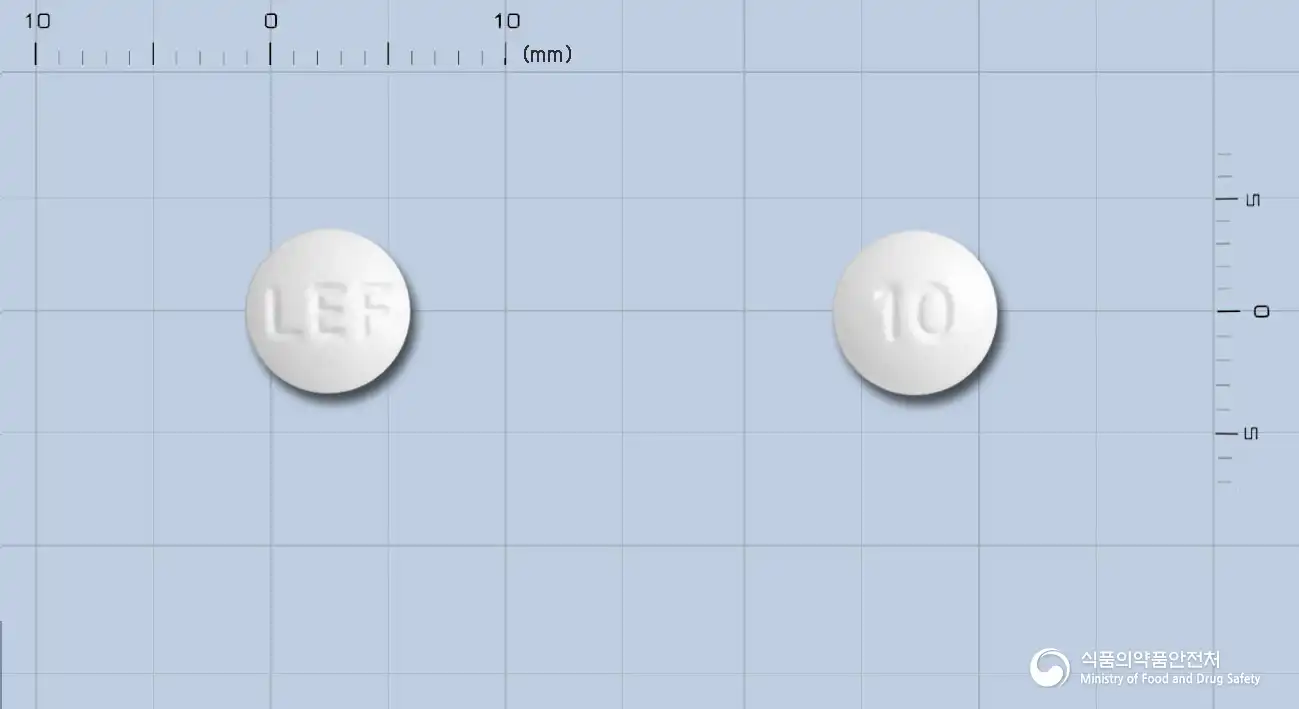
Leflunomide 10mg
Tablet · Prescription medication
Hanlim Pharmaceutical Co., Ltd.
Even with the same ingredient, the dose and directions can differ by strength and dosage form. Talk to a doctor or pharmacist before switching from a medication you are already taking.
No questions yet.
For anything that needs medical judgment, consult a doctor or pharmacist.
This drug information is based on data provided by the Korea Ministry of Food and Drug Safety.
Consult a doctor or pharmacist for accurate dosage, administration, and usage instructions.