
 한국어
한국어 English
 日本語
日本語 中文(简体)
 Viewing nowCombination
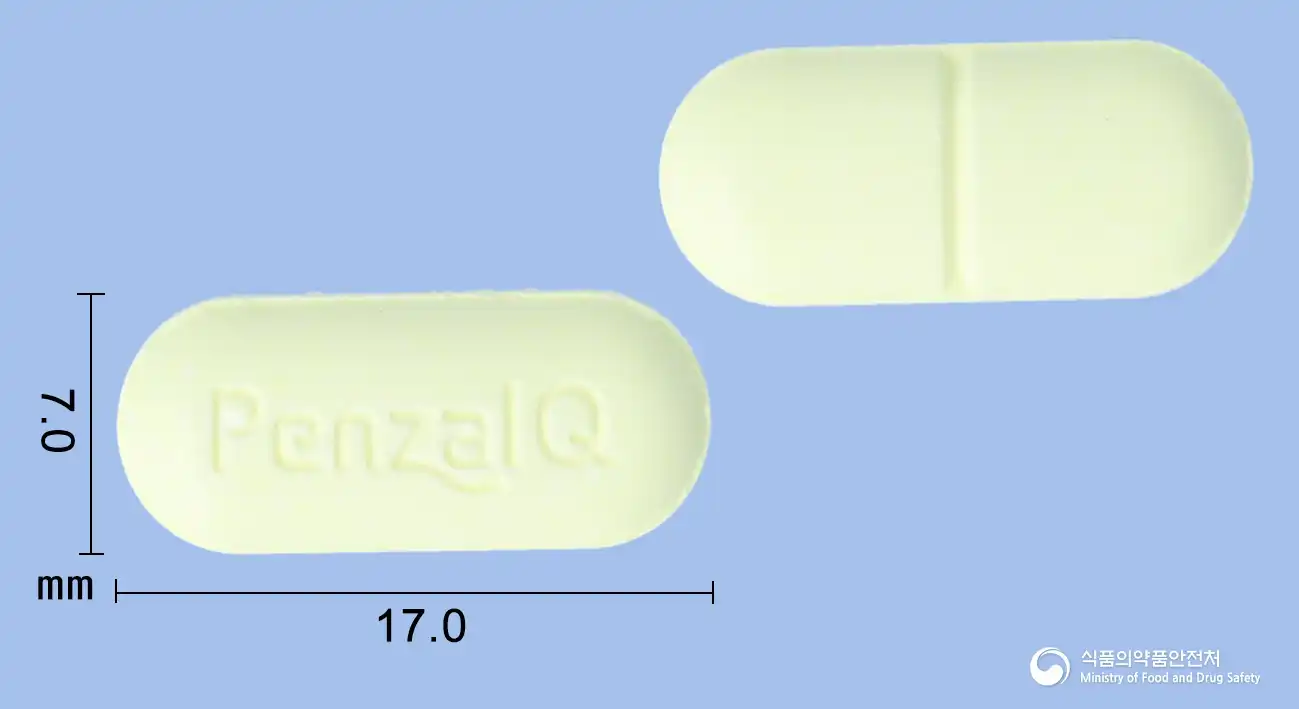
Penzal Q Tablets
Acetaminophen 300mg · Anhydrous Caffeine 50mg +1 more
Tablet · OTC medication · Combination
Jongkundang Co., Ltd.
MFDS item code 200810700 · Notified 2008.10.29
Relief of pain (headache, toothache, etc.) and suppression of fever
This medication is effective for headaches, toothaches, pain after tooth extraction, sore throat, ear pain, joint pain, neuralgia, lower back pain, muscle pain, shoulder stiffness, bruise pain, fracture pain, sprain pain, menstrual pain, and trauma-related pain. Additionally, it has an antipyretic effect during chills and fever, helping to reduce body heat. This drug is used for various types of pain relief and to lower fever.
Adults (15 years and older): 1 tablet per dose Take up to 3 times a day, avoiding empty stomach. Dosing interval is more than 4 hours.
Aged 11 to under 15 years: 1/2 to 2/3 tablet per dose Aged 8 to under 11 years: 1/2 tablet per dose Take up to 3 times a day, avoiding empty stomach. Dosing interval is 4 hours.
This medication may cause liver damage in people who regularly consume three or more glasses of alcohol daily, so it is important to consult with a doctor or pharmacist. Moreover, after taking this drug, serious skin reactions such as rashes or blisters may appear, so if these symptoms occur, discontinue use immediately. This medication contains acetaminophen, so care must be taken not to exceed the maximum daily dosage of 4000mg, and it should not be taken with other products containing acetaminophen. People with allergies to this drug or its ingredients, a history of asthma attacks, and infants under 3 months should not take it. During treatment, do not take other antipyretics, cold medications, or sedatives. Children who have had or are suspected of having chickenpox or influenza, those with allergic conditions, liver or kidney disease, heart disease, pregnant or breastfeeding individuals, and the elderly should consult a specialist before taking this medication. If you experience unusual symptoms after taking this medication, such as rashes, itching, vomiting, dizziness, or hearing changes, discontinue use immediately and consult a specialist. Children under 2 years old should generally avoid taking this medication, except in special cases, and should be closely supervised by a guardian. This medication should be used according to the prescribed dosage and duration, and care should be taken to avoid long-term use. While using, avoid alcohol, and consult a specialist regarding the potential for side effects when combined with certain medications.
Rash, erythema (redness), itching, nausea, vomiting, loss of appetite, constipation, abdominal pain, gastrointestinal bleeding, dyspepsia, dizziness, hearing loss (deafness), swelling, tinnitus (ringing in the ears), high anion gap metabolic acidosis (HAGMA)
Not everyone experiences these, and they can vary from person to person.
Do not take this medication with other antipyretics, cold medications, or sedatives. Consult a doctor or pharmacist when taking in conjunction with barbiturates, tricyclic antidepressants, diuretics, antidiabetic drugs, gout medications, arthritis medications, anticoagulants, and steroids.
Caution is needed when taking this medication with alcohol.
Store this medication in a sealed container to prevent air and moisture from entering, and keep it at room temperature between 1 to 30 degrees Celsius. This will help maintain the medication's effectiveness and prevent deterioration.
Pale yellow (light yellow) elongated tablets
10 tablets/PTP
Even with the same ingredient, strength, dosage form and how it is taken can differ.
Viewing nowCombinationAcetaminophen 300mg · Anhydrous Caffeine 50mg +1 more
Tablet · OTC medication · Combination
Jongkundang Co., Ltd.
Acetaminophen · Ethenzamide +1 more
OTC medication · Combination
RP Bio Co., Ltd.
 Combination
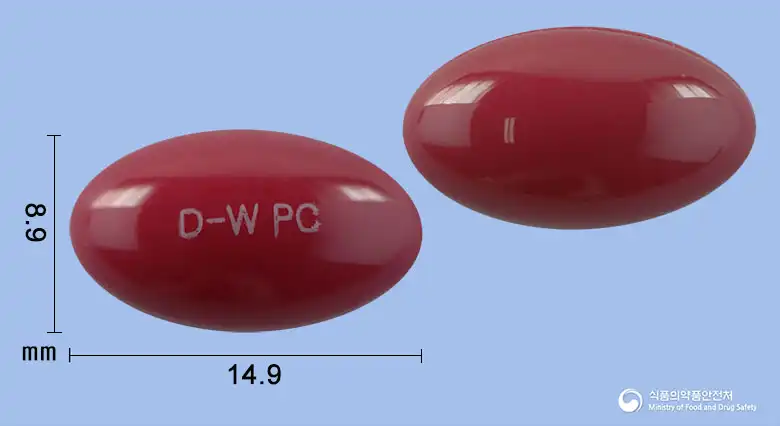
Acetaminophen 150mg · Ethenzamide 100mg +1 more
Soft capsule · OTC medication · Combination
Donghwa Pharmaceutical Co., Ltd.
Acetaminophen 150mg · Ethenzamide 100mg +1 more
Soft capsule · OTC medication · Combination
R.P. Bio Co., Ltd.
Acetaminophen 150mg · Ethenzamide 100mg +1 more
Soft capsule · OTC medication · Combination
RP Bio Co., Ltd.
Acetaminophen 150mg · Ethenzamide 100mg +1 more
Soft capsule · OTC medication · Combination
Seohung Co., Ltd.
 Combination
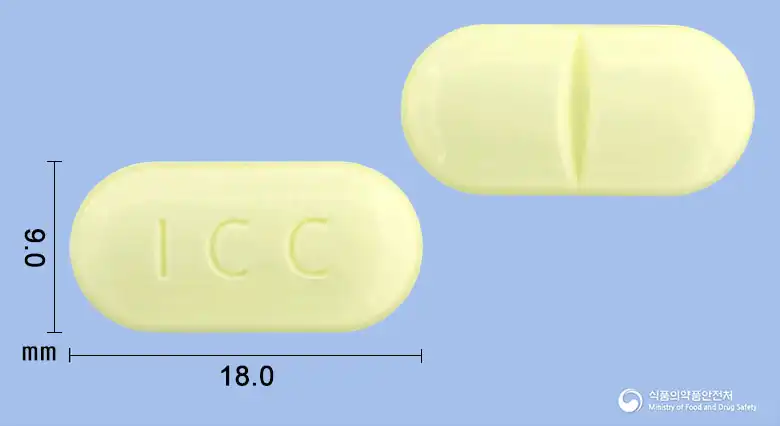
Acetaminophen 300mg · Anhydrous Caffeine 50mg +1 more
Tablet · OTC medication · Combination
IlYang Pharmaceutical Co., Ltd.
Acetaminophen 300mg · Ethenzamide 200mg +1 more
Tablet · OTC medication · Combination
Hanil Pharm Co., Ltd.
Even with the same ingredient, the dose and directions can differ by strength and dosage form. Talk to a doctor or pharmacist before switching from a medication you are already taking.
No questions yet.
For anything that needs medical judgment, consult a doctor or pharmacist.
This drug information is based on data provided by the Korea Ministry of Food and Drug Safety.
Consult a doctor or pharmacist for accurate dosage, administration, and usage instructions.