
 한국어
한국어 English
 日本語
日本語 中文(简体)
 Viewing now
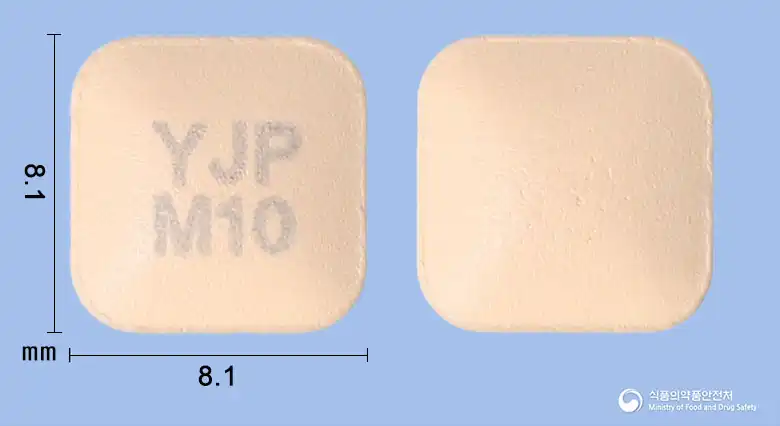
Montcast Tablets 10 mg (Montelukast Sodium)
Montelukast Sodium 10.4mg
Tablet · Prescription medication
Youngjin Pharmaceutical Co., Ltd.
MFDS item code 200810006 · Notified 2008.09.30 · Insurance code 642402170
Treatment for prevention of asthma and relief of allergic rhinitis symptoms
This medication helps to prevent asthma and manage it continuously. It also alleviates symptoms of allergic rhinitis occurring seasonally and throughout the year, enabling patients to live comfortably. It is used for the treatment of asthma and allergic rhinitis.
This medication is taken once daily, with asthma patients taking it in the evening. The dosing time for allergic rhinitis patients is determined based on their condition. Patients with both asthma and allergic rhinitis should take 10 mg of montelukast once daily in the evening. Adults and adolescents aged 15 and over should take 10 mg orally once daily.
This medication is used for the treatment of asthma and allergic rhinitis, and there have been reports of psychiatric side effects, so if you notice changes in mental health such as agitation, anxiety, depression, hallucinations, or suicidal thoughts while taking it, you should immediately consult a doctor. Additionally, this medication contains the artificial sweetener aspartame, which should be avoided by patients with the genetic disorder phenylketonuria, and care should be taken to not exceed the recommended amount of aspartame. Patients with allergies to any ingredients in this medication or genetic issues such as lactose intolerance should also avoid taking it. While taking this medication, adverse reactions such as fatigue, headache, dyspepsia, rash, and cough may occur, so if symptoms are severe or persistent, you should inform a doctor. This medication is not suitable for acute asthma attacks, so always carry a fast-acting inhaled bronchodilator for emergencies and remember that this medication is for prevention and long-term treatment, not for acute symptom relief. Patients with hypersensitivity to aspirin should avoid taking aspirin or non-steroidal anti-inflammatory drugs while using this medication, as it does not treat aspirin-induced bronchoconstriction. During use of this medication, rare side effects such as eosinophilia may occur, so if skin rashes, worsening of pulmonary symptoms, or heart issues arise, immediate medical attention is required. No special interactions have been reported when taken with other asthma medications, but caution should be exercised when taken with drugs that induce specific liver metabolic enzymes. It should only be taken during pregnancy when absolutely necessary, and nursing mothers should also take care while using it. Children and elderly patients can also take this medication, but especially children must adhere to age-appropriate safety and dosage instructions. In case of overdose, there are no specific antidotes, so general symptomatic treatment and clinical monitoring are necessary. Finally, this medication should be stored out of the reach of children and should not be transferred to other containers for safety.
Urticaria, angioedema, toxic epidermal necrolysis, Stevens-Johnson syndrome, rash, severe allergic reactions, severe rash with fever, blisters, skin peeling, mouth/eye mucosal pain, difficulty breathing, asthma attack, respiratory abnormalities accompanied by cough and fever, yellowing of the skin or eyes (jaundice), sudden severe headache, thunderclap headache, seizures, confusion of consciousness, visual disturbances, paralysis, significantly reduced urine output
Not everyone experiences these, and they can vary from person to person.
Store this medication in a tightly sealed container to protect it from air and moisture. Additionally, keep it in a cool room away from direct sunlight, ideally at a temperature between 1 and 30 degrees Celsius.
Beige-colored, rounded-square film-coated tablets
28 tablets/Alu-Alu (7 tablets/Alu-Alu x 4)
Even with the same ingredient, strength, dosage form and how it is taken can differ.
Viewing nowMontelukast Sodium 10.4mg
Tablet · Prescription medication
Youngjin Pharmaceutical Co., Ltd.
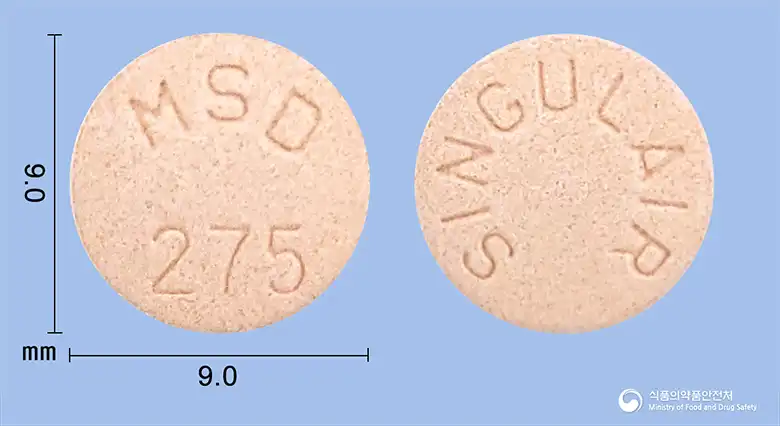
Montelukast Sodium 5.2mg
Chewable Tablet · Prescription medication
Korea Organon Co., Ltd.
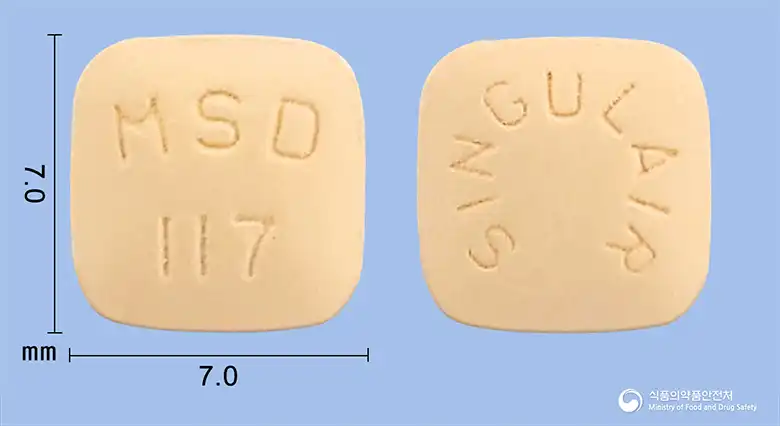
Montelukast Sodium 10.4mg
Tablet · Prescription medication
Korea Organon Co., Ltd.
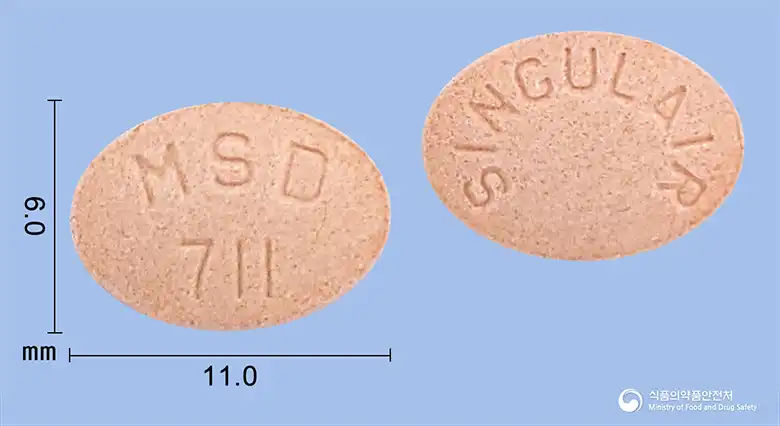
Montelukast Sodium 4.16mg
Chewable Tablet · Prescription medication
Korea Organon Co., Ltd.
Montelukast Sodium 4.16mg
Prescription medication
Korea Organon Co., Ltd.
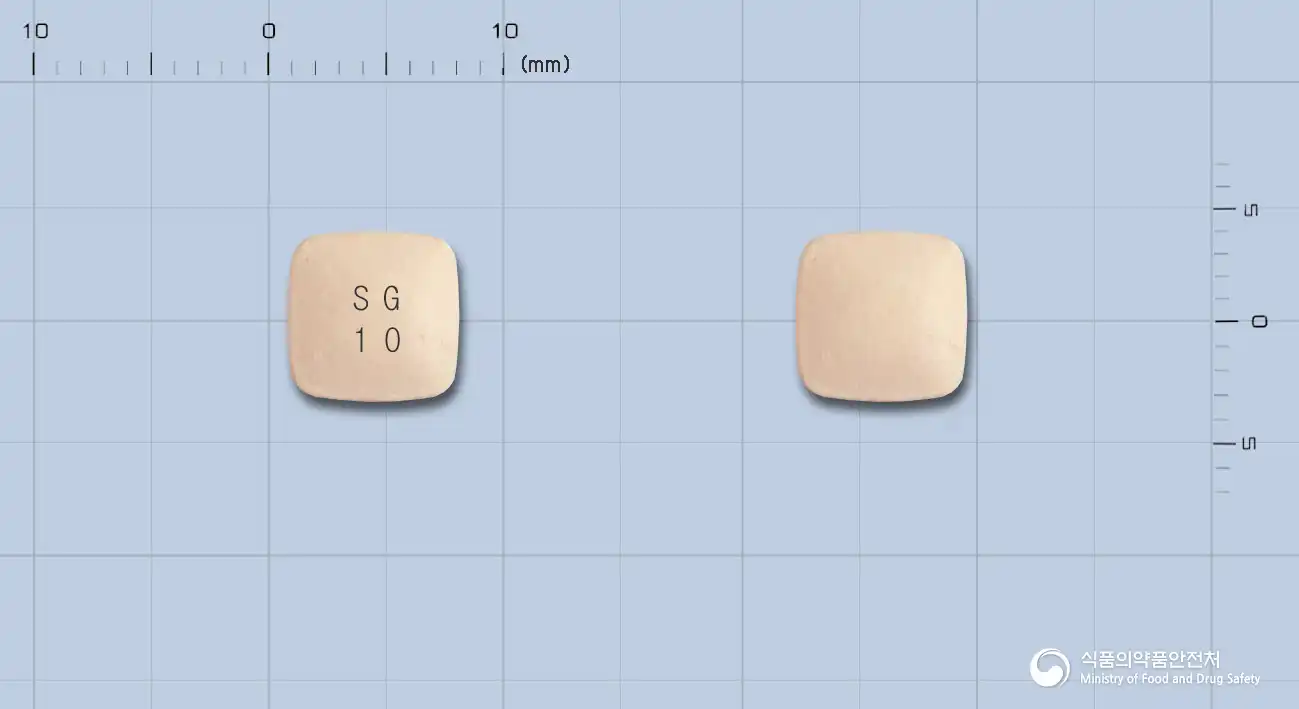
Montelukast Sodium 10.4mg
Tablet · Prescription medication
JW Pharmaceutical Co., Ltd.
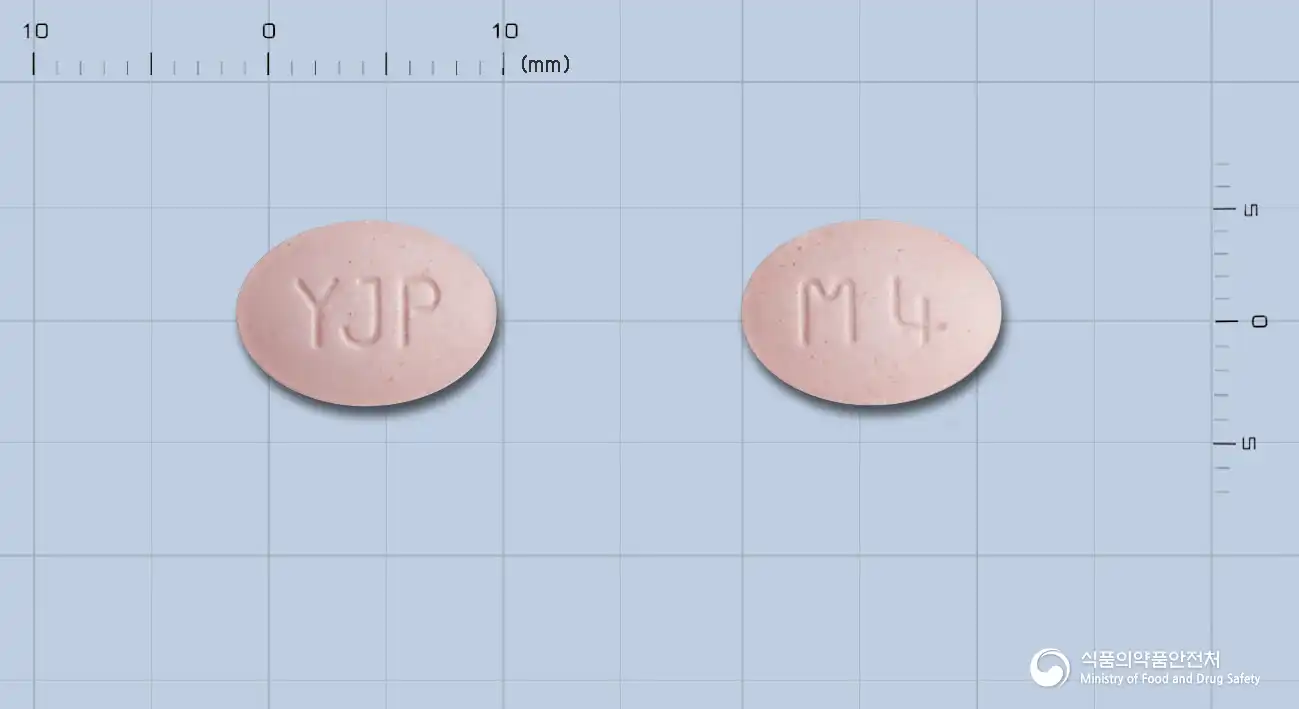
Montelukast Sodium 4.16mg
Chewable Tablet · Prescription medication
Youngjin Pharmaceutical Co., Ltd.
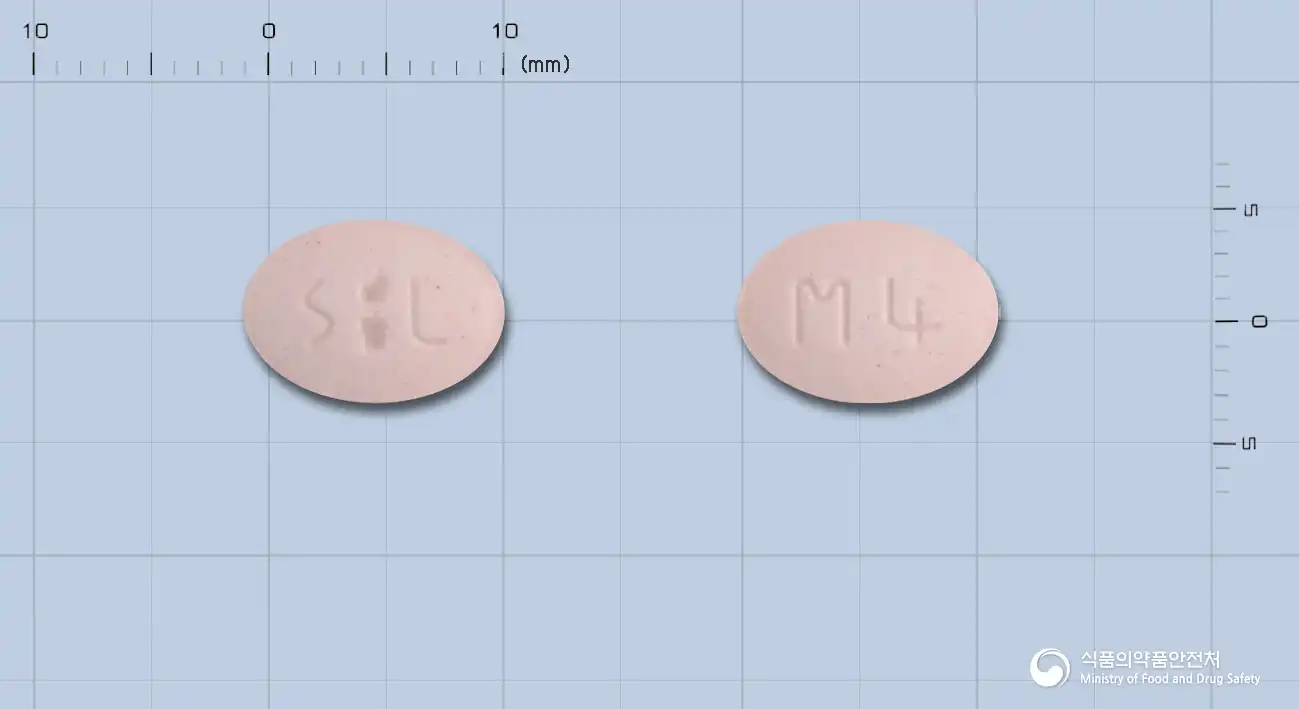
Montelukast Sodium 4.16mg
Chewable Tablet · Prescription medication
Samil Pharmaceutical Co., Ltd.
Even with the same ingredient, the dose and directions can differ by strength and dosage form. Talk to a doctor or pharmacist before switching from a medication you are already taking.
No questions yet.
For anything that needs medical judgment, consult a doctor or pharmacist.
This drug information is based on data provided by the Korea Ministry of Food and Drug Safety.
Consult a doctor or pharmacist for accurate dosage, administration, and usage instructions.