
 한국어
한국어 English
 日本語
日本語 中文(简体)
 Viewing now
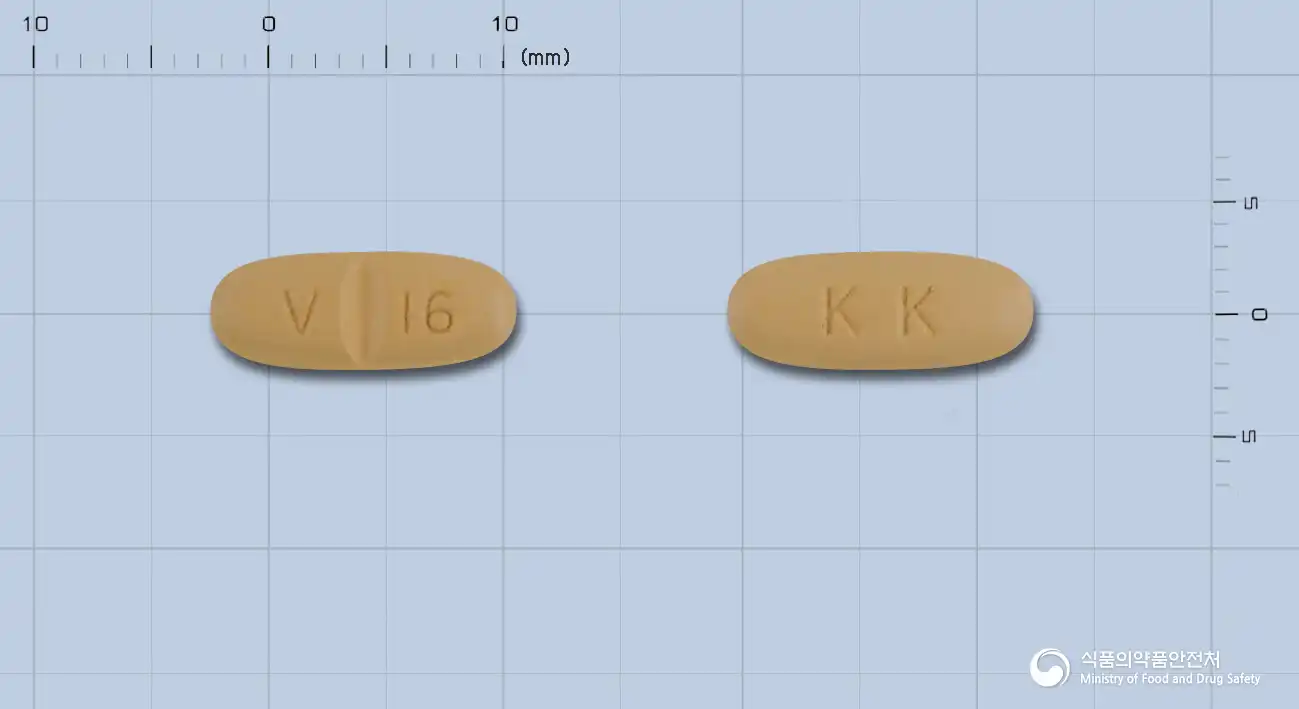
Valsartan Tablets 160mg (Valsartan)
Valsartan 160mg
Tablet · Prescription medication
Genewon Science Co., Ltd.
MFDS item code 200809910 · Notified 2008.09.29 · Insurance code 671702810
Treatment of essential hypertension and heart failure (intolerance to ACE inhibitors), reduction of mortality risk following myocardial infarction
This medication is primarily used to effectively lower blood pressure in patients with essential hypertension. It also benefits heart failure patients who are intolerant to ACE inhibitors, specifically those classified as NYHA class II to IV. In clinically stable patients with left ventricular dysfunction after myocardial infarction, this medication contributes to reducing the risk of mortality. Therefore, it is widely used for blood pressure control, heart failure management, and preventive treatment after myocardial infarction.
Essential Hypertension: Recommended starting dose is 80 mg once daily orally, which can be increased to 160 mg depending on blood pressure control, and may be increased up to a maximum of 320 mg. Elderly patients (75 years and older): Start at 40 mg once daily. Patients with renal impairment or fluid depletion: Start at 40 mg once daily. Patients with liver impairment: Start at 40 mg once daily and do not exceed 80 mg per day.
Safety and efficacy have not been established in pediatric patients and adolescents under 18 years of age.
This medication can cause serious harm to the fetus and newborn if taken during pregnancy, especially in the second and third trimesters, and should be discontinued immediately upon confirmation of pregnancy. Women who are pregnant or may become pregnant, as well as breastfeeding women, should not use this medication. Patients with severely impaired liver function or specific liver diseases should not take this medication. Patients with a history of angioedema or allergies to related medications should avoid this medication. It is also advisable for patients with severe kidney dysfunction not to use this medication. Combining this medication with specific drugs in patients with diabetes or moderate to severe kidney impairment may pose risks. Elderly patients, those with high blood potassium levels, or those with mildly impaired liver function should have their dosage adjusted and conditions closely monitored while using this medication. Patients with heart valve disease or cardiovascular disease should also be cautious of blood pressure changes when taking this medication. Patients with fluid or sodium deficiency may experience hypotension during initial doses, requiring caution. Patients with renal artery stenosis should consider the use of this medication carefully to prevent worsening kidney function. This medication may cause side effects such as dizziness, headache, fatigue, cough, and digestive upset in some patients, so if any abnormal symptoms occur, consult a doctor. If blood pressure drops sharply, discontinue use immediately and seek appropriate measures. Blood pressure, kidney function, and potassium levels should be monitored closely when using other antihypertensives, diuretics, or potassium-sparing agents. Patients post-heart failure or myocardial infarction should have periodic assessments of kidney function while on treatment. Caution is needed for activities like driving or operating machinery due to potential dizziness. Regular blood tests and kidney function tests are advised during the course of this medication. In case of overdose, symptoms may include hypotension and decreased consciousness, and immediate medical attention is required. Keep out of reach of children, and do not transfer the medication to another container for safety.
Urticaria, severe swelling (angioedema), chest tightness, difficulty breathing, cold sweat, pallor, severe rash with fever, blistering, skin peeling, mucosal pain in the mouth/eyes, shortness of breath or difficulty breathing, asthma attacks, respiratory abnormalities with cough and fever, yellowing of the skin or eyes (jaundice), extreme fatigue, sudden and severe headache, thunderclap headache, convulsions, consciousness disturbances, visual disturbances, paralysis
Not everyone experiences these, and they can vary from person to person.
Store this medication in a tightly sealed container to prevent air and moisture from entering, and keep it in a cool place away from direct sunlight and heat (below 30 degrees Celsius). This helps maintain the effectiveness of the medication and prevents deterioration.
Oval film-coated tablet in orange with a gray tint
30 tablets/bottle
Even with the same ingredient, strength, dosage form and how it is taken can differ.
Viewing nowValsartan 160mg
Tablet · Prescription medication
Genewon Science Co., Ltd.
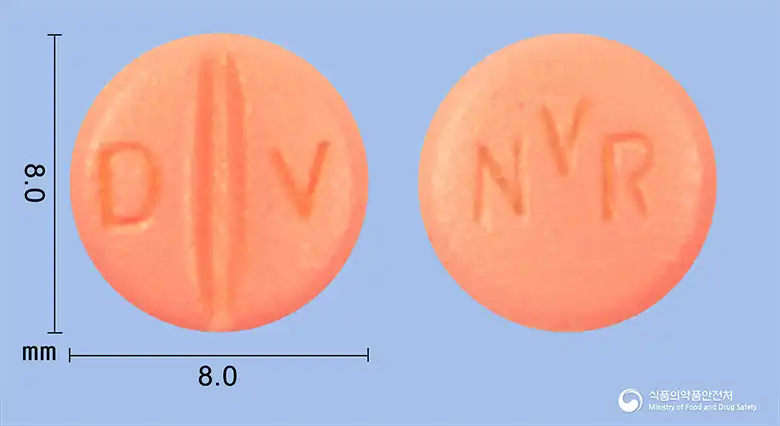
Valsartan 80mg
Tablet · Prescription medication
Novartis Korea Co., Ltd.
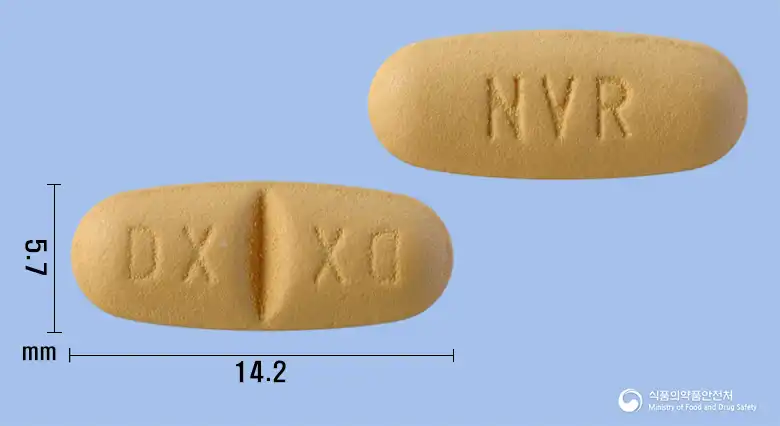
Valsartan 160mg
Tablet · Prescription medication
Novartis Korea Co., Ltd.
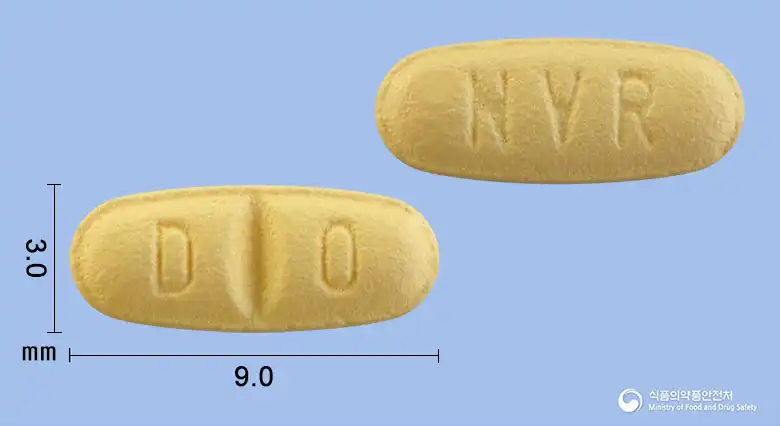
Valsartan 40mg
Tablet · Prescription medication
Samsung Novartis Co., Ltd.
Valsartan
Prescription medication
Korea Sandos Co., Ltd.
Valsartan
Prescription medication
Korea Sandos Co., Ltd.
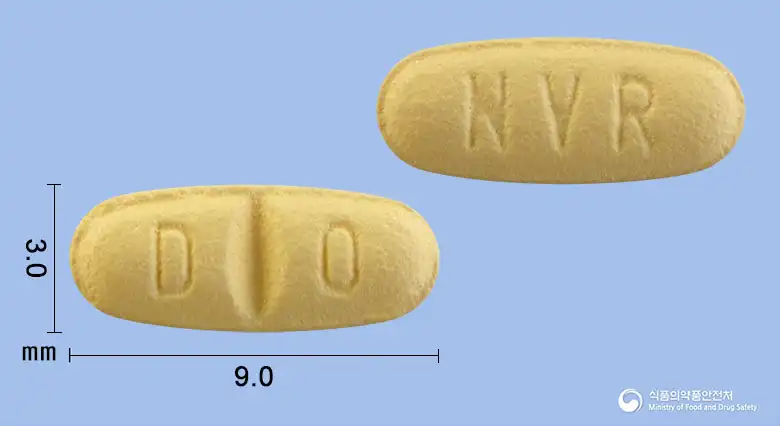
Valsartan
Prescription medication
Korea Sandos Co., Ltd.
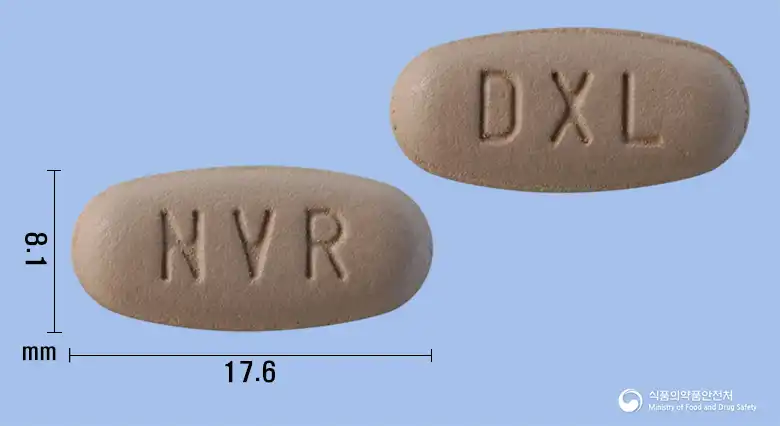
Valsartan 320mg
Tablet · Prescription medication
Novartis Korea Co., Ltd.
Even with the same ingredient, the dose and directions can differ by strength and dosage form. Talk to a doctor or pharmacist before switching from a medication you are already taking.
No questions yet.
For anything that needs medical judgment, consult a doctor or pharmacist.
This drug information is based on data provided by the Korea Ministry of Food and Drug Safety.
Consult a doctor or pharmacist for accurate dosage, administration, and usage instructions.