
 한국어
한국어 English
 日本語
日本語 中文(简体)
 Viewing now
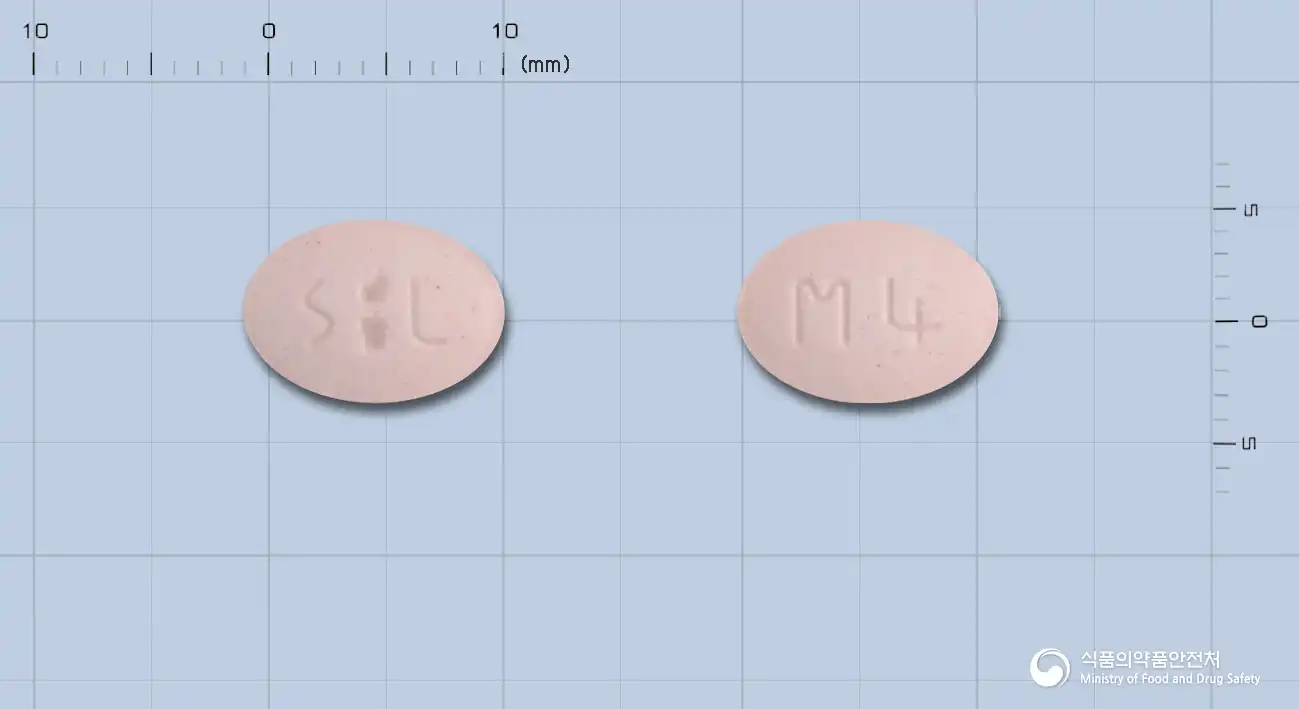
Montelukast Chewable Tablets 4 mg (Montelukast Sodium)
Montelukast Sodium 4.16mg
Chewable Tablet · Prescription medication
Samil Pharmaceutical Co., Ltd.
MFDS item code 200809819 · Notified 2008.09.25 · Insurance code 643902220
Prevention of asthma and relief of allergy rhinitis symptoms
This medication helps prevent asthma and provides continuous treatment. It is also used to relieve symptoms of seasonal and perennial allergic rhinitis.
Take 1 tablet once daily in the evening. For asthma patients, take in the evening, while for allergic rhinitis patients, the dosing time should be determined based on the patient's condition. This medication should be given 1 hour before or 2 hours after meals.
Children aged 2 to 5 years should chew and take 4 mg of montelukast once daily. This medication should be given 1 hour before or 2 hours after meals.
This medication contains the artificial sweetener aspartame, and should not be used by patients with phenylketonuria, a genetic disorder that requires limiting phenylalanine intake. It contains lactose, and individuals with genetic conditions such as galactose intolerance, Lapp lactase deficiency, or glucose-galactose malabsorption should not take it. This medication is used for asthma and allergic rhinitis patients, and while safety tests have been conducted across various age groups, some patients may experience side effects such as fatigue, headache, indigestion, rash, cough, and nasal congestion. Rarely, serious symptoms like eosinophilia and vasculitis may occur, so immediate medical attention should be sought if such symptoms appear. This medication is not intended for the treatment of acute asthma attacks, and a rescue inhaler must be carried in case of asthma exacerbation. Additionally, patients who have a hypersensitivity to aspirin or non-steroidal anti-inflammatory drugs should refrain from using such medications while taking this drug. During pregnancy or breastfeeding, the use of this medication should only be done after consulting with a doctor and only when necessary, and caution should be used when administering to children and the elderly. In the case of overdose, there are no specific antidotes, so general treatment and observation are necessary. As this medication is sensitive to light, it should be taken immediately after opening and kept out of the reach of children. This medication should be taken regularly, and even if symptoms are absent, it should be continued as directed by a doctor. If mood changes or neuropsychiatric symptoms occur during use, the doctor should be notified immediately. Finally, inform the patient about the phenylalanine content in aspartame contained in this medication so that patients with phenylketonuria can avoid it.
Hives, severe swelling (edema), chest tightness, difficulty breathing, cold sweats, pallor, severe rash accompanied by high fever, blisters, skin peeling, pain in mucous membranes of mouth/eyes, shortness of breath or difficulty breathing, asthma attack, respiratory abnormalities accompanied by cough and fever, jaundice (yellowing of the skin or eyes), severe drowsiness throughout the body, sudden and severe headache, thunderclap headache, seizures, altered consciousness, vision disturbances, paralysis, urination difficulties
Not everyone experiences these, and they can vary from person to person.
This medication may degrade due to air, moisture, and light; therefore, it must be stored in a sealed container. Additionally, it should be stored at room temperature, ideally between 1 to 30 degrees Celsius, without extremes of heat or cold.
Pink, oval-shaped chewable tablets that are convex on both sides
7 tablets/blister X 4
Even with the same ingredient, strength, dosage form and how it is taken can differ.
Viewing nowMontelukast Sodium 4.16mg
Chewable Tablet · Prescription medication
Samil Pharmaceutical Co., Ltd.
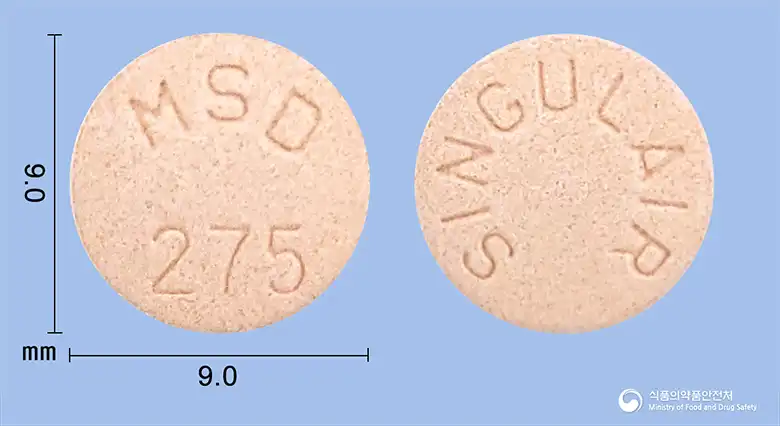
Montelukast Sodium 5.2mg
Chewable Tablet · Prescription medication
Korea Organon Co., Ltd.
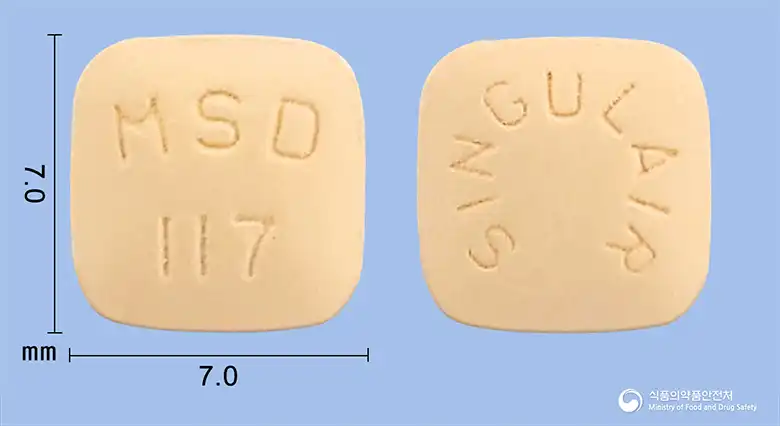
Montelukast Sodium 10.4mg
Tablet · Prescription medication
Korea Organon Co., Ltd.
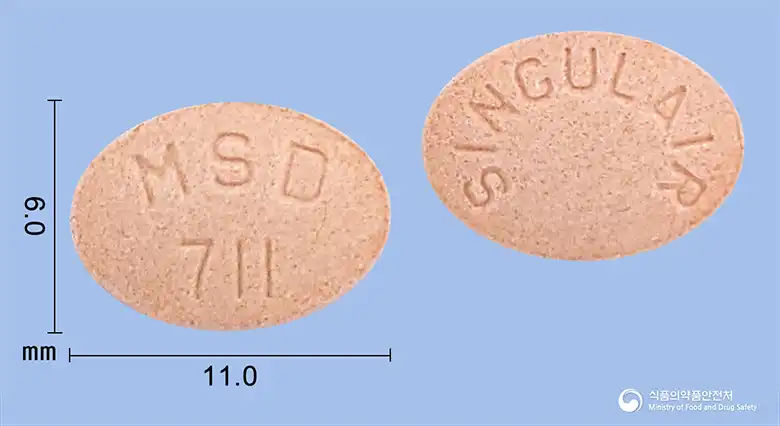
Montelukast Sodium 4.16mg
Chewable Tablet · Prescription medication
Korea Organon Co., Ltd.
Montelukast Sodium 4.16mg
Prescription medication
Korea Organon Co., Ltd.
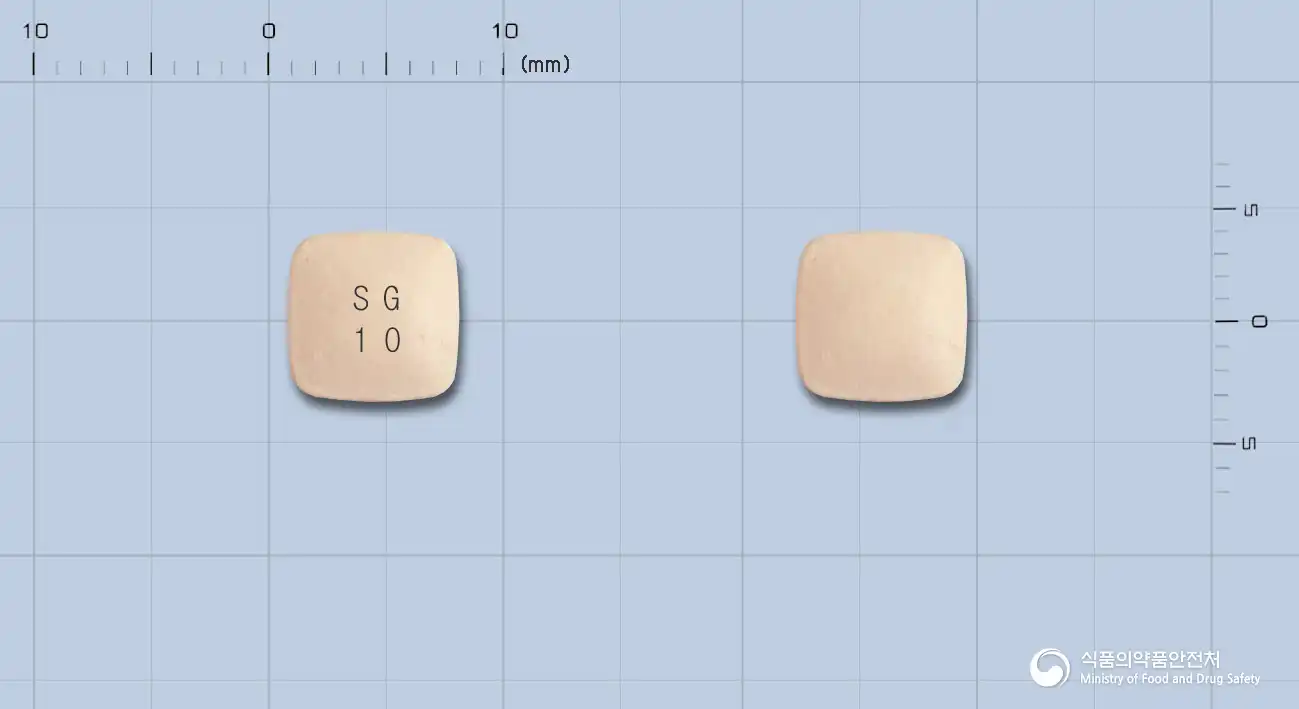
Montelukast Sodium 10.4mg
Tablet · Prescription medication
JW Pharmaceutical Co., Ltd.
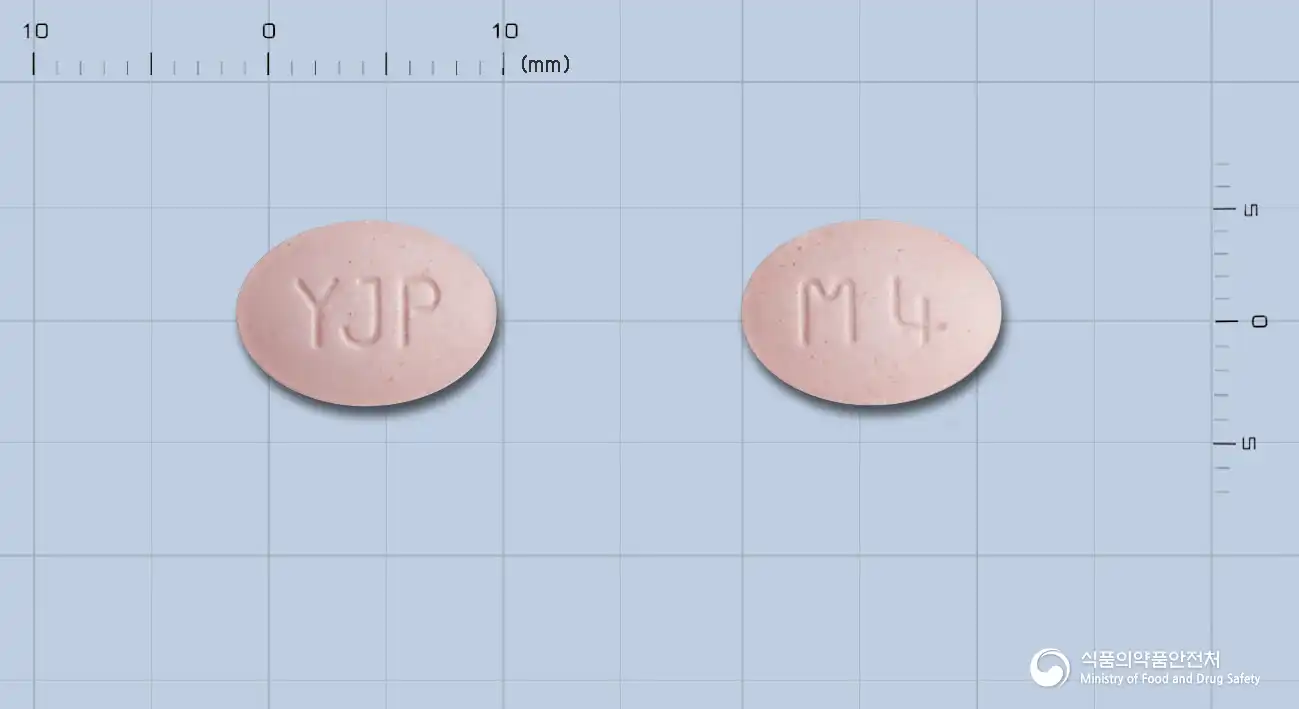
Montelukast Sodium 4.16mg
Chewable Tablet · Prescription medication
Youngjin Pharmaceutical Co., Ltd.
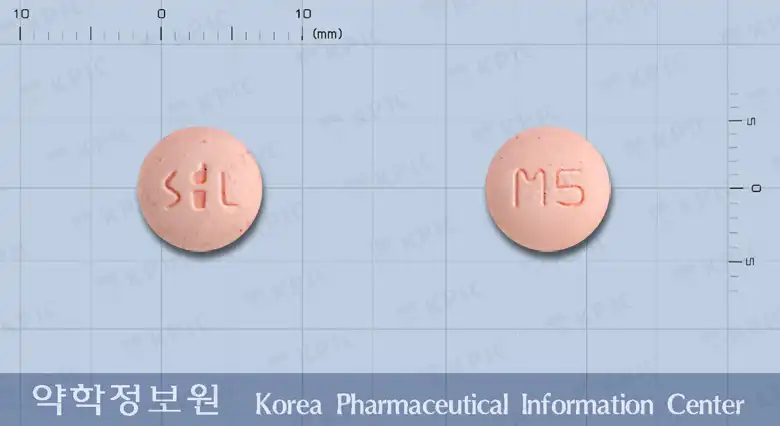
Montelukast Sodium 5.2mg
Chewable Tablet · Prescription medication
Samil Pharmaceutical Co., Ltd.
Even with the same ingredient, the dose and directions can differ by strength and dosage form. Talk to a doctor or pharmacist before switching from a medication you are already taking.
No questions yet.
For anything that needs medical judgment, consult a doctor or pharmacist.
This drug information is based on data provided by the Korea Ministry of Food and Drug Safety.
Consult a doctor or pharmacist for accurate dosage, administration, and usage instructions.