
 한국어
 English
 日本語
 中文(简体)
 Viewing now
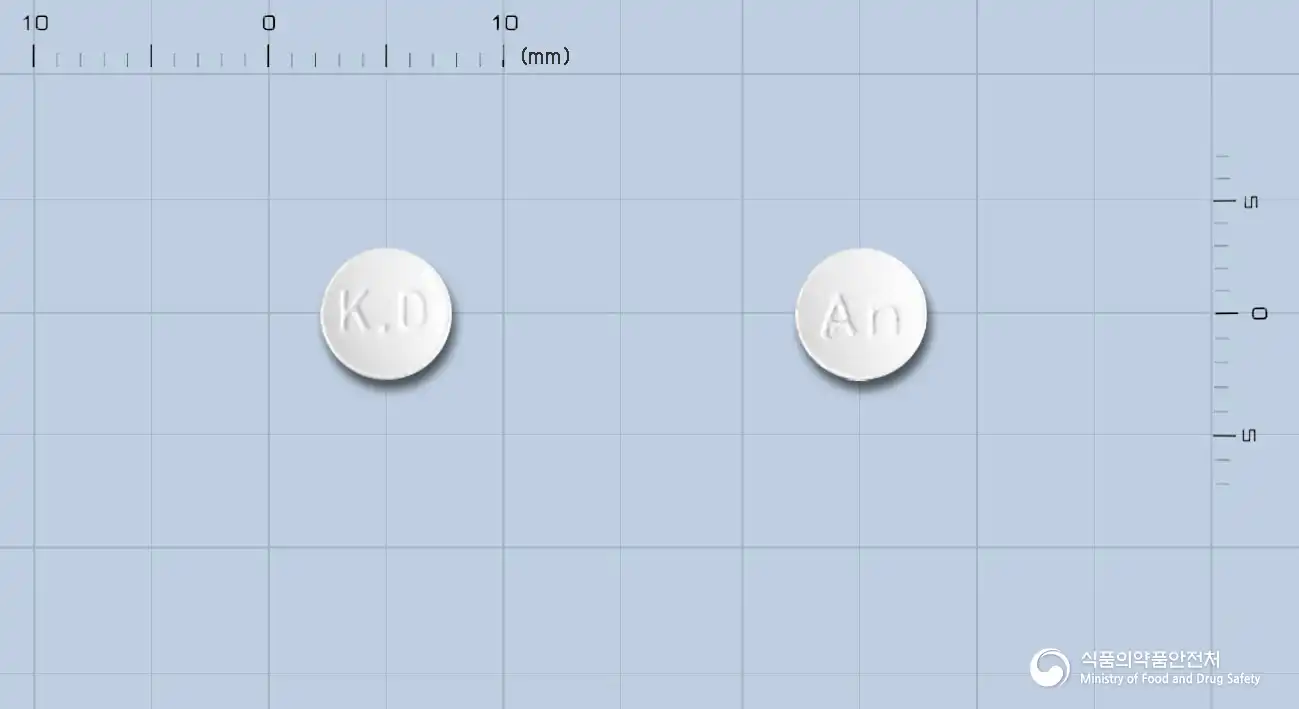
ADEX Tablet (Anastrozole)
Anastrozole 1mg
Tablet · Prescription medication
Kwangdong Pharmaceutical Co., Ltd.
MFDS item code 200808866 · Notified 2008.08.20 · Insurance code 641804140
Treatment of advanced breast cancer in postmenopausal women and adjuvant treatment of hormone receptor-positive early breast cancer
This medication is used for the treatment of hormone receptor-positive metastatic breast cancer in postmenopausal women. However, its efficacy has not been established in patients who show no clinical response after tamoxifen therapy and are estrogen receptor-negative. Additionally, it is effectively used as adjuvant treatment in early breast cancer patients after 2-3 years of tamoxifen therapy. This drug aids in the treatment of breast cancer in hormone receptor-positive postmenopausal women.
Adults: The recommended dose of anastrozole is 1 mg orally once daily. Patients with renal impairment: No dose adjustment is necessary in patients with mild or moderate renal impairment. Do not administer this drug to patients with severe renal impairment (creatinine clearance of 30 mL/min or less). Patients with hepatic impairment: No dose adjustment is necessary in patients with mild hepatic impairment. Do not administer this drug to patients with moderate or severe hepatic disease.
Do not administer to children 18 years of age or younger.
This medicine should not be used in premenopausal women as its safety and efficacy have not been sufficiently established. Menopausal status must be confirmed through a blood test if it is uncertain. Caution is necessary in patients with moderate to severe liver impairment or significantly reduced kidney function, as this medication has not been tested in them. This medication can lower estrogen levels in the body, potentially decreasing bone density and increasing the risk of fractures. Patients with osteoporosis or high risk should undergo regular bone density testing before and during treatment, and thorough prevention and treatment of osteoporosis should be administered. Combination with certain hormone therapies has not been established for safety and efficacy, so they should not be used together. Women who are pregnant or may become pregnant, as well as nursing mothers, should not take this medication. Those with allergies to this drug or its components should also avoid using it. Patients with certain genetic disorders, such as lactose intolerance or lactase deficiency, should also not take this medication. This drug is primarily used in postmenopausal breast cancer patients, and common side effects may include hot flashes, fatigue, joint pain, headaches, nausea, etc. If side effects occur, consult with healthcare professionals for appropriate action. This medication may also raise blood cholesterol levels, necessitating regular blood tests. Caution should be exercised when driving or operating machinery if fatigue or confusion symptoms occur. In cases of overdose, as there is no specific antidote, seek immediate medical attention for symptom-based treatment. Keep this medication out of the reach of children and store it in its original container to maintain its quality. Safety and efficacy have not been established for pediatric patients under 18 years of age, and it is not recommended for them. Elderly patients can use it, but close monitoring of treatment efficacy and side effects is required. During treatment with this drug, follow-up and monitoring for symptoms such as liver dysfunction, pulmonary disease, thrombosis, etc., are necessary.
Not everyone experiences these, and they can vary from person to person.
This medication should be stored in a tightly sealed container that is well-ventilated, and it is important to maintain a temperature below 30 degrees Celsius. Proper storage will help maintain the medication's efficacy for an extended period.
White round film-coated tablet
28 tablets (14 tablets/PTP*2)
Even with the same ingredient, strength, dosage form and how it is taken can differ.
Viewing nowAnastrozole 1mg
Tablet · Prescription medication
Kwangdong Pharmaceutical Co., Ltd.
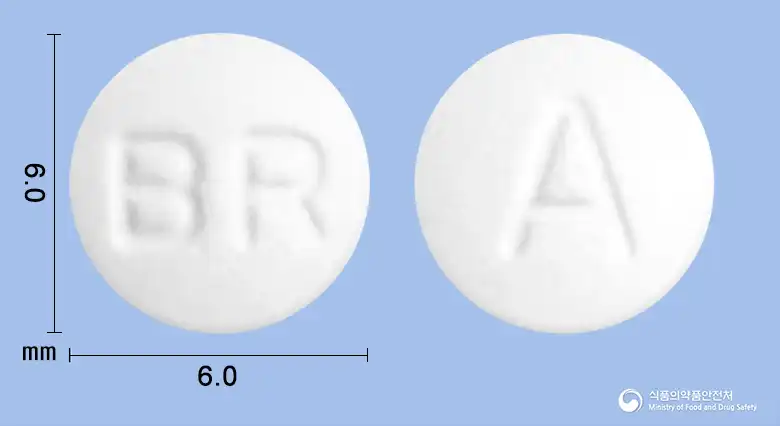
Anastrozole 1mg
Tablet · Prescription medication
Boryung Pharmaceutical Co., Ltd.
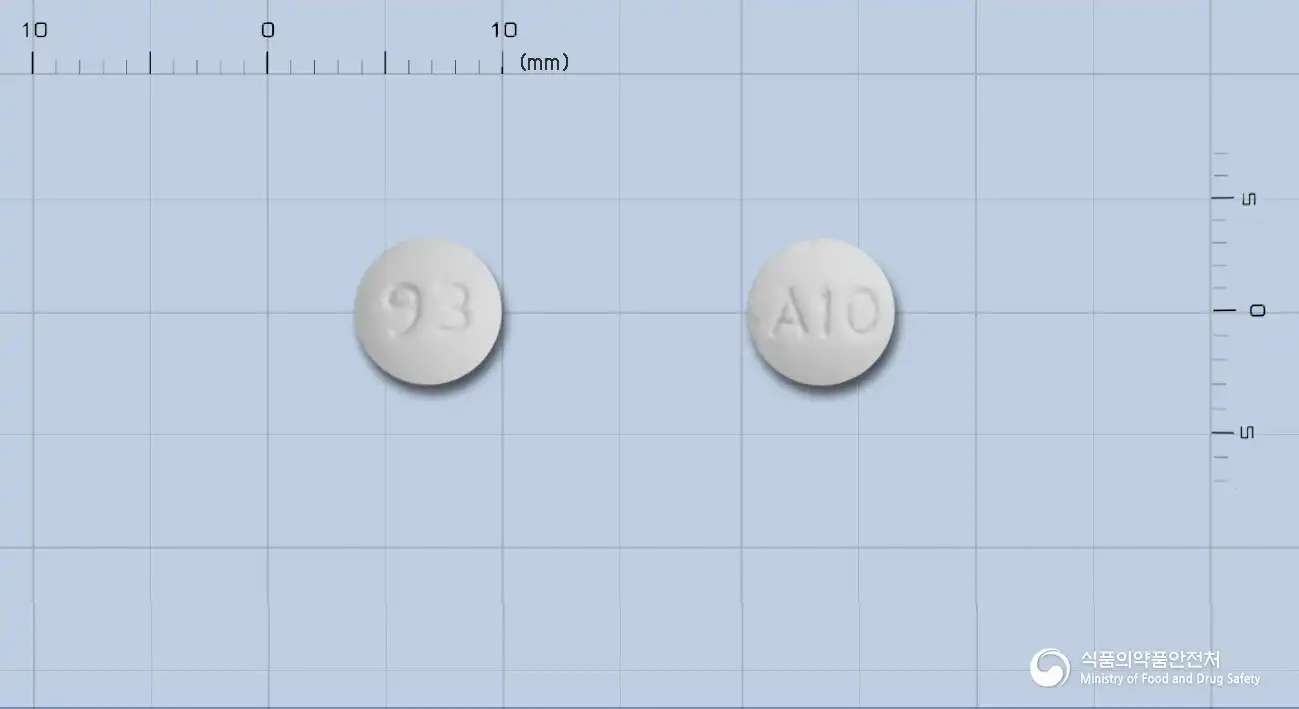
Anastrozole 1mg
Tablet · Prescription medication
HanDoc Teva Co., Ltd.
Anastrozole
Prescription medication
Jeil Pharmaceutical Co., Ltd.
Even with the same ingredient, the dose and directions can differ by strength and dosage form. Talk to a doctor or pharmacist before switching from a medication you are already taking.
No questions yet.
For anything that needs medical judgment, consult a doctor or pharmacist.
This drug information is based on data provided by the Korea Ministry of Food and Drug Safety.
Consult a doctor or pharmacist for accurate dosage, administration, and usage instructions.