
 한국어
한국어 English
 日本語
日本語 中文(简体)
 Viewing now
Glucophage 1000 mg (Metformin Hydrochloride)
Metformin Hydrochloride 1000mg
Tablet · Prescription medication
Merck Co., Ltd.
MFDS item code 200807809 · Notified 2008.07.15 · Insurance code 661700530
Improvement of type 2 diabetes (blood sugar control)
This medication is used in patients with type 2 diabetes who cannot control blood sugar levels with diet and exercise alone, especially in overweight adult patients. It can also be used alone or in conjunction with insulin in children and adolescents aged 10 years and older to assist in blood sugar management. In adults, it can be combined with other oral blood sugar-lowering agents or insulin, providing various treatment options. This medication is effective in improving blood sugar control for diabetes management.
The dosing regimen should be determined based on individual drug effect and tolerance, and should not exceed the maximum daily dose. Initiate treatment at a low dose of 500 mg 2-3 times daily with meals. Gradually increase the dose by 500 mg weekly, and if dosing up to 2000 mg is required, it should be administered in two divided doses in the morning and evening. If exceeding 2000 mg, it should be administered three times daily with meals, with a maximum of 2550 mg.
Children aged 10 years and older and adolescents should take 500 mg once daily with meals or after meals. Blood sugar levels should be measured after one week to adjust the dosage, and gradual increases in dosage can alleviate gastrointestinal side effects.
This medication can cause a serious side effect known as lactic acidosis; therefore, it should not be administered to patients with moderate to severe renal impairment or those in acute conditions such as acute infection or heart failure. Additionally, the use of this medication should be temporarily discontinued before and after examination with iodinated radiocontrast agents, and it should only be restarted after renal function has returned to normal. Avoid use in patients with hypersensitivity to this drug, type 1 diabetes, diabetic ketoacidosis, severe infection, severe trauma, or liver dysfunction. Patients with irregular meals or excessive exercise, or those taking this medication in combination with other drugs should be cautious due to the risk of lactic acidosis and hypoglycemia. Gastrointestinal symptoms such as diarrhea, nausea, and vomiting may occur at the start of treatment, but these are usually temporary and can be alleviated by taking the medication with meals or by gradually increasing the dosage. This medication can induce vitamin B12 deficiency, making it advisable to regularly check serum vitamin B12 levels. Hypoglycemia is generally rare when used alone, but should be carefully monitored in conjunction with other blood sugar-lowering agents or in patients with poor nutritional status. This medication is excreted via the kidneys, so regular renal function tests should be conducted; dosage adjustment or discontinuation may be necessary in cases of renal impairment. During pregnancy, as it crosses the placenta, it should not be used in cases of placental insufficiency or preeclampsia risk, and patients planning to become pregnant should consult a physician. This medication is secreted in breast milk during lactation, so careful consideration must be given to whether to continue breastfeeding or stop medication. Elderly patients may have a higher risk of renal function decline and should have regular renal function tests, taking care not to exceed the maximum dose. In case of overdose, the drug can be removed via hemodialysis, so seek immediate medical attention if an overdose is suspected. Finally, this medication can interact with various drugs, so inform your physician or pharmacist if you are taking other medications and monitor closely. Keep this drug out of reach of children and do not transfer it to other containers for safety.
Gastrointestinal symptoms (diarrhea, nausea, vomiting, abdominal distension, loss of appetite, indigestion, constipation, abdominal pain), vitamin B12 deficiency, metallic taste, erythema, itching, rash, anemia, decreased white blood cells, decreased platelets, liver function abnormalities, hypoglycemia
Not everyone experiences these, and they can vary from person to person.
This medication should be stored in a tightly closed container to prevent air or moisture from entering, and it is recommended to maintain the storage temperature between 1 and 30 degrees Celsius at room temperature. Proper storage helps to maintain the drug's effectiveness over time.
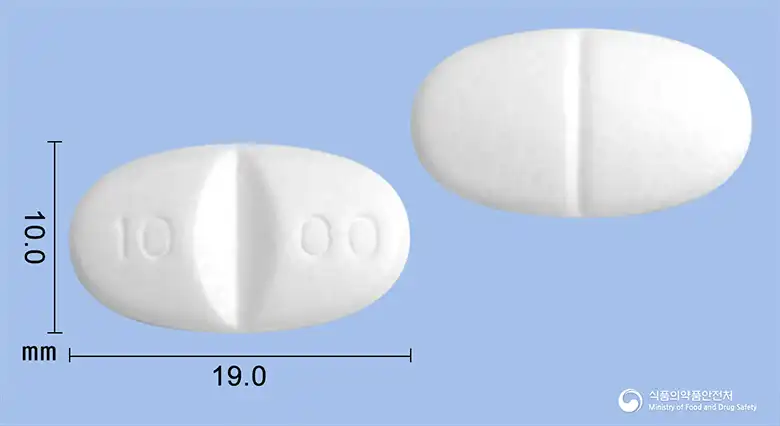
A white, oval, biconvex film-coated tablet imprinted with '1000' on one side. It has a scored line on both sides for easy splitting.
60 tablets (15 tablets/PTP packaging x 4)
Even with the same ingredient, strength, dosage form and how it is taken can differ.
Viewing nowMetformin Hydrochloride 1000mg
Tablet · Prescription medication
Merck Co., Ltd.
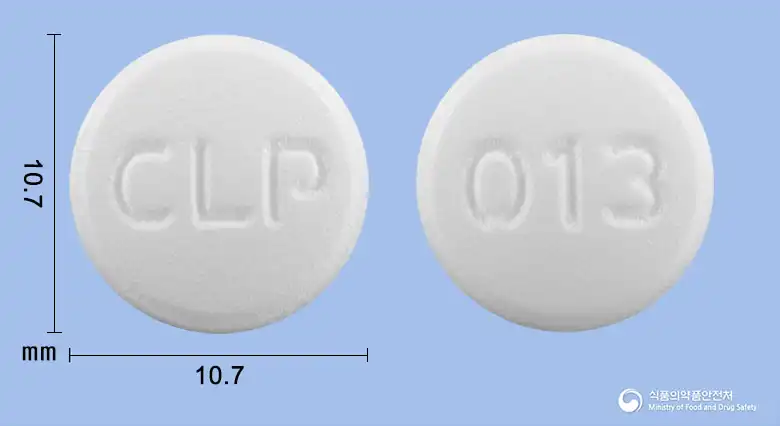
Metformin Hydrochloride 500mg
Tablet · Prescription medication
(Celltrion Pharmaceuticals)
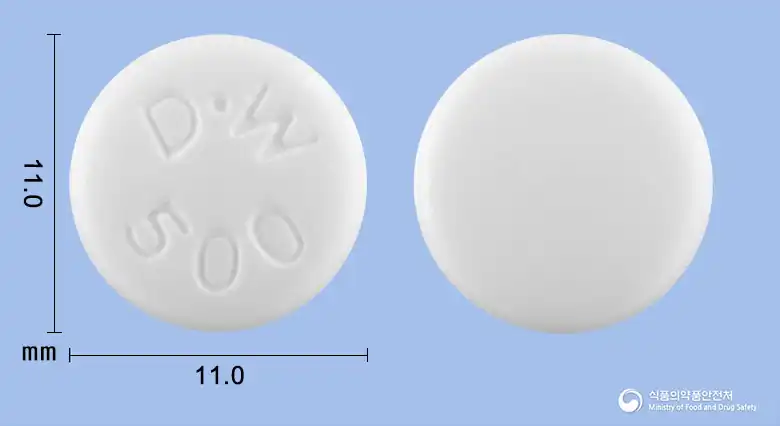
Metformin Hydrochloride 500mg
Tablet · Prescription medication
(Daewoong Pharmaceutical)
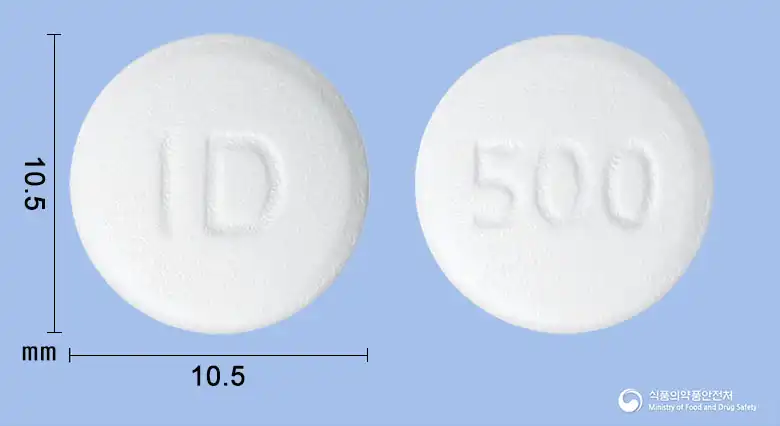
Metformin Hydrochloride 500mg
Tablet · Prescription medication
(Ildong Pharmaceutical Co., Ltd.)
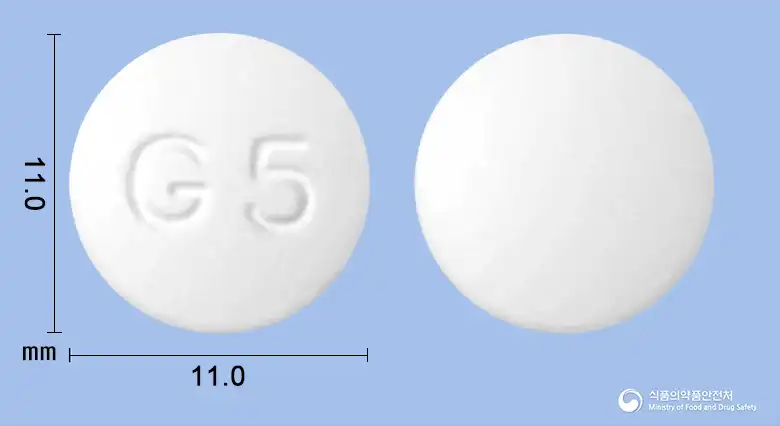
Metformin Hydrochloride 500mg
Tablet · Prescription medication
(Ilseong IS Co., Ltd.)
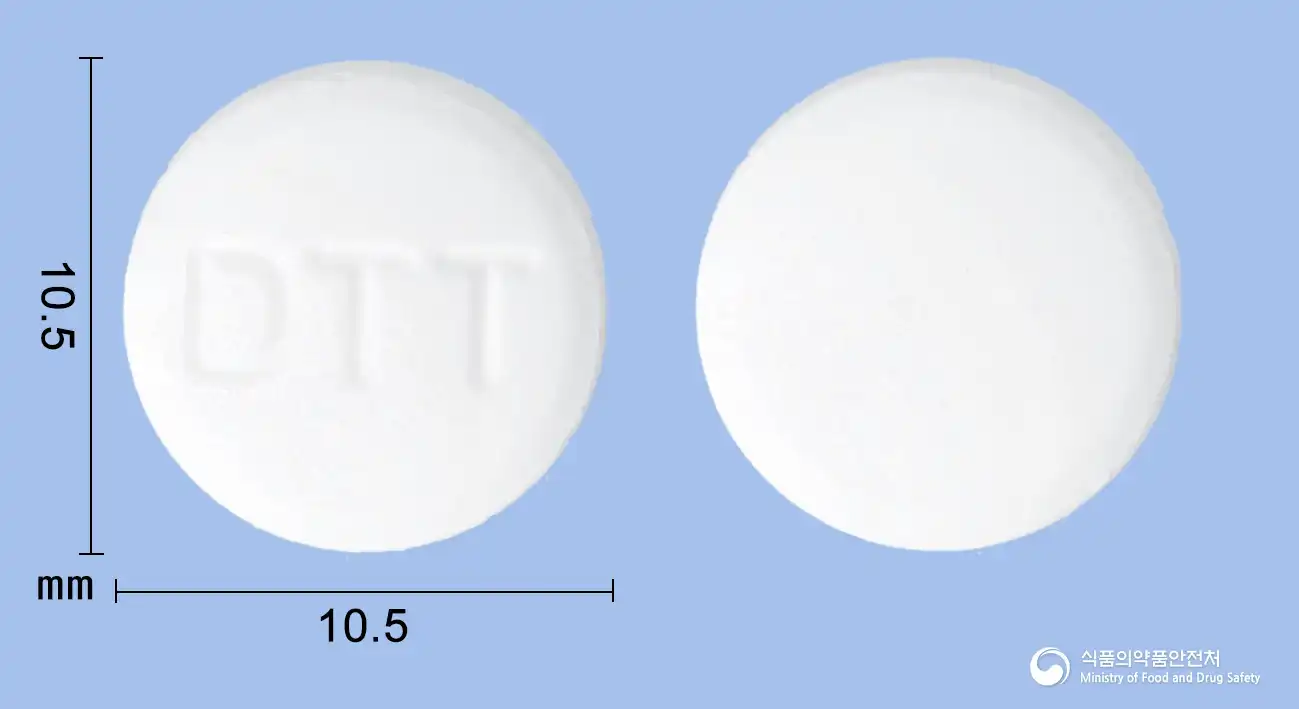
Metformin Hydrochloride 500mg
Tablet · Prescription medication
(Kyungdong Pharmaceutical Co., Ltd.)
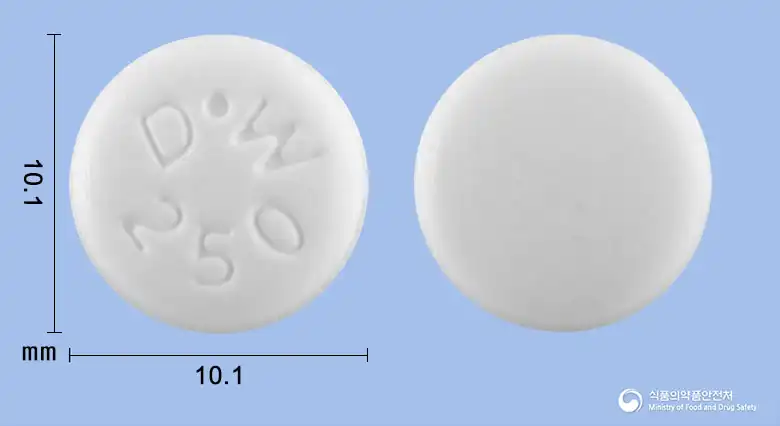
Metformin Hydrochloride 250mg
Tablet · Prescription medication
(Daewoong Pharmaceutical)

Metformin Hydrochloride 500mg
Tablet · Prescription medication
(Youngpoong Pharmaceutical Co., Ltd.)
Even with the same ingredient, the dose and directions can differ by strength and dosage form. Talk to a doctor or pharmacist before switching from a medication you are already taking.
No questions yet.
For anything that needs medical judgment, consult a doctor or pharmacist.
This drug information is based on data provided by the Korea Ministry of Food and Drug Safety.
Consult a doctor or pharmacist for accurate dosage, administration, and usage instructions.