
 한국어
 English
 日本語
 中文(简体)
 Viewing nowCombination
Melian Tablet
Gestodene 0.075mg · Ethinyl Estradiol 0.02mg
OTC medication · Combination
Dong-A Pharmaceutical Co., Ltd.
MFDS item code 200807207 · Notified 2008.06.27
Contraception
This medication is used for contraception to prevent pregnancy.
Take 1 tablet daily for 21 days in the order indicated, followed by a 7-day tablet-free interval. It is preferable to take the tablet at approximately the same time each day, if possible. Menstruation occurs during the 7-day tablet-free interval and usually begins within 2~3 days after the last tablet is taken. Menstruation may not have ended before you start a new pack. If you continue taking this medicine, start taking tablets from a new pack after the 7-day tablet-free interval. 1. When starting for the first time 1) If you have not used hormonal contraceptives in the previous month Start taking the medicine on the first day of menstruation. If this is not possible, you may start within 5 days of the start of menstruation; however, complete contraceptive protection cannot be expected, so you must use an additional nonhormonal contraceptive method (a method other than the rhythm method or basal body temperature method, such as a contraceptive device) during the first 7 days of taking the medicine. If more than 5 days have passed since the start of menstruation, wait until your next menstrual period before starting. Also, consider the possibility that ovulation or pregnancy may already have occurred before you start taking the medicine. 2) If switching from a combined hormonal contraceptive (combined oral contraceptive), vaginal ring, or transdermal patch Start taking this medicine the day after taking the last tablet of your previous contraceptive (with no tablet-free interval). However, if your previous contraceptive includes a tablet-free interval or placebo tablets that do not contain active ingredients, start taking this medicine no later than the day after the tablet-free interval ends or the day after taking all the placebo tablets. If you have used a vaginal ring or transdermal patch, preferably start taking this medicine on the day the last ring or patch in a cycle pack is removed, and no later than the time when the next use is scheduled. 3) If switching from a progestogen-only contraceptive You can stop taking the mini-pill (progestogen-only oral contraceptive) and start taking this medicine at any time. If you are using an implant or intrauterine device, start taking this medicine on the day it is removed; if you are using an injection, start taking it when your next injection is due. In all cases, use a diaphragm method of contraception for the first 7 days after starting this medicine. 2. If you forget to take a dose 1) If less than 12 hours have passed since the time you were due to take the tablet Contraceptive protection is maintained. Take 1 tablet as soon as you remember, and take the next tablet at your usual time. 2) If more than 12 hours have passed since the time you were due to take the tablet Contraceptive protection may be reduced. Follow the instructions below according to these two principles. 1. The period without taking tablets must not exceed 7 days. 2. 7 consecutive days of taking the medicine are required for adequate suppression of the hypothalamic-pituitary-ovarian axis. ● Week 1 Take the last missed tablet as soon as you remember. This may mean taking 2 tablets at once. Then take the next tablet at your usual time. Use a diaphragm method of contraception, such as a condom, for the first 7 days after taking the medicine. If you had sexual intercourse during the previous 7 days, there is a possibility of pregnancy. The more tablets you have missed and the closer the missed dose is to the usual tablet-free interval, the greater the risk of pregnancy. ● Week 2 Take the last missed tablet as soon as you remember. This may mean taking 2 tablets at once. Then take the next tablet at your usual time. If you took this medicine continuously for 7 days before missing the first tablet, no additional contraceptive method is necessary. Otherwise, or if you missed more than one tablet, use additional contraception for the first 7 days after taking the medicine. ● Week 3 Because the tablet-free interval is approaching, the risk of reduced contraceptive protection is higher. Following the instructions below can prevent a reduction in contraceptive protection. If you took this medicine continuously for 7 days before missing the first tablet, you do not need to use an additional contraceptive method if you choose either of the following two options. Otherwise, follow the first option and use an additional contraceptive method for the first 7 days. ① Take the last missed tablet as soon as you remember. This may mean taking 2 tablets at once. Then take the next tablet at your usual time. As soon as you finish the current pack, start the next pack without a tablet-free interval. Withdrawal bleeding may not occur until you have finished taking the tablets in the second pack, but breakthrough bleeding or spotting may occur while taking the tablets. ② Stop taking tablets from the current pack and have a tablet-free interval of 7 days, including the day you missed a tablet, then start taking tablets from a new pack. If withdrawal bleeding does not occur during the first usual tablet-free interval after you missed a tablet, consider the possibility of pregnancy. 3. If you have vomiting or gastrointestinal problems If you have severe gastrointestinal problems, absorption of this medicine may be incomplete, so you should use an additional contraceptive method. If you vomit within 3-4 hours after taking a tablet, consider it as not having been taken and follow the instructions in "2. If you forget to take a dose." If you do not want to change your regular dosing schedule, you can take the extra tablet needed from a new pack. 4. If you have unexpected bleeding Irregular bleeding (spotting or breakthrough bleeding) may occur, mainly during the first 3 months, but continue taking the medicine in this case. The symptoms usually disappear after 3 months, but consult your doctor if bleeding continues or becomes heavier. 5. Taking the medicine after delivery or abortion 1) After an abortion during the first 3 months of pregnancy You can start taking the medicine immediately. In this case, no additional contraceptive method is necessary. 2) After an abortion between 4 and 6 months of pregnancy or after delivery You can start taking the medicine 21-28 days after an abortion or delivery. If you start later, use a nonhormonal contraceptive method for the first 7 days after starting the medicine. However, if you have already had sexual intercourse, confirm whether you are pregnant before starting a combined oral contraceptive, or wait until normal menstruation begins and start taking the medicine on the first day of menstruation. 6. If you want to change or extend your cycle To extend your cycle, take a new pack of this medicine in order without a tablet-free interval. You can extend your cycle for as long as you wish by continuing to take tablets from the second pack. You may experience breakthrough bleeding or spotting during the extended period. Then resume taking this medicine as usual after a 7-day tablet-free interval. To change your cycle to a day other than your current schedule, you can shorten the upcoming tablet-free interval by the desired number of days. The shorter the tablet-free interval, the greater the risk that withdrawal bleeding will not occur and that you will experience breakthrough bleeding or spotting while taking tablets from the second pack.
This medication can significantly increase the risk of cardiovascular side effects, especially thrombosis, in women who smoke, so smoking should be avoided. In particular, female smokers over the age of 35 should not take this medication. This medication should not be used in individuals with certain diseases or conditions, such as estrogen-dependent tumors, thrombosis, cardiovascular diseases, liver dysfunction, or during pregnancy. Additionally, patients with lactose intolerance or certain genetic metabolic disorders should avoid this medication. Women over 40 years old, patients with epilepsy, those with a family history of breast cancer, or a history of depression should use this medication with caution. Various adverse reactions such as headaches, nausea, weight changes, depression, and skin rashes may occur; if symptoms persist or worsen, consult a healthcare professional. It is important to have regular check-ups for blood pressure, breasts, and uterus before and during use, especially if there is high risk of thrombosis. Use should be discontinued or discussed with a doctor before and after surgery, during periods of immobility, or if there is a family history of thrombosis. This medication should not be taken by pregnant women, those who may become pregnant, or breastfeeding mothers, and use should be discontinued immediately if pregnancy is confirmed. It may interact with other medications, so if you are taking any, you must inform your healthcare provider, especially when taken with medications that affect liver metabolism, additional contraceptive methods should be used. This medication does not prevent HIV or sexually transmitted diseases, so additional protective measures should be followed. In case of overdose, symptoms such as nausea, vomiting, and drowsiness may occur, and there is no specific antidote, so treatment based on symptoms is required. This medication should be stored in a sealed container to prevent exposure to air or moisture, and it is advisable not to transfer it to another container.
Contact lens intolerance, nausea, abdominal pain, vomiting, diarrhea, hypersensitivity reaction, weight gain, fluid retention, weight loss, headache, migraine, depressive mood, mood changes, decreased libido, increased libido, breast pain, breast tenderness, breast enlargement, vaginal discharge, breast secretion, rash, urticaria, nodular erythema, polymorphic erythema, thrombotic venous inflammation, thrombosis, arterial thromboembolism, stroke, cerebral hemorrhage, cerebral thrombosis, myocardial infarction, pulmonary embolism, increased blood pressure, hypertension, worsening of varicose veins, transient ischemic attack, abnormal uterine bleeding, changes in menstrual volume, amenorrhea, changes in vaginal discharge, increase in uterine fibroid size, cervical erosion, vaginal candidiasis, vaginitis, premenstrual syndrome, hemolytic uremic syndrome, dysmenorrhea, cervical cancer, breast tension, breast enlargement, galactorrhea, benign breast disease, abdominal bloating, abdominal cramps, gastrointestinal disorders, bile secretion, non-jaundice hepatitis, cholestatic jaundice, itching, malignant liver tumor, benign liver tumor, liver dysfunction, exacerbation of porphyria, chronic inflammatory bowel disease, ulcerative colitis, pancreatitis, hepatocellular tumor, cholelithiasis, worsening of gallbladder disease, depression, dizziness, nervousness, exacerbation of Chorea, epilepsy, decreased perception ability, exhaustion, control disorder, melasma, persistent melasma, acne, exacerbation of systemic lupus erythematosus, hemorrhagic rash, allergic rash, edema, itching, seborrhea, alopecia, herpes gestationis, visual impairment, corneal refractive changes, retinal thrombosis, optic neuritis, auditory impairment related to otosclerosis, sodium retention, change in glycemic control, peripheral insulin resistance effect, diabetes, hypertriglyceridemia, hypercholesterolemia, change in appetite, language disorder, prolactin-secreting pituitary tumor, change in serum lipid levels, decrease in serum folate levels, anaphylaxis, anaphylactoid reaction, worsening of angioedema symptoms, nausea, chest tightness, dizziness, drowsiness, fatigue, thrombocytopenic purpura
Not everyone experiences these, and they can vary from person to person.
This medication may interact with direct-acting antiviral agents for hepatitis C, phenytoin, barbiturates, primidone, carbamazepine, rifampicin, lupinavir, aprepitant, bosentan, efavirenz, oxcarbazepine, topiramate, felbamate, griseofulvin, St. John's wort, beta-blockers (such as metoprolol), benzodiazepines, cyclosporine, ritonavir, modafinil, flunarizine, atorvastatin, rosuvastatin.
Do not take this medication with grapefruit juice.
This medication should be stored in a sealed container to prevent air or moisture from entering, and the storage temperature should be maintained at room temperature between 1 degree and 30 degrees Celsius. By storing it this way, the effectiveness of the medication can be well maintained and used safely.
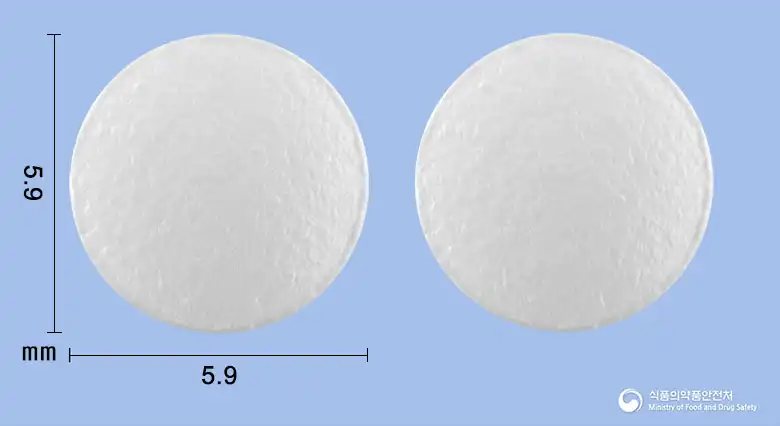
White round tablet
21 tablets/PTP
Even with the same ingredient, strength, dosage form and how it is taken can differ.
Viewing nowCombinationGestodene 0.075mg · Ethinyl Estradiol 0.02mg
OTC medication · Combination
Dong-A Pharmaceutical Co., Ltd.
 Combination
Gestodene 0.075mg · Ethinyl Estradiol 0.03mg
OTC medication · Combination
Pfizer Pharmaceuticals Korea Co., Ltd.
 Combination
Gestodene 0.075mg · Ethinyl Estradiol 0.03mg
OTC medication · Combination
Dong-A Pharmaceutical Co., Ltd.
 Combination
Ethinyl Estradiol 0.02mg · Gestodene 0.075mg
OTC medication · Combination
Green Cross Corporation
Gestodene 0.075mg · Ethinyl Estradiol 0.03mg
OTC medication · Combination
Dong-A Pharmaceutical Co., Ltd.
 Combination
Ethinyl Estradiol 0.015mg · Gestodene 0.06mg
Tablet · OTC medication · Combination
Green Cross Corp.
Gestodene 0.075mg · Ethinyl Estradiol 0.02mg
OTC medication · Combination
GL Pharma Co., Ltd.
Even with the same ingredient, the dose and directions can differ by strength and dosage form. Talk to a doctor or pharmacist before switching from a medication you are already taking.
No questions yet.
For anything that needs medical judgment, consult a doctor or pharmacist.
This drug information is based on data provided by the Korea Ministry of Food and Drug Safety.
Consult a doctor or pharmacist for accurate dosage, administration, and usage instructions.