
 한국어
 English
 日本語
 中文(简体)
Summary
- Main use
- Combination therapy for HIV-1 infection in adults and children aged 6 years and older weighing at least 25kg
- Who takes it
- Adults · Children
- Adult dose
- This drug should be prescribed by a physician experienced in the treatment of HIV infection. This drug must be administered in combination with other antiretroviral agents. Take 400 mg twice daily, regardless of meals. It is not recommended to chew, crush, or split this drug.
- Child dose
- Aged 6 years and older and weighing 25kg or more: Take 1 tablet of 400 mg twice daily
Ingredients
- Importer
- MSD KOREA Co., Ltd.
Efficacy & effects
Combination therapy for HIV-1 infection in adults and children aged 6 years and older weighing at least 25kg
View approved original textHide original text
This medication is used in combination with other antiretroviral agents to treat adults and pediatric patients aged 6 years and older with HIV-1 infection. It is administered in combination therapy to both adults and children weighing 25 kg or more, helping to effectively manage viral infection. This helps to protect the immune system and slow the progression of the disease. It is crucial to continue taking this medication as it plays an important role in the treatment of HIV-1 infected patients. This medication is used as part of HIV treatment.
How to take
Adult dose
This drug should be prescribed by a physician experienced in the treatment of HIV infection. This drug must be administered in combination with other antiretroviral agents. Take 400 mg twice daily, regardless of meals. It is not recommended to chew, crush, or split this drug.
Child dose
Aged 6 years and older and weighing 25kg or more: Take 1 tablet of 400 mg twice daily
Precautions
This medication may cause serious skin reactions and hypersensitivity. If symptoms such as rash, fever, malaise, myalgia, or oral lesions occur, stop taking the medication immediately and consult a doctor. An excessive immune response known as immune reconstitution syndrome may occur; therefore, it is necessary to be cautious for symptoms of inflammation or autoimmune diseases appearing during the early stage of antiretroviral combination therapy. As there may be interactions with other medications, dosage adjustments are necessary, especially when taken with drugs like rifampin, and it is not recommended to take antacids containing aluminum or magnesium at the same time. Patients with allergies to this medication or its components, as well as those with specific genetic metabolic disorders such as lactose intolerance, should not take this medication. For patients with severe liver or kidney dysfunction, dosage adjustments are not necessary, but the safety of this medication in patients with severe liver impairment has not been sufficiently studied, so caution is required. In cases of pregnancy or breastfeeding, the potential risks and benefits of this medication should be carefully considered, and breastfeeding is not recommended. This medication does not cure HIV infection, so it is essential to follow the doctor's instructions strictly during treatment and undergo regular check-ups. If a dose is missed, take it as soon as possible, but if it is close to the next dose time, skip the missed dose and do not take double doses. If serious side effects such as rash, fever, difficulty breathing, or liver dysfunction symptoms occur during the use of this medication, consult healthcare professionals immediately. Additionally, be sure to inform healthcare professionals about other medications or dietary supplements being taken along with this medication, and check for adverse reactions through regular health status and blood tests.
Side effects
Severe skin reactions, hypersensitivity reactions, rash, generalized malaise, fatigue, muscle and joint pain, blisters, oral lesions, conjunctivitis, facial edema, infections, eosinophilia, angioedema, immune reconstitution syndrome, autoimmune diseases, nausea, fatigue, headache, dizziness, insomnia, abdominal pain, gastritis, indigestion, vomiting, weakness, hepatitis, hypersensitivity, genital herpes, shingles, depression including suicidal thoughts and behaviors, nephrolithiasis, renal failure, myopathy, rhabdomyolysis, rash, thrombocytopenia, diarrhea, hepatic failure, cerebellar ataxia, Stevens-Johnson syndrome, drug-induced rash (DRESS syndrome), anxiety, paranoia, thrombocytopenia, pruritus, cough, upper respiratory tract infection, constipation, wet cough, rhinitis, gastrointestinal disturbances, hair loss, runny nose, increased serum creatinine, sensory loss, tuberculosis, musculoskeletal pain, increased frequency of urination, oropharyngeal pain, tonsillitis, Pneumocystis pneumonia, dermatitis, flushing, hyperkalemia, oral candidiasis, polyneuropathy, diabetes, urticaria, back pain, syphilis, tinea infection, edema, decreased appetite, neuralgia, allergic rhinitis, chills, gastroesophageal reflux disease, oral ulcer formation, enteritis, hemorrhoids, candidiasis, pain, increased conjugated bilirubin, anal genital warts, erythema, chest pain, folliculitis, liver abscess, hemoptysis, cytomegalovirus retinitis, seizures, hypertension, hyperventilation, dry mouth, localized edema, acute pyelonephritis, acute tonsillitis, basal cell carcinoma, memory impairment, cerebral infarction, stye, postherpetic neuralgia, arterial stenosis, hiccups, lymphadenitis, peripheral neuropathy, peripheral edema, taste disturbance, viral encephalitis, bacterial pneumonia, erectile dysfunction, tinea pedis, febrile neutropenia, bladder dysfunction, cataracts, leukopenia, pancytopenia, sinusitis, upper extremity mass, wounds, glossitis, delirium, onychomycosis, sleep disorders, esophagitis, myocarditis, malignant pulmonary neoplasm, dry eyes, benign prostatic hyperplasia, tinea versicolor, heat sensations, external ear disorder, synovial cyst, tinnitus, influenza, influenza-like illnesses, gonococcal urethritis, gum bleeding, gum pain, ectopic pregnancy, sneezing, hyponatremia, generalized pruritus, generalized edema, contact dermatitis, fungal esophagitis, acarodermatitis, toothache, nasal polyps, jaw pain, septic shock, pulmonary tuberculosis, pneumonia, uveitis, dermatophyte infection, skin papilloma, bloody stools, anal ulcer, anal abscess, elevated blood pressure, increased serum uric acid, dyspnea, aspiration pneumonia
Not everyone experiences these, and they can vary from person to person.
Storage
This medication should be stored in a tightly closed container that is well-ventilated, at room temperature between 1 and 30 degrees Celsius. Storing it this way helps maintain its effectiveness and prevents deterioration.
Appearance and packaging
Appearance
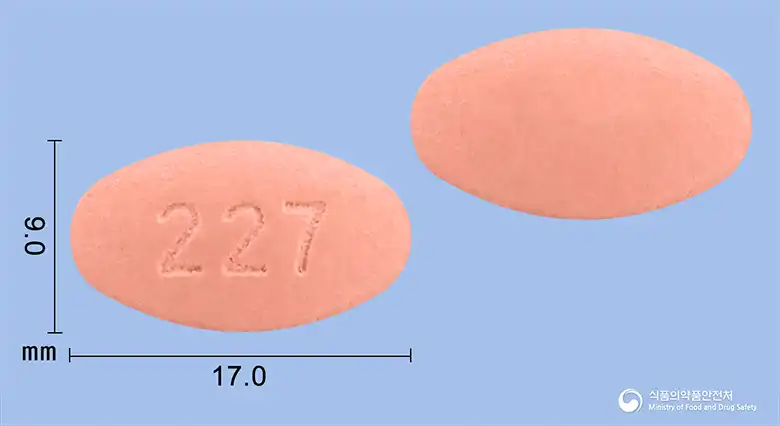
Pink oval film-coated tablet with '227' on one side
Package unit
60 tablets/bottle
Questions about this medicine
No questions yet.
For anything that needs medical judgment, consult a doctor or pharmacist.