
 한국어
 English
 日本語
 中文(简体)
 Viewing now
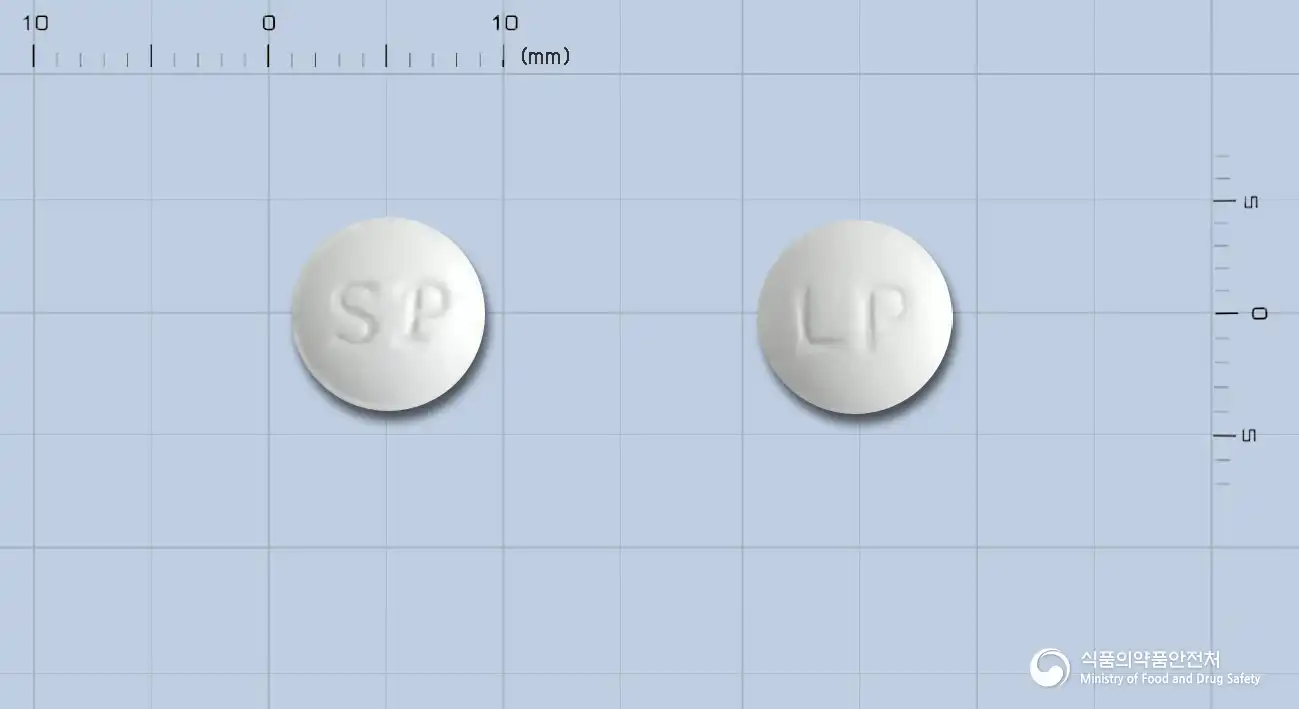
Repocin Tablet 100 mg (Levofloxacin)
Levofloxacin 100mg
Tablet · Prescription medication
Shinpoong Pharmaceutical Co., Ltd.
MFDS item code 200806028 · Notified 2008.05.30 · Insurance code 648506360
Treatment of infections of the respiratory tract, ear, nose and throat, oral cavity, genitourinary tract, skin, eyes, and digestive tract
This medication is used for the treatment of various infectious diseases ranging from complex skin and soft tissue infections caused by different bacteria to chronic bronchitis, pneumonia, acute pyelonephritis, and more. It is also effective against bacterial infections in multiple sites such as urinary tract infections, gonococcal and non-gonococcal urethritis, infections around the uterus and eyes, otitis media, and sinusitis. However, as a fluoroquinolone antibiotic, there is a risk of serious adverse reactions, so it should be used cautiously only when there are no alternative treatment options, especially in cases of acute bacterial sinusitis, exacerbation of chronic bronchitis and lung diseases, and uncomplicated urinary tract infections. This medication is widely used to treat various bacterial infections effectively improving the symptoms in patients.
The usual adult dose of levofloxacin is 100 mg orally 2~3 times daily. For patients with severe disease or an insufficient response, administer 200 mg of this medicine per dose, 3 times daily. Adjust the dose as appropriate according to age and symptoms.
This medication can cause issues such as tendonitis or tendon rupture, leading to pain or swelling. Additionally, symptoms of peripheral neuropathy or central nervous system abnormalities may manifest as dizziness, headache, confusion, and seizures. It should not be used in patients with myasthenia gravis as symptoms may worsen. This medication is only used for specific infections and should be administered only when there are no other treatment methods available to ensure safety. Caution is required with elderly patients, those with impaired renal function, and patients taking corticosteroids, as the risk of tendon rupture may increase. Severe allergic reactions such as rash, itching, difficulty breathing, and in severe cases, shock may occur, and use should be discontinued immediately if these symptoms appear. Neuropsychiatric side effects such as insomnia, anxiety, depression, hallucinations, and suicidal thoughts may present, and patients should consult a doctor if abnormal symptoms occur. Cardiovascular side effects such as palpitations or arrhythmias and QT interval prolongation have been reported, requiring cautious use in patients with heart diseases. This medication can affect liver and kidney function, and it is important to monitor related symptoms or test results. Blood disorders may occur, so treatment should be discontinued and a doctor's advice sought if symptoms include anemia or thrombocytopenia. Gastrointestinal side effects such as nausea, vomiting, and diarrhea may occur, and immediate treatment should be sought for severe diarrhea or abdominal pain. Muscle pain, joint pain, tendonitis, and muscle weakness may appear, particularly with severe myasthenia gravis patients who are at risk for worsening symptoms. Rarely, severe skin reactions such as Stevens-Johnson syndrome or toxic epidermal necrolysis may occur; these require immediate discontinuation if skin abnormalities appear. Photosensitivity reactions may occur, so strong sunlight or artificial UV exposure should be avoided. Patients should be cautious about symptoms such as dizziness or drowsiness when driving or operating machinery. This medication should not be administered to women who are pregnant or may become pregnant, breastfeeding mothers, or children and adolescents in their growth stages. This medication may interact with other drugs, particularly anticoagulants, diabetes medications, and antacids, requiring caution during concurrent use. Overdose may result in central nervous system symptoms and cardiac abnormalities, so immediate medical attention should be sought for appropriate treatment. It is crucial to consult a doctor or pharmacist immediately if any abnormal symptoms occur while taking this medication.
Tendinitis, tendon rupture, peripheral neuropathy, central nervous system effects, exacerbation of myasthenia gravis, shock, hypotension, respiratory distress, chest tightness, fatal hypersensitivity reactions, anaphylactic reactions, cardiovascular collapse, hypotensive shock, seizures, loss of consciousness, numbness, vascular edema, airway obstruction, urticaria, itching, tachycardia, dysphagia, severe skin reactions, hypersensitivity vasculitis, phototoxic reactions, insomnia, dizziness, headache, tremors, anxiety, depression, psychotic reactions, hallucinations, paranoia, nervousness, delirium, disorientation, attention deficit, nightmares, sleep disorders, thoughts of suicide, agitation, confusion, convulsions, visual impairment, hearing impairment, taste disorders, smell disorders, auditory hallucinations, mania, sensory dysfunction, sensory loss, sensory disorders, weakness, palpitations, QT interval prolongation, arrhythmias, Torsades de pointes, increased BUN, increased serum creatinine, acute renal failure, interstitial nephritis, elevated liver enzymes, acute liver necrosis, acute liver failure, severe hepatitis, liver dysfunction, jaundice, increased ALP, elevated γ-GTP, increased total bilirubin, leukopenia, anemia, decreased hemoglobin, decreased hematocrit, increased eosinophils, pancytopenia, anemia, hemolytic anemia, thrombocytopenia, agranulocytosis, bone marrow failure, nausea, vomiting, abdominal discomfort, diarrhea, loss of appetite, abdominal pain, abdominal distension, dyspepsia, stomatitis, glossitis, thirst, constipation, membranous colitis, colitis with bloody stools, myalgia, weakness, elevated CPK, increased serum myoglobin, increased urinary myoglobin, rhabdomyolysis, arthralgia, tendinitis, ganglionic muscle cramps, muscle weakness, Stevens-Johnson syndrome, toxic epidermal necrolysis, eosinophilia, systemic drug reactions, skin hyperpigmentation, fever, cough, abnormal chest X-ray, interstitial pneumonia, allergic pneumonia, glucose metabolism disorders, vaginitis, insomnia, bloating, itching, rash, genital candidiasis, candidiasis, taste distortion, genital itching, neurosis, erythematous rash, urticaria, loss of appetite, drowsiness, agitation, thirst, tremors, allergic reactions, aortic aneurysm, aortic dissection, valvular regurgitation, valvular insufficiency, syndrome of inappropriate antidiuretic hormone secretion, dyscoordination, ptosis, reduced physical activity, collapse
Not everyone experiences these, and they can vary from person to person.
This medication should be stored in a tightly sealed container to prevent air or moisture from entering. It is best to maintain storage temperatures between 1°C and 30°C at room temperature.
White to off-white round film-coated tablet
30 tablets/bottle, 100 tablets/bottle
Even with the same ingredient, strength, dosage form and how it is taken can differ.
Viewing nowLevofloxacin 100mg
Tablet · Prescription medication
Shinpoong Pharmaceutical Co., Ltd.
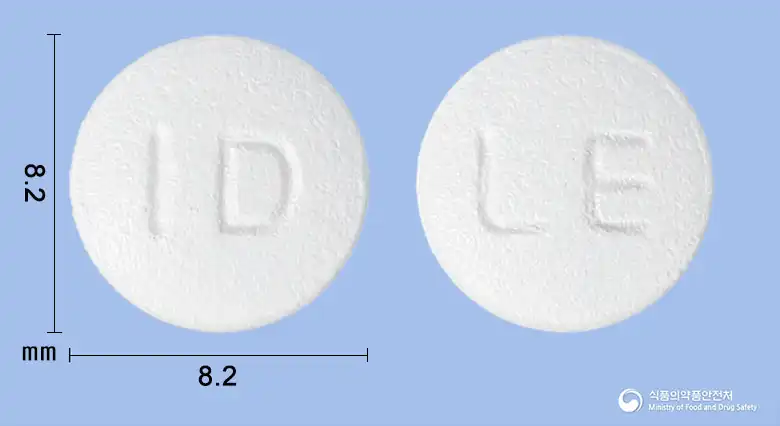
Levofloxacin Hydrate 100mg
Tablet · Prescription medication
Ildong Pharmaceutical Co., Ltd.

Levofloxacin 100mg
Tablet · Prescription medication
Jeil Pharmaceutical Co., Ltd.
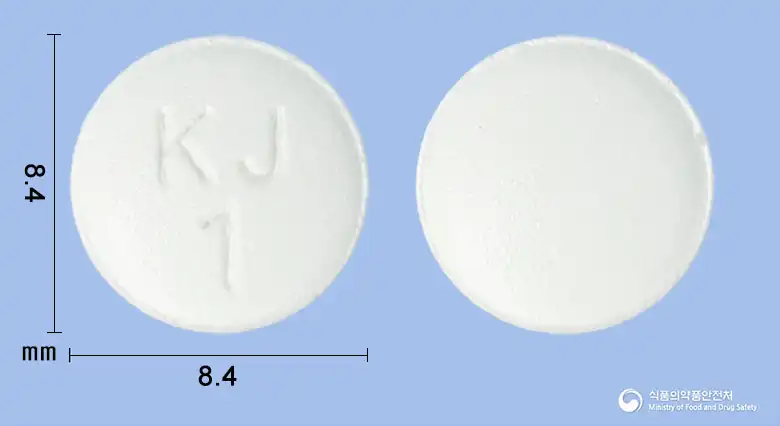
Levofloxacin Hydrate 100mg
Tablet · Prescription medication
International Pharmaceuticals Co., Ltd.
Levofloxacin 5.1246mg
Prescription medication
Jeil Pharmaceutical Co., Ltd.
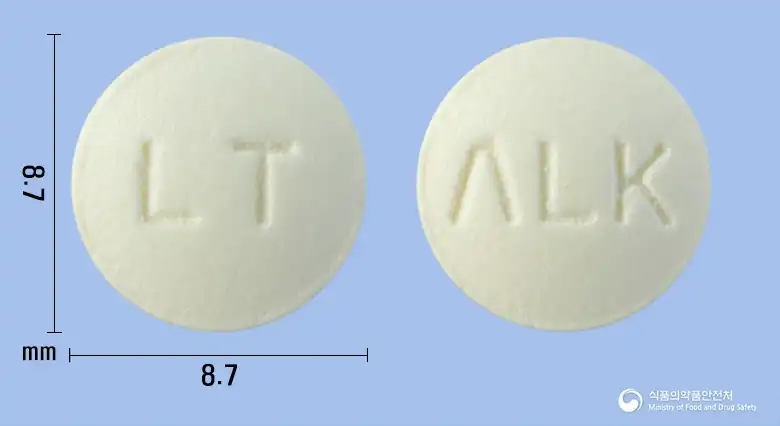
Levofloxacin Hydrate 100mg
Tablet · Prescription medication
SS Pharm Co., Ltd.
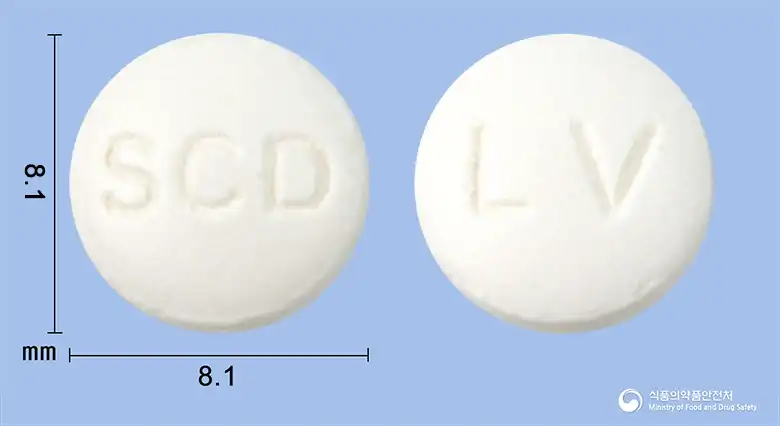
Levofloxacin Hydrate 102.49mg
Tablet · Prescription medication
Samchundang Pharmaceutical Co., Ltd.
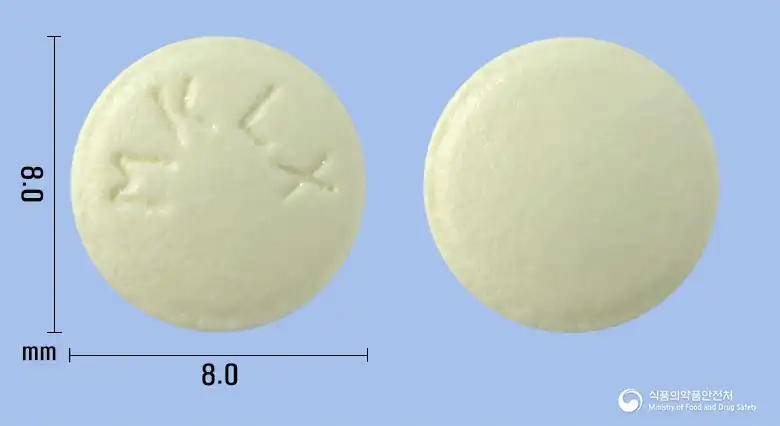
Levofloxacin Hydrate 100mg
Tablet · Prescription medication
Medica Korea Co., Ltd.
Even with the same ingredient, the dose and directions can differ by strength and dosage form. Talk to a doctor or pharmacist before switching from a medication you are already taking.
No questions yet.
For anything that needs medical judgment, consult a doctor or pharmacist.
This drug information is based on data provided by the Korea Ministry of Food and Drug Safety.
Consult a doctor or pharmacist for accurate dosage, administration, and usage instructions.