
 한국어
한국어 English
 日本語
日本語 中文(简体)
 Viewing nowCombination
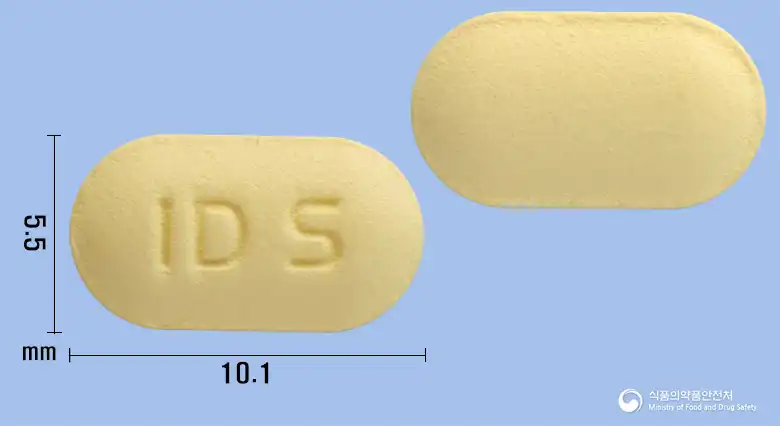
Setamadol Semi Tablets
Tramadol Hydrochloride 18.75mg · Acetaminophen 162.5mg
Tablet · Prescription medication · Combination
Ildong Pharmaceutical Co., Ltd.
MFDS item code 200804796 · Notified 2008.04.28 · Insurance code 642902720
Relief of moderate to severe acute/chronic pain
This medication is used for the relief of acute and chronic pain ranging from moderate to severe.
For children aged 12 years and older and adults: The dose should be adjusted according to the intensity of pain and treatment response. The recommended initial dose is 4 tablets, and subsequent doses should be spaced at least 6 hours apart, not exceeding 16 tablets per day. The lowest effective dose should be administered for the shortest duration possible. Avoid using this medication longer than necessary; if long-term use is needed due to the nature and severity of the disease, regular monitoring should be conducted to determine the continuation of this medication. Elderly The usual adult dosage should be administered. However, in elderly patients aged 75 years and above, the elimination half-life of tramadol is increased by 17% when administered orally; hence, this medication should be dosed at intervals of at least 6 hours. Patients with Renal Impairment For patients with moderate renal impairment (creatinine clearance of 10-30 mL/min), the dosing interval should be extended to 12 hours. Recommended use is not advised for patients with severe renal impairment (creatinine clearance of less than 10 mL/min). Tramadol is removed very slowly during hemodialysis and filtration, hence re-dosing after dialysis for pain relief is not necessary. Patients with Hepatic Impairment For patients with moderate hepatic impairment, careful consideration should be given to extending the dosing interval. This medication should not be administered to patients with severe hepatic impairment.
This medication may put a strain on the liver, so individuals who consume alcohol above a certain amount daily should consult a doctor or pharmacist before use. Serious skin reactions may rarely occur with this medication; therefore, if a rash or allergic symptoms develop, discontinue use immediately and consult medical personnel. There is a risk of seizures, so care should be taken not to exceed the recommended dose, and caution is advised when taking it alongside certain antidepressants or opioid pain relievers, as this can increase seizure risk. Patients with difficulty breathing or severe asthma may experience life-threatening respiratory depression when taking this medication, thus it must be administered under medical supervision. Taking this medication with alcohol or central nervous system depressants can lead to severe drowsiness, respiratory depression, or coma, so concomitant use should be avoided. Patients with head injuries or increased intracranial pressure may experience worsening symptoms while taking this medication; caution is required. This medication may lead to physical and psychological dependence, so careful monitoring is required for dependency when used long-term. Patients with weakened liver function must consult a doctor before taking this medication and should be careful not to take other acetaminophen products concurrently. Patients with specific genetic traits may metabolize this medication very quickly, increasing the risk of respiratory depression, necessitating dose adjustments and careful monitoring. This medication is not to be administered to children, especially those under 12 years of age or adolescents under 18 years of age who have undergone tonsillectomy and adenoidectomy. This medication can cause sleep apnea and hypoxemia, thus continuous observation for the presence or worsening of these symptoms is required. Elderly patients or those at risk for hyponatremia should be closely monitored for the occurrence of hyponatremia. This medication should not be administered to patients with allergies to specific components, severe respiratory depression, head trauma, or those taking MAO inhibitors. Patients taking central nervous system depressants, alcohol, or opioid pain relievers should use this medication cautiously, monitoring for respiratory depression and sedation side effects. Pregnant or breastfeeding women should consult a healthcare professional regarding risks to the fetus or infant before using this medication, and avoiding use during breastfeeding is advisable. Drowsiness or dizziness may occur with this medication, so activities that require alertness, such as driving or operating machinery, should be avoided. In case of overdose, severe respiratory depression, seizures, liver damage, etc., may occur; thus, the prescribed dosage must be adhered to, and immediate emergency treatment is required in case of overdose. This medication should be stored out of reach of children to prevent accidental ingestion or misuse.
Hives, severe swelling (edema), chest tightness, difficulty breathing, cold sweats, paleness, severe rash with fever, blisters, exfoliated skin, pain in mucous membranes of the mouth/eyes, shortness of breath or difficulty breathing, asthma attacks, respiratory problems accompanied by cough + fever, jaundice (yellowing skin or eyes), extreme lethargy, sudden and severe headaches, thunderclap headaches, seizures, confusion, visual disturbances, paralysis, urinary retention
Not everyone experiences these, and they can vary from person to person.
This medication should be stored in a tightly sealed container to prevent air or moisture from entering and should be kept at room temperature below 25 degrees Celsius. Storing it this way will help maintain the medication's effectiveness.
Pale yellow rectangular film-coated tablet
30 tablets/box [(10 tablets/PTP) × 3], 300 tablets/bottle
Even with the same ingredient, strength, dosage form and how it is taken can differ.
Viewing nowCombinationTramadol Hydrochloride 18.75mg · Acetaminophen 162.5mg
Tablet · Prescription medication · Combination
Ildong Pharmaceutical Co., Ltd.
 Combination
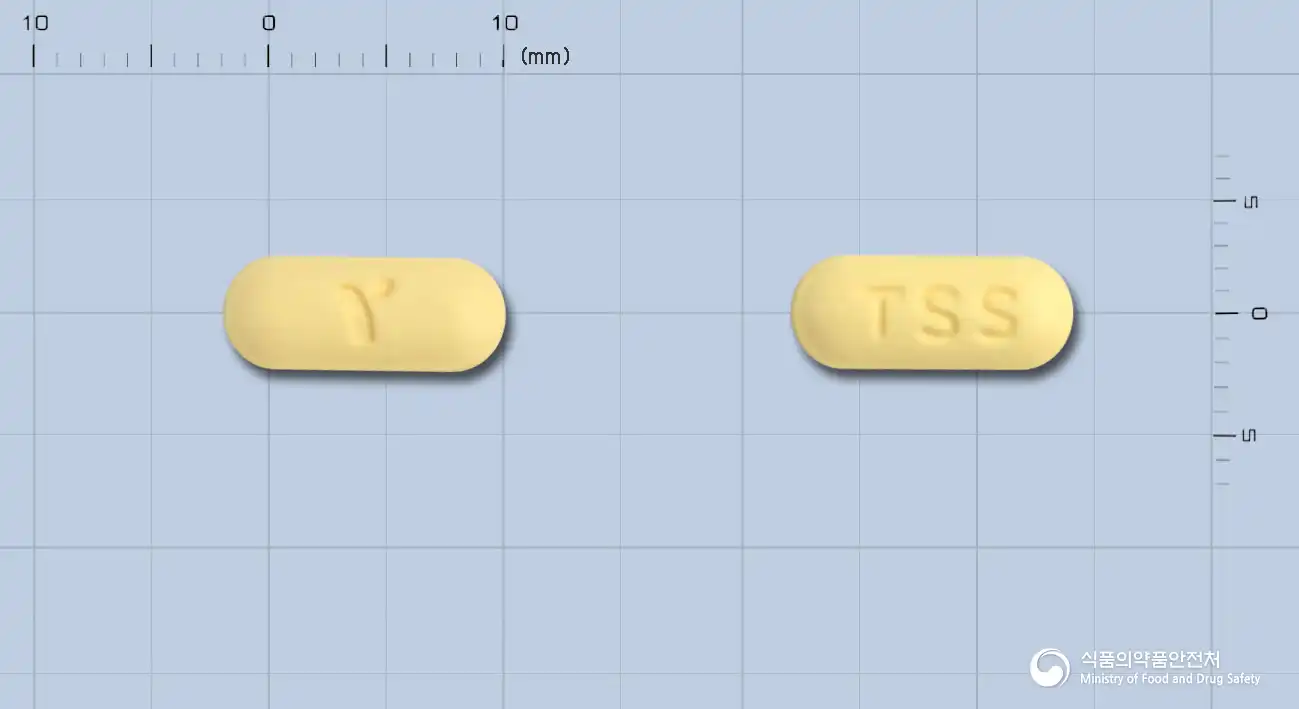
Acetaminophen 162.5mg · Tramadol Hydrochloride 18.75mg
Tablet · Prescription medication · Combination
Yuyoung Pharmaceutical Co., Ltd.
 Combination
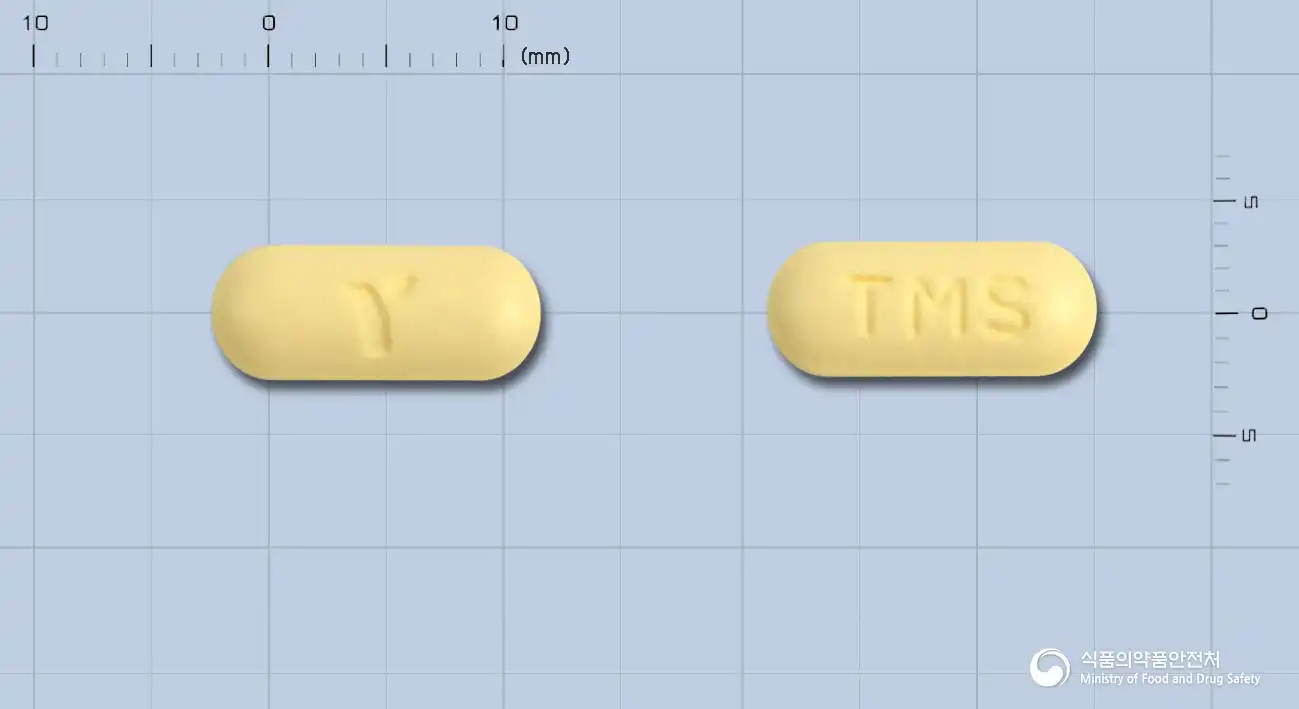
Acetaminophen 325mg · Tramadol Hydrochloride 37.5mg
Tablet · Prescription medication · Combination
Youyoung Pharmaceutical Co., Ltd.
 Combination
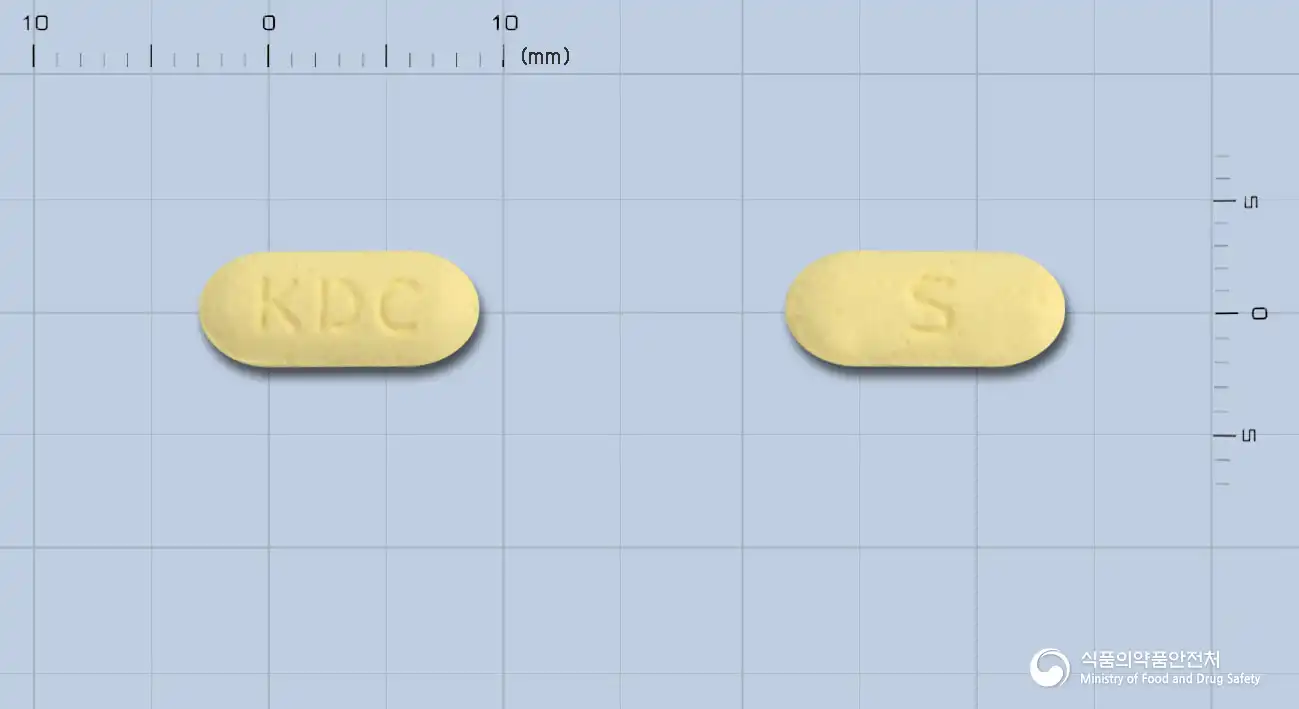
Tramadol Hydrochloride 18.75mg · Acetaminophen 162.5mg
Tablet · Prescription medication · Combination
Korea Pharmaceutical Co., Ltd.
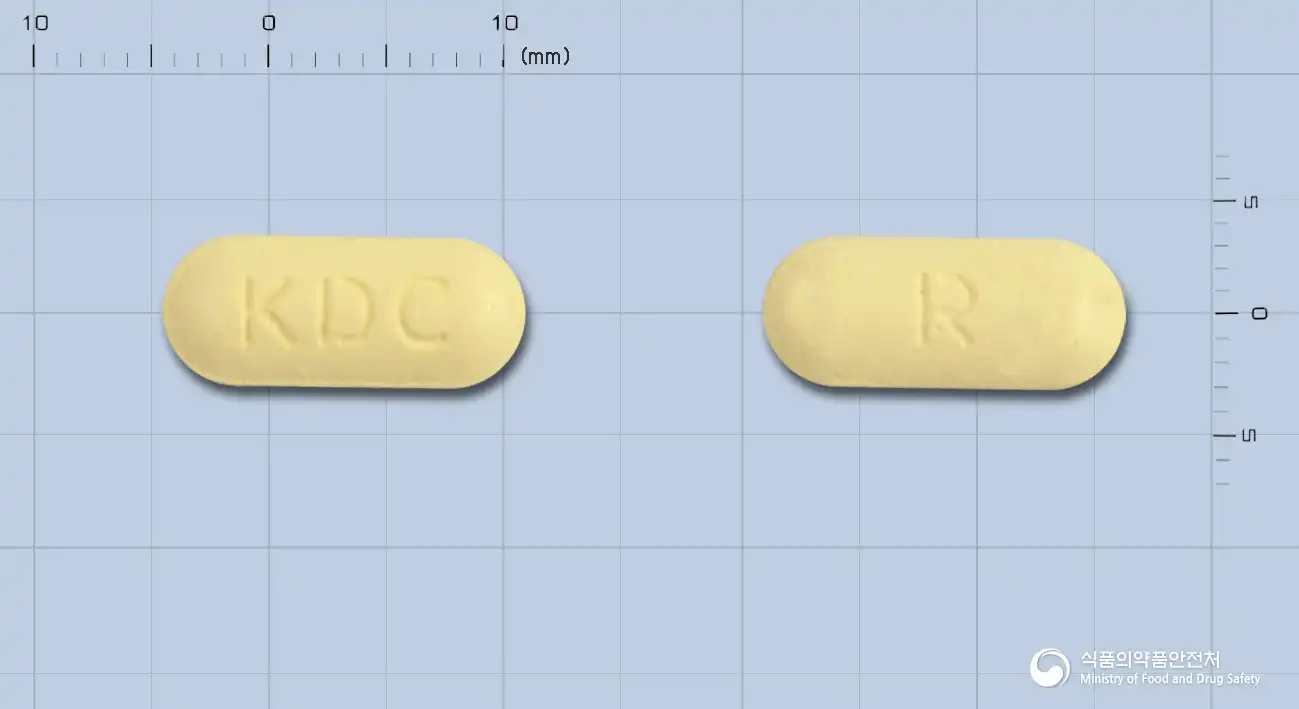 Combination
Tramadol Hydrochloride 37.5mg · Acetaminophen 325mg
Tablet · Prescription medication · Combination
Korea United Pharmaceutical Co., Ltd.
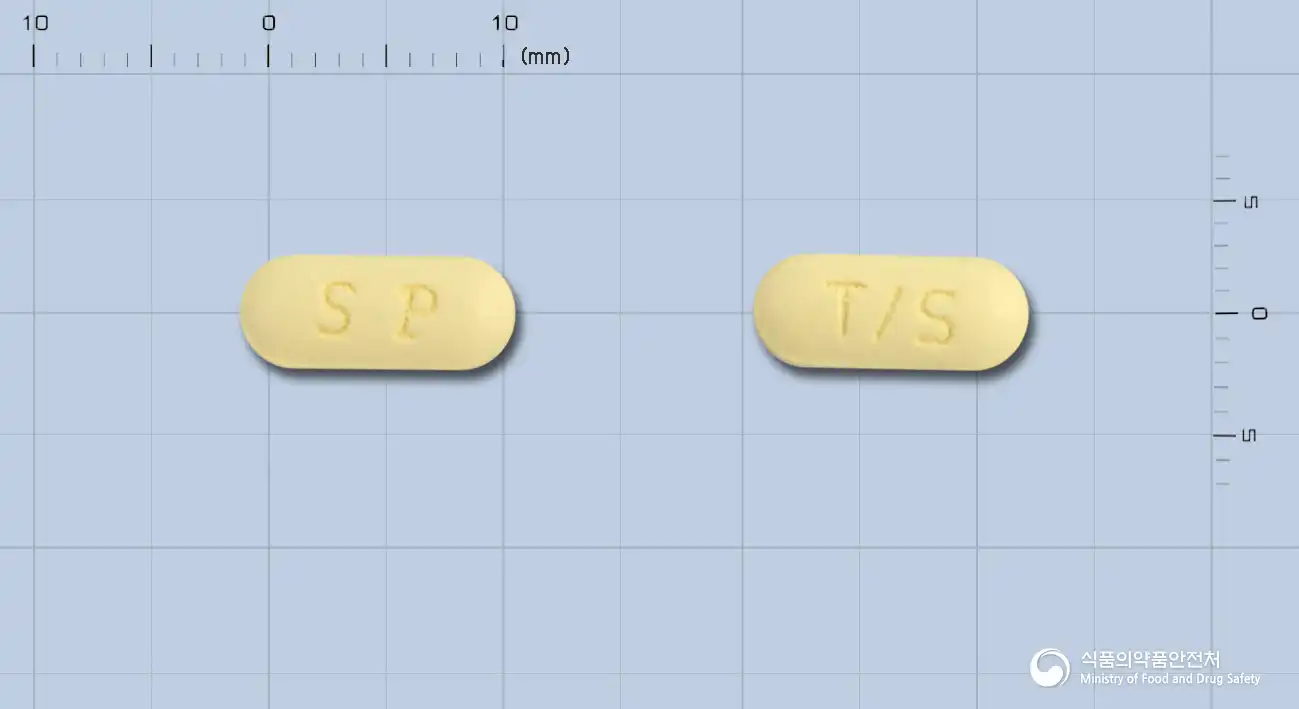 Combination
Acetaminophen 162.5mg · Tramadol Hydrochloride 18.75mg
Tablet · Prescription medication · Combination
Shinpoong Pharmaceutical Co., Ltd.
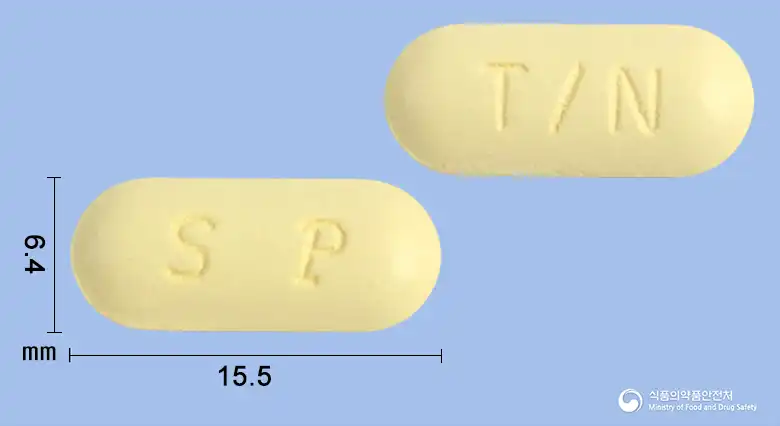 Combination
Acetaminophen 325mg · Tramadol Hydrochloride 37.5mg
Tablet · Prescription medication · Combination
Sinphong Pharmaceutical Co., Ltd.
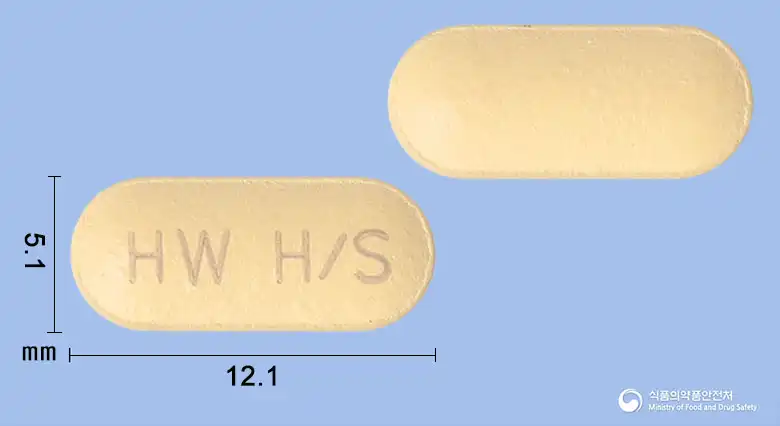 Combination
Acetaminophen 162.5mg · Tramadol Hydrochloride 18.75mg
Tablet · Prescription medication · Combination
Albozen Korea Co., Ltd.
Even with the same ingredient, the dose and directions can differ by strength and dosage form. Talk to a doctor or pharmacist before switching from a medication you are already taking.
No questions yet.
For anything that needs medical judgment, consult a doctor or pharmacist.
This drug information is based on data provided by the Korea Ministry of Food and Drug Safety.
Consult a doctor or pharmacist for accurate dosage, administration, and usage instructions.