
 한국어
한국어 English
 日本語
日本語 中文(简体)
 Viewing now
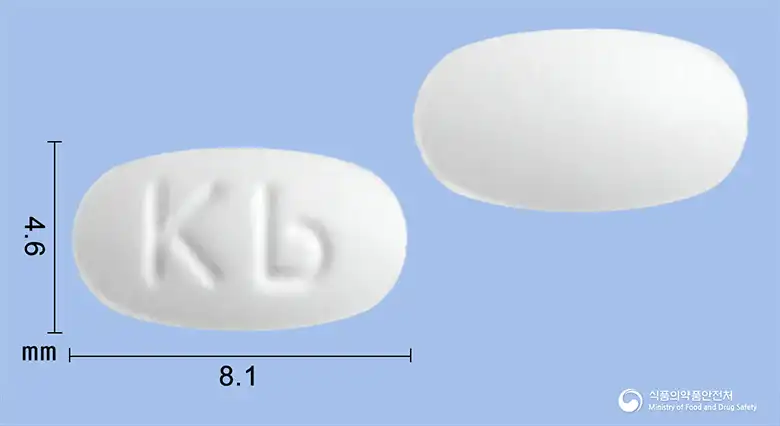
Levoceltac Tablet (Levocetirizine Hydrochloride)
Levocetirizine Hydrochloride 5mg
Tablet · Prescription medication
Kyungbo Pharmaceutical Co., Ltd.
MFDS item code 200803800 · Notified 2008.04.04
This product's status changed to Approval withdrawn on 2024.07.18. It may no longer be sold, so consult a doctor or pharmacist before taking it.
Relief of symptoms such as allergic rhinitis and chronic urticaria
This medication is used to relieve symptoms of seasonal or perennial allergic rhinitis and chronic idiopathic urticaria, as well as skin conditions associated with itching, such as dermatitis or eczema.
Adults and children aged 6 years and older: 1 tablet (5 mg as levocetirizine hydrochloride), taken orally once a day, without regard to meals. Patients with renal impairment should adjust the dose according to their renal function (Creatinine clearance (CLCR(mL/min)). - Mild (50 ≤ CLCR < 80): 1 tablet once a day - Moderate (30 ≤ CLCR < 50): 1 tablet every other day - Severe (10 ≤ CLCR < 30):
Children aged 6 years and older: 1 tablet (5 mg as levocetirizine hydrochloride), taken orally once a day, without regard to meals.
This medication should not be used in patients with known allergies to specific components or those who have previously experienced allergic reactions to hydroxyzine or piperazine derivatives. It is advisable not to administer this drug to patients with severely impaired renal function or those undergoing dialysis. Women who are pregnant or may become pregnant, as well as breastfeeding women, should not take this medication. This drug should not be given to infants under 1 year of age, and for children under 6 years, it is preferable to administer in liquid form rather than tablet form. This medication contains lactose; therefore, patients with lactose intolerance or hereditary lactose metabolism disorders should avoid it. Patients with impaired kidney or liver function, as well as the elderly, should use this drug with caution, as it may remain in the body for an extended period. Taking this medication may lead to central nervous system side effects such as drowsiness, headache, and dizziness; hence, caution is advised when driving or operating hazardous machinery. Gastrointestinal discomfort may occur, and rarely, cardiac arrhythmias or hematological adverse reactions may also occur. Additionally, hypersensitivity reactions such as skin rashes, itching, and blurred vision can occur; consult a healthcare professional immediately if any abnormal symptoms are experienced. During the use of this medication, it is advisable not to consume alcohol or other drugs that affect the central nervous system. Particularly in combination with alcohol, drowsiness or decreased concentration may worsen, so caution is advised. It is safe for pregnant or breastfeeding women to avoid this drug due to the possibility of it being transmitted through breast milk. For children, dosage adjustments are necessary for those under 12 years, and it is recommended not to use the drug for infants under 1 year. Elderly patients may experience excessive accumulation of the drug in the body due to reduced kidney function, so starting at a low dose and closely monitoring their condition is recommended. It is prudent to stop taking this medication before allergy testing, as its use can affect test results. In cases of overdose, drowsiness or agitation may occur, and there is no specific antidote, so symptomatic treatment should be provided; this drug cannot be effectively removed by dialysis.
Not everyone experiences these, and they can vary from person to person.
This drug may be sensitive to light, so it should be stored in a container that blocks light. Additionally, it is best to keep it at a temperature between 1 and 30 degrees Celsius. Storing it this way will help maintain the medication's efficacy for a longer period.
White or pale yellow oval film-coated tablets
30 tablets/bottle, 300 tablets/bottle
Even with the same ingredient, strength, dosage form and how it is taken can differ.
Viewing nowLevocetirizine Hydrochloride 5mg
Tablet · Prescription medication
Kyungbo Pharmaceutical Co., Ltd.
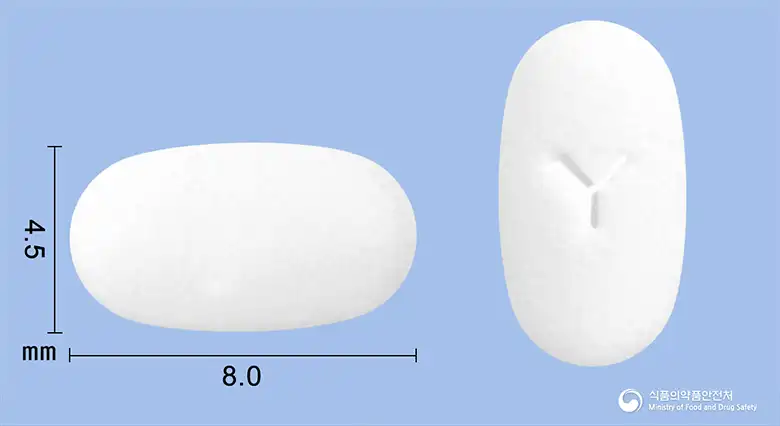
Levocetirizine Hydrochloride 5mg
Tablet · Prescription medication
HanKook UCB Pharma Co., Ltd.
Levocetirizine Hydrochloride 50mg
Solution · Prescription medication
Korea UCB Pharmaceutical Co., Ltd.
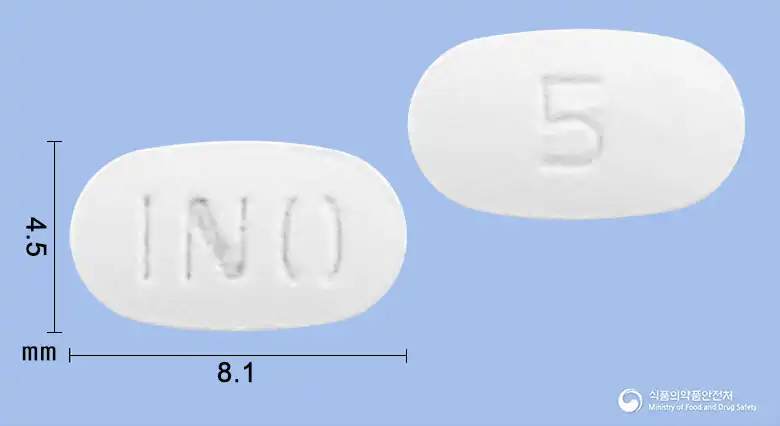
Levocetirizine Hydrochloride 5mg
Tablet · Prescription medication
HK inno.N Co., Ltd.
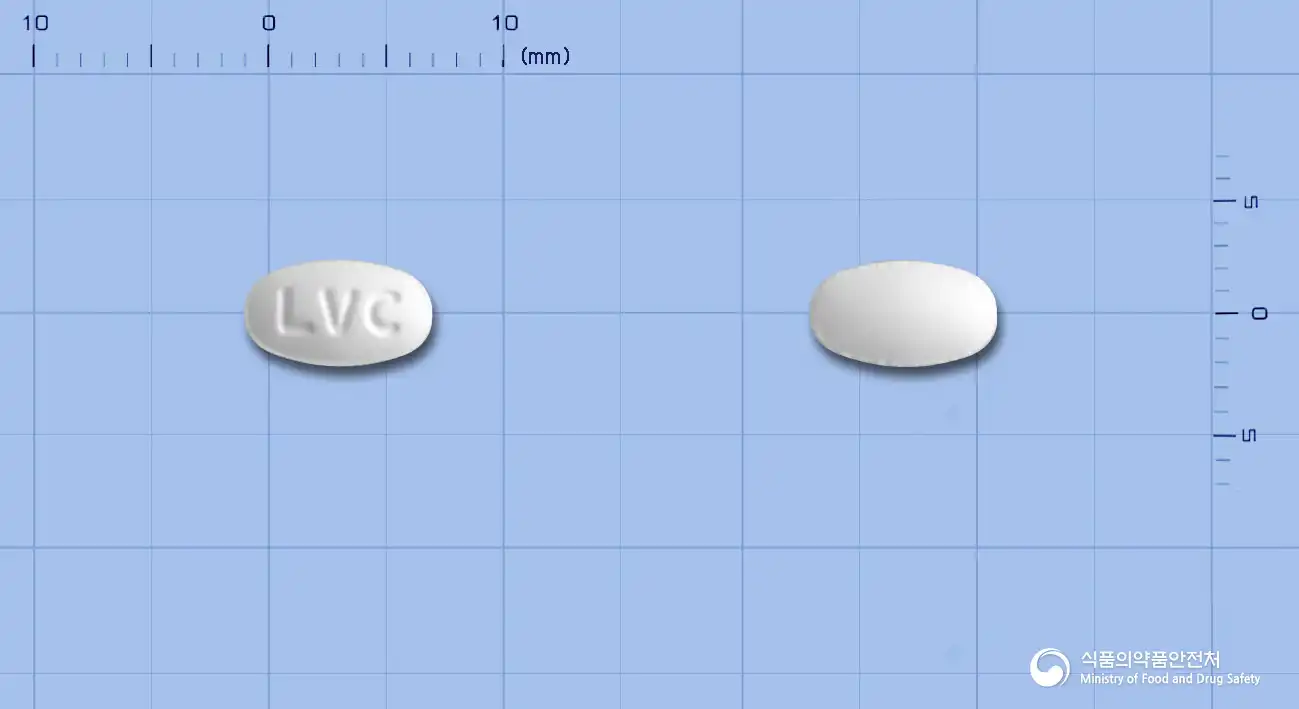
Levocetirizine Hydrochloride 5mg
Tablet · Prescription medication
Hanwha Pharmaceutical Co., Ltd.
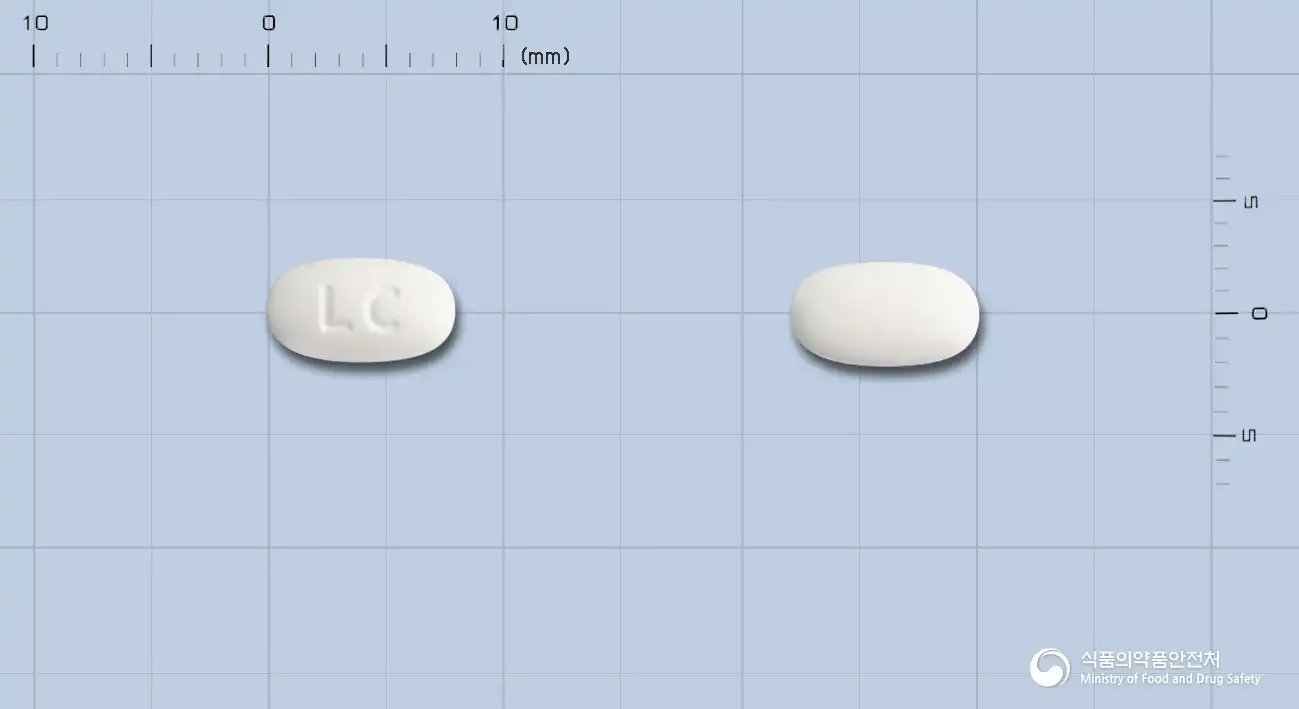
Levocetirizine Hydrochloride 5mg
Tablet · Prescription medication
Dongkwang Pharmaceutical Co., Ltd.
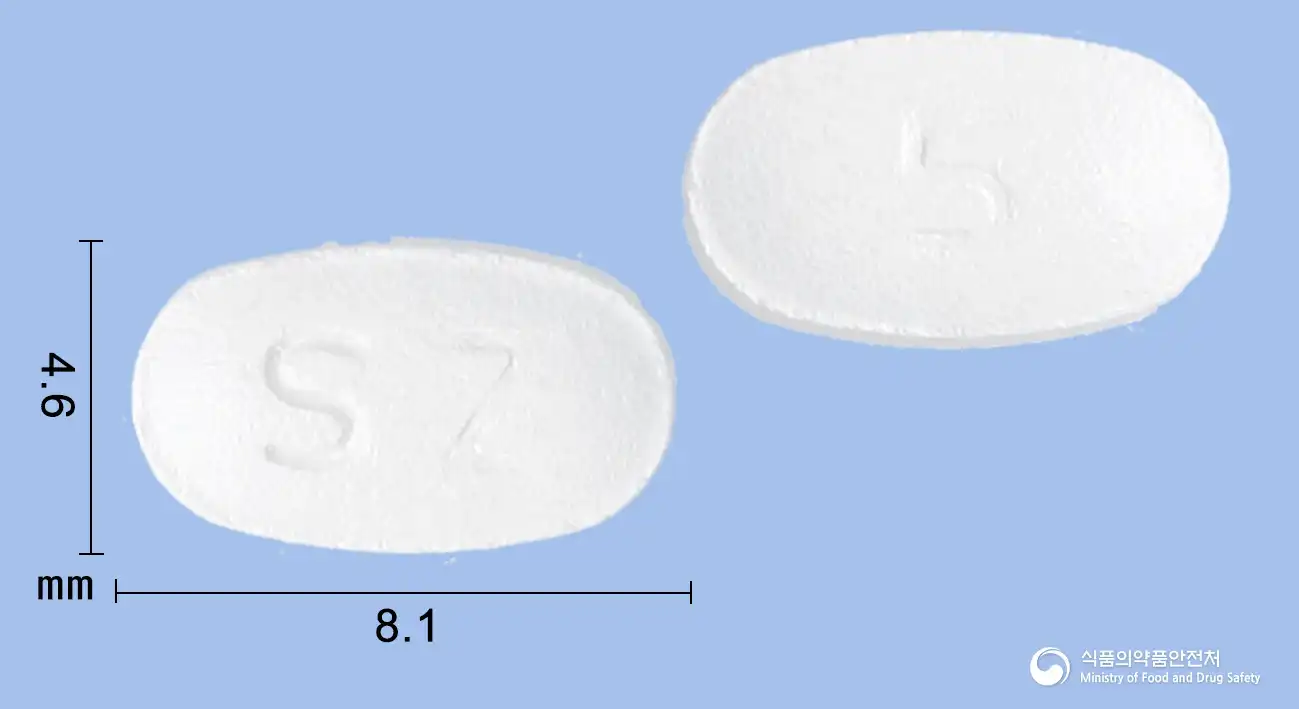
Levocetirizine Hydrochloride 5mg
Tablet · Prescription medication
Kyungdong Pharmaceutical Co., Ltd.
Levocetirizine Hydrochloride 5mg
Tablet · Prescription medication
Hanlim Pharmaceutical Co., Ltd.
Even with the same ingredient, the dose and directions can differ by strength and dosage form. Talk to a doctor or pharmacist before switching from a medication you are already taking.
No questions yet.
For anything that needs medical judgment, consult a doctor or pharmacist.
This drug information is based on data provided by the Korea Ministry of Food and Drug Safety.
Consult a doctor or pharmacist for accurate dosage, administration, and usage instructions.