
 한국어
한국어 English
 日本語
日本語 中文(简体)
 Viewing nowCombination
Cimox 500mg (Amoxicillin/Clavulanate Potassium) Tablets
Amoxicillin Hydrate 250mg · Sulbactam Pivoxil 250mg
Tablet · Prescription medication · Combination
PharmGen Science Co., Ltd.
MFDS item code 200803292 · Notified 2008.03.25 · Insurance code 670102210
Treatment of upper and lower respiratory tract infections (such as otitis media and pneumonia)
This medication is effective against various bacteria including Staphylococcus aureus, Streptococcus pneumoniae, and Neisseria gonorrhoeae. It is primarily used to treat upper respiratory infections such as otitis media, sinusitis, and tonsillitis, as well as lower respiratory infections like bronchitis and pneumonia. Additionally, it is effective against infections of the upper and lower urinary tracts, skin and wound infections, gynecological infections, and abdominal infections. This drug helps treat multiple types of bacterial infections, contributing to symptom improvement. Therefore, it is used for the treatment of infections occurring in various parts caused by different bacteria.
Adults and children over 12 years old: administer amoxicillin and clavulanate potassium as 500 to 1000 mg (based on activity) orally three times a day.
This drug should not be used in patients with allergies to penicillin antibiotics or hypersensitivity to cephalosporin drugs. Particularly, patients with viral infections such as infectious mononucleosis are at higher risk of developing rashes, so caution is needed. Contains lactose, so it should not be administered to patients with galactose intolerance, lactase deficiency, or glucose-galactose malabsorption. Patients with gastrointestinal diseases, allergic constitution, severely impaired kidney function, those who have difficulty in oral intake, and the elderly should use this drug cautiously and monitor closely for signs of bleeding. During use, gastrointestinal symptoms such as nausea, vomiting, diarrhea, and abdominal pain may occur, and in severe cases, pseudomembranous colitis may develop, so if symptoms become severe, immediately discontinue use and consult a physician. Rarely, serious allergic reactions such as rashes, urticaria, or anaphylactic shock may occur, so if any allergic symptoms appear, discontinue the medication immediately. This medication may affect kidney function, so if any symptoms related to kidney issues arise, inform medical personnel immediately. Abnormal blood findings such as anemia and thrombocytopenia have been reported in blood tests, so regular blood tests are necessary. Long-term use may lead to fungal infections or dysbiosis, so if symptoms such as stomatitis or candidiasis appear, immediately discontinue use. Rarely, neurological symptoms such as hepatic impairment or jaundice, headache, seizures, or aseptic meningitis may occur, so immediately consult medical personnel if any such symptoms arise. This drug may interact with other medications, so caution is required when taken in combination with methotrexate, probenecid, allopurinol, oral contraceptives, etc. During pregnancy, the risk to the fetus is low, but it should only be used when the therapeutic benefit outweighs the risk, and in breastfeeding mothers, diarrhea or skin rashes may appear in the infant, requiring caution. Care must be taken when administering to children or the elderly as kidney function may not be fully developed or may be impaired, necessitating attention to dosage and administration intervals. In cases of overdose, neurological toxicity or kidney failure may occur, so if suspected, visit a medical facility immediately, and if necessary, the drug can be removed via blood dialysis. This medication may have decreased effectiveness or increased side effects when used in combination with other antibiotics, so care must be taken regarding administration intervals and methods when co-administered.
Urticaria, severe swelling (Quincke's edema), chest tightness, difficulty breathing, cold sweat, pallor (severe allergic reactions), severe rashes, blisters, skin peeling, pain in mucous membranes of mouth/eyes (severe skin reactions), shortness of breath or difficulty breathing, asthma attacks, respiratory abnormalities with cough and fever, jaundice (yellowing of skin or eyes), severe lethargy (liver abnormalities), sudden and severe headaches.
Nausea, vomiting, diarrhea, loss of appetite, upper abdominal pain, abdominal pain, serum sickness-like reactions (arthritis, arthralgia, myalgia), maculopapular rash, rarely anaphylactic shock, rarely interstitial nephritis, urinary retention, dysuria, elevated BUN and creatinine levels, acute kidney failure, abnormal platelet levels, neutropenia, eosinophilia, decreased red and white blood cells, agranulocytosis, decreased thrombin, increased lymphocytes, monocytes, basophils, and platelets, serum albumin.
Not everyone experiences these, and they can vary from person to person.
This medication should be stored in an airtight container that allows good air circulation and ideally kept at a temperature between 1 to 30 degrees Celsius. This storage method helps maintain the efficacy of the drug and prevents degradation.
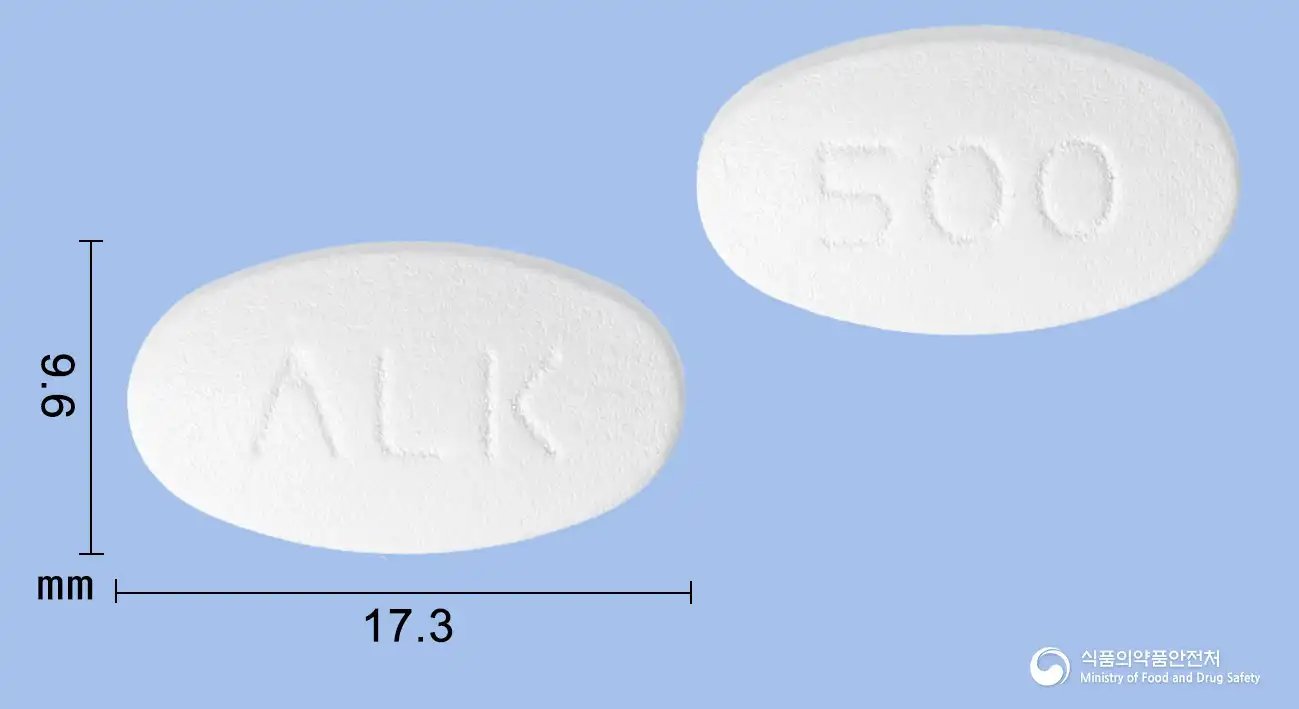
White oval film-coated tablet
30 tablets, 300 tablets/bottle
Even with the same ingredient, strength, dosage form and how it is taken can differ.
Viewing nowCombinationAmoxicillin Hydrate 250mg · Sulbactam Pivoxil 250mg
Tablet · Prescription medication · Combination
PharmGen Science Co., Ltd.
 Combination
Amoxicillin Hydrate 250mg · Sulbactam Pivoxil 250mg
Tablet · Prescription medication · Combination
Albogenz Korea Co., Ltd.
Amoxicillin Hydrate · Sulbactam Pivoxil
Prescription medication · Combination
Nexpam Korea Co., Ltd.
Amoxicillin Hydrate · Sulbactam Pivoxil
Prescription medication · Combination
Boryung Pharmaceutical Co., Ltd.
Amoxicillin Hydrate · Sulbactam Pivoxil
Prescription medication · Combination
Daehan Pharmaceutical Co., Ltd.
Amoxicillin Hydrate · Sulbactam Pivoxil
Prescription medication · Combination
Daewoong Bio Co., Ltd.
Amoxicillin Hydrate · Sulbactam Pivoxil
Prescription medication · Combination
Korea Union Pharmaceutical Co., Ltd.
Amoxicillin · Sulbactam Pivoxil
Prescription medication · Combination
Kujoo Pharmaceutical Co., Ltd.
Even with the same ingredient, the dose and directions can differ by strength and dosage form. Talk to a doctor or pharmacist before switching from a medication you are already taking.
No questions yet.
For anything that needs medical judgment, consult a doctor or pharmacist.
This drug information is based on data provided by the Korea Ministry of Food and Drug Safety.
Consult a doctor or pharmacist for accurate dosage, administration, and usage instructions.