
 한국어
 English
 日本語
 中文(简体)
Dosage form image
Viewing nowNaprodis Capsule (Nafronil Oxalic Acid Salt)
Nafronyl Oxalate 100mg
Hard capsule · Prescription medication
Korea Union Pharm Co., Ltd.
MFDS item code 200803000 · Notified 2008.03.19
This product's status changed to Approval withdrawn on 2025.03.31. It may no longer be sold, so consult a doctor or pharmacist before taking it.
Improvement of peripheral vascular disorders
Peripheral vascular disorders occur when blood circulation in the peripheral areas such as hands and feet is inadequate. This condition primarily leads to symptoms such as pain, numbness, and skin color changes due to narrowed or blocked blood vessels. The medication helps improve circulation in these vessels to alleviate symptoms and restore function. It is used for peripheral vascular disorders.
Administer 100 mg of nafronyl oxalate orally 3 times daily.
This medication should not be used in patients with acute myocardial infarction or those with severe bleeding from early wounds. Patients with orthostatic dysregulation or allergic reactions to this medication should also not receive it. The medication should be avoided in patients with a history of oxalic acid nephropathy or recurrent calcium nephrolithiasis, acute myocardial infarction, or congestive heart failure. It is also not suitable for patients with severe cardiac conduction defects, angina pectoris, severe hypotension, or poor liver function. Patients who are prone to seizures, pregnant women or women who may become pregnant, and nursing mothers should not take this medication. Additionally, this medication contains lactose, so it should not be administered to patients with genetic problems such as galactose intolerance, lactose deficiency, or glucose-galactose malabsorption. Patients with impaired renal function or coronary artery disease should use this medication with caution. While taking this medication, neurological symptoms such as seizures, sensory abnormalities, anxiety, drowsiness, insomnia, headache, and dizziness may occur. Gastrointestinal symptoms may include anorexia, esophagitis, vomiting, nausea, stomach pain, and diarrhea. Allergic reactions such as urticaria or angioedema and rash may occur. Symptoms of abnormal liver function may include hepatitis, jaundice, hepatocellular necrosis, increased liver enzymes, and liver failure. Kidney-related issues may include urination disorders or kidney stones. Cardiovascular abnormalities such as hypotension, orthostatic hypotension, arrhythmia, angina pectoris, syncope, and peripheral edema have also been reported. Additionally, blood sugar levels may increase. This medication is not used for hypertension treatment, and adequate hydration is necessary to reduce the risk of kidney stones. Caution is required as taking it without any beverage at bedtime may cause esophagitis. If taken alongside antihypertensives or antiarrhythmic agents, the efficacy may be enhanced, so it is important to follow a doctor's instructions. Pregnant or nursing women should not take this medication, and women who may become pregnant should also avoid it. In cases of overdose, cardiac rhythm may be suppressed or seizures may occur, and immediate medical treatment is necessary. In such cases, gastric lavage and activated charcoal administration, as well as cardiovascular and respiratory status monitoring, are required, and in severe cases, the use of a pacemaker or drug therapy may be necessary. If seizures occur, they should be treated with specialized medication.
Not everyone experiences these, and they can vary from person to person.
This medication may be sensitive to air and moisture, so it should be stored in a tightly sealed container. It is recommended to maintain the storage temperature between 1 and 30 degrees Celsius to preserve the efficacy and safety of the medication over time.
A upper translucent red capsule and lower transparent colorless hard capsule filled with white to slightly yellow powder
30 capsules/bottle, 500 capsules/bottle
Even with the same ingredient, strength, dosage form and how it is taken can differ.
Nafronyl Oxalate 100mg
Hard capsule · Prescription medication
Korea Union Pharm Co., Ltd.
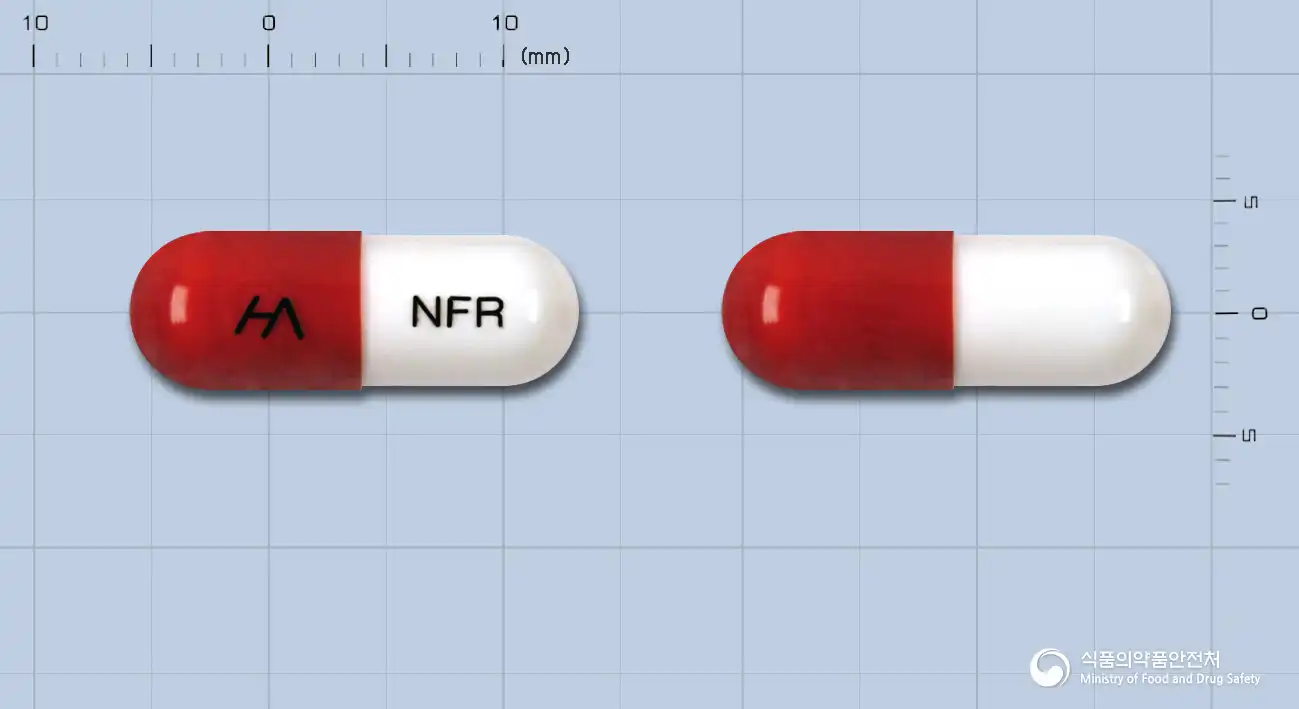
Nafronyl Oxalate 100mg
Hard capsule · Prescription medication
Hanall Biopharma Co., Ltd.
Nafronyl Oxalate 100mg
Prescription medication
Albozen Korea Co., Ltd.
Nafronyl Oxalate 100mg
Prescription medication
Hawon Pharmaceutical Co., Ltd.
Nafronyl Oxalate 100mg
Hard capsule · Prescription medication
CMG Pharmaceutical Co., Ltd.
Nafronyl Oxalate 100mg
Prescription medication
Korea Prime Pharmaceutical Co., Ltd.
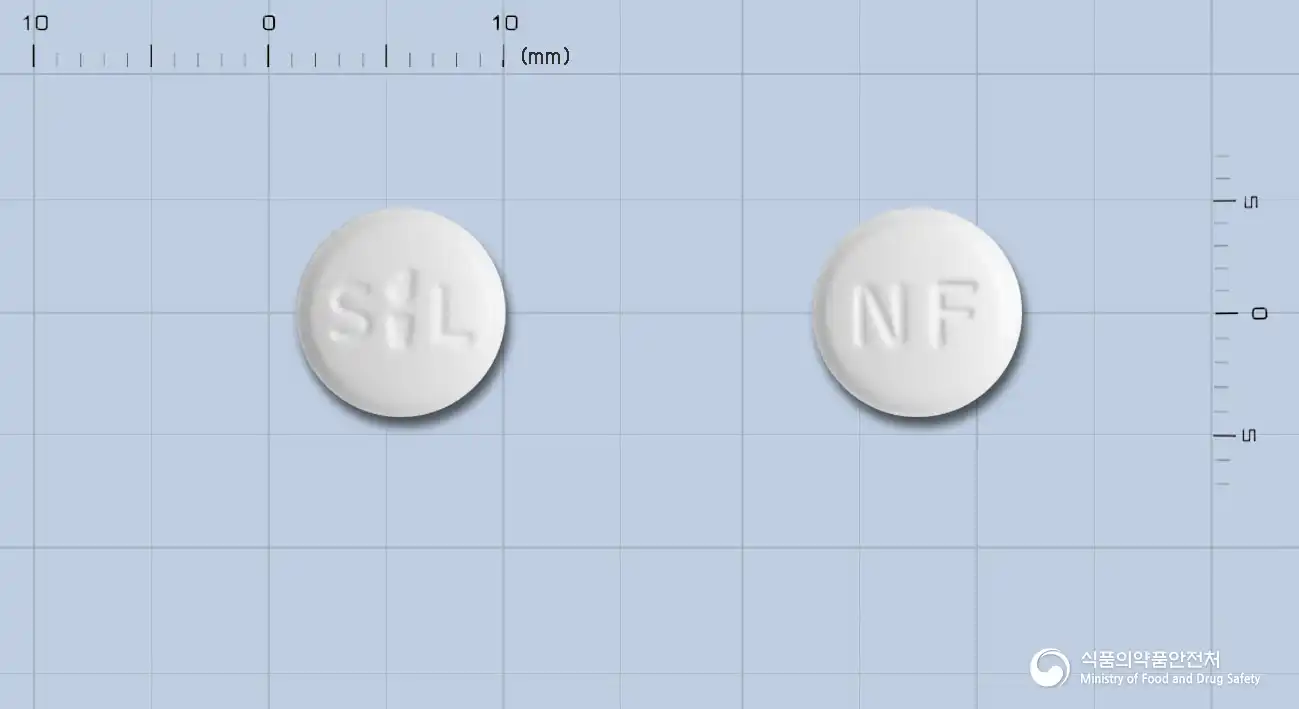
Nafronyl Oxalate 100mg
Tablet · Prescription medication
Samil Pharmaceutical Co., Ltd.
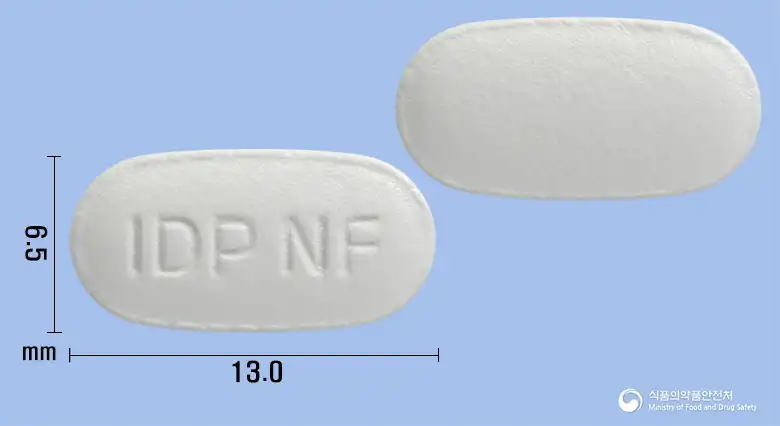
Nafronyl Oxalate 100mg
Tablet · Prescription medication
IlDong Pharmaceutical Co., Ltd.
Even with the same ingredient, the dose and directions can differ by strength and dosage form. Talk to a doctor or pharmacist before switching from a medication you are already taking.
No questions yet.
For anything that needs medical judgment, consult a doctor or pharmacist.
This drug information is based on data provided by the Korea Ministry of Food and Drug Safety.
Consult a doctor or pharmacist for accurate dosage, administration, and usage instructions.